




Antique Tapestry Cushion Panel
An antique tapestry cushion panel brings centuries of woven artistry into a modern room, offering rich textures and historic narratives.
Antique Tapestry Cushion Panel
An antique tapestry cushion panel represents textile history repurposed for interior display, drawing from centuries of craftsmanship. When exploring this search phrase, collectors encounter fragments and complete covers originating from various European and tribal traditions.
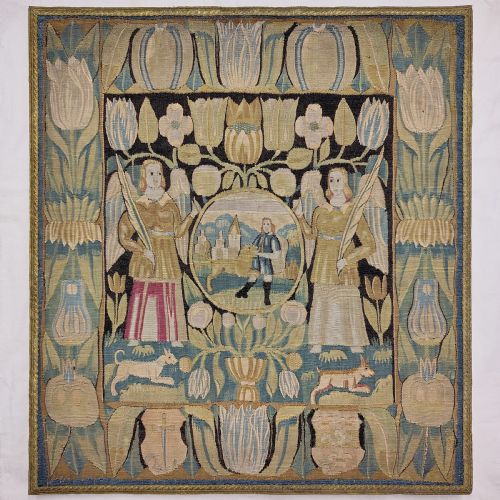
The selections on this page span the sixteenth, seventeenth, and nineteenth centuries, alongside specific regional works like Swedish pillow embroidery and Turkmen flatweaves. The seventeenth century examples form a strong presence, often presenting Flemish or North German weaving origins.
Many of these textiles originate as larger wall hangings, framed pieces, or storage bags before being adapted into cushion formats. Buyers frequently discover pairs of historical fragments alongside single seventeenth century cushion covers.
Materials and construction methods
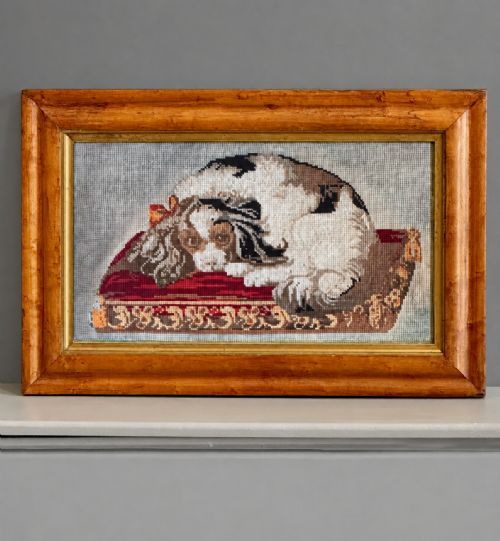
Weavers utilised natural fibres including wool, silk, and linen to construct these durable textiles, often incorporating natural dyes to achieve lasting colour depth. Canvas serves as a sturdy foundation for needlework pieces such as the nineteenth century Berlin work.
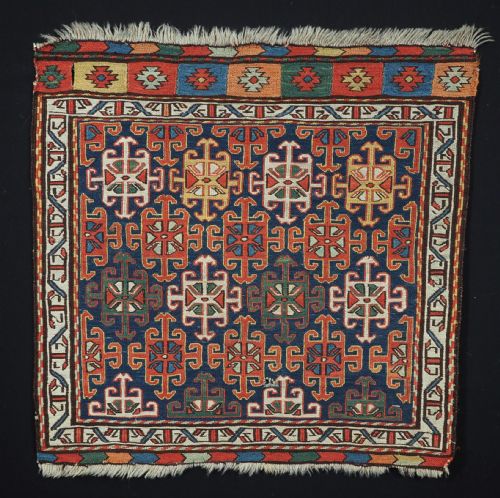
Techniques range from traditional Flemish tapestry weaving and Soumak flatweave construction to detailed pillow embroidery. Wooden frames occasionally house these textiles, utilising woods like burr maple to present needlework as framed art.
Materials documented across the collection include wool, silk, linen, wood, glass, natural dyes, canvas, and burr maple.
Evaluating quality and condition
Quality in an antique tapestry cushion panel depends heavily on the preservation of the woven design and the integrity of the natural fibres. Finer examples display intricate detail in the wool and silk yarns, maintaining their pictorial clarity despite centuries of age.
The origin and period significantly influence desirability, with sixteenth and seventeenth century Flemish and German fragments commanding particular attention from textile historians. The survival of original framing, such as burr maple surrounds, or the authenticity of regional flatweave techniques further distinguishes superior pieces.
The Antique Tapestry Cushion Panel Glossary
- Tapisserie
- A form of textile art traditionally woven on a loom, depicting pictorial scenes or repeating patterns. These historical textiles are frequently repurposed into cushions and wall art.
- Berlin Work
- A type of nineteenth century needlework embroidered on canvas using brightly coloured wool yarns. This technique often produced naturalistic animal subjects or floral motifs.
- Soumak
- A flatweaving technique used by tribal groups to create sturdy bag faces and rugs with a braided surface texture. This method results in a durable structure distinct from standard pile carpets.
- Mafresh
- A nomadic storage container or travel bag, often featuring banded flatweave designs. Surviving panels from these items are frequently collected as decorative textiles.
- Fragment
- A surviving portion of a larger historical textile, such as a Flemish wall hanging. These pieces are often preserved and mounted as cushion covers or framed works.
Antique Tapestry Cushion Panel: Frequently Asked Questions
What is an antique tapestry cushion panel?
An antique tapestry cushion panel is a historic woven or embroidered textile, often originating from seventeenth century European wall hangings or tribal bags, repurposed for soft furnishings.
These pieces preserve historical weaving techniques and natural dyes, allowing collectors to incorporate centuries-old textile art into domestic interiors.
How do I care for antique textiles?
Protect antique tapestry panels from direct sunlight to prevent natural dyes from fading over time. Gentle vacuuming through a mesh screen can remove dust without damaging fragile wool and silk fibres.
Avoid placing these delicate cushions in areas of heavy physical wear, as historic threads require gentle preservation to maintain their structural integrity.
Where did these tapestry panels originate?
The pieces seen here originate from various European centres, including Flanders and North Germany, alongside Scandinavian folk art traditions. Tribal examples from Turkmen and Shahsavan makers also appear.
Each region employed distinct weaving methods, from Flemish tapestry looms to Swedish pillow embroidery and Soumak flatweaves.
Are these panels from the original pieces?
Many listings feature fragments salvaged from larger historical textiles, such as seventeenth century Flemish wall hangings or nomadic storage bags. These remnants are carefully adapted into cushion covers or framed textile art.
Using period fragments preserves historical weaving that might otherwise be lost, giving durable new form to centuries-old materials.
What materials were used in making them?
Traditional makers utilised animal and plant fibres, predominantly wool, silk, and linen, dyed using natural substances. Canvases served as foundations for detailed needlework panels.
Wood occasionally appears in the form of original frames, such as burr maple, used to display needlework like nineteenth century animal portraits.