
Wool Tapestry Panel
A wool tapestry panel brings centuries of hand-woven texture and classical narrative into a room, offering warm tones and historic depth.
Wool Tapestry Panel
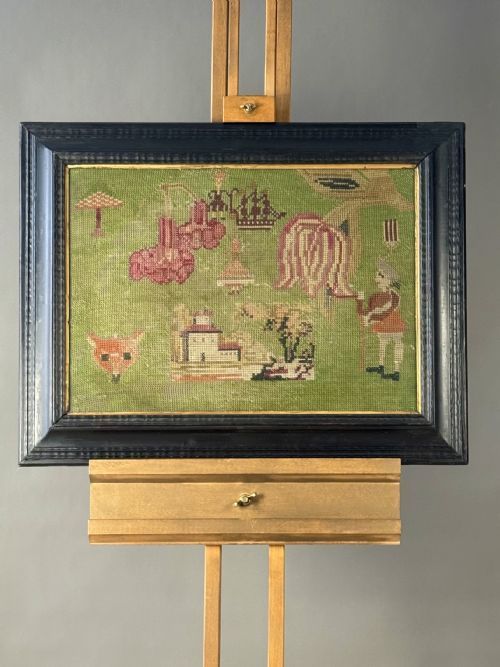
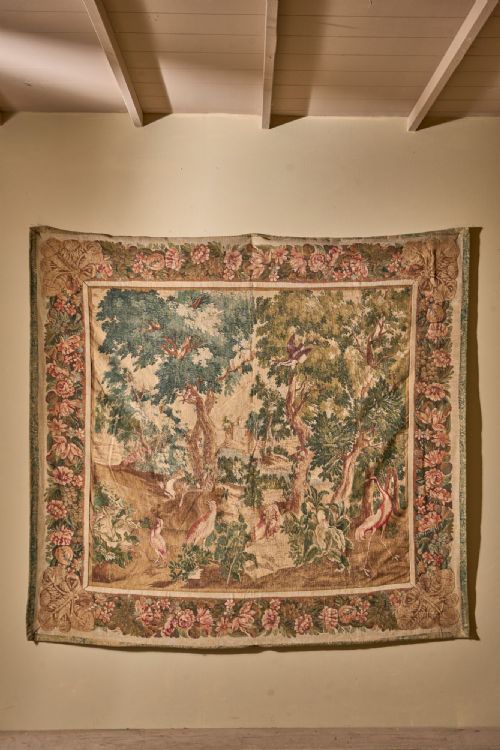
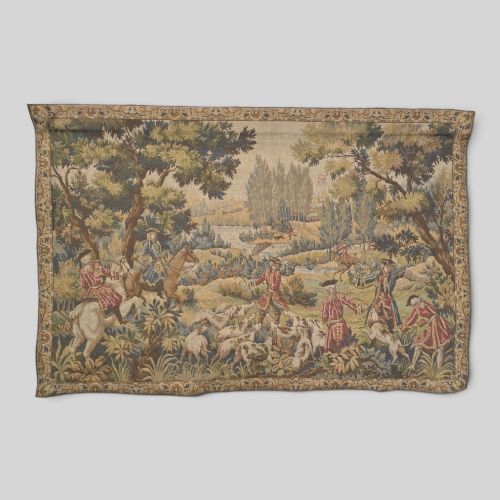
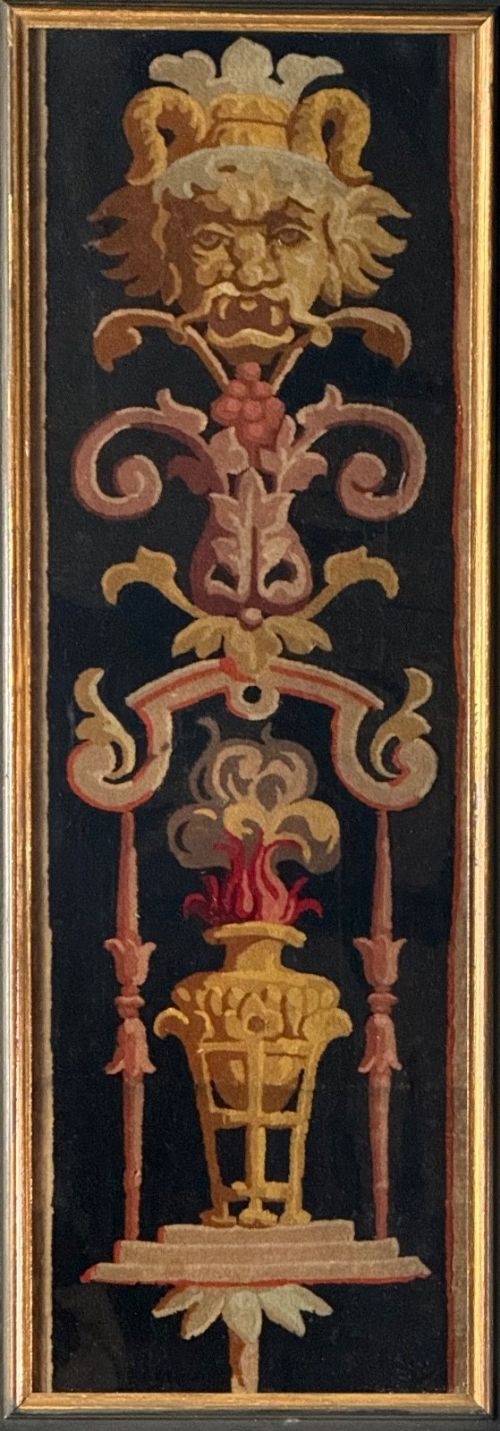
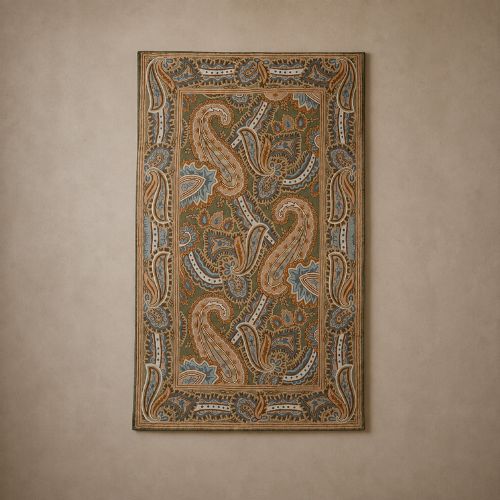
A wool tapestry panel encompasses historic textile art, wall hangings, and framed needlework originating from diverse European and tribal workshops. When exploring a wool tapestry panel, buyers encounter works ranging from seventeenth-century Flemish verdure fragments to nineteenth-century French pastoral scenes and Central Asian tribal trappings.
Originating across centuries spanning the sixteenth to the early twentieth, these textiles serve primarily as wall art or decorative furnishings. The surviving examples demonstrate domestic needlecraft alongside grand workshop weaving traditions.
How they were made
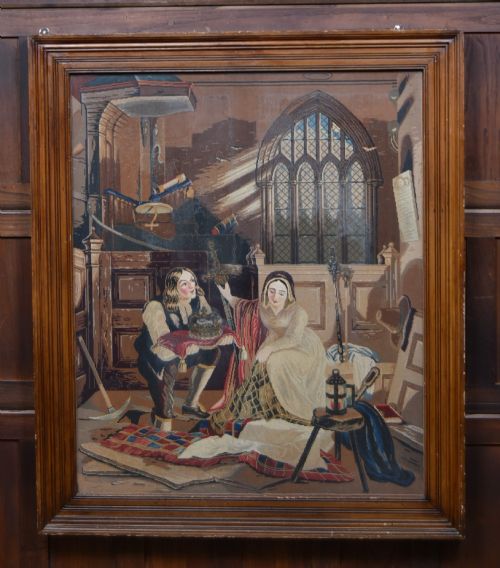
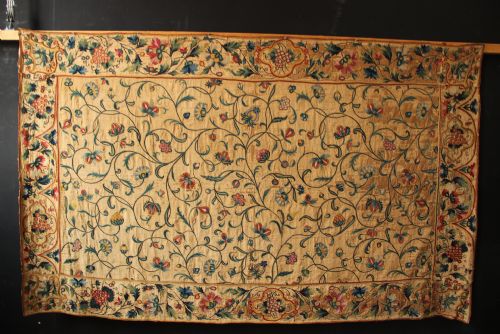
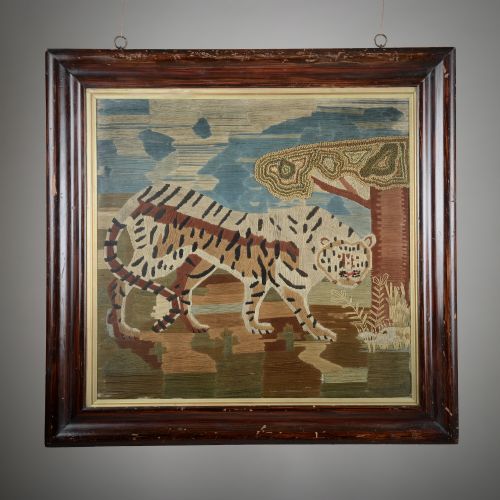
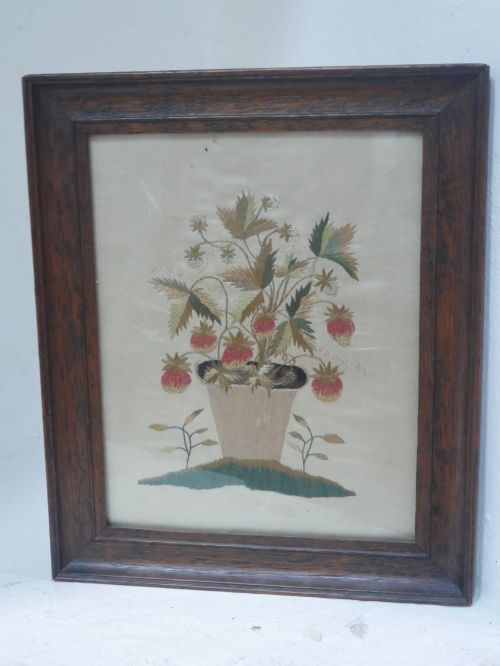
These works rely on combinations of wool, silk, linen, and cotton yarns worked onto canvas, felt, or wooden supports. Artisans employed complex needlework, gros-point, crewelwork, and flatweave techniques to build dense pictorial surfaces.
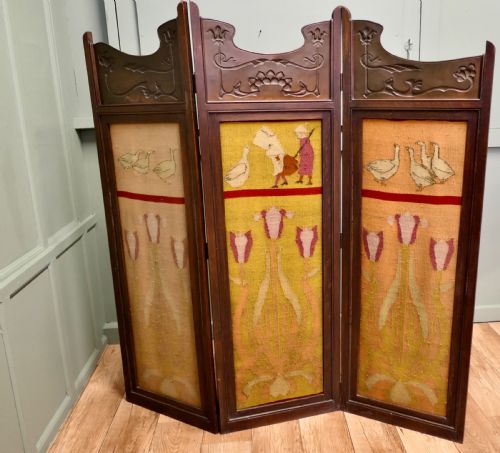
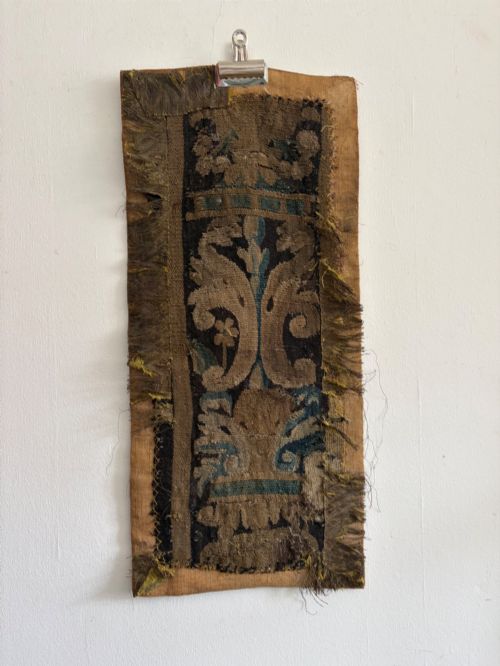
Many historical fragments are mounted carefully to linen backings for structural support, while others sit behind glass within wood or gilt frames. Tribal pieces utilise specialised flatweave and appliqué methods using wool and felt to create durable domestic items.
Wool Tapestry Panel Retail Price Guide 2026
Typical asking prices for wool tapestry panel among the pieces listed under this phrase on Sellingantiques today, from the lower quarter to the upper quarter. They describe what is for sale here now, not the wider market.
Listings feature wool, linen, and silk materials across centuries ranging from the 16th to the 20th.
What varies in quality
Quality rests in the fineness of the weave, the complexity of the pictorial design, and the survival of the original materials. Tightly worked needlepoint and well-preserved verdure foliage display superior chromatic depth and pictorial clarity.
The condition of the fibres and the presence of original framing or mounting significantly influence the integrity of the piece. Masterful workshops achieved greater shading and anatomical precision in figures and animals than simpler domestic makers.
The Wool Tapestry Panel Glossary
- Verdure tapestry
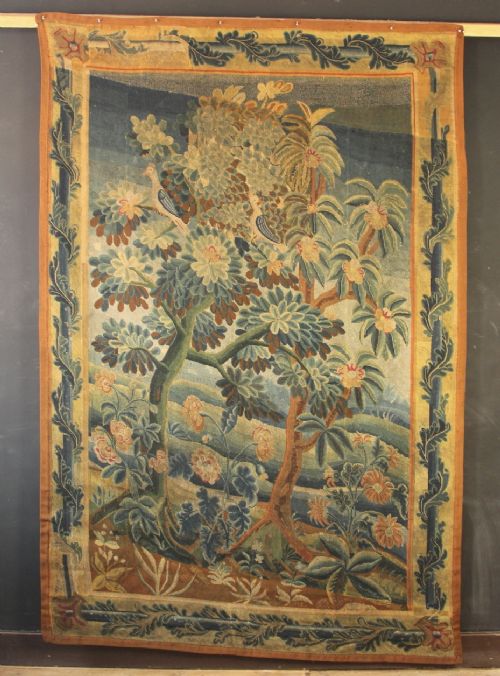
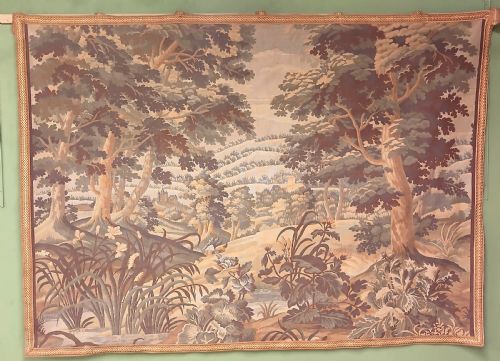
- A wall hanging dominated by stylised foliage, trees, and landscape scenery, often featuring birds or animals hidden among the leaves. These landscapes were popular in seventeenth and eighteenth-century European weaving centres.
- Crewelwork
- Embroidery executed with wool yarn on a linen or cotton ground using varied traditional stitches. This technique creates textured, organic designs typical of historic English textiles.
- Asmalyk
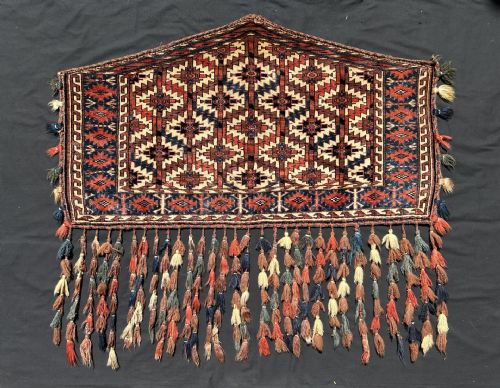
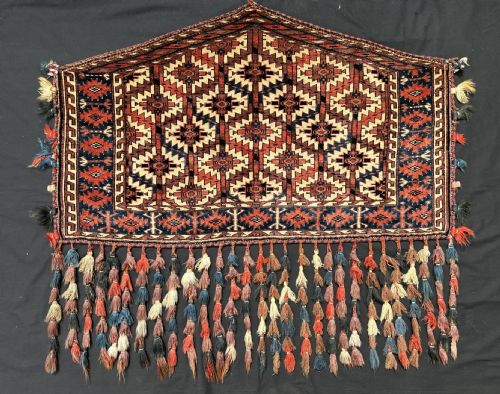
- A pentagonal trapping created by Turkmen tribes, used traditionally to decorate the flanks of a camel during wedding processions. They display rich geometric patterns woven in wool.
- Gros-point
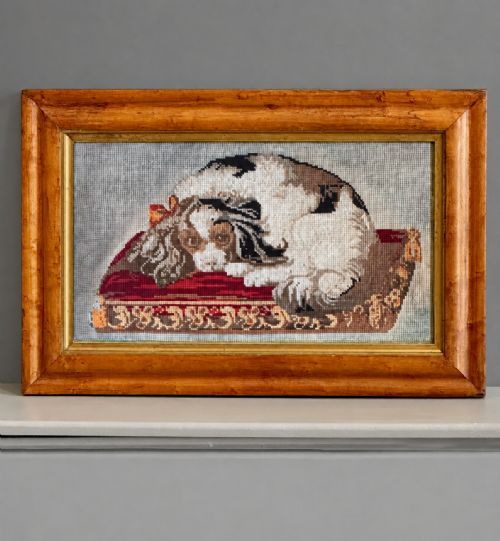
- A counted-thread embroidery stitch worked on canvas that produces a durable, textured surface with bold patterns. It appears frequently on nineteenth-century pictorial panels and furnishings.
- Berlin work
- A style of charted needlepoint popular in the nineteenth century that used brightly coloured wool yarns. It allowed makers to create detailed domestic pictures and portraits.
Wool Tapestry Panel: Frequently Asked Questions
How should I hang a heavy textile panel?
Heavy panels require even weight distribution, typically achieved by stitching a fabric sleeve to the reverse and sliding a concealed wooden batten through it. This method prevents stretching and secures the textile safely against the wall.
Avoid hanging antique wool panels in direct sunlight or damp spaces, as natural fibres are vulnerable to fading and moisture. Professional mounting onto conservation-grade linen offers additional protection for fragile historic fragments.
What is the difference between a verdure and a pastoral tapestry?
A verdure tapestry focuses primarily on lush botanical landscapes, trees, and woodland creatures with minimal human presence. They were designed to bring outdoor greenery into interior stone rooms.
Pastoral tapestries highlight human figures, shepherds, and romantic rustic narratives set within rural or architectural backgrounds. Both styles reflect the decorative priorities of seventeenth and eighteenth-century European weaving.
Are tribal panels different from European tapestries?
Tribal panels, such as Turkmen asmalyks or Persian embroideries, utilise distinct geometric symbolism, flatweave structures, and nomadic materials suited to functional household use. They serve as cultural markers of specific regional groups. Couture European tapestries and needlework panels lean towards pictorial realism, classical mythology, or botanical Verdure scenes intended for formal domestic display. Their construction methods and aesthetic aims reflect organised urban workshop traditions.