






Georgian Needlework Panel
A Georgian needlework panel is a textile art piece that brings authentic eighteenth-century stitchwork and domestic history into a room.
What a Georgian needlework panel is
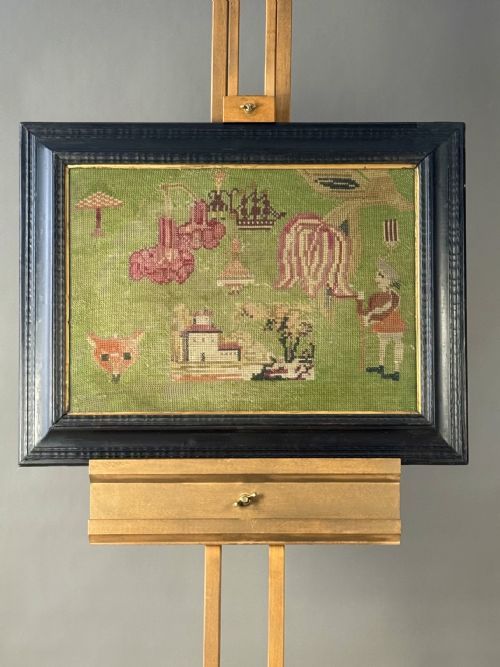
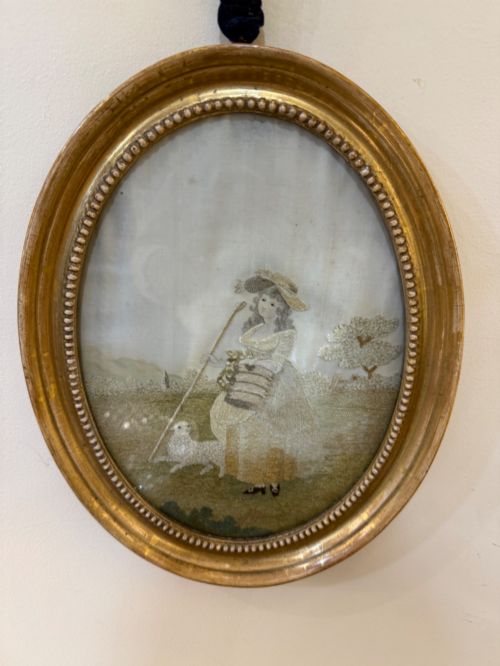
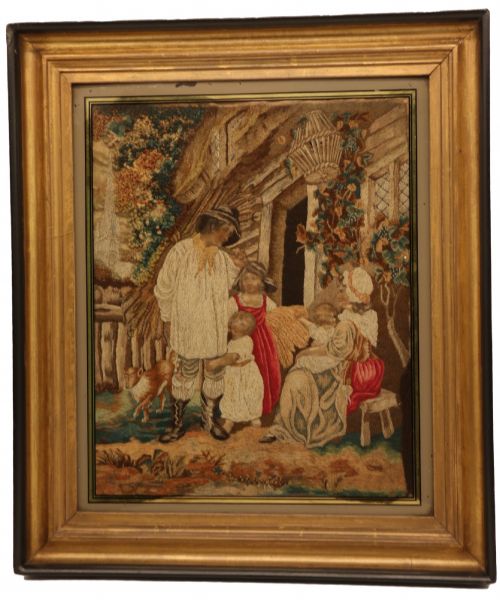
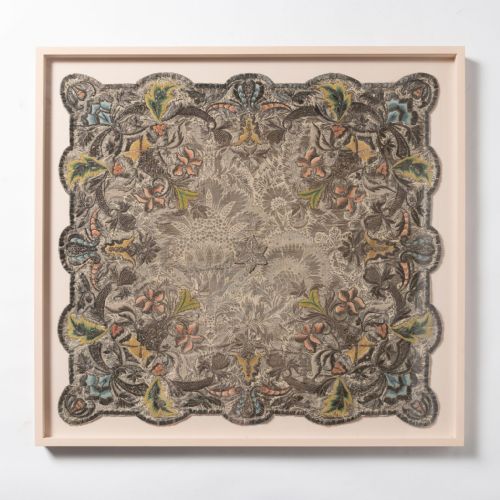
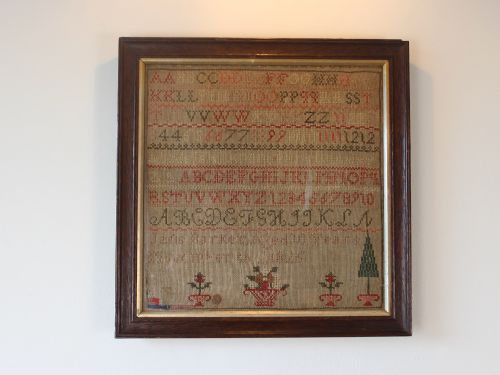
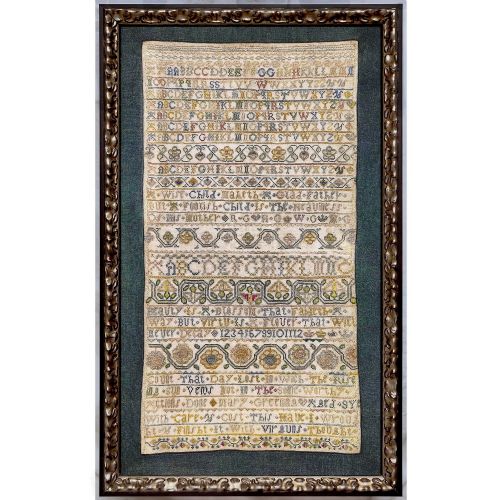
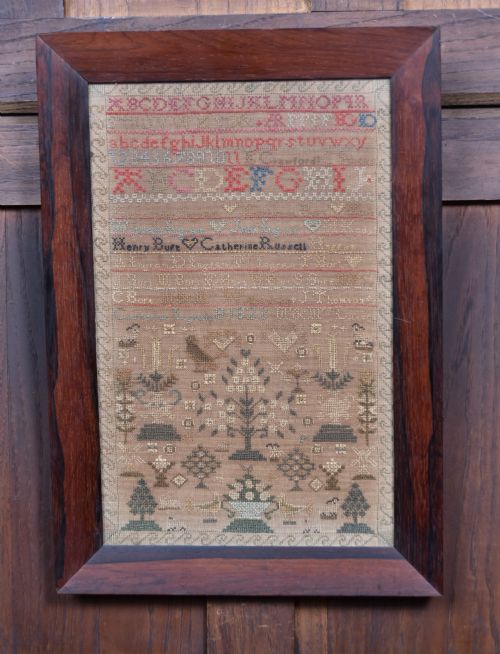
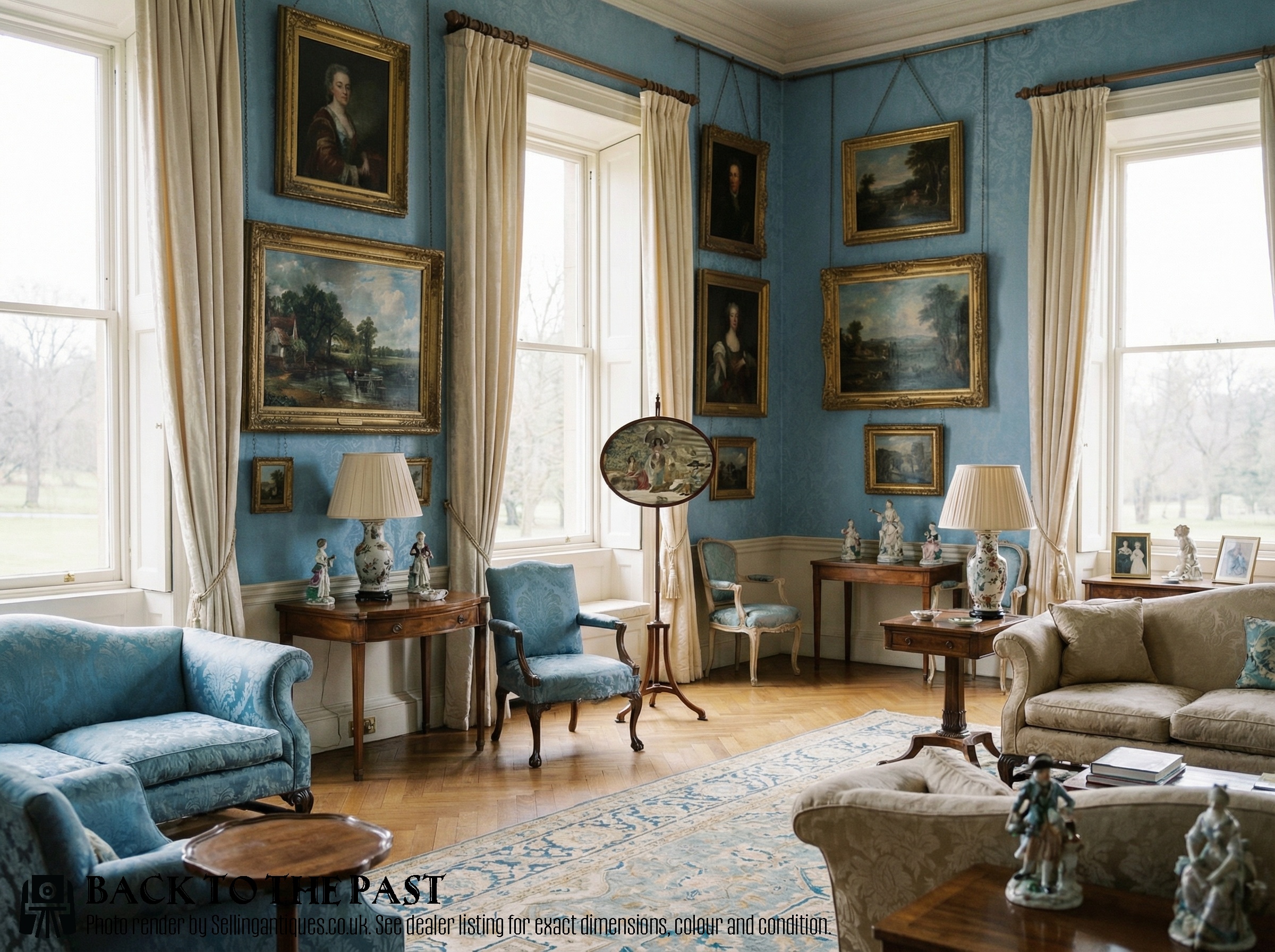
When you search for a Georgian needlework panel, you are looking at historical textile art from the eighteenth century. These pieces encompass sampler works, framed pictures, and textile panels mounted into functional furniture such as pole screens and fire screens.
The versions you are most likely to meet on this page originate from the Georgian and eighteenth-century periods, often framed within mahogany or satinwood furniture forms like Chippendale and George III Sheraton designs.
How they were made
Maker construction relies on natural textile materials including wool, silk, and linen canvas as the primary foundation for the hand-stitched imagery. Artisans worked needle and thread across these woven grounds to build pictorial scenes and decorative patterns.
Wooden frames and supports utilise timbers such as mahogany and satinwood, occasionally incorporating glass elements to protect the delicate textile surfaces mounted within pole screens and fire screens.
Retail Price Guide 2026
Typical UK retail prices for georgian needlework panel, calculated from the Sellingantiques database of over a million retail prices indexed since 2003. This retail price guide relies exclusively on Sellingantiques data; no external sources or auction records are used, so the figures do not describe the wider market.
Current listings demonstrate a combination of eighteenth-century textiles with mahogany and satinwood furniture forms.
What varies in quality
The distinction between standard examples and the top of the range lies in the fineness of the stitchwork and the preservation of the original fibres. Superior panels display complex pictorial detail and careful handling of wool and silk threads across the canvas ground.
Cabinetwork quality in the surrounding wooden frames, spanning Chippendale and George III Sheraton styles, elevates the overall piece. The integration of high-grade mahogany or satinwood with the textile art determines the sophistication of the completed fire screen.
The Georgian Needlework Panel Glossary
- Needlework Picture
- A decorative textile art panel created with thread on a canvas ground, designed to be framed and hung. These works capture eighteenth-century domestic scenes and botanical motifs.
- Pole Screen
- A vertical wooden stand holding an adjustable screen panel, originally positioned near a fireplace to protect a person's face from the heat. The screen typically encloses the textile panel.
- Chippendale
- An eighteenth-century English furniture style known for carved mahogany construction and sophisticated proportions. Pieces from this tradition frequently house textile work.
- George III
- The stylistic period spanning the reign of the third king of that name, encompassing refined cabinetmaking and classical restraint. Furniture of this era often incorporates satinwood and fine framing.
- Sampler
- A historical piece of needlework produced by an artisan to demonstrate skill in various stitches and patterns. These foundational works record traditional motifs.
Frequently Asked Questions
What is a needlework panel?
A needlework panel is a historic textile piece created using wool, silk, or linen on a canvas ground. These works survive from the eighteenth century as framed pictures or mounted components of household furnishings.
They record the domestic handiwork and artistic tastes of the period, offering a direct link to historical textile traditions.
How were fire screens used?
Fire screens served a practical purpose in eighteenth-century rooms by shielding individuals from the intense radiant heat of open coal fires. They stood near hearths with adjustable panels to protect the face.
Over time, these functional objects became decorative furniture pieces that displayed elaborate textile art within wooden frames.
What materials make up these panels?
The textile portions consist of natural fibres such as wool, silk, and linen canvas. Glass is occasionally present to shield the delicate stitched surface from dust and damage.
Supporting furniture structures utilise dense hardwoods including mahogany and satinwood, characteristic of eighteenth-century cabinetmaking.