




Blue Flemish Tapestry
Blue flemish tapestry pieces are large-scale woven wall hangings and decorative furnishings that bring historic narrative scenes and verdant landscapes into domestic interiors.
Blue Flemish Tapestry
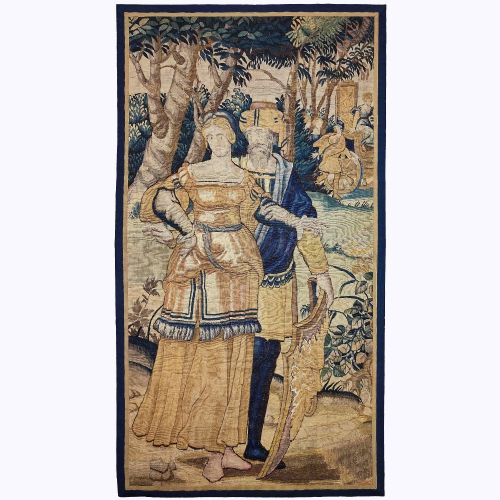
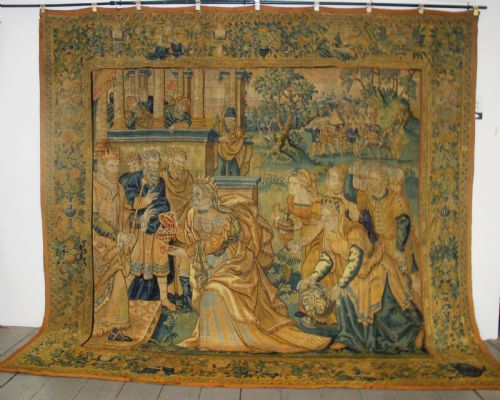
A blue flemish tapestry search covers grand wall hangings, verdure panels, folding screens, cushions, and textile fragments dating from the sixteenth, seventeenth, and eighteenth centuries. These historic woven works originate primarily from Flemish workshops, featuring distinct stylistic developments across the baroque and renaissance periods.
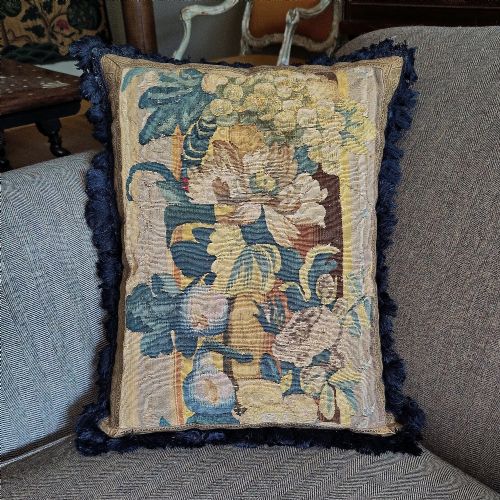
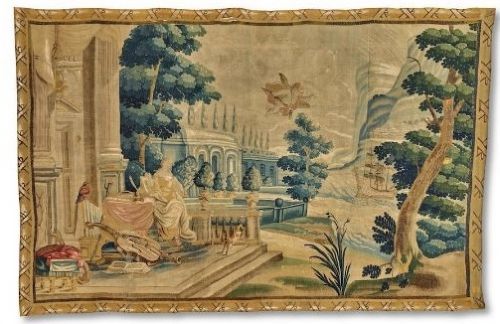
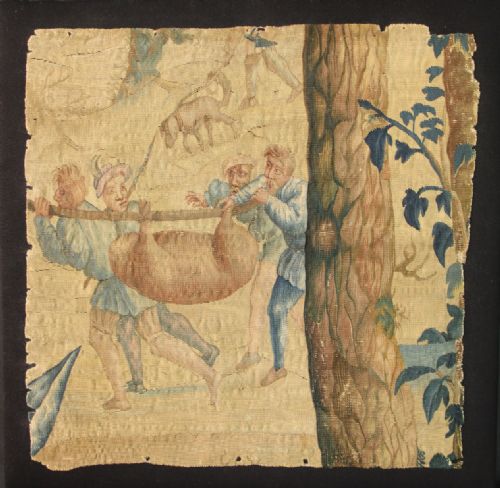
Buyers commonly encounter large mythological scenes, game park compositions, and lush foliage panels alongside smaller fragments repurposed into decorative cushions. The selection ranges from monumental grand scale wall textiles down to compact wall tapestries and framed panels.
Makers and weavers throughout Flanders produced these textiles using traditional hand-woven methods, resulting in surviving examples that retain deep historical character. The range extends from early sixteenth century panels through to later eighteenth century European interpretations.
Qualities of distinction
Quality separates through the intricacy of the woven narrative, the survival of the original colour palette, and the preservation of the delicate silk and wool threads. Pieces featuring dense verdure foliage or complex mythological figures demand greater technical skill in the loom work.
The overall scale and the integrity of the panel edges heavily influence the character of surviving fragments and full-size wall hangings. Intact borders and well-preserved pictorial focal points elevate the visual presence of seventeenth and eighteenth century examples.
Historic weavers occasionally hid whimsical birds and tiny beasts deep within the leafy shadows of verdure foliage.
The Blue Flemish Tapestry Glossary
- Verdure
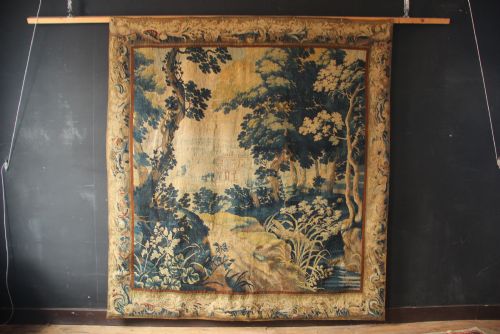
- A tapestry style dominated by lush foliage, trees, and landscapes rather than human figures. These botanical designs often incorporate woodland scenes and distant architecture.
- Flemish Baroque
- An artistic style originating in Flanders during the seventeenth century characterised by drama, rich detail, and dynamic movement. It heavily influenced the composition of large wall textiles.
- Tapestry Fragment
- A surviving portion of a larger historic wall hanging, often salvaged and mounted for modern display or repurposed into domestic items like cushions.
- Folding Screen
- A multi-panel freestanding piece of furniture incorporating textile panels within a wooden framework. These items served to divide interior spaces while displaying woven art.
- Audenaarde
- A historic Flemish centre of textile production known for weaving verdure and landscape tapestries. Pieces associated with this origin display distinct regional weaving traits.
Blue Flemish Tapestry: Frequently Asked Questions
How do I clean an antique tapestry?
Historic textiles require professional conservation rather than standard domestic cleaning methods. Gentle vacuuming through a mesh screen can remove surface dust.
Avoid moisture, direct sunlight, and chemical agents to protect fragile wool and silk fibres.
What is the difference between verdure and mythological tapestries?
Verdure tapestries focus on dense botanical landscapes, foliage, and garden scenes. Mythological panels depict narrative stories featuring gods and historic figures from classical tales.
Both styles utilise similar wool and silk weaving techniques from the same centuries.
How are tapestry fragments used in interiors?
Fragments are often mounted as framed wall art or sewn into decorative cushion covers. This allows smaller surviving sections of historic textiles to find practical use in modern rooms.
Their varied scale suits placement on sofas or accent walls.