
Antique Woven Wall Hanging
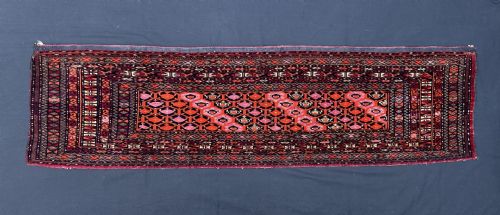
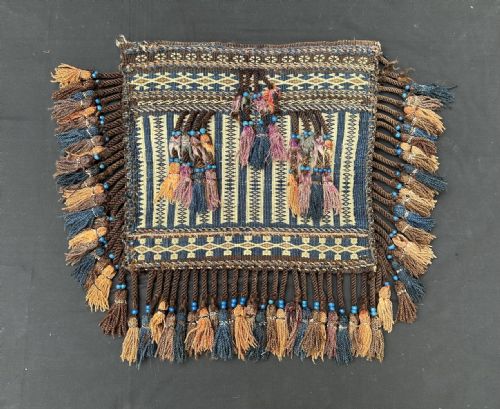
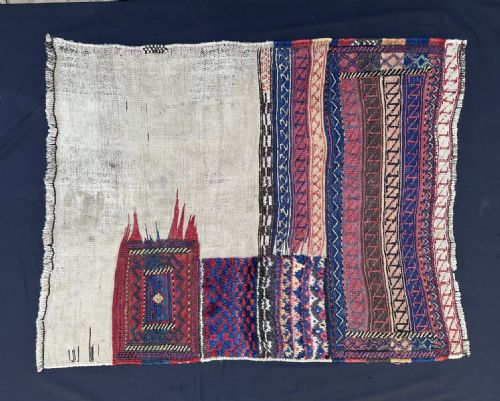
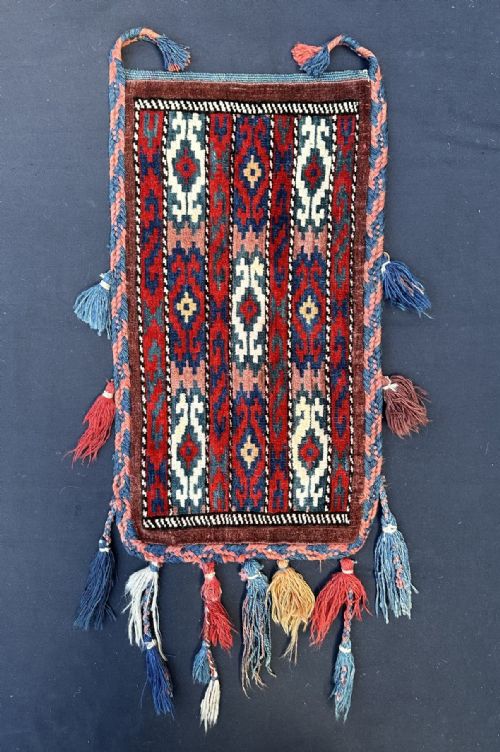
These textile fragments and nomadic trappings, collected together as an antique woven wall hanging, bring the rich textures of Persian, Turkmen, and European workshops straight into your interior.
Antique Woven Wall Hanging
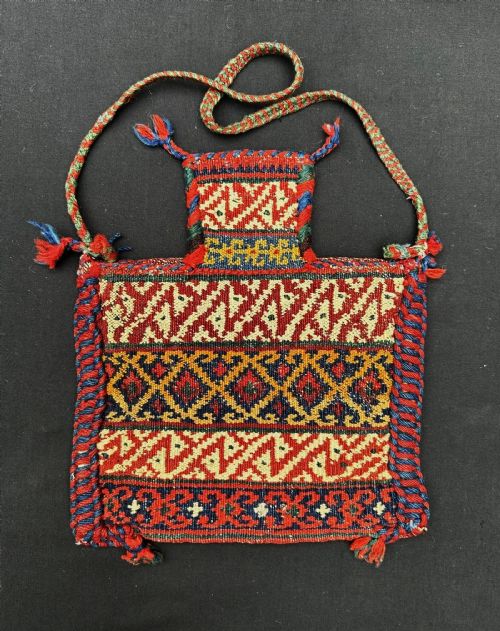
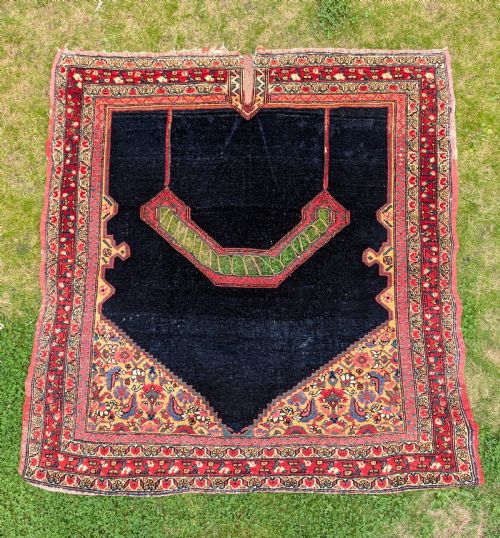
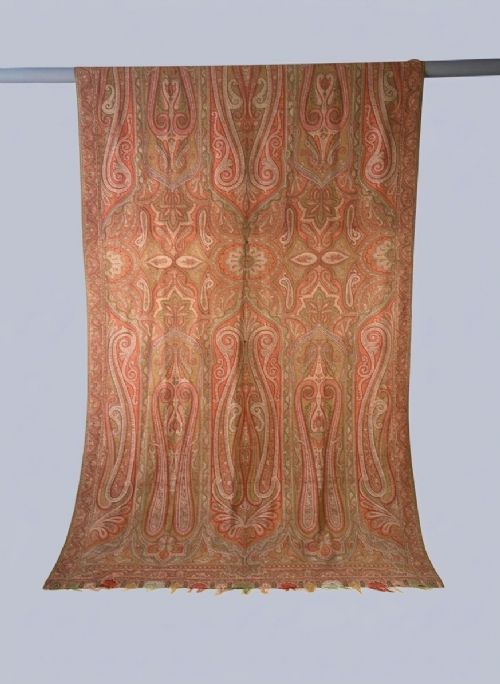
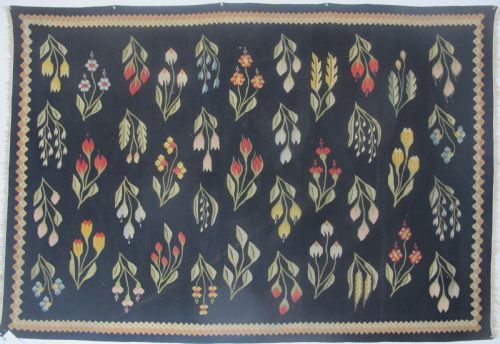
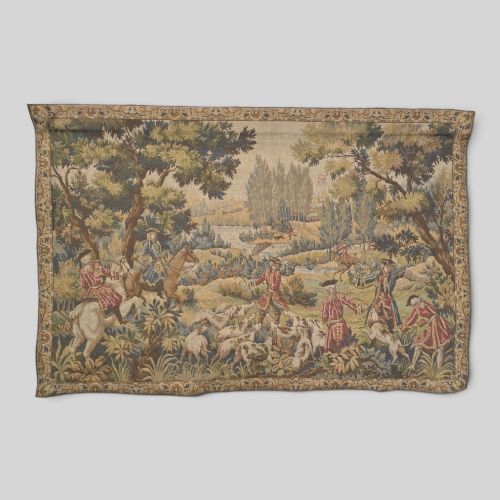
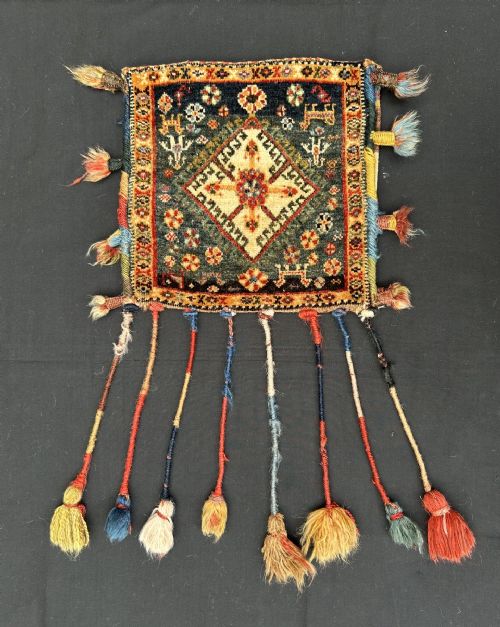
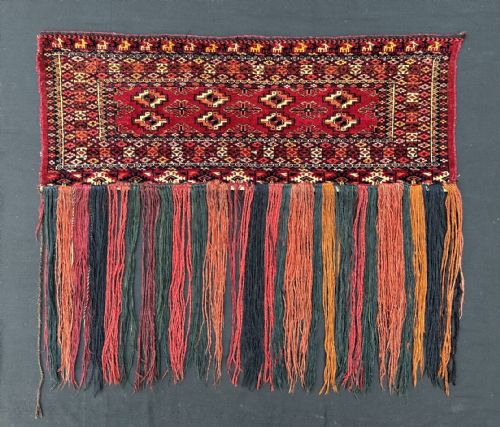
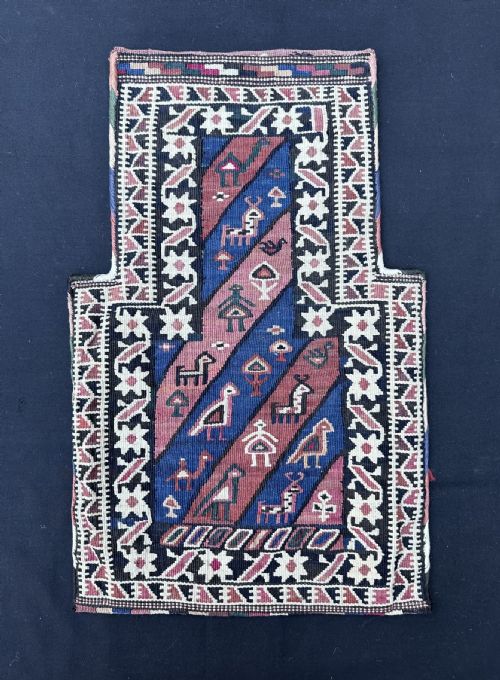
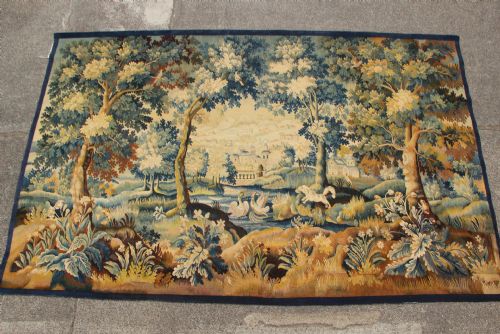
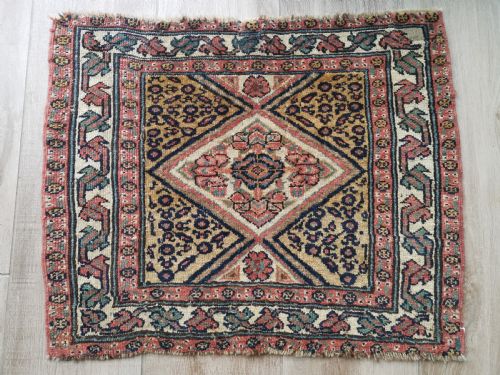
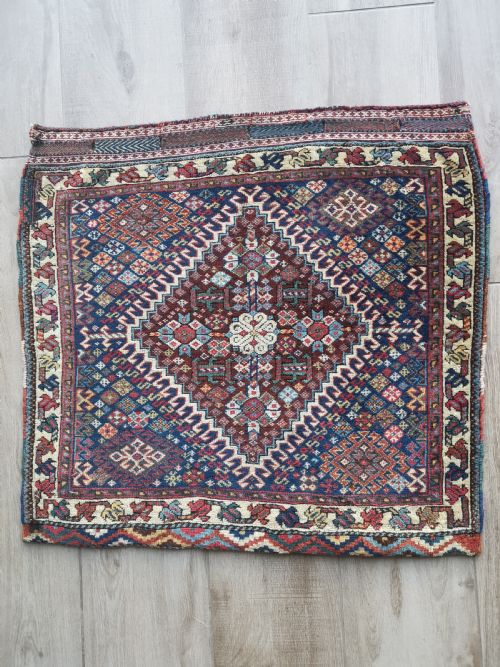
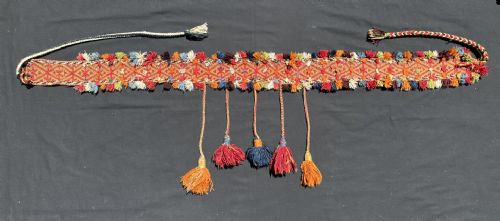
When searching for an antique woven wall hanging, you encounter a diverse array of nomadic bags, horse covers, saddle rugs, and European verdure tapestries originating from the nineteenth and early twentieth centuries.
The selections span tribal regions across Persia, Central Asia, and Afghanistan, alongside formal European outputs from French and Flemish weaving centres.
Many items begin their domestic life as functional utilitarian objects - such as salt-bags, spindle-bags, and animal trappings - before finding a second life mounted on a wall for display.
How they were made
The nomadic pieces rely heavily on hand-spun wool and cotton foundations, often dyed using natural organic sources to achieve deep, lasting shades.
European tapestries utilise complex weft-faced weaving techniques on upright or horizontal looms, combining wool and silk threads to build dense pictorial surfaces.
Antique Woven Wall Hanging Retail Price Guide 2026
Typical asking prices for woven wall hanging among the pieces listed under this phrase on Sellingantiques today, from the lower quarter to the upper quarter. They describe what is for sale here now, not the wider market.
Nomadic weavers frequently included intentional small design irregularities in their rugs to ward off the evil eye.
What varies in quality
Quality rests primarily in the fineness of the weave, the clarity of the design motifs, and the integrity of the natural dyes used during production.
The survival of original details, such as tassels, selvedges, and uncompromised structural wool, distinguishes exceptional examples from heavily worn specimens.
The Antique Woven Wall Hanging Glossary
- Verdure tapestry
- A European wall hanging featuring a stylized landscape or woodland scene filled with foliage, trees, and occasional animals. These pieces frequently date back centuries and employ subtle green and earth tones.
- Asmalyk
- A pentagonal trapping produced by Turkmen tribes, traditionally hung on the flank of a camel during wedding processions. They exhibit geometric motifs and deep red wool fields.
- Bagface
- The decorated front panel of a nomadic storage sack, separated from its plain backing for display as a flat textile. These panels showcase the intricate weaving traditions of specific tribal confederacies.
- Mille-fleurs
- A French term meaning thousand flowers, describing a background composed of many small, distinct plants and blossoms. This style appears on medieval and later tapestry fragments.
- Kelim
- A flat-woven textile produced without a pile, resulting in a lightweight structure suitable for hanging. They rely on slit-taperting techniques to create sharp geometric patterns.
Antique Woven Wall Hanging: Frequently Asked Questions
How do I hang a heavy textile safely?
Mounting heavy woollen pieces requires distributing the weight evenly across the top edge rather than piercing the fabric with isolated fixings. A professional framer or conservator can attach a hidden fabric sleeve or velcro strip system to secure the textile flat against a wall.
Direct exposure to bright sunlight should be avoided to prevent natural dyes from fading over time. Periodic gentle rotation keeps the environmental exposure balanced across the surface of the hanging.
Were these always intended as wall art?
Most tribal examples served practical functions within nomadic camps, acting as saddle covers, storage bags, or animal decorations for ceremonies and daily transit. Their conversion into decorative wall hangings is a modern method of preservation and interior display.
European tapestries, conversely, were woven specifically as architectural insulation and status decoration for large stone rooms. Both categories now function successfully as acoustic dampening and visual focal points in modern homes.
How can I tell tribal pieces apart?
Tribal attribution relies on specific colour palettes, structural wool characteristics, and repetitive geometric border motifs associated with particular regions. For instance, pieces from the Baluch or Qashqa'i groups use distinct palettes and knotting structures that differ from Turkmen weaving traditions.
Examining the reverse side often reveals structural clues about the loom type and spinning methods employed by the makers. Comparing edge finishes and secondary wool colours helps narrow down the specific nomadic group.
How do I clean an antique textile?
Routine maintenance involves gentle surface vacuuming through a mesh screen on a low suction setting to remove dust without pulling loose fibres. Professional textile conservators should handle any deep cleaning or stain removal to avoid damaging fragile historic wool and natural dyes.
Water washing can cause historic dyes to bleed or weaken degraded cotton foundations. Expert assessment ensures the structural integrity remains protected during any intervention.