


Antique Persian Textile
An antique persian textile brings tribal history and complex patterns into a room, offering woven bags, covers, and embroideries made by nomadic hands.
Antique Persian Textile
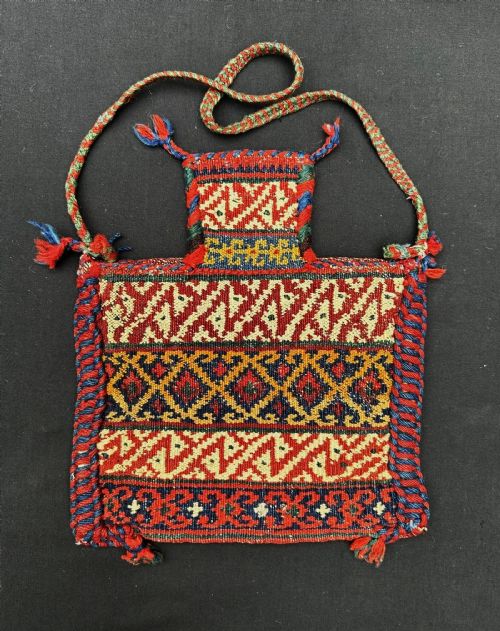
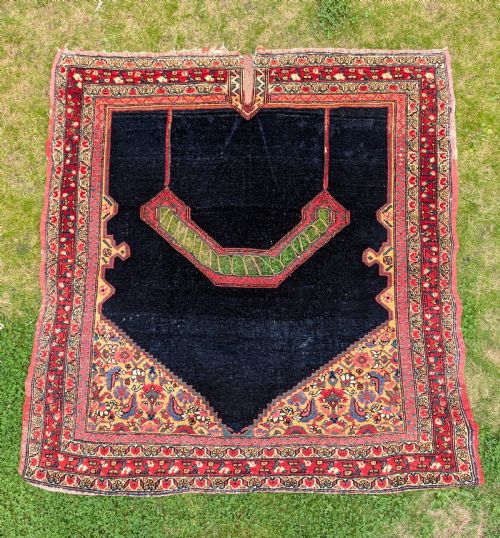
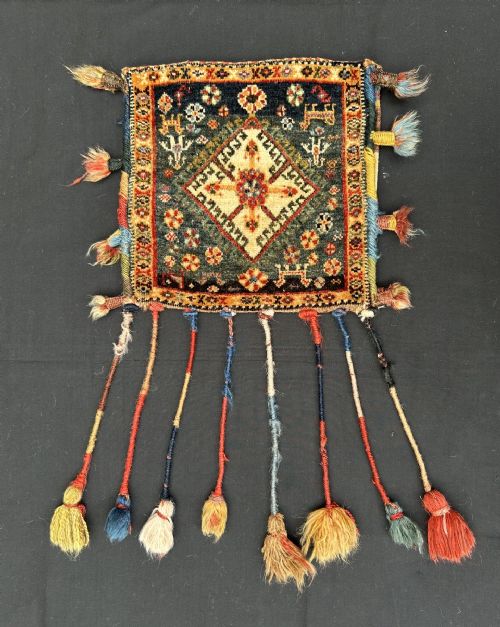
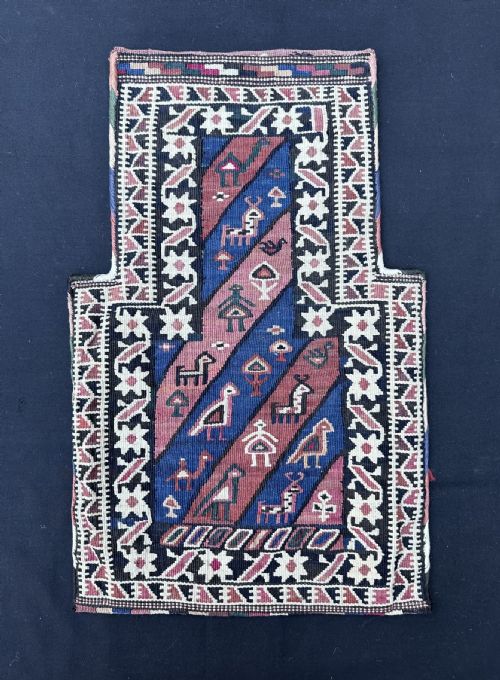
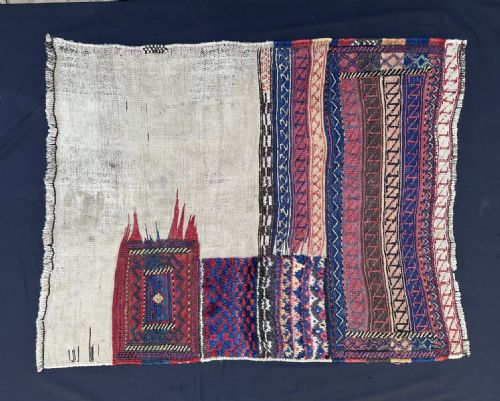
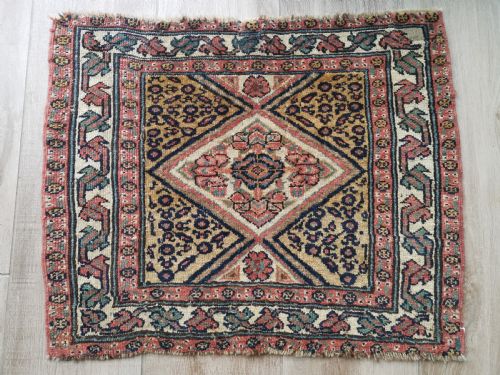
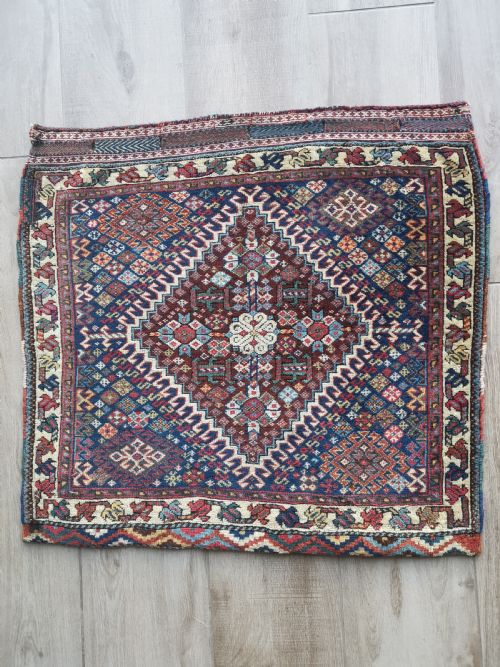
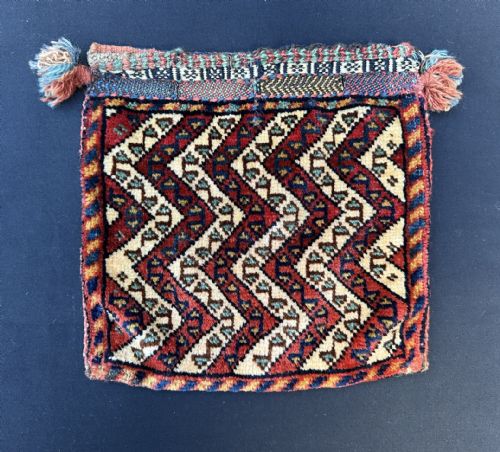
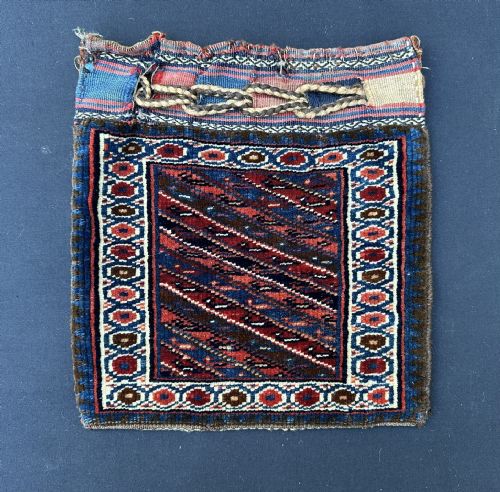
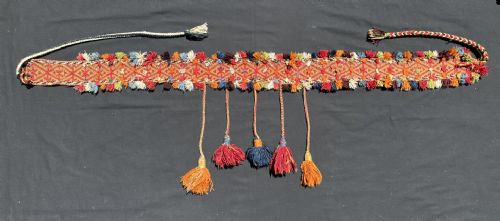
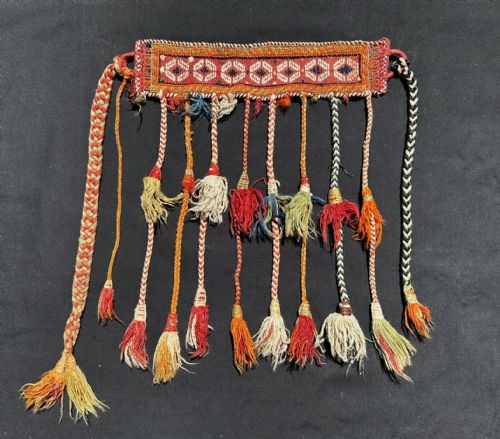
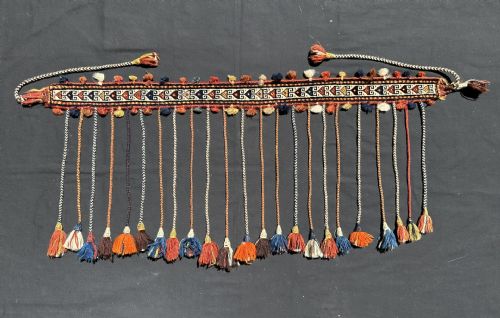
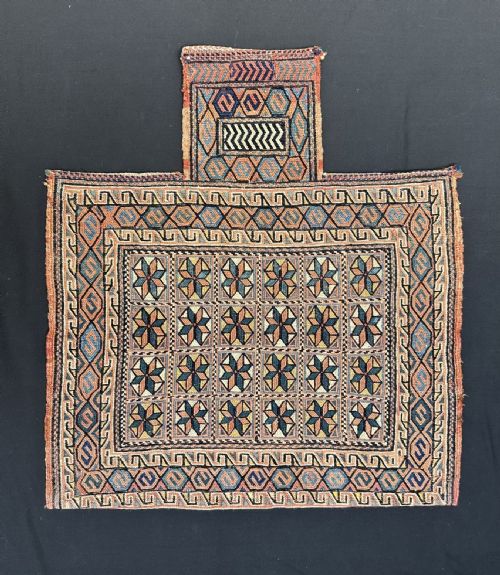
When you examine an antique persian textile, you look at items created by nomadic and village makers across regions such as Fars, Kerman, and Khorassan. These functional objects range from small saddle bags and salt bags to dining sofreh and animal trappings.
The selections encountered here frequently span the nineteenth and early twentieth centuries, representing tribal groups including the Qashqai, Afshar, Baluch, and Shahsavan. Each piece reflects the specific utilitarian needs and regional aesthetic traditions of its maker.
How they were made
The makers relied primarily on hand-spun wool and cotton, combining them with natural dyes to create durable surfaces for daily nomadic life. Certain embroideries utilise silk thread worked onto wool felt backgrounds.
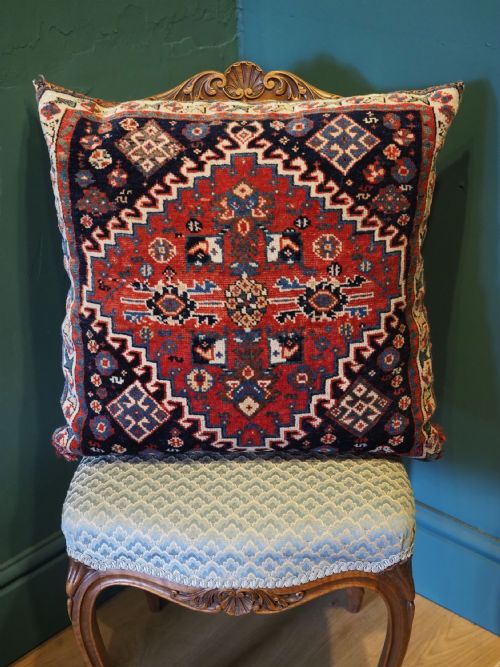
Weaving techniques incorporate pile knotting, flat-weave methods, and intricate needlework to construct utilitarian items like horse decorations, bread sofreh, and cushion covers.
Antique Persian Textile Retail Price Guide 2026
Typical asking prices for persian textile among the pieces listed under this phrase on Sellingantiques today, from the lower quarter to the upper quarter. They describe what is for sale here now, not the wider market.
The listings show items originating from diverse regions including Fars, Kerman, Khorassan, and Azerbaijan, made by tribal groups such as the Qashqai, Afshar, and Shahsavan.
What varies in quality
The standard of an antique persian textile depends on the tightness of the weave, the precision of the tribal motifs, and the depth of the natural dyes. Superior examples display careful handling of complex geometric or floral medallions.
Condition also plays a part, where intact structures on utilitarian bags and minimal loss to the original borders distinguish finer survivals from heavily worn domestic items.
The Antique Persian Textile Glossary
- Sofreh
- A spread or cloth used for dining or for resting dough during bread-making. These woven flat-weaves often feature striking geometric fields.
- Khorjin
- A pair of saddle bags designed for transport on animals during nomadic migrations. They frequently display intricate face designs intended to show tribal identity.
- Chanteh
- A small vanity bag or personal pouch woven by tribal groups. Collectors prize them for their concentrated miniature designs.
- Sumac
- A supplementary weft-wrapping technique that produces a durable, textured surface without pile. It appears frequently on panels and storage pieces.
- Rasht embroidery
- A needlework technique originating in northern Persia where coloured silk is applied to a wool felt ground in swirling patterns.
Antique Persian Textile: Frequently Asked Questions
How were these textiles used?
Nomadic weavers created these pieces for practical daily tasks, including storing salt, carrying personal items, or preparing bread. Saddle bags transported goods during seasonal migrations.
Other items served as horse decorations, floor coverings, or dining spreads within tribal tents. Each form fulfilled a specific domestic or transport function.
How do I care for an antique textile?
Keep these pieces away from direct sunlight to prevent natural dyes from fading over time. Gentle vacuuming through a mesh screen helps remove dust without pulling fibres.
Avoid hanging heavy bags by their loops, as the old wool and cotton can stretch under their own weight. Professional textile cleaning is recommended when necessary.
How do I identify tribal origins?
Tribal attribution relies on specific structural traits, border patterns, and colour palettes associated with groups like the Qashqai or Afshar. Regional weaving centres and specific sub-tribes often leave distinct signatures in their layouts.
Examining the materials, such as hand-spun wool or specific red felt grounds, helps narrow down the geographical source within Persia.
What is the difference between a bagface and a complete bag?
A bagface is the decorative front portion of a larger storage sack that has been separated from its plain plain-weave back. These are often displayed as wall hangings or small rugs.
A complete bag retains both sides and the connecting webbing, preserving the original functional object as the maker intended it for transport.