

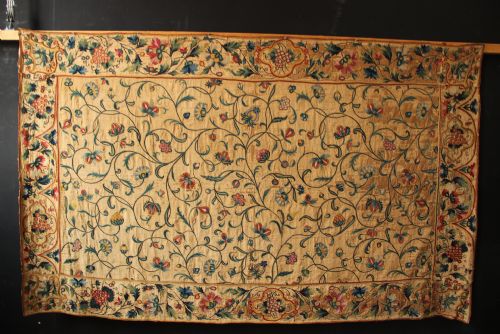
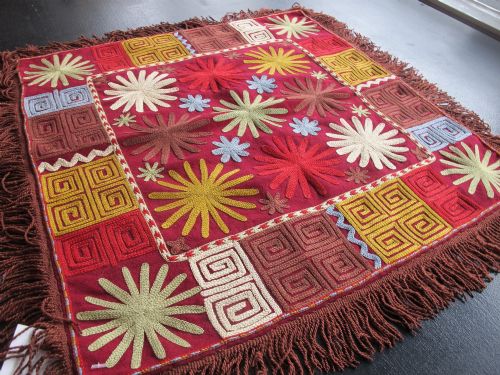
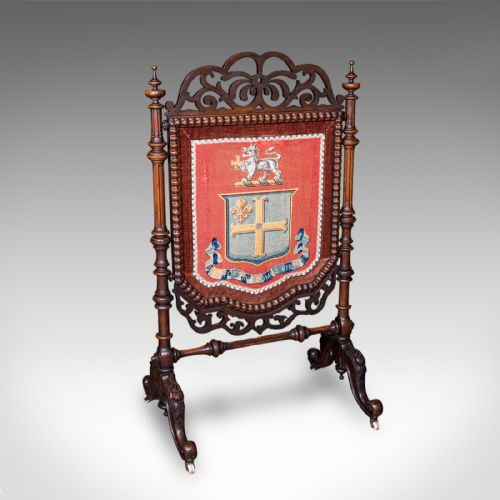
Antique Embroidered Panel
An antique embroidered panel brings centuries of handwork into a modern room, offering rich texture and narrative depth through silk, wool, and thread.
What these pieces are
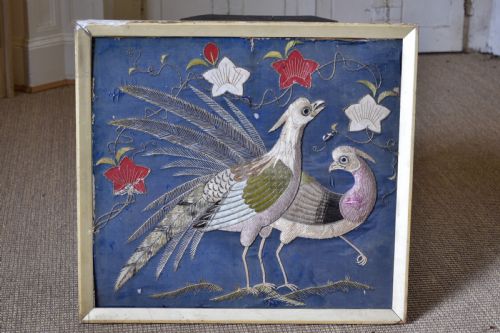
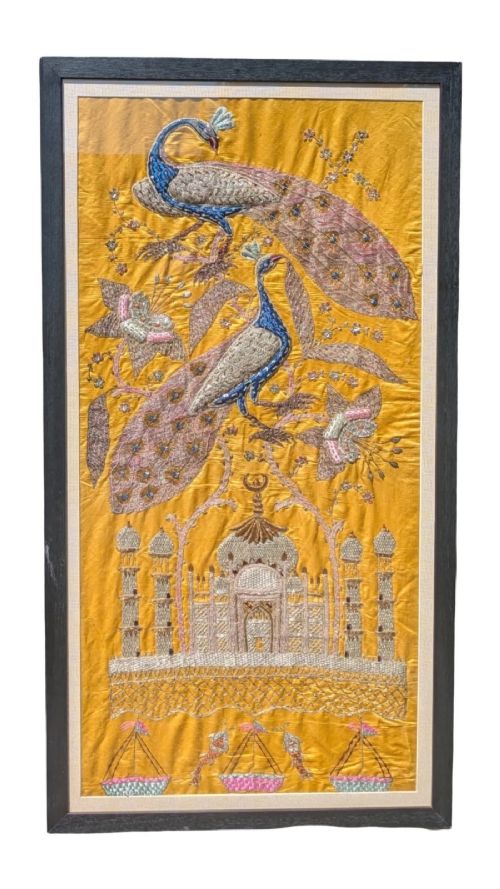
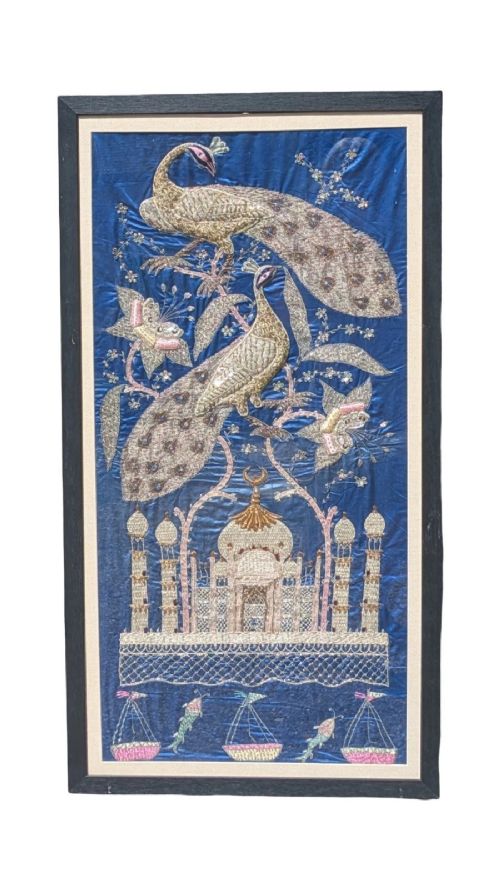
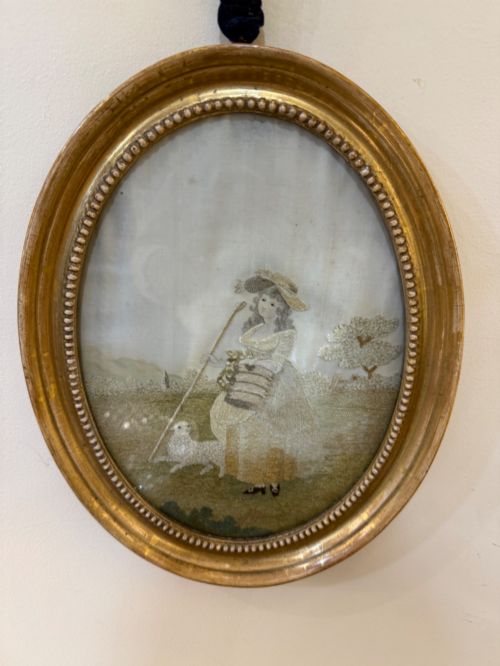
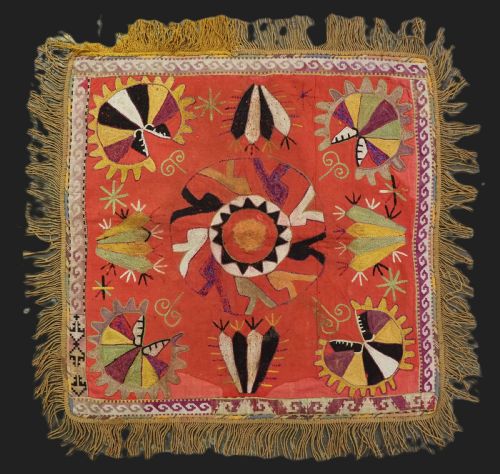
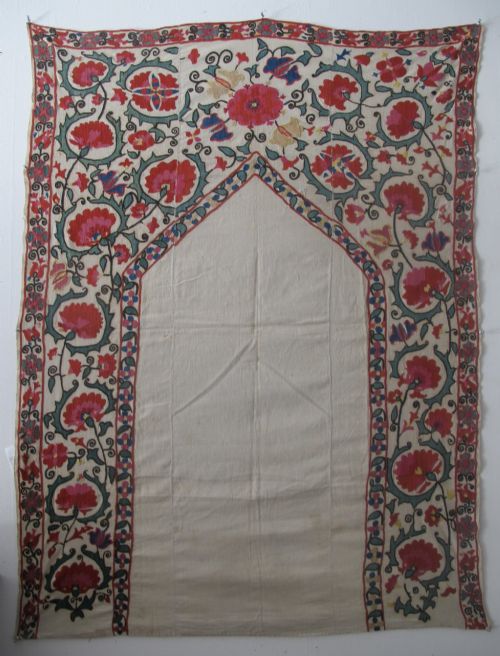
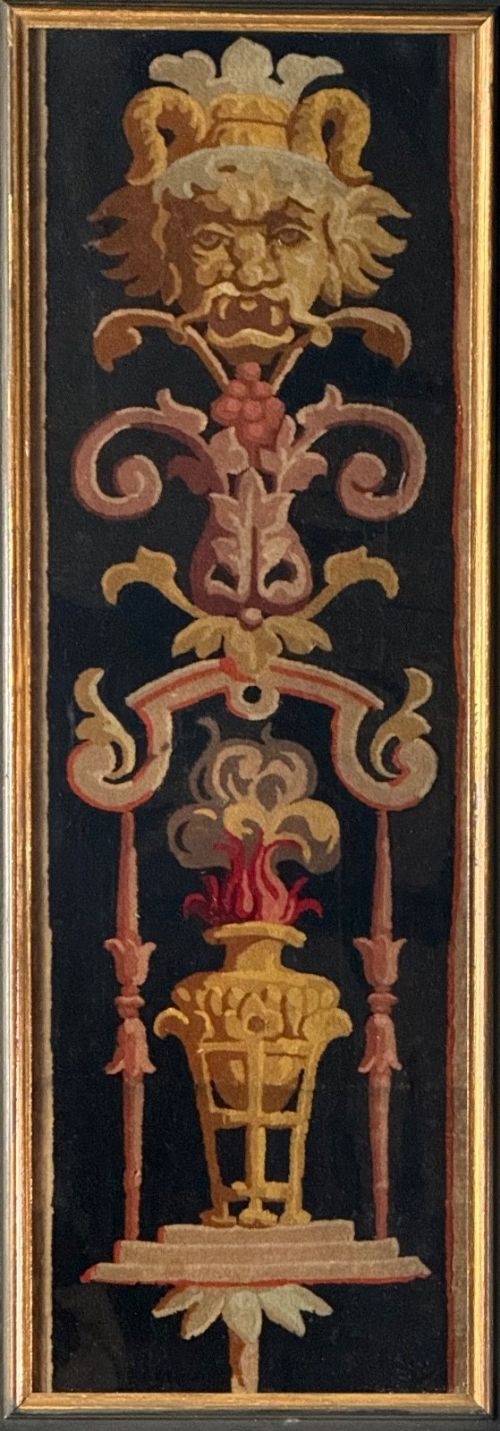
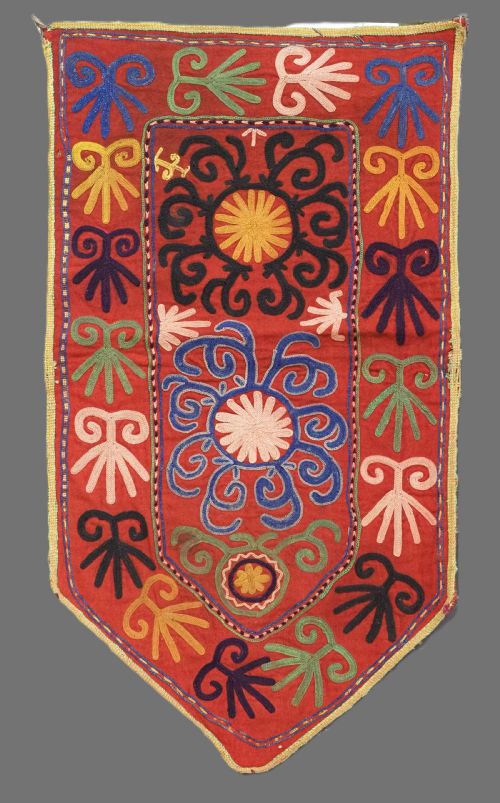
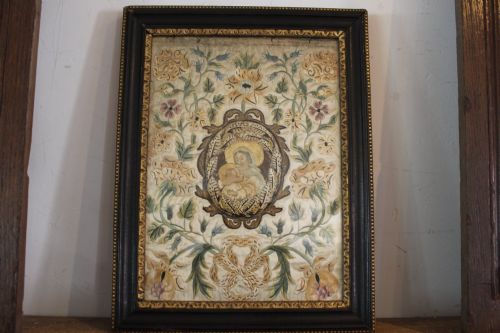
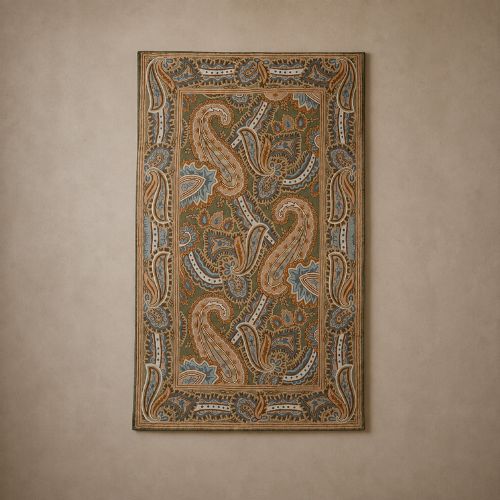
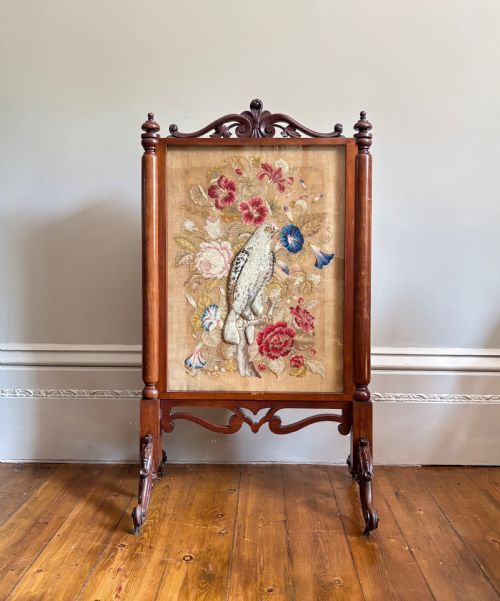
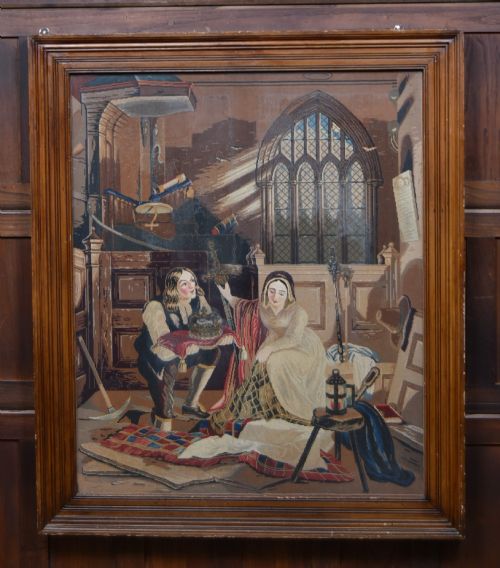
An antique embroidered panel encompasses framed textile art, needlework pictures, and decorative fragments spanning several centuries of global needlecraft. You encounter works originating from English workshops, Anglo-Indian commissions, Qajar Persia, and Victorian drawing rooms, alongside pieces from China and Japan. These textiles often survive mounted inside wooden frames behind glass, preserving delicate threads and fabrics from atmospheric wear.
The English examples lean towards 17th-century Stuart needlework and Georgian compositions, while Asian additions bring vibrant silk threads and metallic accents on felt or velvet grounds. Victorian interpretations frequently revive earlier decorative styles, blending varied stitching techniques into cohesive figurative or landscape scenes. Most listings present these textiles ready to hang, bridging domestic craft and fine art.
How they were made
Maker execution relies on foundational grounds of linen, cotton, wool, silk, or velvet, worked with fine thread, wool, and occasionally gold thread or glass beads. Artisans stitched intricate pictorial or geometric narratives directly onto the supportive fabric using specialised needlepoint and embroidery techniques.
Finished textiles frequently found secondary utility within protective wooden frames, or in specific instances, adorned functional objects like tea caddies. The combination of dense threadwork on stable backing materials accounts for the remarkable survival of these fragile surfaces across hundreds of years.
Retail Price Guide 2026
Typical UK retail prices for embroidered panel, calculated from the Sellingantiques database of over a million retail prices indexed since 2003. This retail price guide relies exclusively on Sellingantiques data; no external sources or auction records are used, so the figures do not describe the wider market.
A royal hunting scene rendered entirely in tiny glass beads proves that Tudor and Stuart royalty were not the only ones who appreciated a glittering chase.
What varies in quality
Excellence in an antique embroidered panel rests upon the intricacy of the stitch work and the complexity of the rendered scene, whether depicting a royal hunting episode or a formal floral medallion. Finer works display meticulous tension and subtle colour shading in silk and wool, whereas lesser examples rely on repetitive motifs and looser handling.
The preservation of the ground material - be it green velvet, red felt, or pale linen - heavily influences desirability, alongside the integrity of any original framing. Pieces retaining their vibrant metallic thread or original glass beadwork demonstrate superior material survival from their respective period.
The Antique Embroidered Panel Glossary
- Needlepoint
- A type of canvas work where yarn or thread is stitched through a stiff open-weave canvas to cover the ground entirely. This technique provides the rigid structure seen in many historical tapestries and pictorial panels.
- Stuart
- A design aesthetic spanning the 17th century in England, frequently characterised by stumpwork, raised embroidery, and biblical or royal figures. These works often incorporate elaborate padding and seed pearls.
- Qajar
- Pertaining to the Iranian dynasty ruling from the late 18th to early 20th century, known for distinctive textile arts utilising silk on felt grounds. Rasht embroidery is a prominent regional subtype.
- Beadwork
- The application of small glass beads to a textile ground to create shimmering pictorial or geometric designs. Fragments using this method often depict royal or allegorical scenes.
- Ground
- The foundational fabric - such as silk, velvet, cotton, or linen - upon which the primary embroidery or needlework is executed. The choice of ground defines the visual weight of the panel.
Frequently Asked Questions
How are antique panels framed?
Most panels are mounted behind glass within wooden frames to protect fragile silk and wool threads from dust and handling. This protective housing preserves the tension of the textile while allowing clear viewing of the stitch work.
Displaying them away from direct sunlight prevents the fading of natural dyes found in older wool and silk threads.
Where were these panels made?
The evidence points to diverse origins, including English workshops, China, Japan, Persia, and India. Each region contributed distinct motifs, from Qajar star medallions to English needlework pictures.
Makers utilised locally available grounds like felt, velvet, or linen, applying regional stitching methods that distinguish an English piece from an Asian export.
How do I date a panel?
Dating relies on stylistic clues, material choices, and subject matter, ranging from 17th-century Stuart motifs to Victorian revivals and 1900s Asian exports. Anglo-Indian and Persian pieces often carry specific regional markers typical of their era.
Examining the reverse of the panel and the type of framing can provide additional context regarding its age and history.
Can panels be cleaned?
Surface dust is best managed with gentle, indirect methods, as older threads and grounds become brittle over centuries. Professional textile conservators should handle any significant cleaning to prevent structural damage.
Keeping the framed textile in a stable environment with moderate humidity protects the delicate silk and wool fibres from degradation.