


Navy Persian Rug
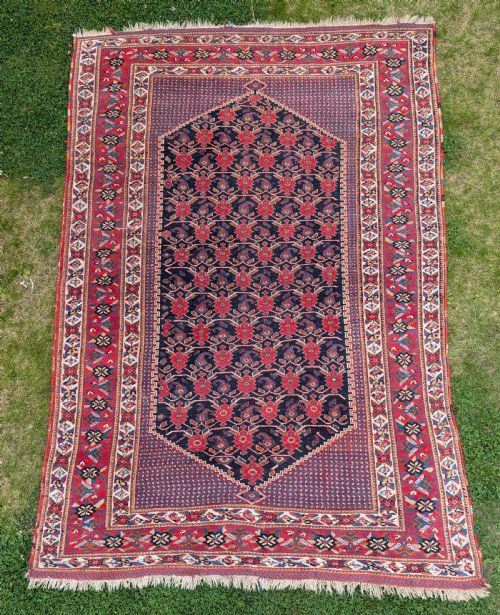
A navy persian rug grounds a room with deep indigo wool and centuries of knotting heritage, offering the durability every serious home demands.
Navy Persian Rug
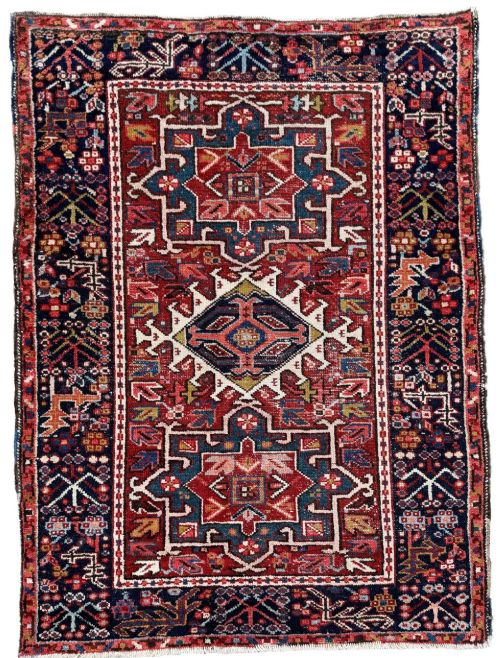
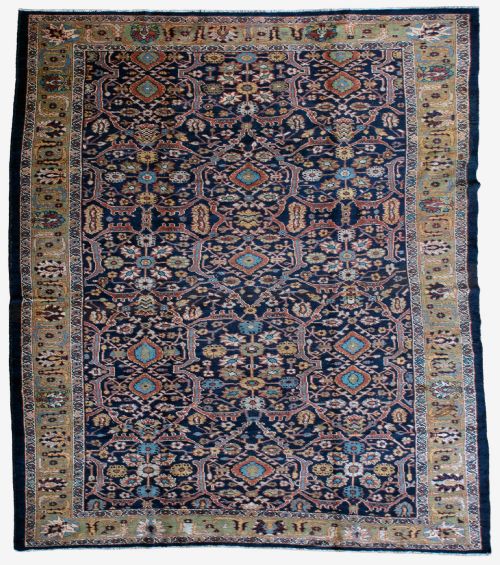
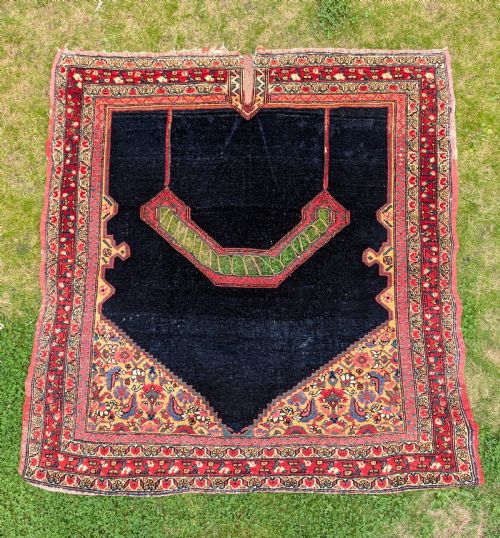
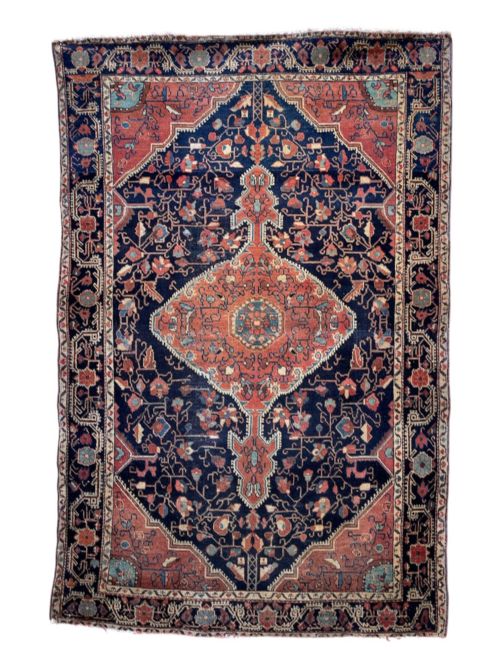
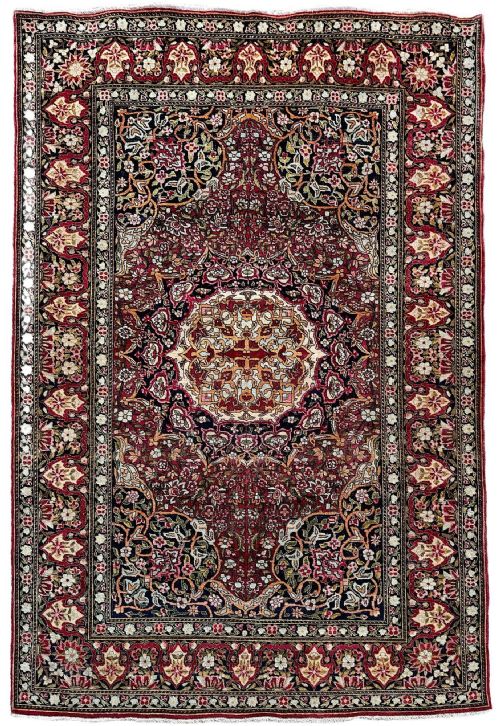
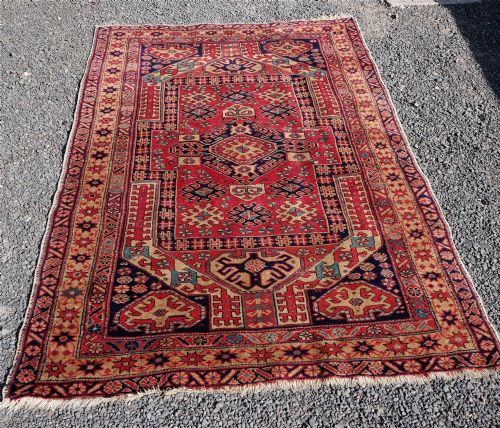
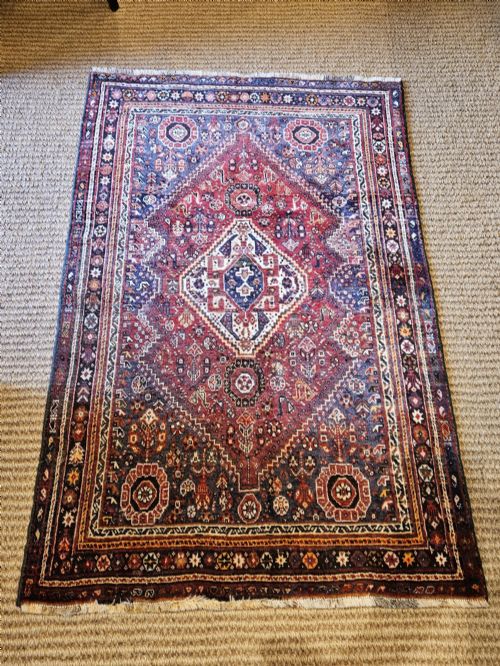
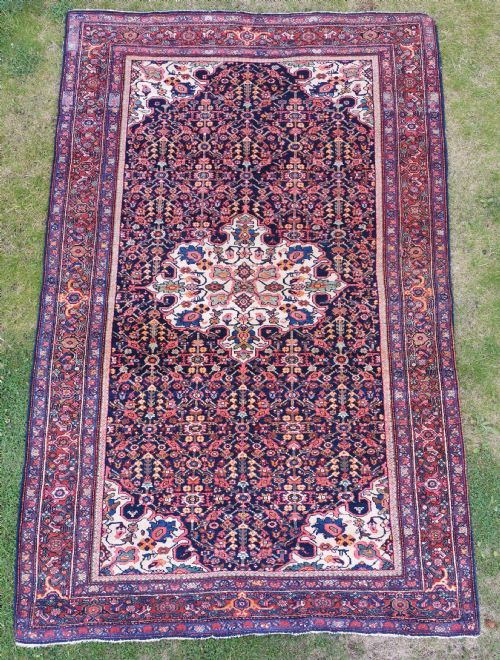
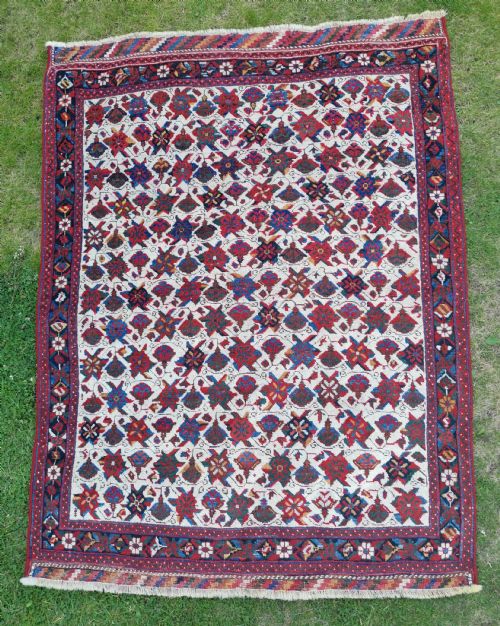
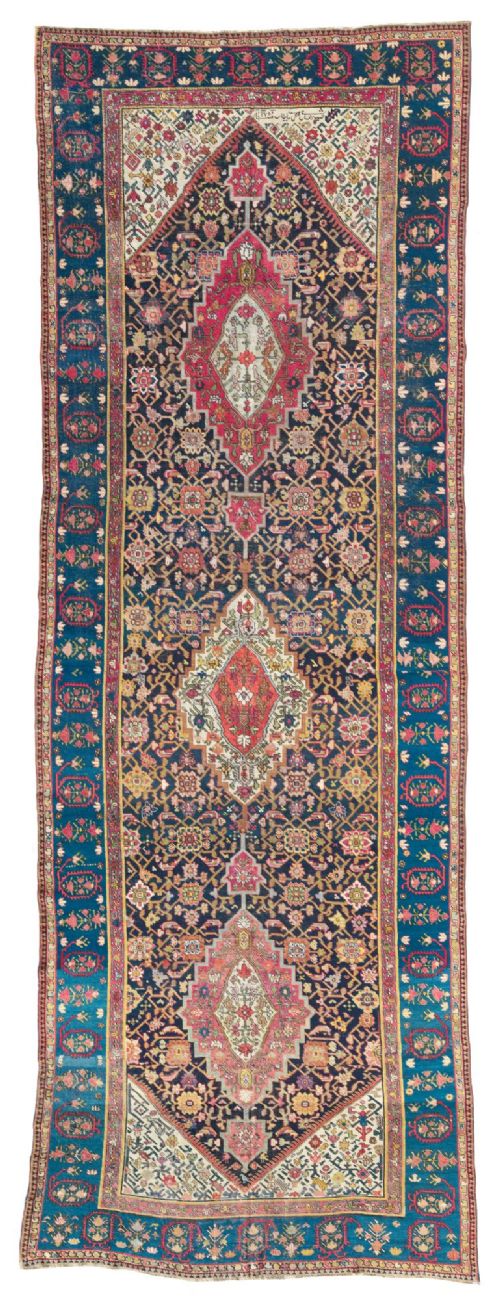
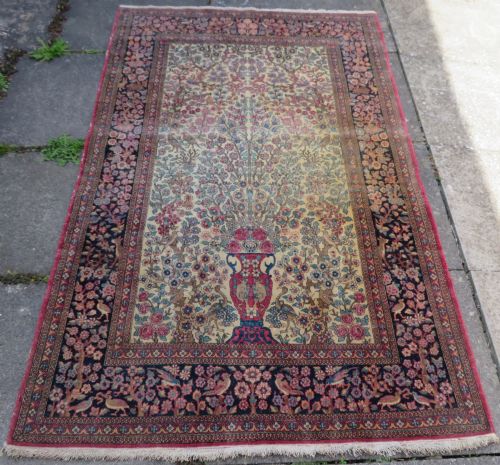
When you search for a navy persian rug, you encounter hand-knotted roomsize carpets, smaller area rugs, and bag faces dating from the Victorian era through the early twentieth century. These textiles originate from distinct weaving centres such as Heriz, Bakhtiari, Nain, Bidjar, Karaja, and Mahal.
The pieces on this page are traditional Persian works featuring deep blue grounds alongside rich secondary tones. Buyers frequently meet large roomsize carpets and scatter rugs woven by village and regional artisans using enduring traditional methods.
How they were made
Weavers construct these rugs using wool, cotton, and occasional silk highlights tied onto sturdy foundations. Natural dye traditions provide the rich navy and contrasting hues found across the pile and foundations.
Village workshops and regional centres employ tight hand-knotting techniques to produce dense, resilient piles capable of withstanding generations of daily foot traffic.
Navy Persian Rug Retail Price Guide 2026
Typical asking prices for navy persian rug among the pieces listed under this phrase on Sellingantiques today, from the lower quarter to the upper quarter. They describe what is for sale here now, not the wider market.
Nomadic weavers occasionally inserted deliberate minor colour shifts into their borders to ward off the evil eye.
What varies in quality
Knot density and structural tightness dictate the longevity and definition of the central medallion design. Finer weaving allows for sharper geometric curves and more intricate floral motifs.
The purity of the wool and the depth of the indigo dye influence the richness of the surface texture. Superior examples display even wear and harmonious colour saturation across the entire field.
The Navy Persian Rug Glossary
- Medallion
- A central ornamental motif set into the middle of the rug field. This design element often anchors the entire composition of traditional Persian carpets.
- Bag face
- The front panel of a nomadic storage bag, repurposed as a small decorative mat. These compact pieces display condensed tribal patterns.
- Pile
- The upright yarn loops that form the soft surface of the rug. It is shorn evenly after knotting to reveal the crispness of the pattern.
- Foundation
- The underlying structure of warp and weft threads that holds the knots in place. Cotton foundations provide structural stability for heavy wool carpets.
Navy Persian Rug: Frequently Asked Questions
How do I place a navy persian rug in a modern interior?
The deep blue ground acts as a neutral anchor beneath contemporary seating arrangements or minimalist wooden furniture. It brings warmth and texture to clean architectural spaces.
Allow enough bare floor around the edges of the rug to frame the piece properly within the room.
What is the difference between a Heriz and a Mahal carpet?
Heriz carpets generally display bolder geometric medallions and heavier wool suited for high-traffic areas. They possess a robust structural character.
Mahal carpets tend to feature more relaxed, flowing floral patterns with softer colour transitions across the field.
How do I care for an antique wool rug?
Vacuum the rug gently using suction only, avoiding any rotating brush bar that can pull the wool fibres. Professional cleaning should occur periodically by specialists in antique textiles.
Rotate the rug every year to ensure even exposure to light and foot traffic.
Are these rugs suitable for dining rooms?
Roomsize examples provide ample space for dining tables and chairs to sit comfortably on the pile. The durable wool construction handles everyday movement well.
Ensure the rug dimensions allow chairs to pull out without catching on the outer binding.