

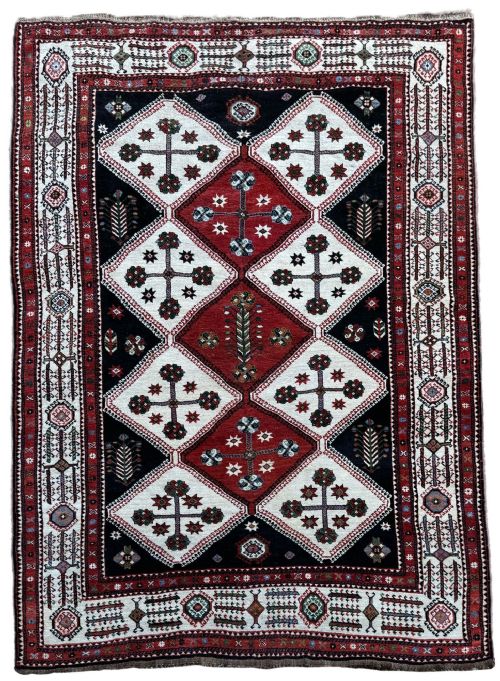
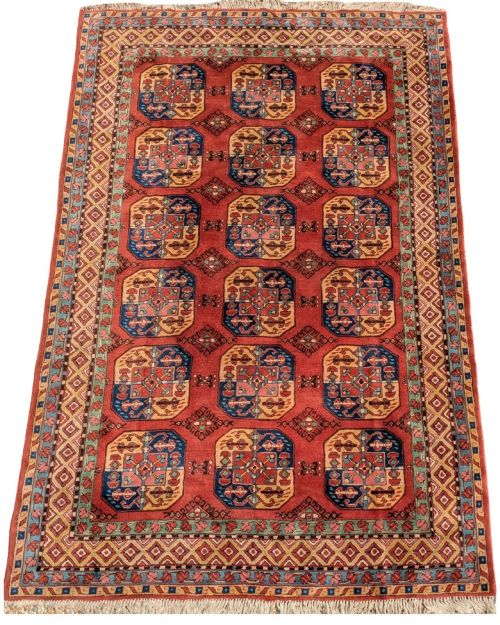
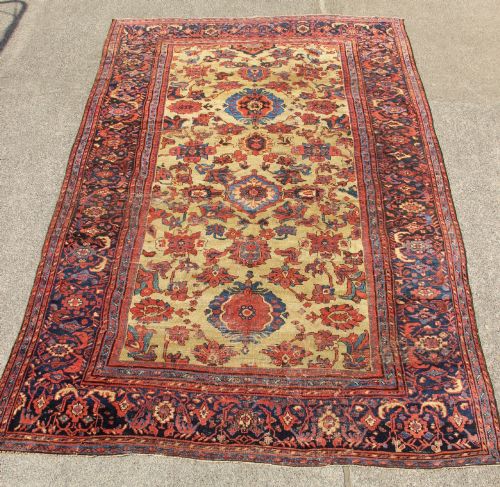
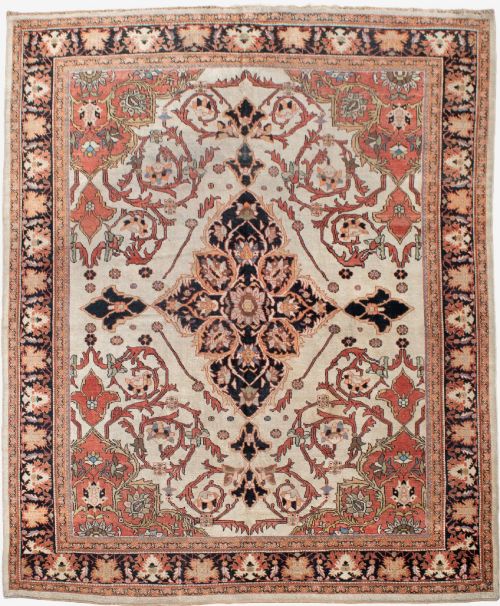
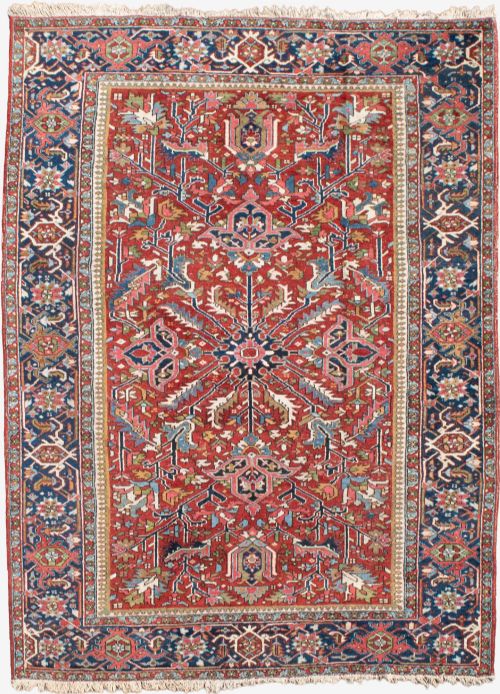


Large Wool Area Carpet
A large wool area carpet anchors a room with profound scale and pattern, offering historic depth underfoot.
Large Wool Area Carpet
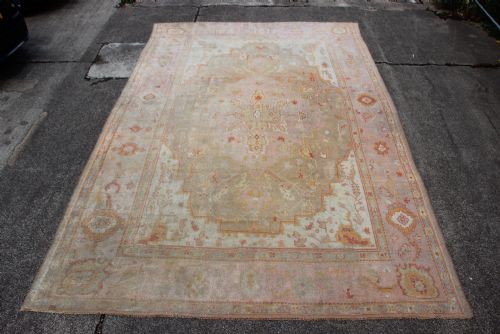
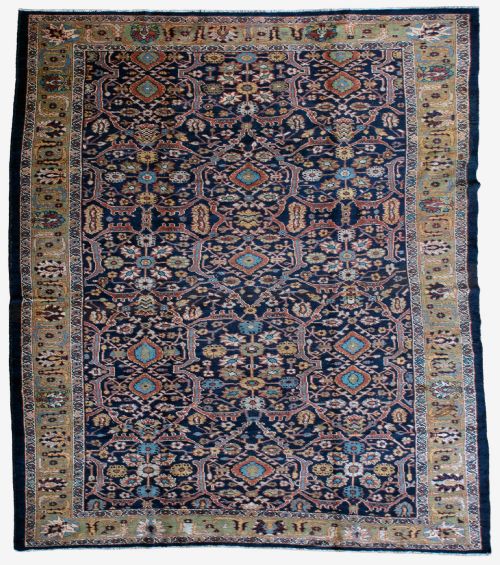
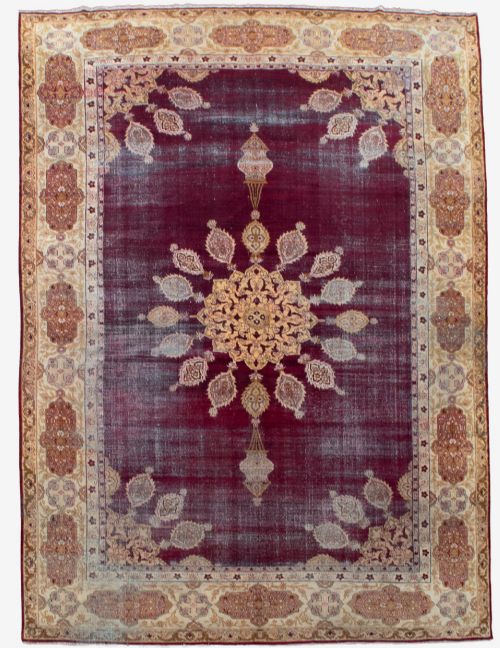
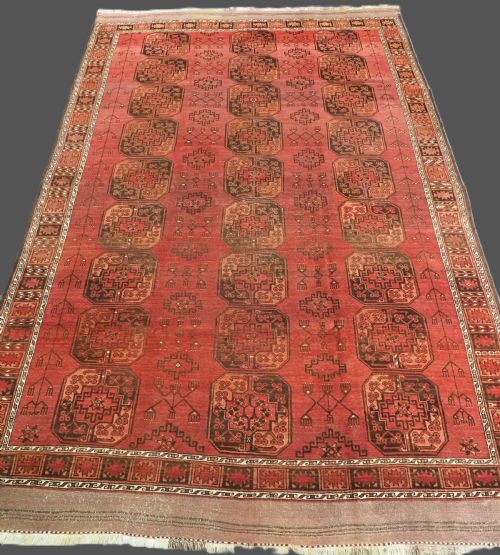
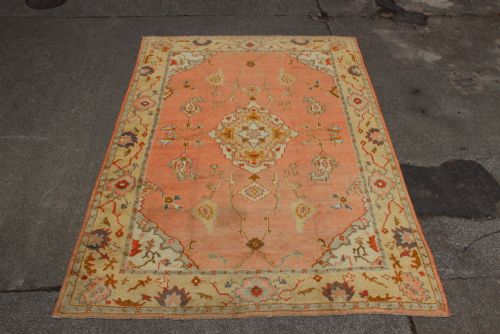
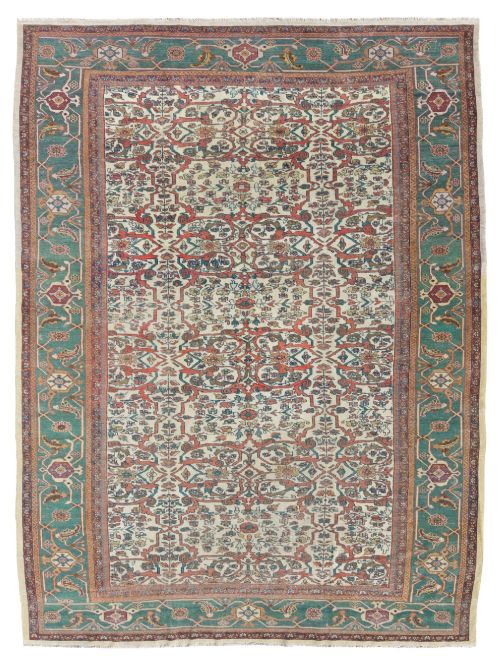
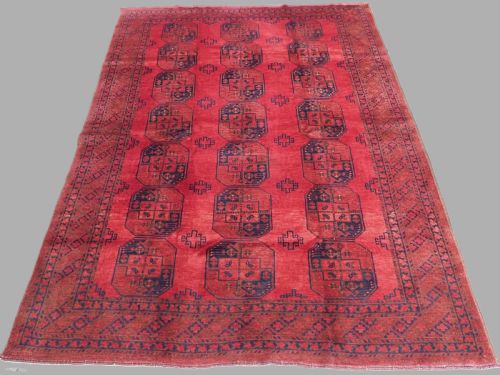
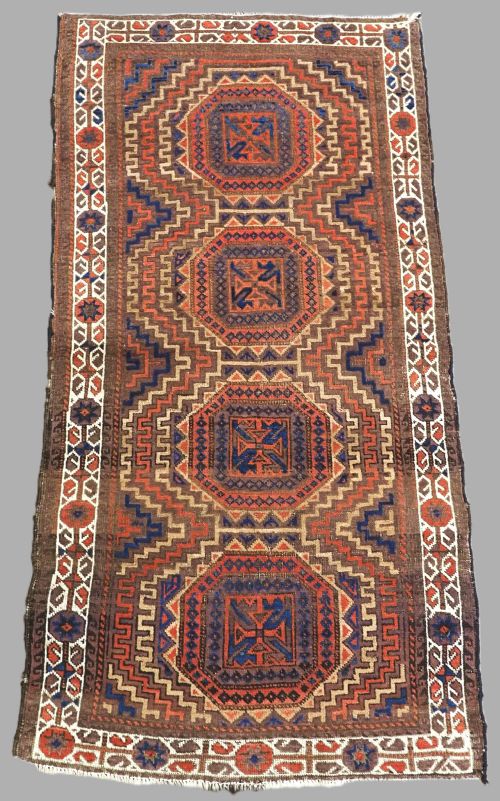
A large wool area carpet is a substantial floor covering designed to define a room through traditional regional patterns and considerable dimensions. When you search for a large wool area carpet, you encounter roomsize carpets, huge antique Agra pieces, and smaller carpet formats originating from Persian, Afghan, and Indian workshops. These textiles span periods from the late nineteenth century through the early twentieth century, encompassing traditional Persian, Heriz, Bakshaish, and Mughal styles.
The most common examples you meet on this page are antique Heriz carpets and roomsize carpets dating around nineteen twenty, alongside older nineteenth-century productions. They utilise durable wool piles and cotton foundations to withstand generations of domestic use while retaining their distinct decorative presence. Buyers seek these pieces to bring authentic historical character and warmth to spacious interiors.
How they were made
Makers constructed each large wool area carpet by hand-weaving wool yarn onto sturdy cotton foundations. Artisans knotted the wool pile by hand to create intricate geometric and floral designs that characterise traditional Persian and Afghan weaving traditions.
Natural dyeing techniques provided the rich colour palettes seen across nineteenth and early twentieth-century examples, ensuring deep hues that age gracefully. The density of the hand weaving directly determined the structural integrity and longevity of each finished carpet.
Large Wool Area Carpet Retail Price Guide 2026
Typical asking prices for large wool area carpet among the pieces listed under this phrase on Sellingantiques today, from the lower quarter to the upper quarter. They describe what is for sale here now, not the wider market.
Some nineteenth-century carpets have travelled further than most modern vehicles, crossing continents before finding a quiet sitting room.
What varies in quality
Quality in a large wool area carpet rests upon the precision of the hand-woven knots and the complexity of the design vocabulary. Finer nineteenth-century examples, such as Agra or Bakshaish carpets, demonstrate superior artistic expression and wool quality that elevate them above standard roomsize rugs.
The harmony of natural dyes and the preservation of the original borders and pile depth distinguish exceptional antique carpets from more heavily worn or chemically altered specimens. Structural balance across large dimensions remains a key indicator of master craftsmanship.
The Large Wool Area Carpet Glossary
- Heriz
- A style originating from the Northwest Persian region known for bold geometric medallions and robust wool construction. These carpets typically date from the late nineteenth and early twentieth centuries.
- Bakshaish
- An antique Persian carpet style celebrated for large-scale, whimsical village designs and earthy colour palettes. Collectors prize these pieces for their artistic freedom and early production dates.
- Agra
- A designation for carpets produced in nineteenth-century Indian workshops, often under Mughal influence. They frequently feature grand dimensions and refined floral compositions.
- Pile
- The upright loops or cut yarn of a carpet that form the usable surface. Wool is the traditional material used for this wear layer.
- Foundation
- The underlying structure of warp and weft threads, commonly made of cotton, that supports the knotted wool pile.
Large Wool Area Carpet: Frequently Asked Questions
Where should I place a large carpet?
A large wool area carpet suits principal reception rooms, dining areas, or spacious studies where its dimensions can be fully appreciated. It grounds the furniture arrangement and adds warmth to timber or stone flooring.
Ensure the room allows the borders of the carpet to remain visible rather than hidden entirely beneath fitted joinery, letting the historic pattern frame the space.
How do I care for antique wool?
Regular gentle vacuuming without a rotating brush roll prevents dust accumulation within the wool pile. Professional specialist cleaning is necessary every few years to protect the natural fibres.
Keep the carpet away from prolonged direct sunlight to preserve the integrity of natural dyes used during the nineteenth and early twentieth centuries.
What defines a Heriz carpet?
Heriz carpets originate from Northwest Persia and are distinguished by their durable wool construction and distinctive large geometric medallions. They often feature robust corner spandrels and strong earthy tones.
Weavers in this region produced hard-wearing roomsize carpets designed to withstand decades of heavy household use.
How do I identify a Bakshaish?
Bakshaish carpets display abstracted, large-scale village designs that set them apart from more formal city-woven Persian styles. Their patterns often exhibit a rustic charm with spacious fields and unique tribal motifs.
These nineteenth-century pieces are valued for their individual artistic expression and softer colour palettes.