




Large Persian Floor Rug
A large persian floor rug anchors a room with profound scale and deep historical pattern.
Large Persian Floor Rug
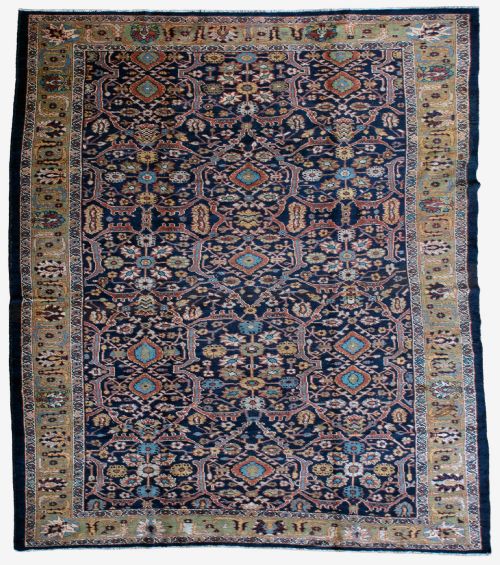
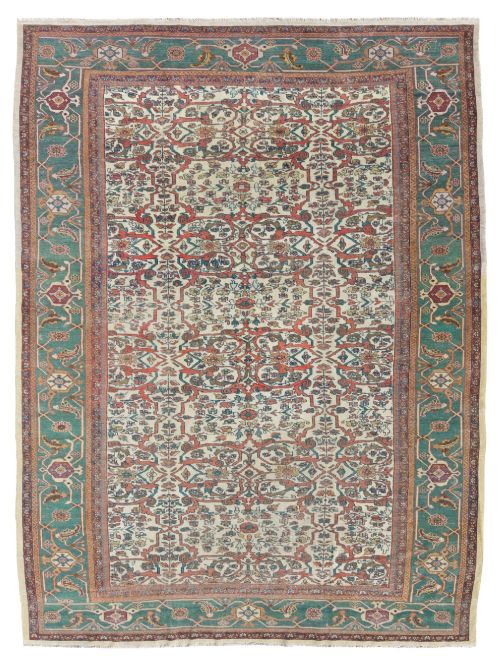
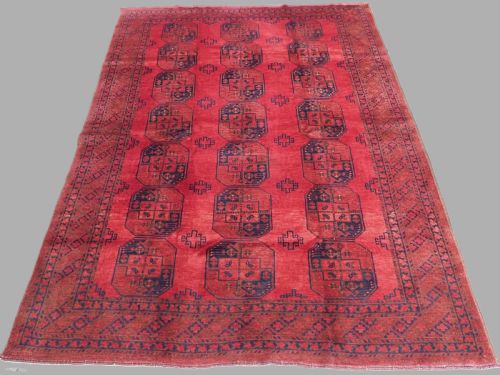
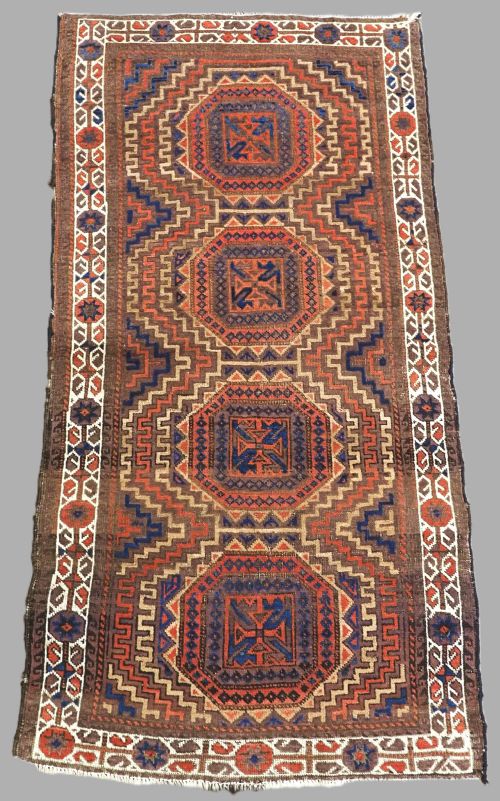
When you search for a large persian floor rug, you encounter substantial floor coverings that span distinct regional workshops and nomadic traditions. These pieces originate from Persia, covering classic city types and robust village weaves.
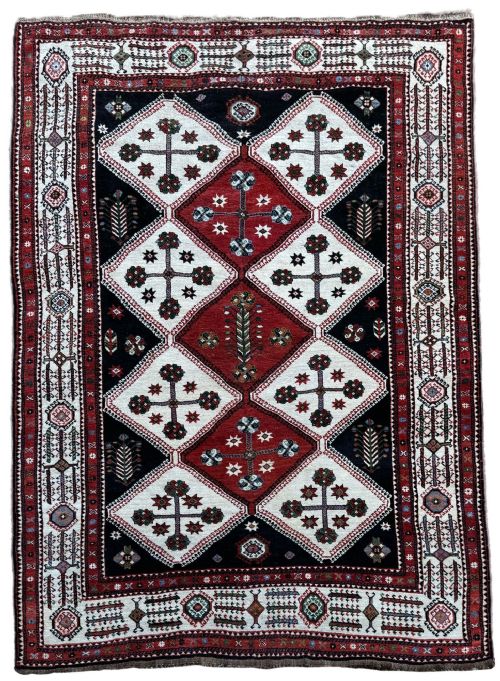
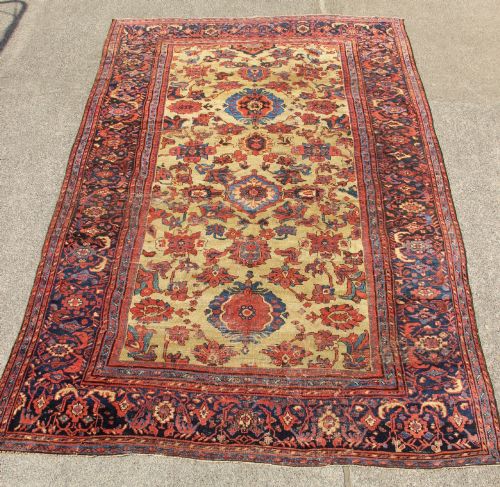
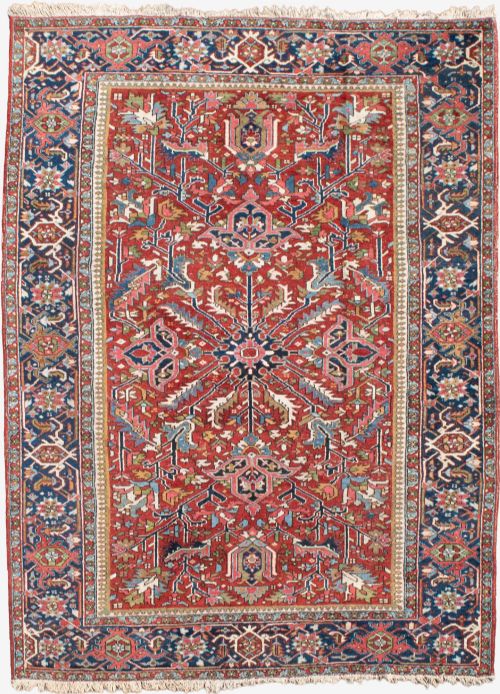
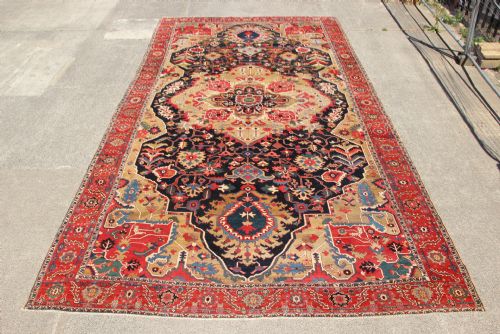
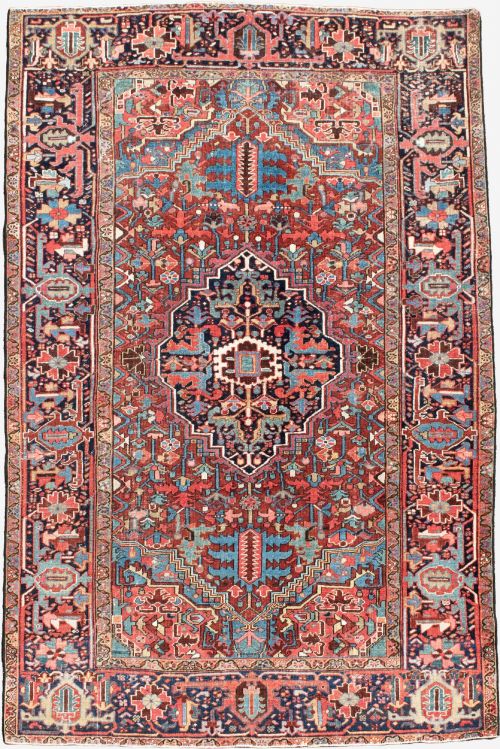
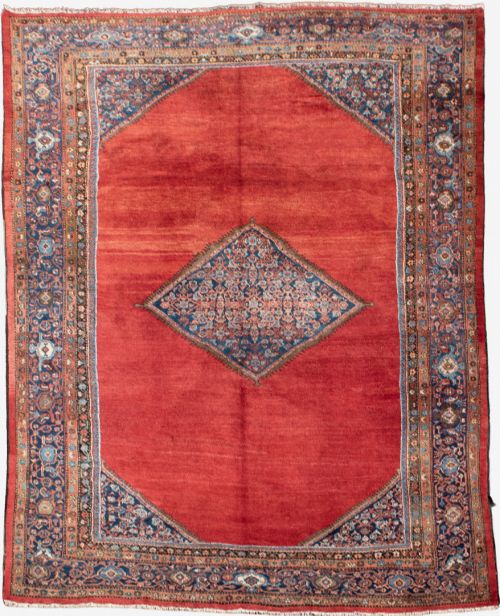
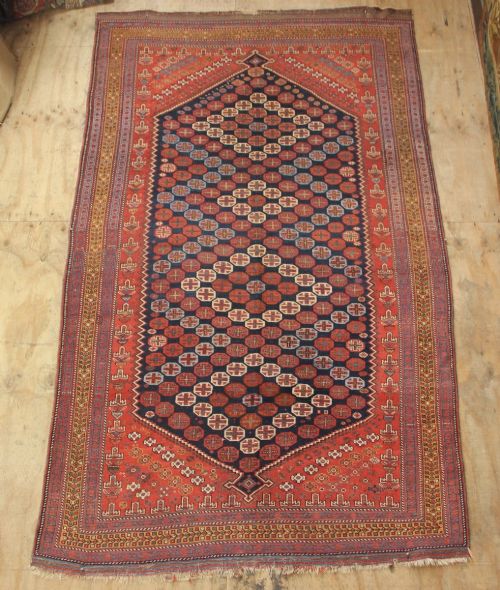
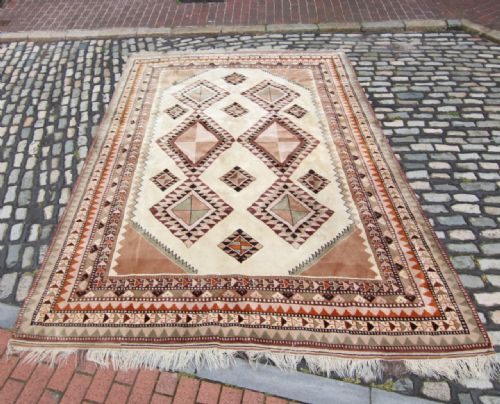
The selections on this page predominantly feature Heriz and Tabriz carpets alongside Afshar tribal examples and Ziegler designs. Dating ranges across the late nineteenth and early twentieth centuries, capturing periods from eighteen eighty to nineteen thirty.
Buyers seek these rugs to provide immense grounding presence and authentic artistic heritage within substantial living spaces or halls. Each specimen displays the characteristic palette and iconography of its specific Persian district.
How they were made
The construction of these carpets relies on traditional hand-knotting techniques executed upon sturdy foundations. Weavers utilised natural materials, combining wool pile with cotton warps and wefts to achieve durable yet flexible textiles.
Regional workshops and tribal groups employed hand-spun yarns dyed with rich botanical and mineral colorants. This meticulous manual labour ensured that every large persian floor rug developed a distinct structural integrity and tactile depth.
Large Persian Floor Rug Retail Price Guide 2026
Typical asking prices for large persian floor rug among the pieces listed under this phrase on Sellingantiques today, from the lower quarter to the upper quarter. They describe what is for sale here now, not the wider market.
Even the grandest antique carpets occasionally reveal small wool colour variations where weavers switched dye batches mid-row.
What varies in quality
Quality across a large persian floor rug rests in the precision of the knotting and the complexity of the design layout. Finer city pieces like Tabriz or Isfahan demonstrate meticulous detail, whereas village weaves like Heriz offer bold, architectural geometry.
The depth and vibrancy of the natural dyes significantly influence the visual merit of each piece. Superior examples maintain balanced abrasash and harmonious colour saturation across the entire wool surface.
Benlian
The Large Persian Floor Rug Glossary
- Heriz
- A style originating from north-west Persia known for bold geometric medallions and robust structural durability. These rugs frequently utilise a prominent central star motif.
- Tabriz
- A city style from Persia distinguished by fine knotting, elaborate floral curves, and sophisticated central medallions. Master workshops in this region produced highly refined carpets.
- Afshar
- A tribal weaving style created by semi-nomadic groups in southern Persia, typically featuring repeating geometric patterns and indigo fields. These pieces carry an authentic folk art character.
- Ziegler
- A nineteenth-century commercial style developed for Western tastes, featuring softened palettes and oversized floral motifs. They suit European drawing rooms remarkably well.
- Pile
- The upright yarn surface of the rug formed by individual knots tied to the foundation. Wool provides the durable wearing surface on these antique examples.
Large Persian Floor Rug: Frequently Asked Questions
How do I clean a large persian floor rug?
Professional specialist cleaning remains essential for antique wool carpets to protect natural dyes and delicate cotton foundations. Regular gentle vacuuming without a beater bar prevents dust accumulation.
Avoid home chemical treatments or saturation, which can permanently damage the historic fibres and structural integrity.
Can I place these rugs in high traffic areas?
Many traditional village weaves offer exceptional durability due to robust wool pile and sturdy construction. Hallways and living rooms benefit greatly from the resilience inherent in these historic floor coverings.
Using a quality underlay prevents slippage and reduces friction against hard flooring substrates.
How do I date a persian carpet?
Dating relies upon stylistic markers, knot structures, regional colour palettes, and documented workshop signatures. Comparative analysis with archived pieces helps establish the likely production decade.
Minor structural inconsistencies often confirm hand-woven authenticity from periods such as the late nineteenth or early twentieth century.
What distinguishes Heriz from Tabriz rugs?
Heriz carpets present bold, angular geometric medallions with large-scale motifs suited to rustic or traditional interiors. Tabriz rugs offer refined, curvilinear floral designs reflecting sophisticated urban workshop traditions.
Both styles represent distinct regions of Persian weaving excellence with entirely different aesthetic impacts.