
Red Wool Tribal Textile
When you search for a red wool tribal textile, you are looking at nomadic weavings and embroideries created for utility, ceremony and daily life in Persia and Central Asia.
Red Wool Tribal Textile
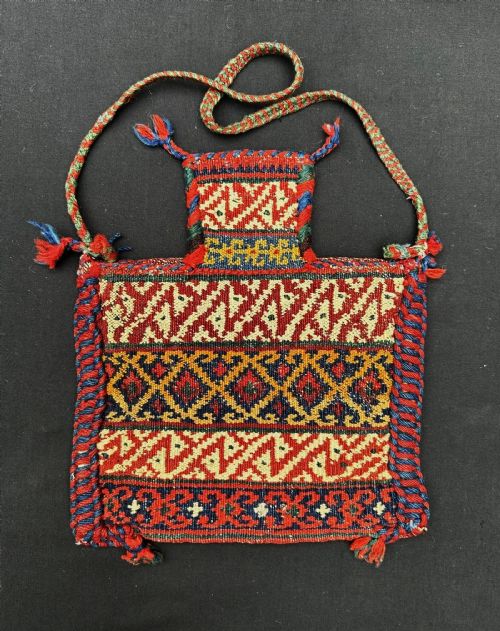
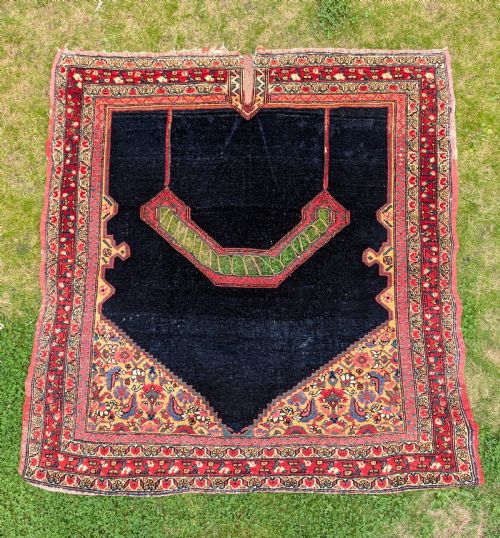
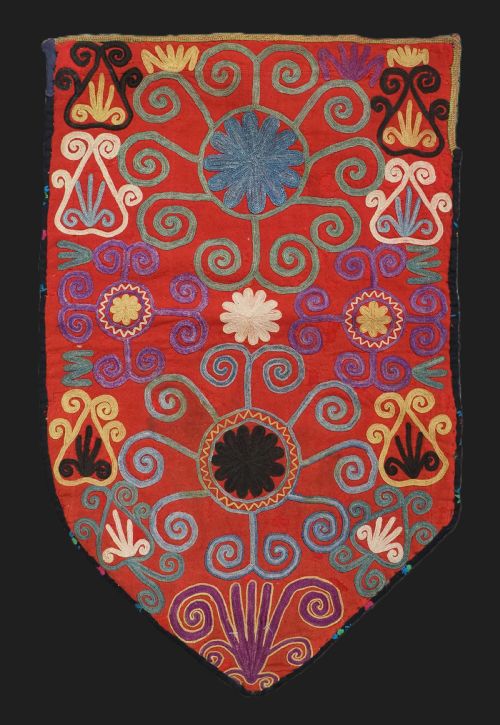
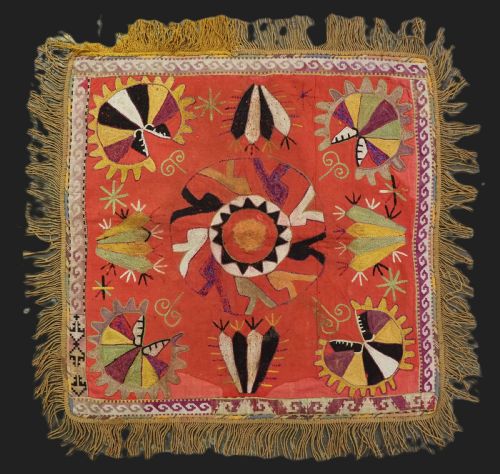
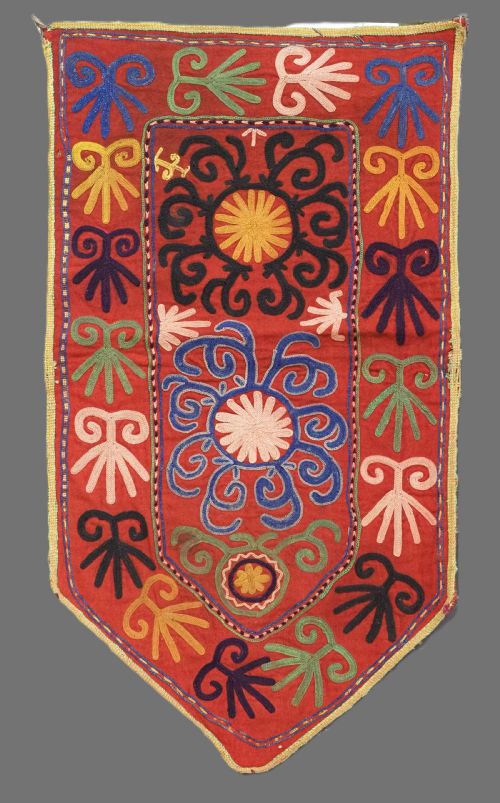
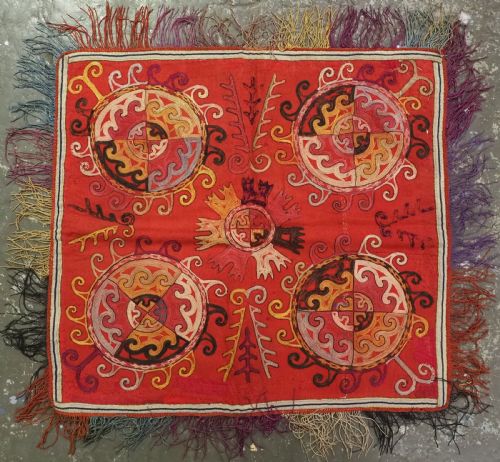
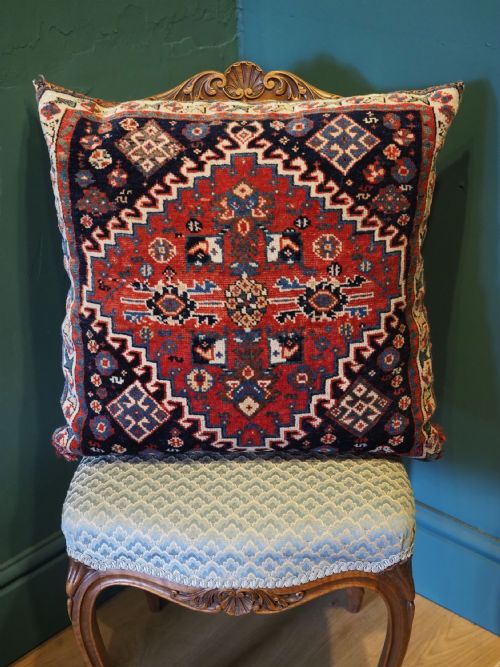
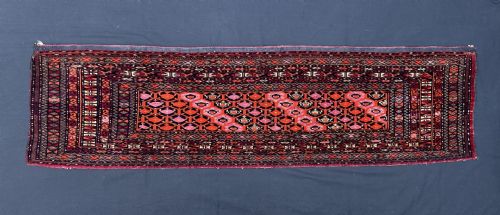
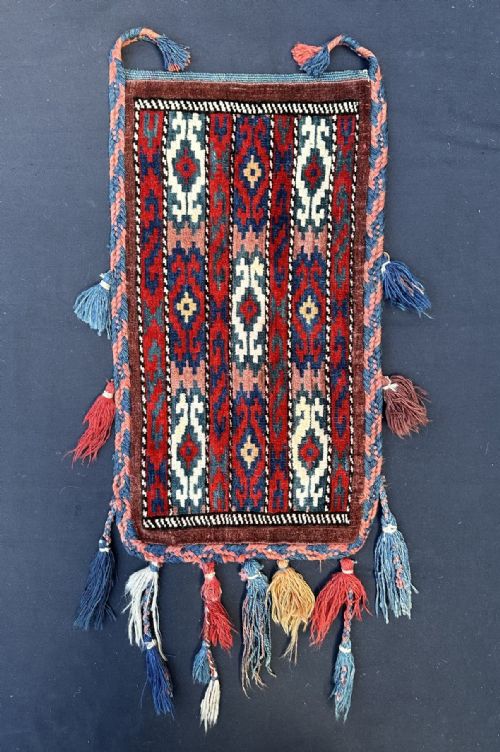
A red wool tribal textile on this page typically takes the form of a utilitarian object made by nomadic and village groups, such as saddle covers, bags, horse blankets and wall hangings. These functional items served practical purposes in camps and settlements before entering the decorative sphere.
The regional origins span distinct groups including the Qashqa'i, Afshar, Shahsevan, and various Turkmen and Uzbek tribes. Each group brought specific structural traditions and visual vocabularies to their weaving and embroidery.
The dating of these pieces stretches from the mid nineteenth century through to the early decades of the twentieth century. Examples from this period rely on traditional hand-working methods established long before commercial aniline dyes and industrial looms altered regional production.
Materials and Technique
The fundamental structure relies on wool, often hand-spun and combined with cotton or silk thread for specific decorative contrasts and embroidery details. Natural dyes provide the underlying palette, yielding rich reds alongside secondary tones that anchor the geometric and figurative motifs.
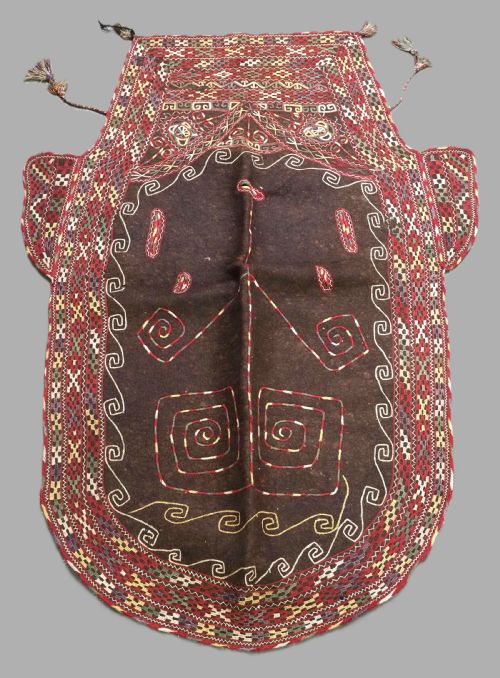
Makers utilised various techniques depending on the object type, ranging from flat-woven pileless surfaces and woven bagfaces to dense surface embroidery on felted wool foundations. These methods produced robust textiles designed to withstand the rigours of nomadic existence.
Red Wool Tribal Textile Retail Price Guide 2026
Typical asking prices for red wool tribal textile among the pieces listed under this phrase on Sellingantiques today, from the lower quarter to the upper quarter. They describe what is for sale here now, not the wider market.
Several horse blankets on this page were made to impress wedding guests by dressing up the groom's riding animal.
Evaluating Quality
The standard of a red wool tribal textile depends heavily on the fineness of the spin, the integrity of the materials, and the handled weight of the fabric. Tightly packed stitches and disciplined structural weaving distinguish finer tribal output from more rushed or utilitarian work.
Visual balance and the depth of natural dye interaction further elevate specific examples. Well-composed motifs and harmonious colour ageing separate ordinary nomadic pieces from the more accomplished works produced within each tribal confederacy.
The Red Wool Tribal Textile Glossary
- Asmalyk
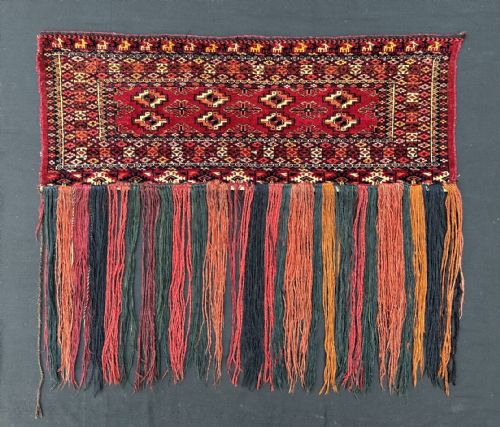
- A pentagonal ceremonial trapping produced by Turkmen tribes, traditionally hung on the flanks of a bride's camel during wedding processions.
- Uut Kap Ilgich
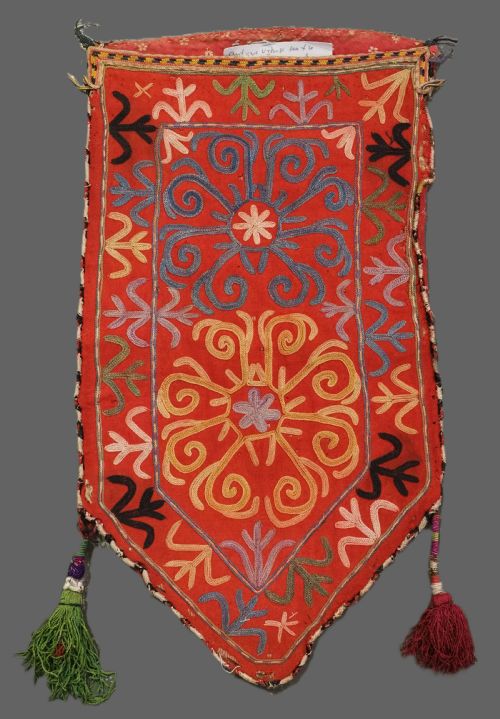
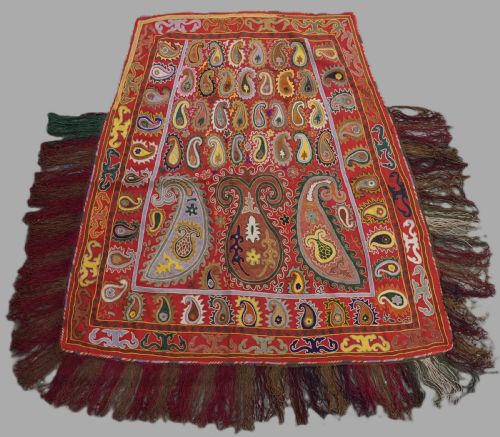
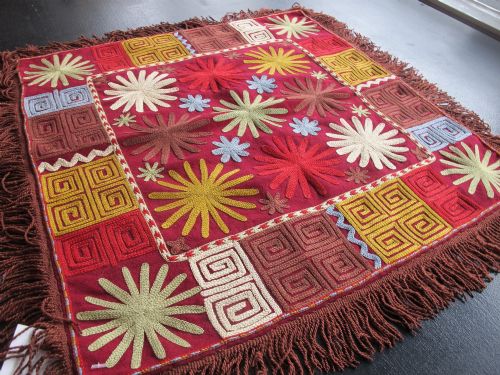
- An embroidered wall hanging or storage bag associated with Uzbek Lakai groups, often featuring dynamic geometric or zoomorphic applique.
- Bagface
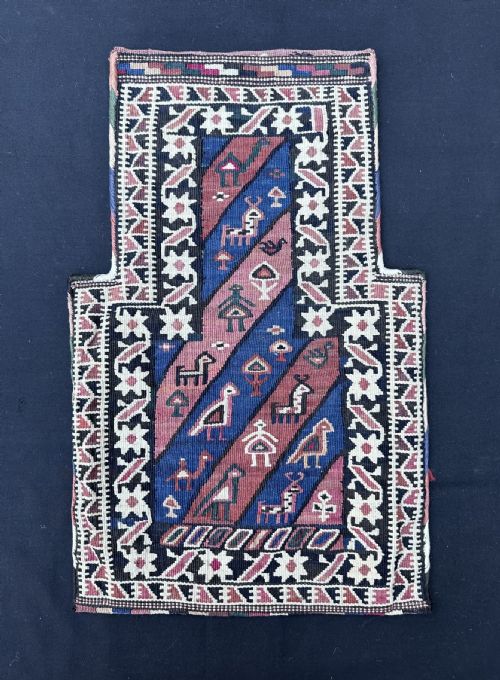
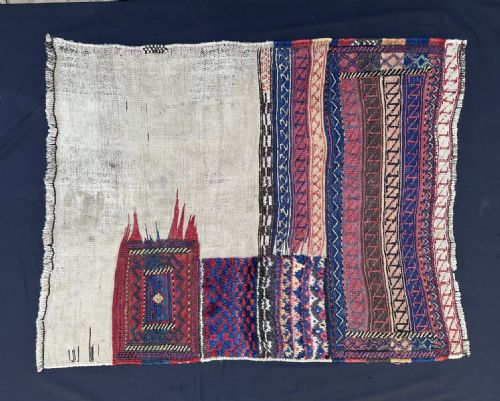
- The decorative front panel of a utilitarian storage sack, preserved after the plain back fabric wore away from use.
- Natural Dyes
- Colourants derived from plant, insect and mineral sources prior to the widespread adoption of synthetic alternatives.
- Felted Wool
- Wool fibres consolidated through moisture, heat and pressure to create a dense, non-woven fabric used for blankets and heavy covers.
Red Wool Tribal Textile: Frequently Asked Questions
What were these textiles used for?
These textiles served practical roles in nomadic and village households, functioning as saddle bags, animal trappings, storage pouches, and ceremonial horse covers for weddings and festivals.
Over time, items like bagfaces and wall hangings transitioned from utilitarian camp objects into decorative pieces valued for their regional designs.
How do I care for a textile?
Protect antique wool and embroidered pieces from direct sunlight to prevent natural dye fading, and keep them away from damp environments.
Mount hanging textiles carefully to distribute their weight evenly across the fabric without straining the historical threads.
How do I identify tribal origins?
Attribution relies on studying the specific structural patterns, wool types, and colour palettes associated with particular groups like the Yomut, Qashqai, or Lakai.
Distinctive motifs and regional embroidery styles provide reliable clues to the specific geographic area where a piece was made.
What is the difference between woven and embroidered pieces?
Woven items like saddle covers and bagfaces integrate their patterns directly into the structural warp and weft during the creation of the textile itself.
Embroidered pieces, such as Lakai wall hangings, apply decorative threadwork and felt appliqués onto a pre-existing woven or felted foundation cloth.