


Antique Turkmen Carpet Panel
An antique turkmen carpet panel brings the rich geometric heritage of Central Asian tent furnishings directly onto a wall or study floor.
Antique Turkmen Carpet Panel
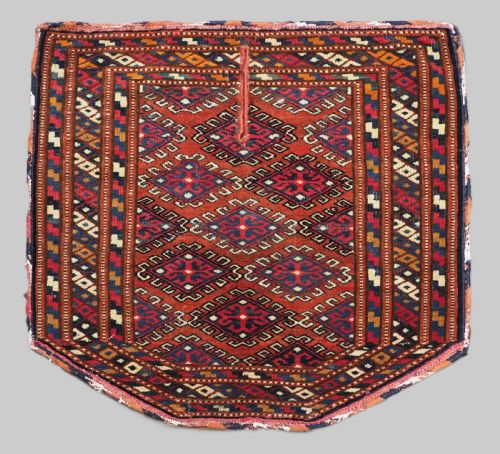
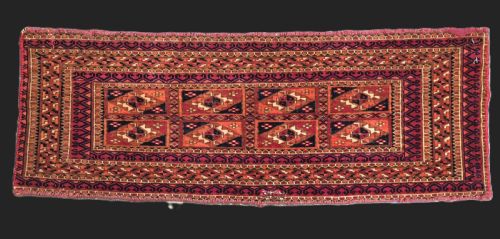
An antique turkmen carpet panel typically originates from nomadic or semi-nomadic weaving traditions across Central Asia, spanning the nineteenth century up to the early twentieth century. Buyers encounter smaller functional portions of larger tent trappings, such as torbas, chuvals, mafrashes, and asmalyks, rather than full carpets.
The material surface displays distinct tribal guls, including Tekke, Yomut, Ersari, Saryk, and Chodor motifs, repeated across dense wool fields. Pieces range from saddle covers and storage bag faces to wedding camel trappings and tent door hangings known as ensis.
Most examples available represent fragments or single faces removed from larger bags, utilised historically for household storage or animal decoration within nomadic camps. Their compact proportions make them well suited for modern wall hanging and display.
Materials and construction
Weavers constructed these panels primarily using wool foundations and surface piles, often supplemented with cotton and silk highlights for contrast within the guls. Natural dyes provided the deep crimson, madder red, and dark brown tones characteristic of the region.
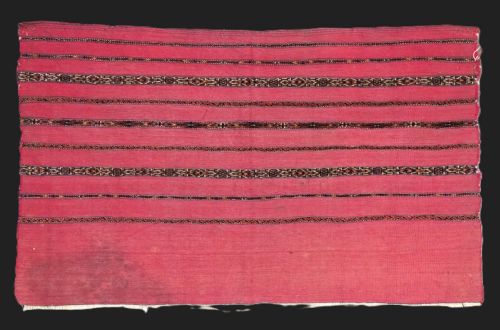
The knotting and flatweaving techniques vary from fine weaves on chuval faces to banded flatweave designs on mafrashes and torbas. Structural integrity relied on sturdy wool warps and wefts, sometimes finished with plain weave elem panels at the lower ends.
Camels once wore these intricate geometric panels during wedding processions, adding nomadic style to tribal celebrations across the Central Asian steppes.
Assessing quality and craftsmanship
Quality rests upon the precision of the drawing within the guls and the tightness of the weave across the field. Finer knots and carefully balanced natural dye saturation distinguish superior tribal weaving from standard production.
The clarity of secondary ornaments, such as elem panels and border details, dictates the visual impact of the piece. Well-drawn proportions and complete side selvedges elevate individual panels within the historical range.
The Antique Turkmen Carpet Panel Glossary
- Gul
- A primary medallion motif repeated across Turkmen carpets and panels, identifying the specific tribe that made the piece. Each clan utilised distinct geometric variations of these recurring primary guls.
- Torba
- A small tent storage bag face used inside nomadic dwellings for domestic possessions. These rectangular panels are frequently mounted as wall hangings today.
- Chuval
- A large tent bag face traditionally utilised for bedding and clothing storage within Turkmen yurt tents. They often feature multiple rows of major guls.
- Asmalyk
- A triangular or pentagonal camel trapping created for wedding processions and festive tribal ceremonies. They represent some of the most decorative textile formats from the region.
- Elem
- The lower vertical panel at the end of a carpet or hanging, often filled with distinctive tree, shrub, or geometric motifs. Well-drawn elem panels are prized for their artistry.
Antique Turkmen Carpet Panel: Frequently Asked Questions
How were these panels used originally?
Nomadic families utilised these textile sections as functional storage bags, bedding sacks, and animal trappings inside circular tents known yurts.
Over decades of tribal migration, damaged or surplus bags were cut down into smaller panels and fragments for continued household use or trade.
How do I hang a textile panel safely?
Mounting a panel requires distributing the weight evenly along the top edge using a non-damaging sleeve or stitched Velcro support system.
Avoid direct nails or clips that pinch the wool foundation, and keep the textile away from prolonged direct sunlight to protect the natural dyes.
How can I tell different tribes apart?
Tribal attribution relies primarily on the specific shape and colour palette of the repeating guls across the field. Tekke panels often display octagonal guls with deep red grounds, while Yomut pieces frequently utilise hooked designs and contrasting border arrangements.
Secondary ornaments and flatweave end panels provide further clues to geographic origin within Turkmenistan and the surrounding steppes.
Are these pieces complete bags or fragments?
Many examples found on the market are bag faces or cut fragments rather than intact three-dimensional sacks. The reverse wool or cotton backing was often removed when the decorative front was repurposed or preserved for display.
Some listings do retain original plain-weave backs or complete structural formats, which is explicitly noted in the descriptions.