
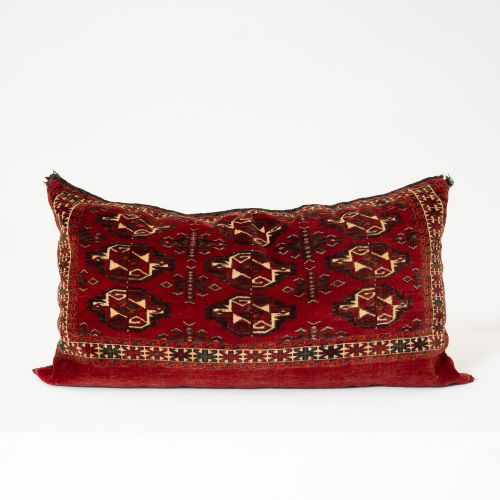

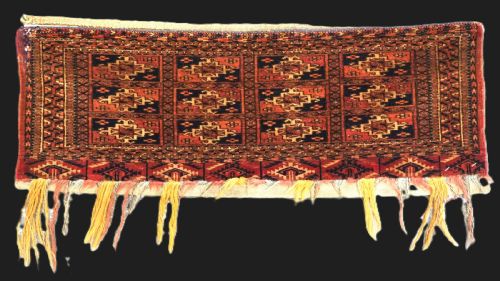


Antique Wool Cushion Cover
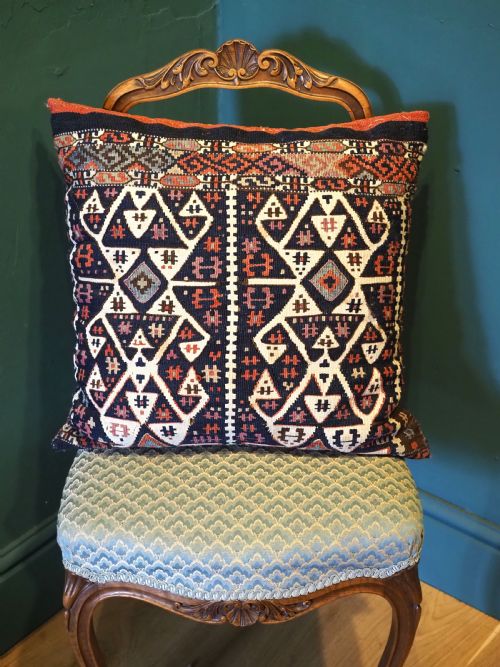
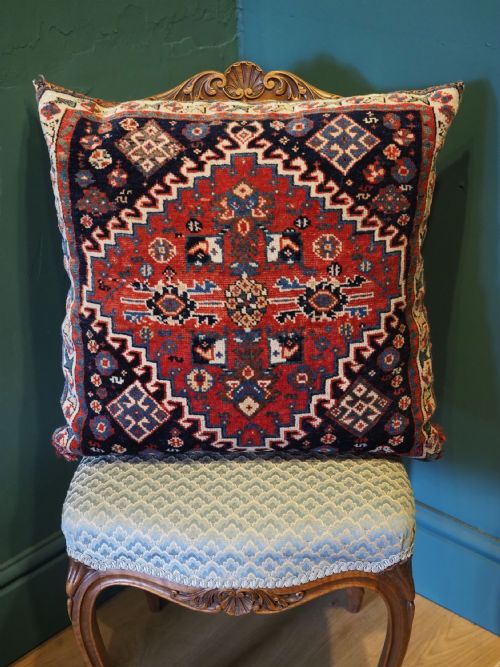
These antique wool cushion cover examples transform historic nomadic bags and flatweaves into tactile domestic furnishings.
Antique Wool Cushion Cover
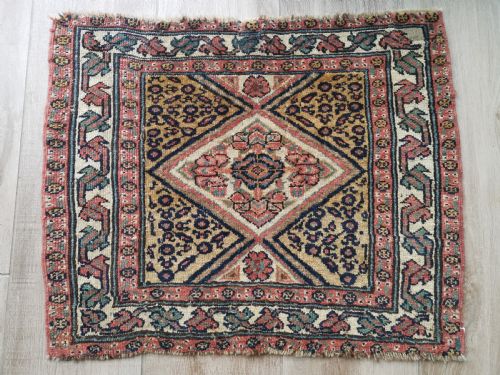
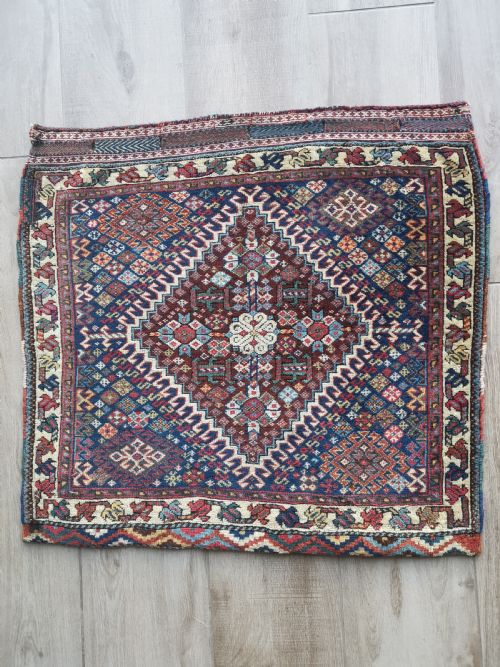
When searching for an antique wool cushion cover, collectors encounter repurposed tribal weavings such as saddle bags, bag faces, and torbas rather than domestic items made initially for seating. These textiles originate largely from Persian, Anatolian, and Turkmen nomadic groups, spanning the nineteenth and early twentieth centuries alongside select seventeenth-century European tapestry examples.
The pieces presented on this page take utilitarian horse and camel bags, alongside storage sacks, and adapt them into cushions and pillows. Buyers frequently meet formats derived from Qashqai, Tekke Turkmen, Baluch, and Shahsevan tribal weaving traditions, retaining their original flatweave or pile structures on the front face.
How they were made
These textiles rely on hand-spun wool combined with natural dyes, cotton, silk, goat hair, and linen, woven on nomadic upright or horizontal ground looms. Artisans employed techniques including pile knotting, flatweave, soumac, and tapestry work to construct durable storage containers intended for harsh migratory life.
Makers utilised locally sourced animal fibres, spinning them by hand before applying natural dye baths derived from plants and minerals. The resulting structural fabric balances structural integrity with intricate geometric or tribal iconography.
Listings feature periods spanning from the seventeenth century through the nineteenth and early twentieth centuries, executed in wool, cotton, and silk.
What varies in quality
Quality rests upon the fineness of the wool spin, the complexity of the tribal design, and the depth of the natural dye palette. Earlier pieces often display superior saturation and tighter knot or weave density.
The artistry of the tribal design, whether a Turkmen gul motif or a Persian boteh pattern, dictates the visual distinction of the textile. Preservation of the original structure during conversion into a cushion also separates standard examples from exceptional survivals.
The Antique Wool Cushion Cover Glossary
- Bagface
- The decorative front panel of a nomadic storage sack or saddle bag. These panels form the primary visual surface of many converted cushions.
- Gul
- A repeating medallion motif used extensively in Turkmen tribal weaving. Each major tribe traditionally utilised distinct gul variations.
- Soumac
- A wrapping technique producing a durable, textured flatweave structure. It differs from standard knotting by wrapping weft threads around warp threads.
- Torba
- A small nomadic storage bag traditionally hung inside a tent. Surviving examples frequently feature banded flatweave designs or detailed pile work.
- Yastic
- A traditional Turkish pillow or bolster weaving. These rectangular formats naturally lend themselves to modern cushion conversion.
Antique Wool Cushion Cover: Frequently Asked Questions
What is an antique wool cushion cover made from?
These covers are constructed primarily from hand-spun wool, often paired with cotton foundations, natural dyes, goat hair, and occasional silk highlights. The materials reflect the pastoral resources available to nomadic tribes.
Artisans utilised locally sheared fleece, processed by hand to create durable yarns that absorbed natural dyestuffs from plants and minerals. This composition ensures structural resilience alongside historic authenticity.
How do I identify a tribal design?
Tribal designs are identified through repeating geometric motifs, specific medallion structures, and regional colour palettes associated with groups like the Qashqai or Tekke Turkmen. Each tribe employed distinct visual vocabularies.
These patterns served as cultural markers and family identifiers within nomadic communities. Recognising specific guls or boteh placements helps pinpoint the geographic origin of the textile.
How were these textiles originally used?
Before conversion into cushions, these items functioned as practical storage containers, saddle bags, and transport sacks for nomadic tribes. They held personal belongings, household goods, or provisions during seasonal migrations.
Animals carried them across Anatolian and Persian landscapes, exposing the durable wool and flatweave structures to daily nomadic life. Their transformation into cushions preserves these historic utility items for contemporary interiors.
How should I live with an antique wool cushion?
Living with these textiles involves placing them in low-friction seating areas where the historic wool and natural dyes can be appreciated visually. They suit decorative placement on armchairs, benches, and beds.
Regular gentle airing and protection from direct, harsh sunlight help preserve the integrity of the natural dyes and hand-spun wool fibres. Treating them with care ensures the ancient weave remains stable.
How do I distinguish nineteenth century pieces?
Nineteenth-century examples are recognised through the specific characteristics of their hand-spun wool, early natural dye palettes, and characteristic tribal weaving structures. These elements differ visibly from later commercial productions.
Examining the reverse and the edges often reveals the hand-knotted or flatwoven construction methods typical of nineteenth-century nomadic workshops. The handle and weight of the textile also provide clues to its age.