

Turkmen Wall Hanging
A turkmen wall hanging brings deep wool texture and tribal geometry into a room, offering rich central Asian heritage for the collector.

Turkmen Wall Hanging
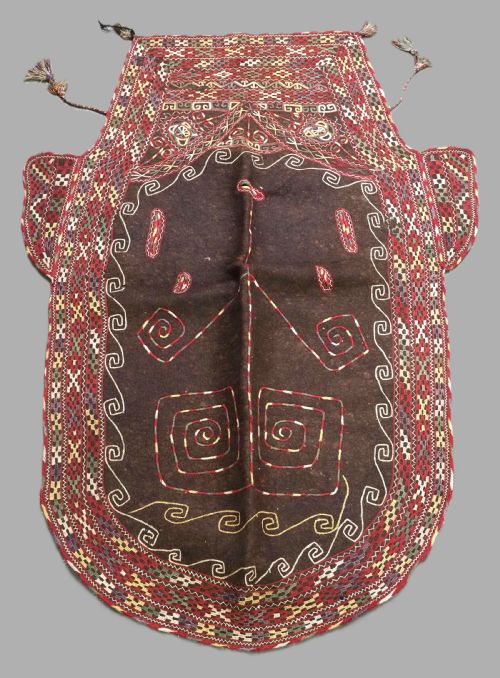
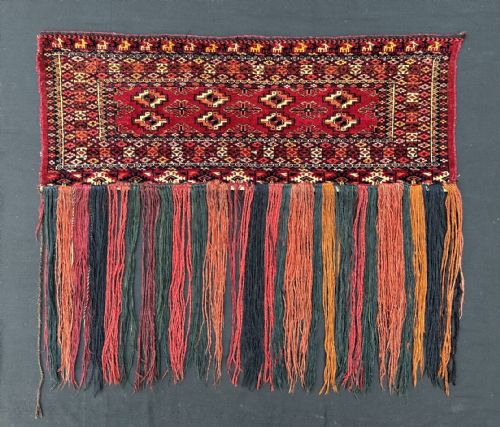
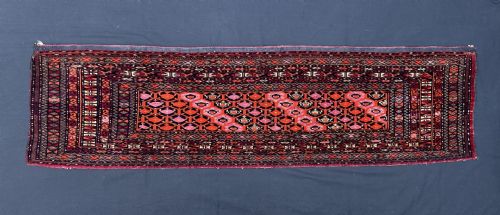
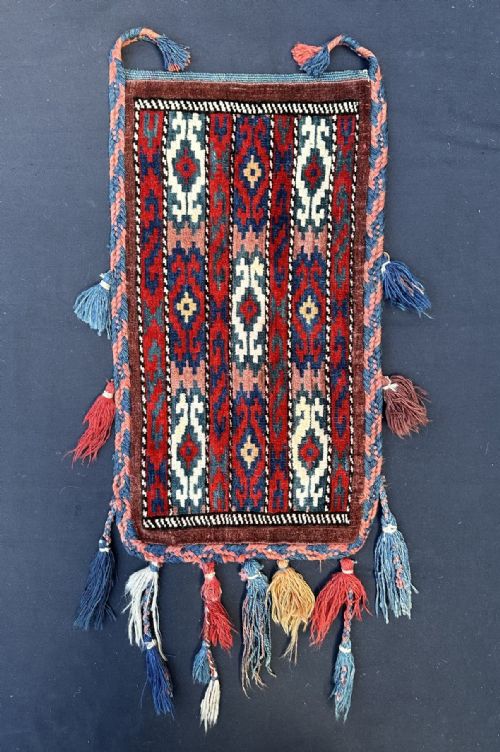
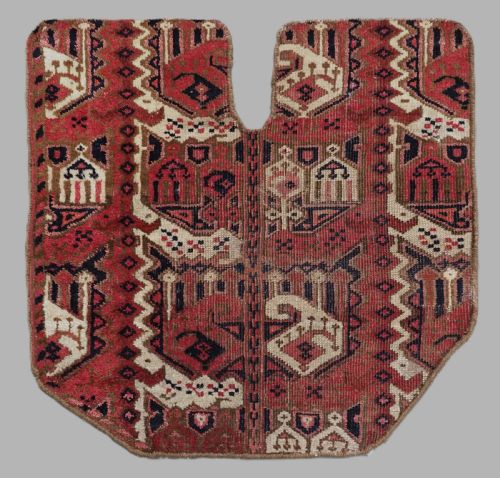
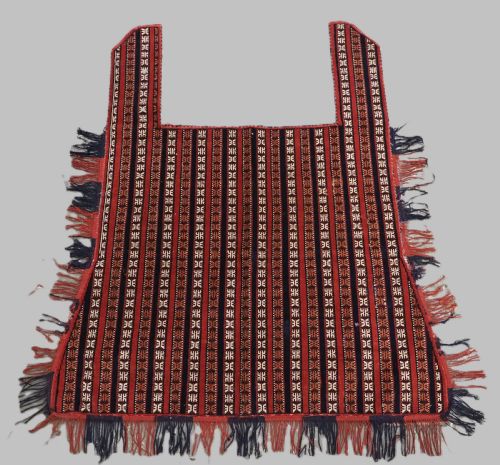
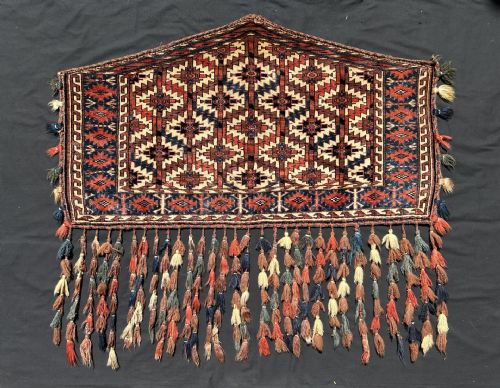
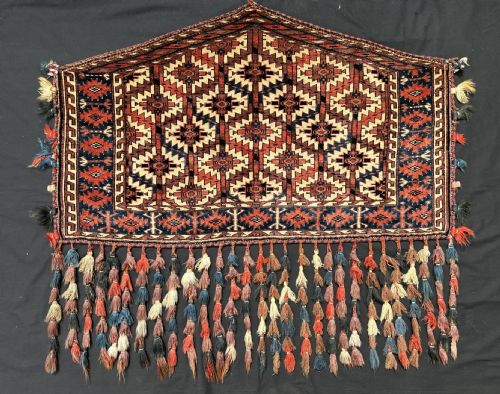
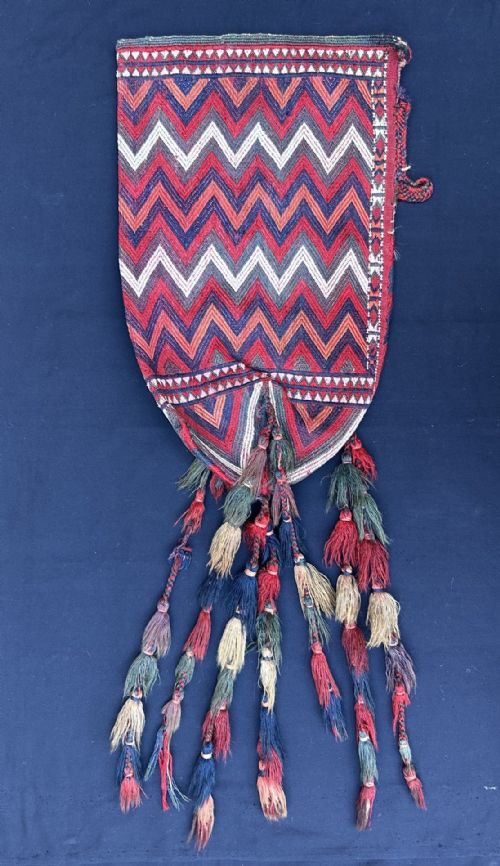
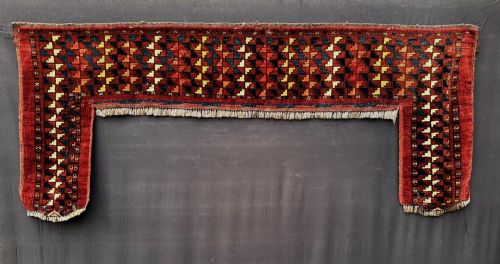
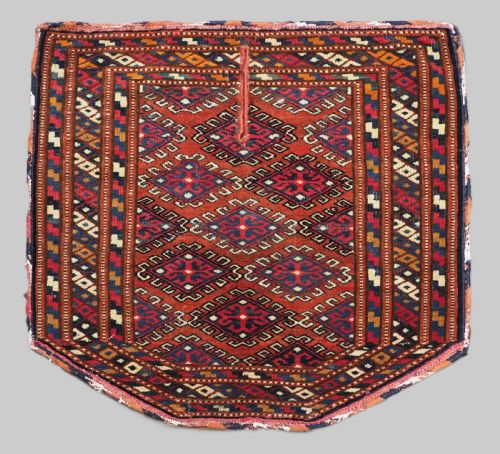
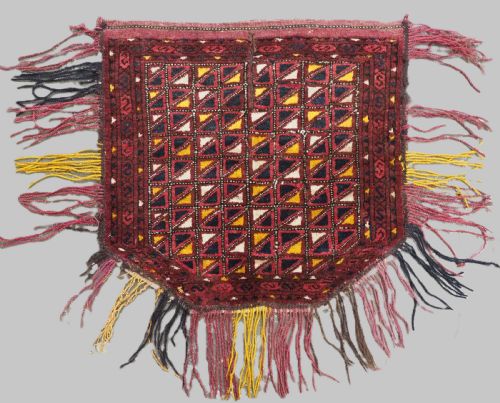
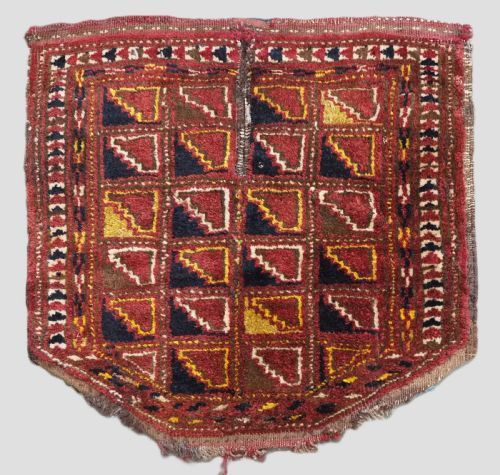
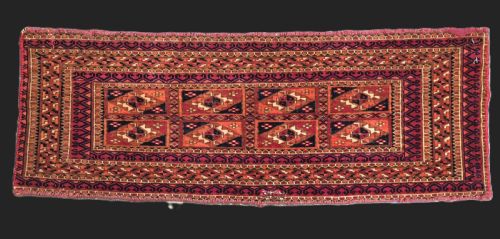
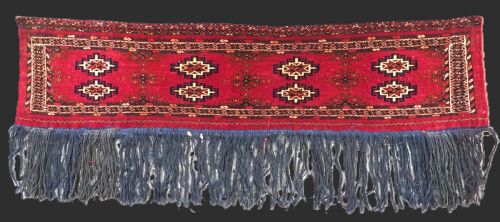
A turkmen wall hanging on this page typically takes the form of an antique torba, chuval face, or mafrash face originating from central Asian tribal makers. These pieces span the late nineteenth century, specifically dating from eighteen seventy to nineteen hundred, showcasing traditional weaving forms.
The visual vocabulary relies heavily on repeating guls, including kepse gul, schemle gul, aina gul, and Salor turreted gul motifs. These formats adapt functional nomadic trappings into decorative vertical displays suitable for modern interiors.
Materials and construction
Every piece relies entirely on wool as the foundational material for both pile and foundation threads. This natural fibre provides the dense, durable surface characteristic of nomadic weaving.
Natural dyes colour the wool yarns, yielding the muted, stable tones seen across the nineteenth century examples. The combination of handspun wool and botanical or mineral colourants gives each textile its physical depth.
Turkmen Wall Hanging Retail Price Guide 2026
Typical asking prices for turkmen wall hanging among the pieces listed under this phrase on Sellingantiques today, from the lower quarter to the upper quarter. They describe what is for sale here now, not the wider market.
Every listed turkmen wall hanging utilises wool and natural dyes, dating from the eighteen seventies up to nineteen hundred across multiple tribal traditions.
Assessing quality and depth
Quality rests in the precision of the gul drawing and the crispness of the tribal design execution. Finer knotting density and well-balanced elem panels elevate an example above standard production.
The preservation of original structural elements, such as hanging loops or complete textile backs, dictates the integrity of the piece. Surviving format completeness distinguishes a textile retained in sound condition from a fragment.
The Turkmen Wall Hanging Glossary
- Torba
- A small tent-bag or trapping traditionally used for storage within a yurt. These pieces form a primary source for wall hangings.
- Chuval
- A large tent storage bag whose face is frequently mounted as a hanging. They typically display multiple rows of guls.
- Gul
- A primary medallion or octagonal tribal motif repeated across Turkmen weaving. Each pattern identifies specific tribal groups and sub-groups.
- Elem
- The decorated lower panel of a Turkmen rug or trapping, often featuring distinct tree or plant forms below the main field.
- Mafrash
- A smaller rectangular storage bag or bedding chest face. These items provide compact examples of tribal textile artistry.
Turkmen Wall Hanging: Frequently Asked Questions
What is a turkmen wall hanging?
A turkmen wall hanging is an antique tribal textile, such as a torba or chuval face, originally woven as a nomadic trapping in central Asia during the nineteenth century. These items feature dense wool pile and natural dyes.
Collectors mount these works on walls to display their intricate geometric guls and traditional tribal artistry. They bring historic textile craft directly into interior spaces.
How do I hang a textile safely?
Hanging a delicate wool textile requires distributing the weight evenly across the top edge to prevent distortion of the foundation threads. Using sewn-on cotton sleeves or professional mounting systems protects the antique structure.
Avoid direct display in bright sunlight to preserve the natural dye colours. Regular gentle dusting keeps the wool fibres clean without stressing the weave.
How are different tribes identified?
Tribal attribution relies on the specific drawing of the guls, secondary motifs, and border arrangements. Groups like the Tekke, Saryk, Yomut, and Ersari each employed characteristic geometric signatures.
Comparing the structural layout and wool coloration helps distinguish between these regional weaving traditions. Expert analysis of the repeat patterns confirms the specific tribal origin.
What does chuval mean?
A chuval is a large storage bag produced by Turkmen nomads for household organisation inside a tent. The front panel usually contains multiple rows of major guls.
When repurposed as a wall hanging, the chuval face displays the full artistry of the weaver's primary design field. These panels represent some of the most substantial nomadic weaving formats available.