
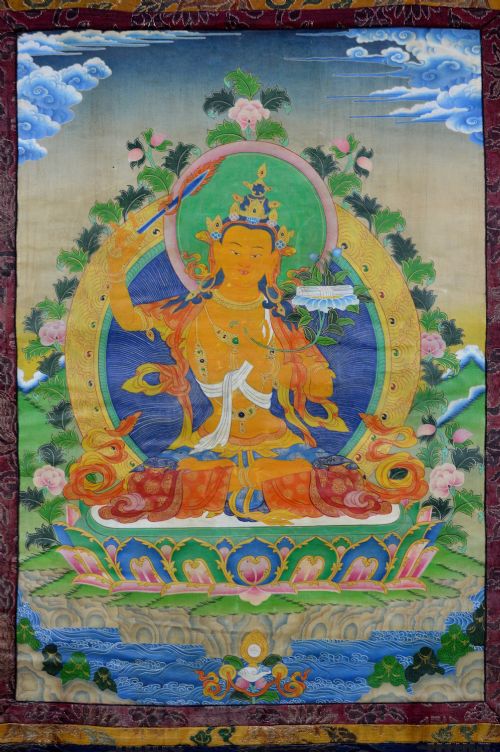
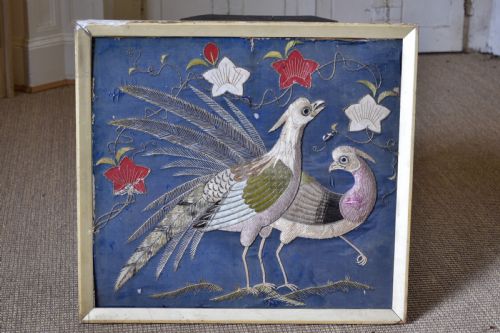


Antique Oriental Textile
These antique oriental textile pieces bring rich nomadic craft and vibrant colour into modern interiors.

Understanding antique oriental textile pieces
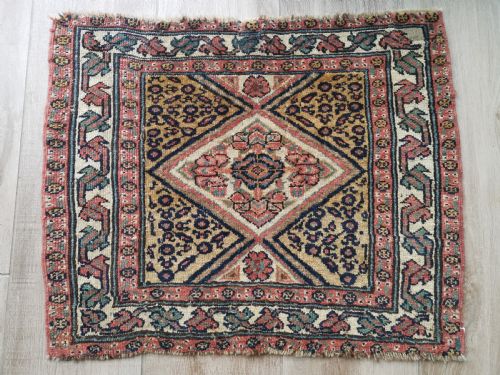
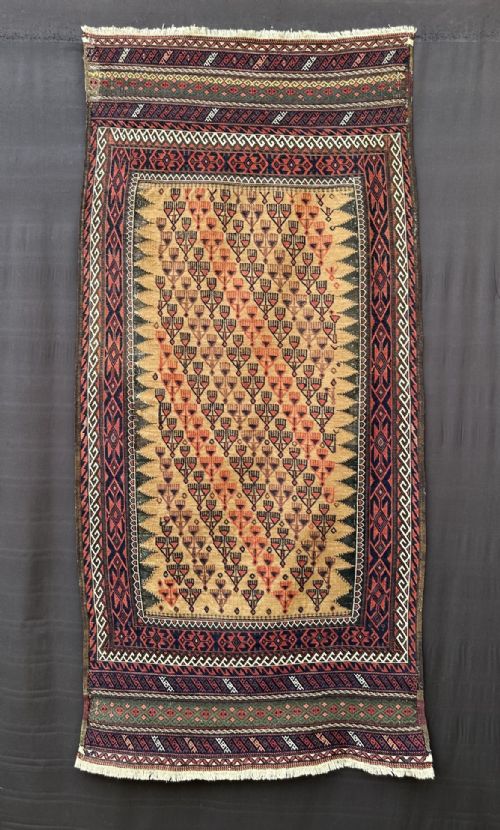
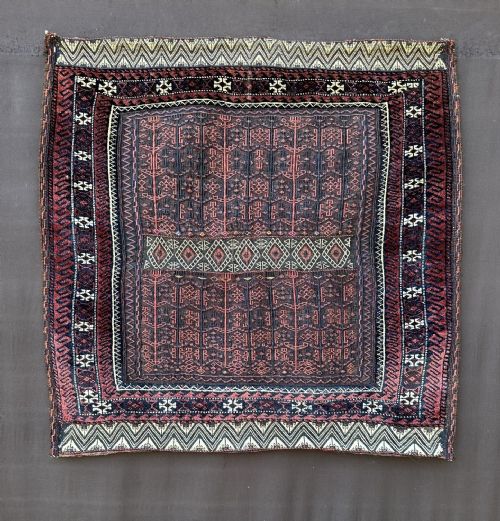
When you search for an antique oriental textile, you encounter wall hangings, rugs, storage bags, and bed covers rooted in nomadic and traditional cultures. The pieces on this page span from the late nineteenth century into the early twentieth century, originating from regions associated with Turkmen, Uzbek, and Baluch makers.
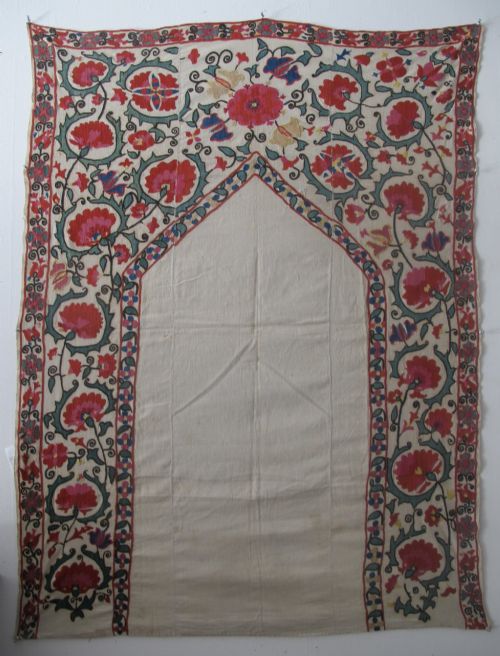
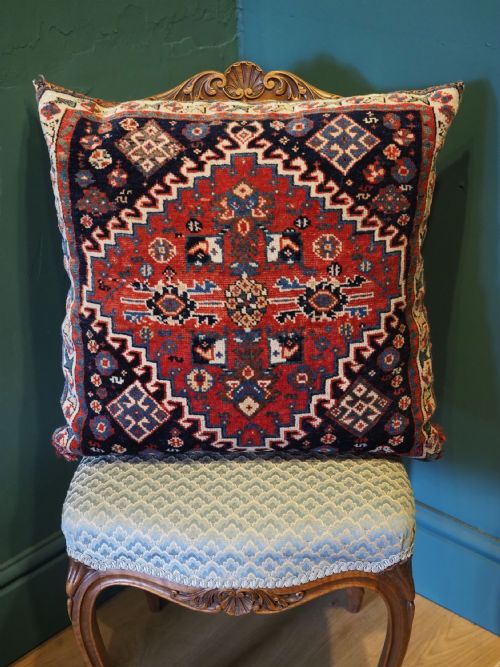
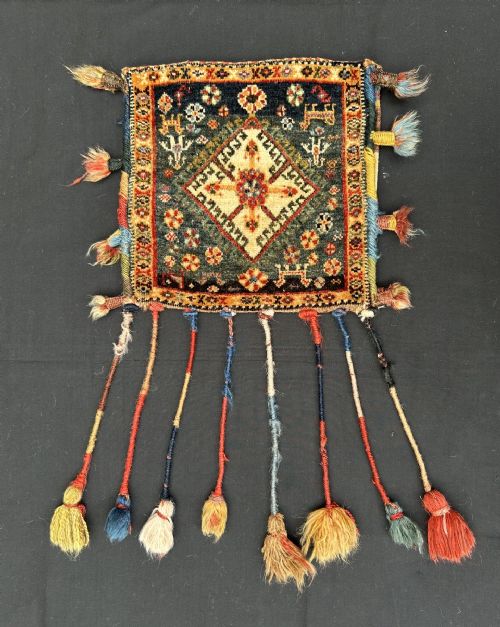
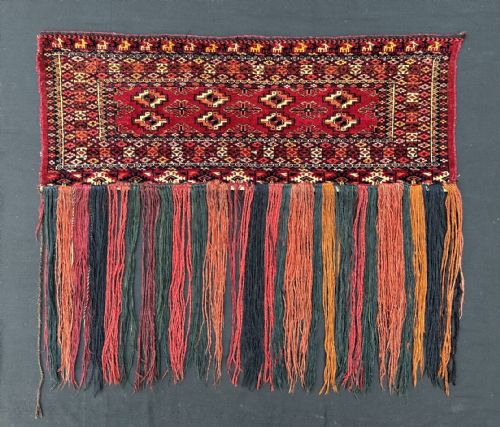
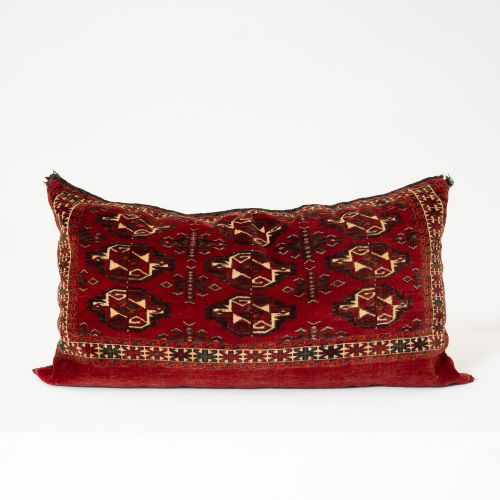
You are most likely to meet Turkmen chuval faces, Yomut torbas, and Uzbek suzanis worked in silk and wool. These items served functional roles in tribal life before finding appreciation as decorative wall hangings and collector items today.
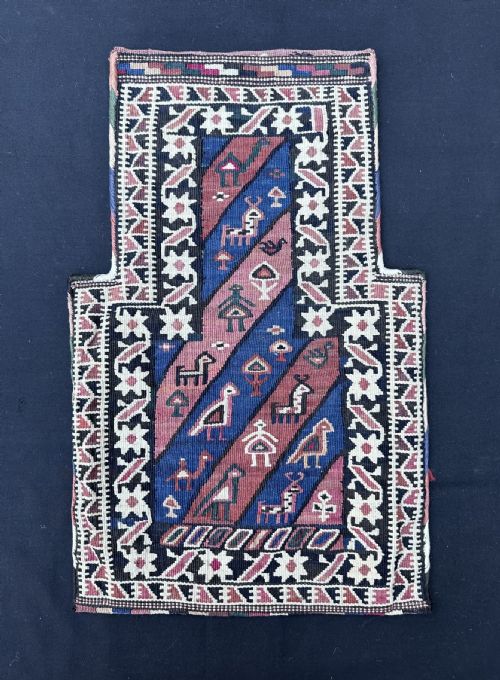
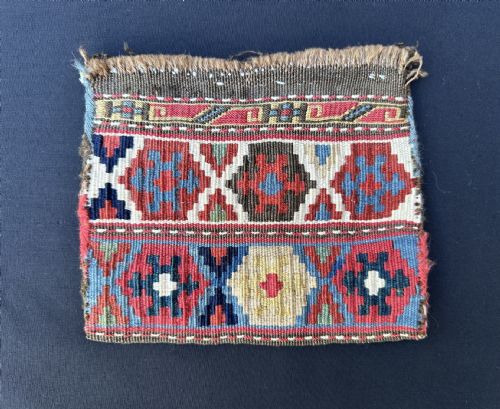
The selection ranges from Shahrisabz region suzanis to banded weft work storage bags, reflecting diverse tribal aesthetics. Each piece demonstrates traditional regional design motifs passed down through generations of weavers.
Materials and technique
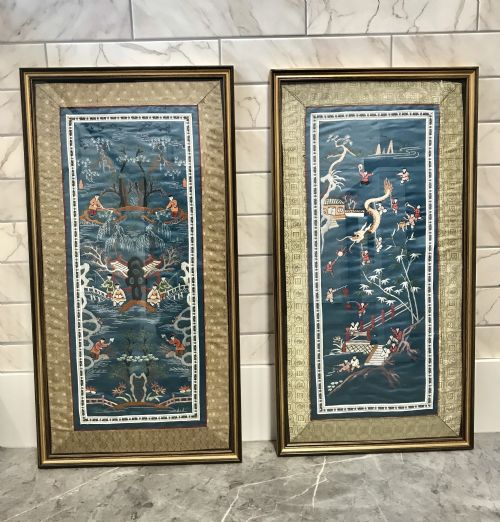
Weavers utilised natural fibres including wool, silk, and cotton to construct these textiles. Silk embroidery appears on silk and cotton foundations, while tribal rugs and bags employ wool with tight knotting and structured weave techniques.
Construction methods include fine weave chuval faces, complete storage bags with original backs, and suspended suzanis with hanging loops attached. The combination of durable cotton or wool foundations with lustrous silk threadwork defines the structural integrity of these works.
Retail Price Guide 2026
Typical UK retail prices for oriental textile, calculated from the Sellingantiques database of over a million retail prices indexed since 2003. This retail price guide relies exclusively on Sellingantiques data; no external sources or auction records are used, so the figures do not describe the wider market.
Several items retain their original functional backs and hanging loops, ready to resume their duties after a mere century of rest.
Distinctions in quality
Quality rests upon the density of the weave, the precision of needlework, and the survival of original structural elements like backs and hanging loops. Finer knotting and intricate silk embroidery distinguish exceptional pieces from standard regional work.
The integrity of the fibres and the complexity of the design layout, such as the number of guls on a Turkmen piece, separate the top of the range from simpler examples. Original completeness, including intact borders and structural supports, elevates the standing of any textile.
The Antique Oriental Textile Glossary
- Suzani
- An embroidered textile from Uzbekistan, traditionally worked in silk on a cotton or silk ground for domestic decoration.
- Chuval
- A large storage bag produced by Turkmen tribes, often collected as a face when separated from its reverse.
- Torba
- A smaller storage bag made by Yomut and other Turkmen groups, typically featuring characteristic tribal gul patterns.
- Gul
- A medallion motif repeated across Turkmen carpets and bag faces, often identifying the specific tribe of the weaver.
- Ru-i-jo
- An Uzbek term designating a bed cover or ceremonial coverlet, frequently created using fine silk embroidery.
Frequently Asked Questions
What is a suzani?
A suzani is an embroidered textile originating from Uzbekistan, historically created by brides as part of their dowry.
These pieces feature bold botanical motifs worked in vibrant silk threads upon cotton or silk foundations.
How were tribal bags used?
Storage bags like chuvals and torbas served practical functions inside nomadic tents for storing household belongings and bedding.
Over time, many of these durable woollen containers were separated from their original backs to be displayed as decorative wall hangings.
How do I care for textiles?
Protect antique textiles from direct sunlight to prevent natural dyes from fading over time.
Display them away from moisture and support their weight evenly across the entire upper edge when hanging.
How are tribal pieces identified?
Tribal attribution relies upon specific repeating motifs, colour palettes, and structural weave characteristics unique to each region.
Motifs such as the kepse gul point toward specific weaving groups like the Yomut or Tekke Turkmen.