




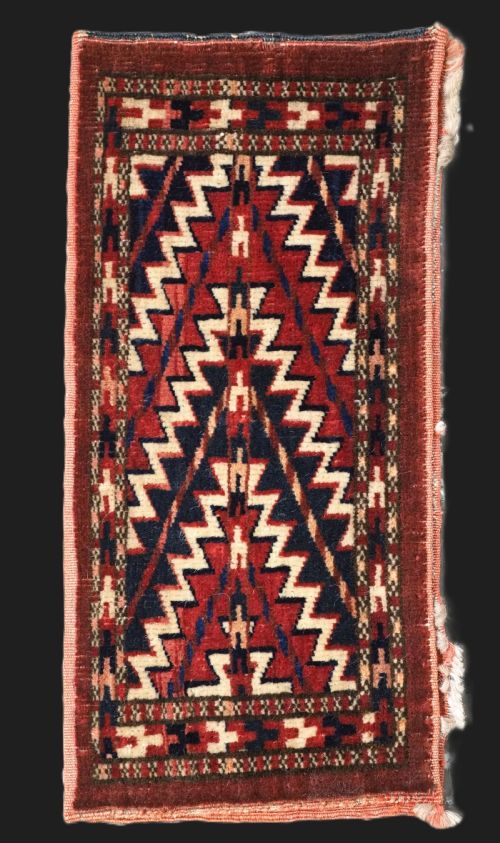


Nomadic Storage Bag
A nomadic storage bag offers a tangible piece of tribal heritage, combining practical utility with rich cultural symbolism.
Nomadic Storage Bag
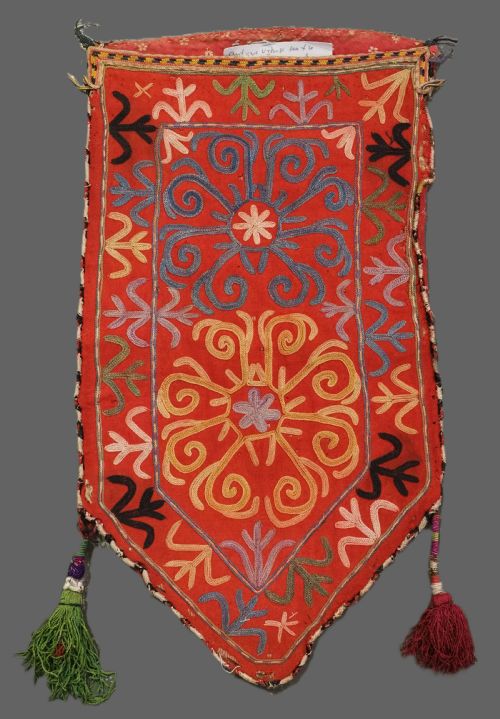
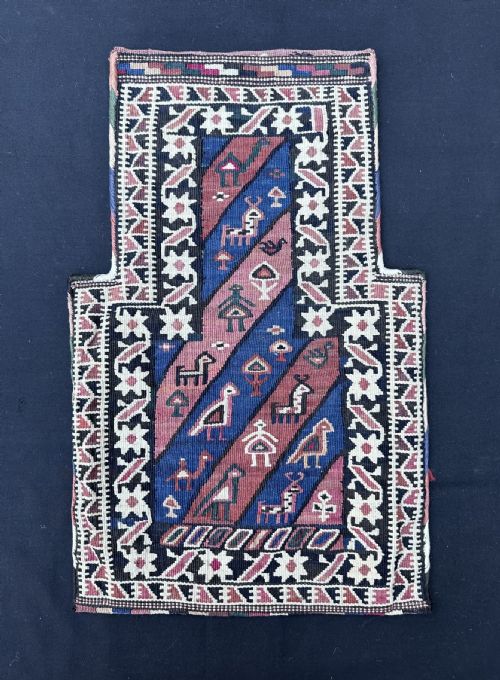
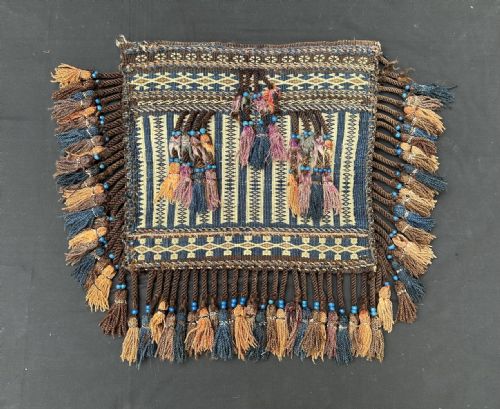
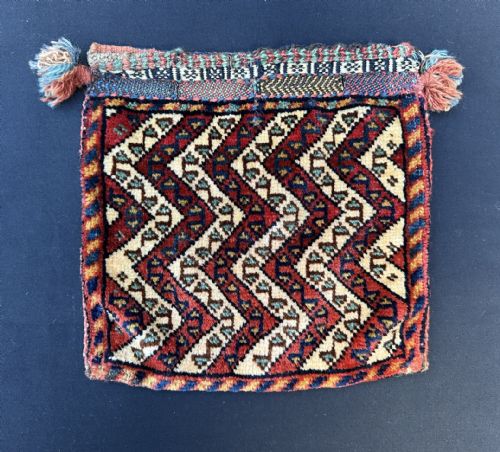
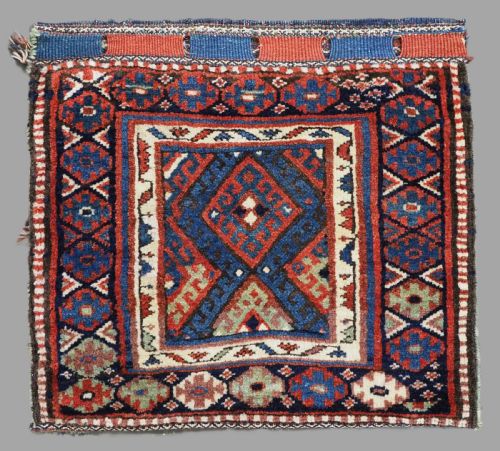
A nomadic storage bag represents functional tribal textiles originating from regions such as Central Asia and Western Persia. These woven containers were traditionally used within tents and camps for storing household goods and belongings.
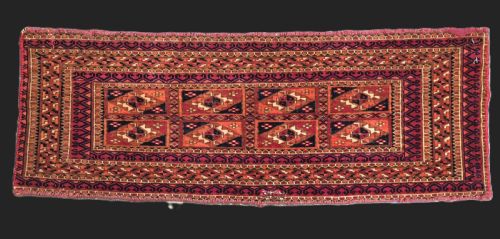
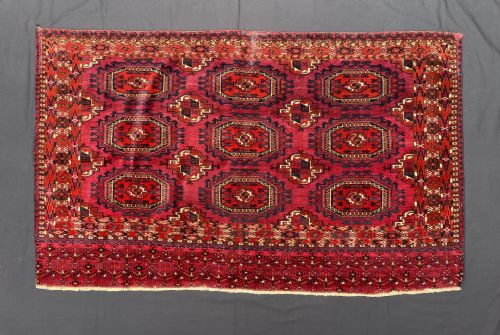
The pieces available here span from the late nineteenth century to the early twentieth century. They include regional forms such as the chuval, torba, and mafrash created by tribal groups including the Yomut, Tekke, and Lori-Bakhtiari nomads.
How they were made
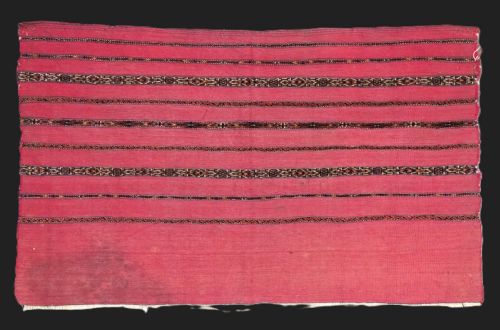
These textiles are constructed primarily from wool and hand-spun wool, frequently employing natural dyes to achieve their distinct colour palettes. Many examples retain their original plain-weave backs alongside their intricately patterned faces.
Weaving techniques vary across specific tribal traditions, ranging from standard weaves to fine weaves that display precise geometric guls and traditional motifs.
Nomadic Storage Bag Retail Price Guide 2026
Typical asking prices for nomadic storage bag among the pieces listed under this phrase on Sellingantiques today, from the lower quarter to the upper quarter. They describe what is for sale here now, not the wider market.
The listings span the period from 1880 to 1920, featuring wool and natural dyes across Turkmen, Central Asian Tribal, and Persian Tribal styles.
What varies in quality
Quality in these textiles depends on the tightness of the weave and the complexity of the design layout. Finer knotting and well-preserved structural integrity elevate an example within its type.
The preservation of the original backing and the clarity of the natural dyes further distinguish superior pieces. Intact structural components indicate careful historical use and preservation.
The Nomadic Storage Bag Glossary
- Chuval
- A large tent storage bag traditionally used by Turkmen tribes for bedding and clothing. These pieces often feature repeating primary guls across the face.
- Torba
- A smaller storage bag utilised within the nomadic tent for specific household items. They frequently display horizontal bands of geometric ornamentation.
- Gul
- A medallion motif used repeatedly in Turkmen tribal weaving. Each distinct pattern often identifies the specific tribe or clan.
- Natural dye
- Colouring derived from plant, insect, or mineral sources rather than synthetic compounds. These dyes yield rich, complex tones that age gracefully over time.
- Plain weave
- A simple interlacing of warp and weft threads without pile. This technique is commonly found on the reverse sides of storage bags.
Nomadic Storage Bag: Frequently Asked Questions
What is a nomadic storage bag?
A nomadic storage bag is a functional textile woven by tribal groups for domestic organisation inside tents. These items served as durable containers for personal possessions.
They reflect the artistic traditions and practical requirements of pastoral communities across Central Asia and Persia during the nineteenth and early twentieth centuries.
How were these bags used?
Nomadic families utilised these bags to store clothing, bedding, and household goods while moving between seasonal camps. Their sturdy construction protected contents from dust and moisture.
Many examples were hung against tent walls or stacked inside the living space, combining utility with decorative display.
How do I live with one?
These textiles can be displayed flat on walls or integrated carefully into interior spaces where foot traffic is minimal. Their rich wool textures add warmth to a room.
Protecting them from direct, intense sunlight preserves the natural dyes used in their creation over generations.
How do I identify periods and types?
Identifying periods relies on examining material characteristics, dye types, and structural wear consistent with nineteenth and early twentieth-century production. Specific tribal motifs point to particular regions and groups.
Design elements such as kepse guls or kizil colour fields help distinguish Yomut and Tekke Turkmen pieces from Western Persian examples.