


Persian Tribal Textile
These functional objects carry the rich heritage of nomadic weaving traditions across diverse regions.
Persian Tribal Textile
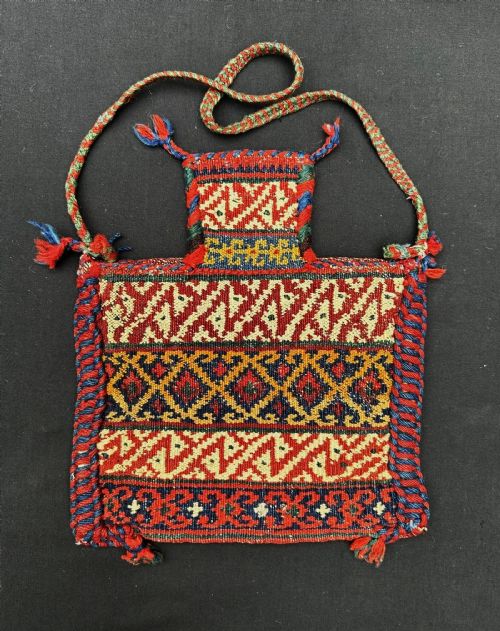
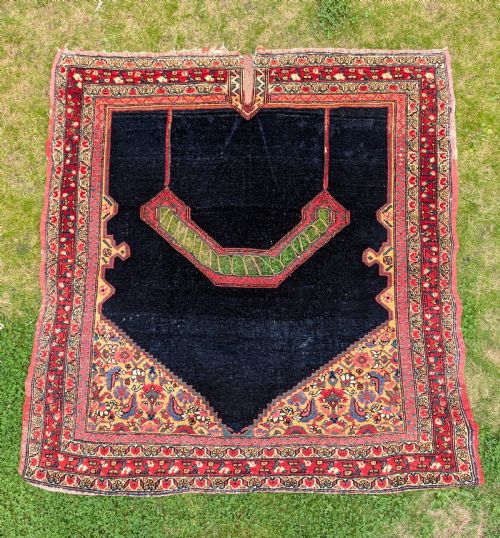
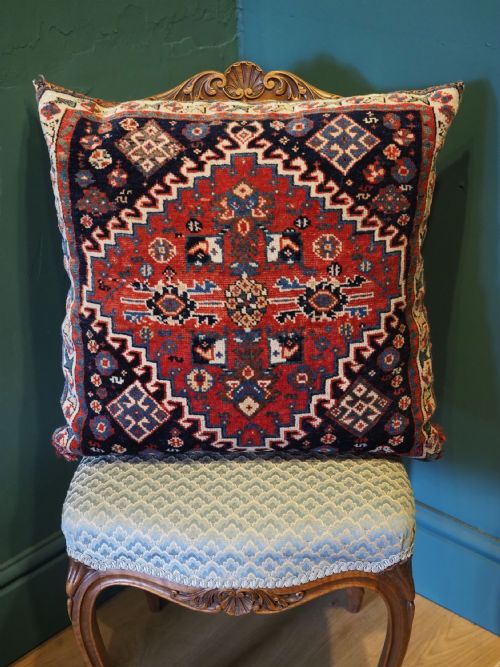
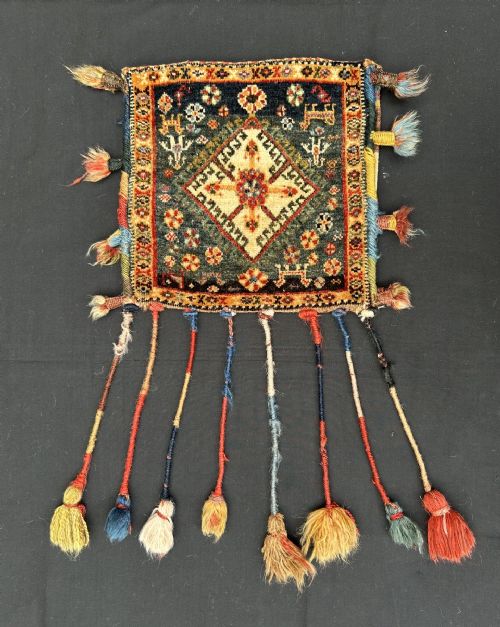
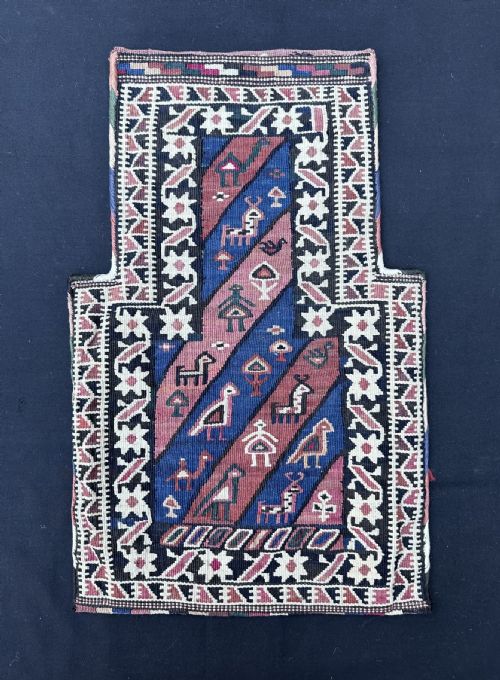
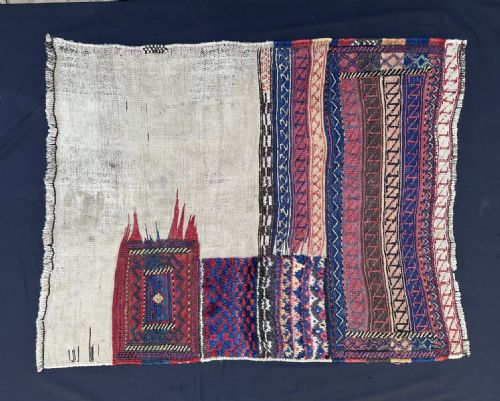
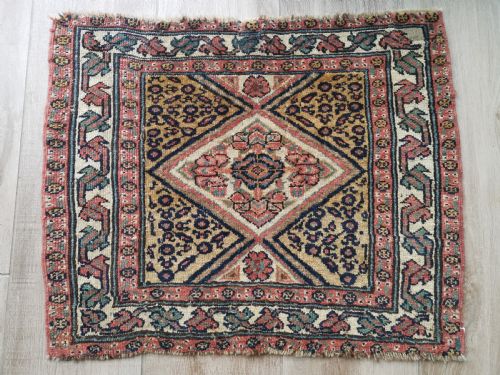
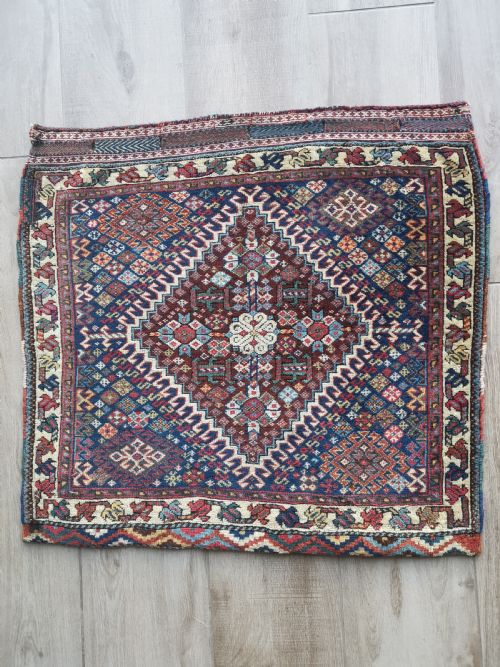
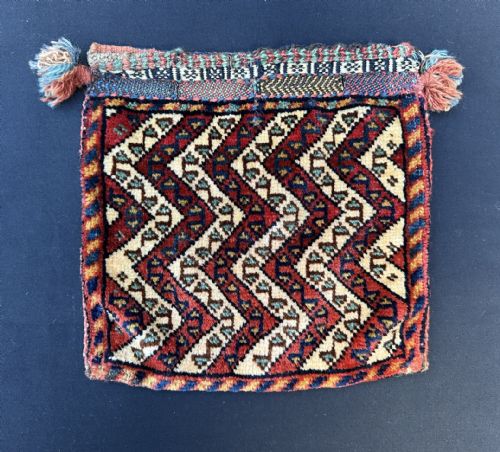
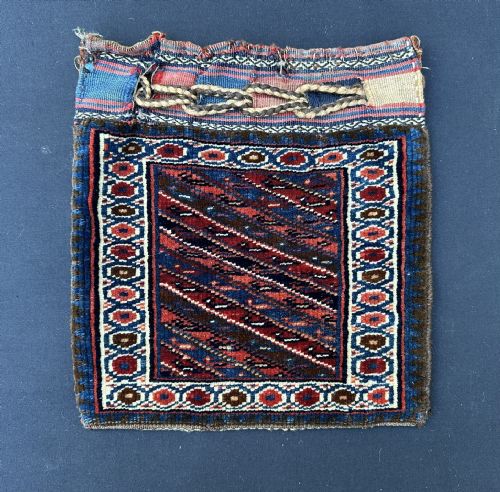
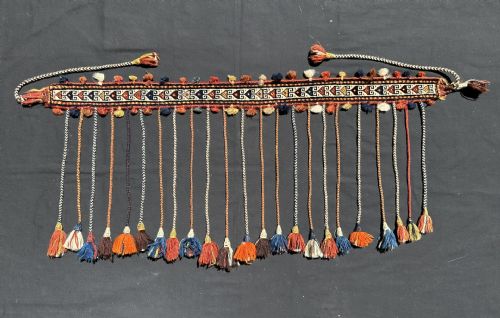
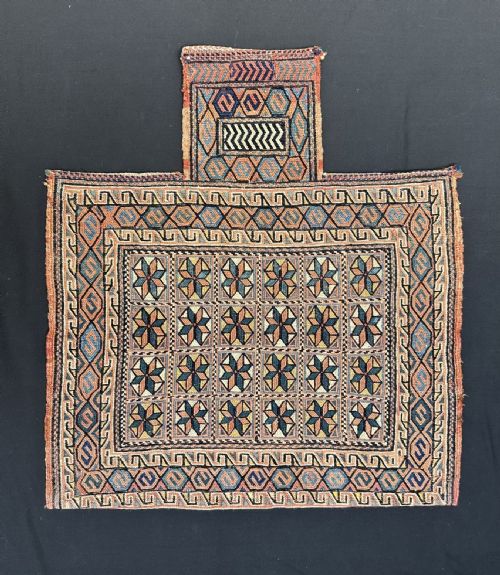
A persian tribal textile comprises woven utility items created by nomadic and village confederacies across regional territories such as Fars, Kerman, and Khorassan. Buyers encounter portable forms like saddle bags, vanity bags, salt bags, and flatwoven sofreh dining cloths.
Makers fashioned these pieces for daily nomadic life, utilising durable formats like bagfaces, animal trappings, and grain containers that served practical transport and domestic functions. The examples present specific tribal attributions, connecting items directly to groups including the Qashqai, Afshar, Shahsavan, and Baluch.
The surviving works reflect the distinct cultural identities of western, southern, and northern weaving groups operating throughout the nineteenth and early twentieth centuries. Each format demonstrates specific structural requirements dictated by its original nomadic purpose.
Materials and construction
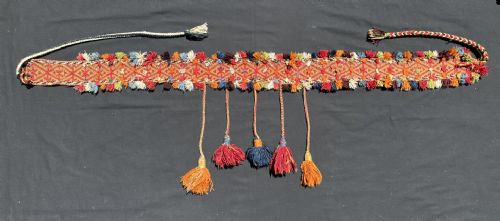
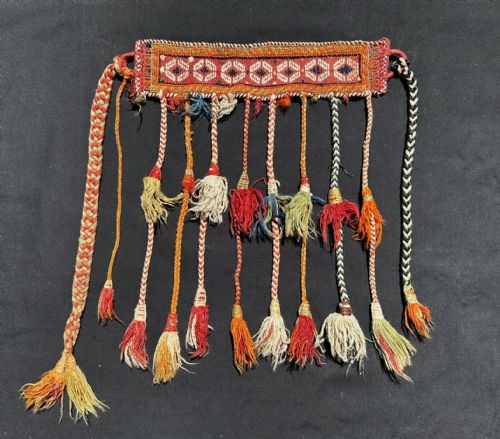
Weavers relied principally on hand-spun wool and cotton foundations, incorporating natural dyes to achieve durable colour saturation across pile and flatwoven surfaces. Artisans occasionally integrated supplementary elements such as wood, leather, and cowrie shells into utilitarian containers and trappings.
Construction methods combined pile knotting with sophisticated flatweaving techniques, producing resilient structures intended to withstand rigorous travel and daily domestic use. The application of natural dyestuffs produced varied hues that developed distinct patinas over decades of handling.
Persian Tribal Textile Retail Price Guide 2026
Typical asking prices for persian tribal textile among the pieces listed under this phrase on Sellingantiques today, from the lower quarter to the upper quarter. They describe what is for sale here now, not the wider market.
Materials recorded in current inventory include wool, cotton, leather, wood, and cowrie shells.
Distinctions in quality
Superior execution manifests in the precision of the weave, the complexity of geometric or figurative composition, and the depth of the natural dye palette. Finely spun wool and tight structural packing distinguish exceptional items from simpler utilitarian goods.
The integrity of the original format, whether a complete bagface, an intact saddle cover, or an unsevered sofreh, influences the standing of the piece. Well-preserved edge finishes and minimal structural loss elevate the overall standard of surviving examples.
The Persian Tribal Textile Glossary
- Sofreh
- A flatwoven spread or cloth utilised for dining, processing bread dough, or domestic meal preparation. These textiles often display intricate geometric layouts specific to the producing tribal group.
- Chanteh
- A small nomadic vanity bag or personal container used for carrying small items. They frequently feature detailed pile or flatwoven designs on the face.
- Khorjin
- A traditional saddlebag designed for mounting over animals during nomadic migrations. Collectors prize these for their robust construction and balanced dual-pocket layouts.
- Sumac
- A supplementary weft-wrapping technique that produces a durable, structurally distinct textile without a cut pile surface. Shahsavan weavers frequently utilised this method for storage bags and trappings.
- Bagface
- The decorative front panel of a utilitarian nomadic bag, often preserved independently after the plain backing wore away. These panels showcase the primary artistic expression of the weaver.
Persian Tribal Textile: Frequently Asked Questions
How were these bags used?
Nomadic groups utilised these woven containers for transporting salt, tobacco, personal items, and household goods across regional landscapes.
Larger versions served specific domestic functions within tents, acting as storage receptacles or grain holders during seasonal moves.
Where did these weavers live?
Weavers operated within distinct tribal confederacies scattered across southern, western, and northern regions of the historical Persian territories.
Groups such as the Qashqai, Afshar, and Bakhtiari moved seasonally through mountain ranges and plateaus, carrying their upright or horizontal looms with them.
How do I identify different tribes?
Attribution relies on specific structural traits, knotting styles, and distinct geometric motifs associated with particular regional confederacies.
Certain colour combinations and border arrangements also point directly to specific subgroups like the Kashkuli or Darrehshuri.
How should I care for these textiles?
Protect fragile wool surfaces from direct sunlight and excessive humidity to preserve natural dye integrity over time.
Gentle vacuuming with appropriate mesh screens helps remove dust without disturbing hand-spun fibres or historic foundation threads.