
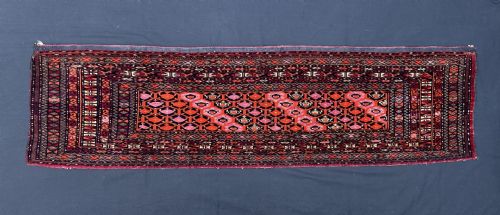
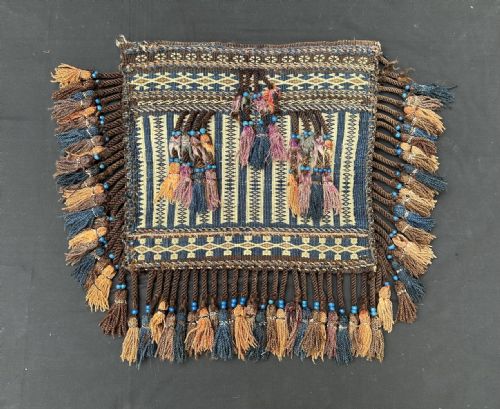
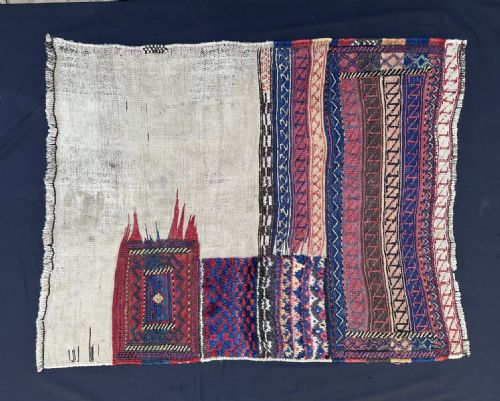
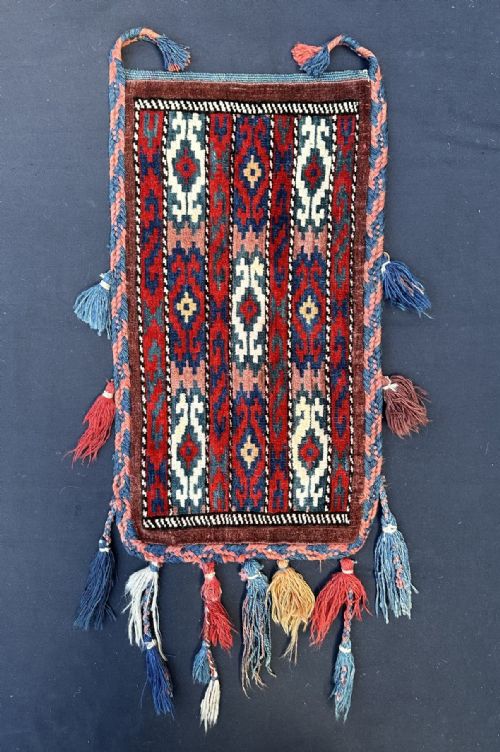
Antique Rug Bag
These woven containers offer a direct link to nomadic life, prized for their expressive tribal patterns and practical utility.
Antique Rug Bag
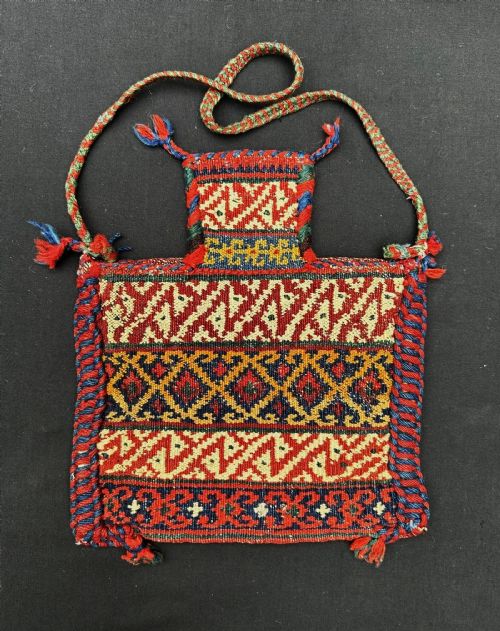
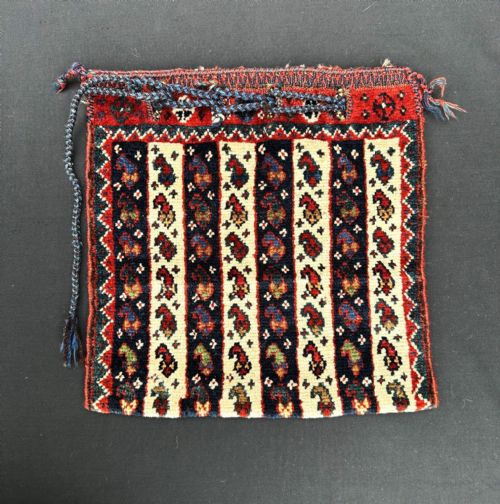
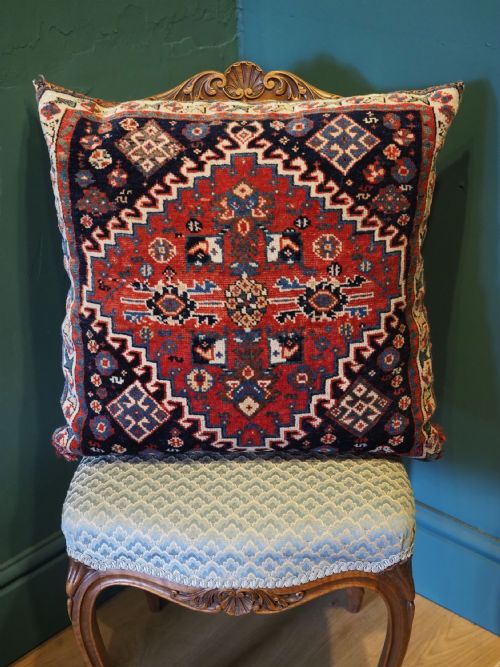
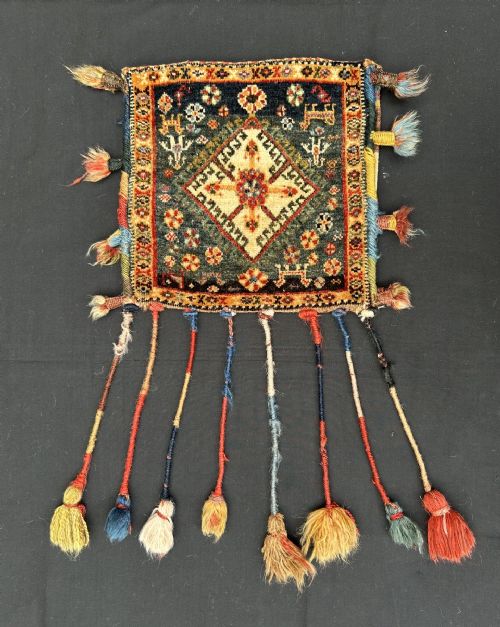
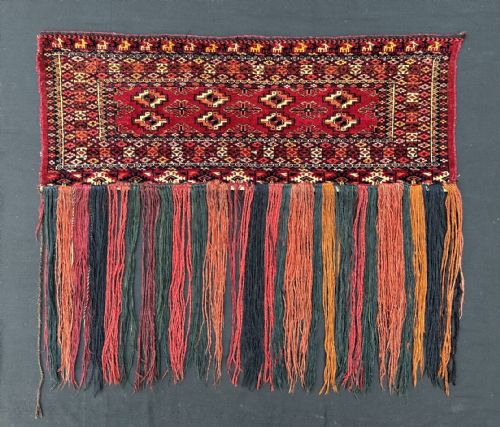
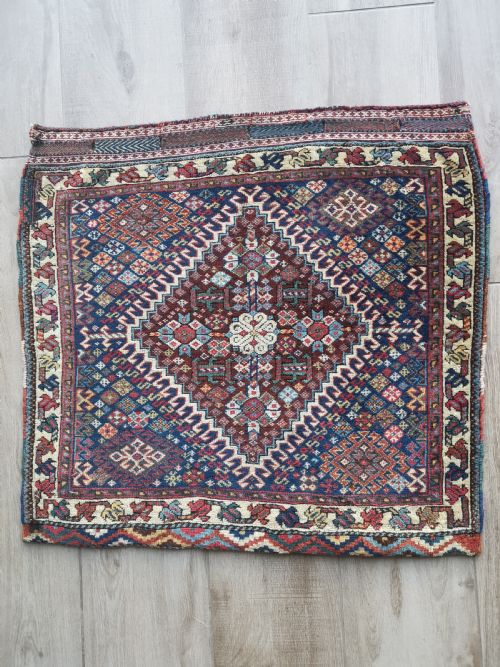
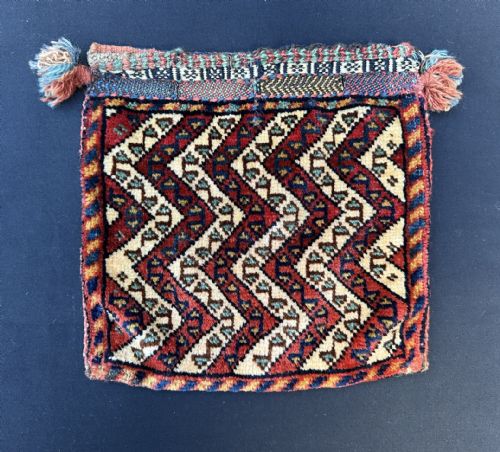
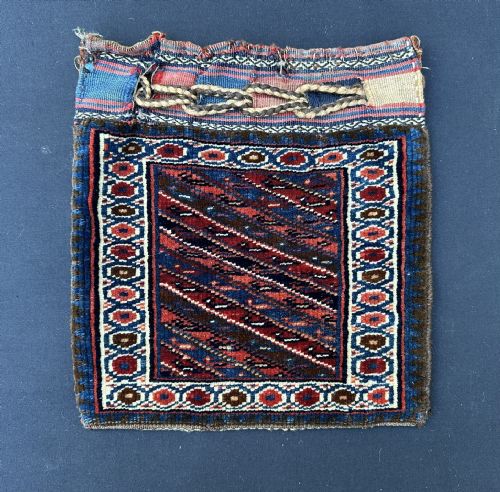
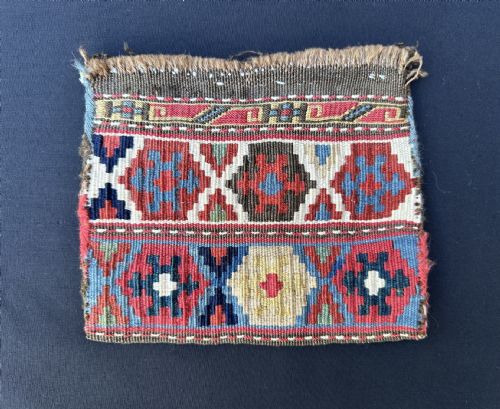
Tribal weavers produced these items for personal domestic use rather than for export, resulting in authentic expressions of regional weaving traditions. Pieces associated with groups such as the Qashqa'i, Afshar, Turkmen, and Baluch demonstrate distinct tribal iconography and structural designs.
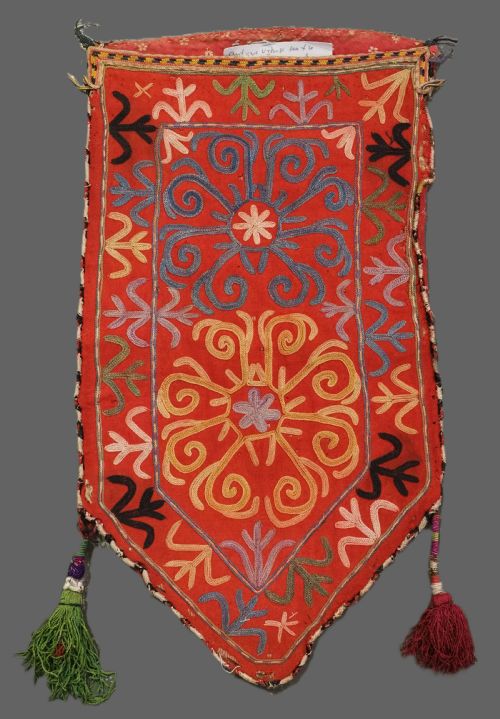
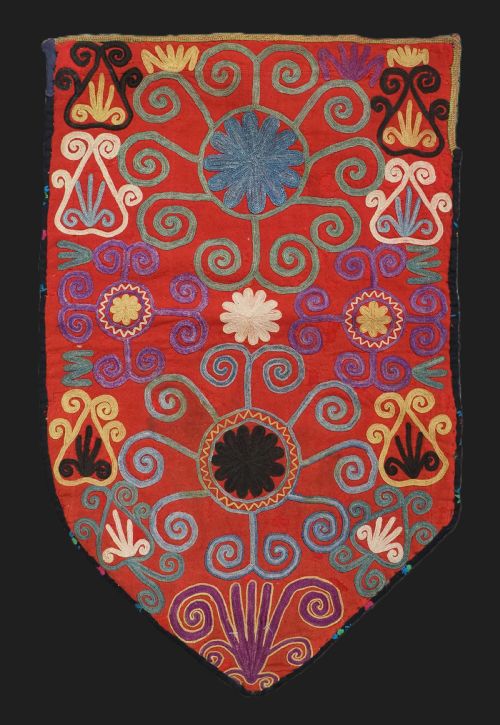
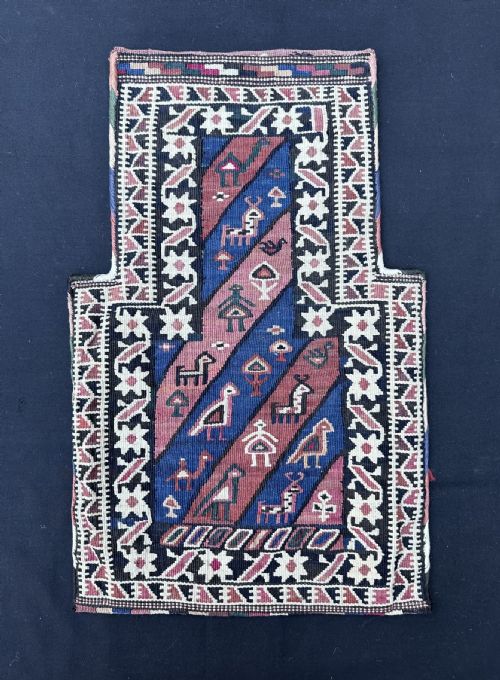
Examples range from complete saddle bags with original plain weave backs to single bag faces and smaller pouches like the Uzbek uut kap ilgich or Kurdish chanteh. Each textile reveals the specific material culture of the tribe that made it, utilising traditional formats suited for transport on animals or storage within tents.
What Varies in Quality
The integrity of the wool and the depth of natural dye palettes set finer examples apart from simpler productions, with rich, varied hues indicating expert dyeing methods. Material longevity depends on the tightness of the weave and the secure attachment of foundational structures.
Design clarity and the precision of tribal motifs dictate aesthetic distinction within regional groups, reflecting the weaver's skill and adherence to traditional patterns. The preservation of original backs, closures, and side cords significantly influences the integrity of individual pieces.
Listings feature items dated from the 1850s through the 1920s, constructed from hand-spun wool, cotton, and natural dyes.
The Antique Rug Bag Glossary
- Chanteh
- A small tribal bag or pouch used by nomads for personal belongings. These portable containers often featured intricate face designs.
- Chuval
- A large storage bag produced by Turkmen tribes. They served to store household goods inside felt tents.
- Torba
- A smaller Turkmen hanging bag used for domestic storage. They frequently displayed primary gul motifs on the face.
- Khorjin
- A double-sided saddle bag designed for transport on pack animals. The two compartments were joined by a central slit web.
- Salor
- A primary tribal design attribution associated with early Turkmen weaving. Collectors recognise this term for its specific arrangement of major guls.
Antique Rug Bag: Frequently Asked Questions
What were antique rug bags used for?
Nomadic groups utilised these woven containers for transporting and storing household provisions, clothing, salt, and personal items during seasonal migrations.
Different structural forms served specific domestic functions, such as saddle bags for animal transport or smaller hanging pouches for tent interiors.
How do I care for an antique rug bag?
Protect fragile textiles from direct sunlight to prevent natural dye fading, and vacuum gently using a mesh screen attachment to remove dust without pulling fibres.
Keep wool and natural materials dry and well-ventilated to avoid pest damage and moisture accumulation over time.
How can I tell different tribal bags apart?
Distinctive knotting structures, specific regional colour palettes, and characteristic geometric or medallion motifs help attribute pieces to groups like the Qashqa'i or Turkmen.
Format variations, such as the proportions of salt bags versus grain bags, also point toward specific tribal origins.
Are bag faces different from complete bags?
A bag face is the decorative piled front section separated from its original plain weave back and side gussets over decades of use.
Complete examples retain their original reverse panels and hanging loops, offering the full construction intended by the nomadic weaver.