
Silk Embroidered Suzani
These textiles bring rich Central Asian folk art and tribal craft into modern spaces, offering vibrant wall hangings and decorative covers that connect homes to traditional needlework traditions.
Silk Embroidered Suzani
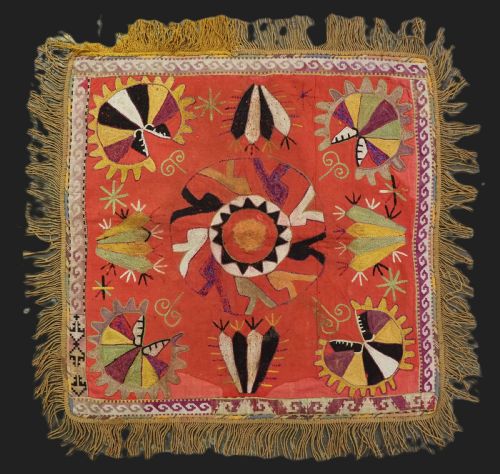
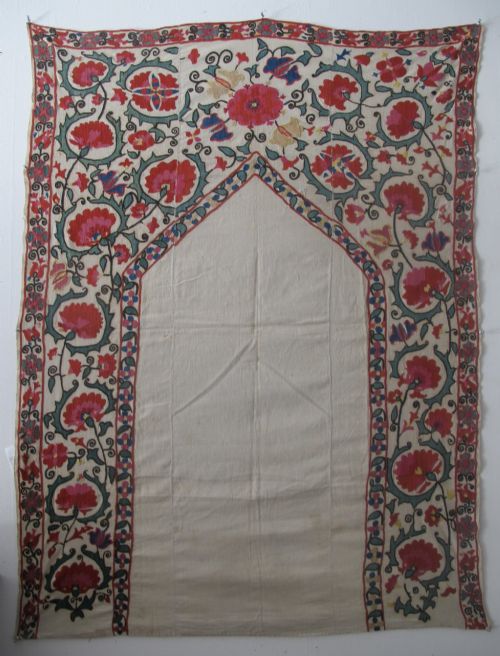
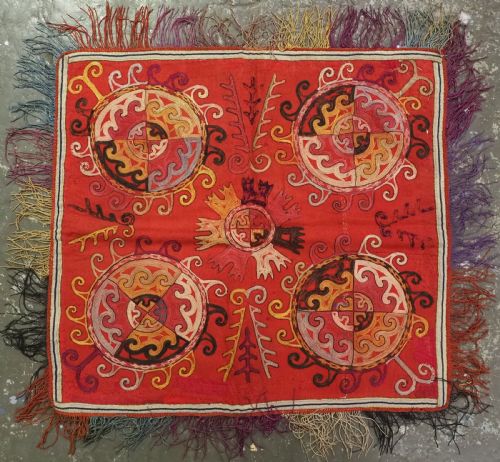
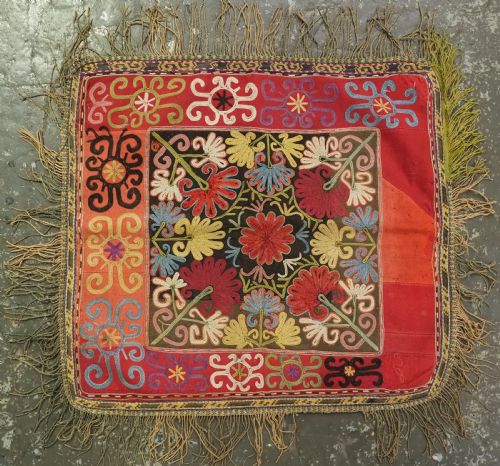
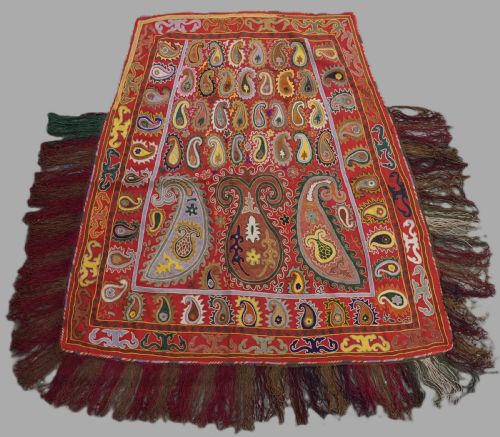
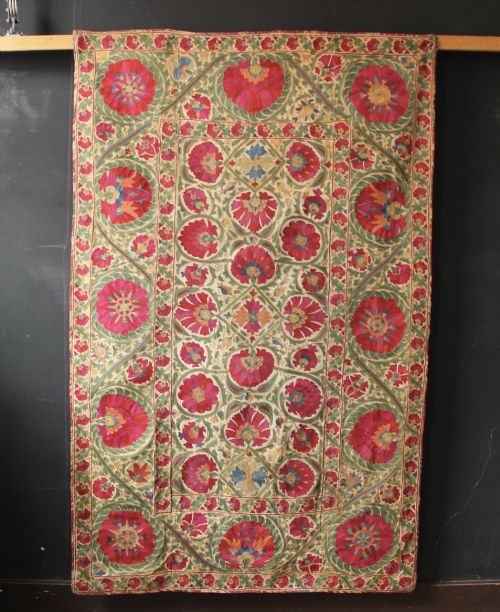
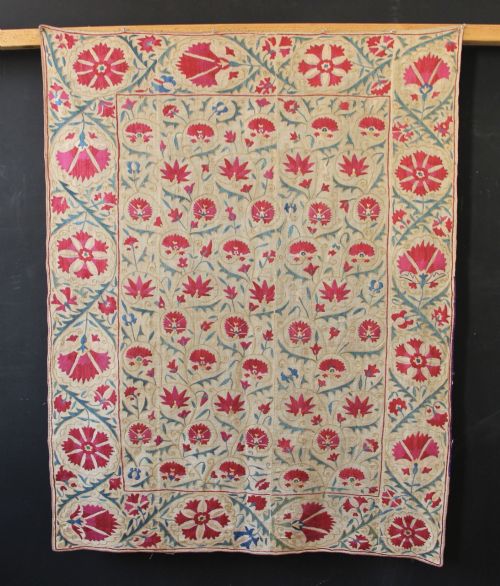
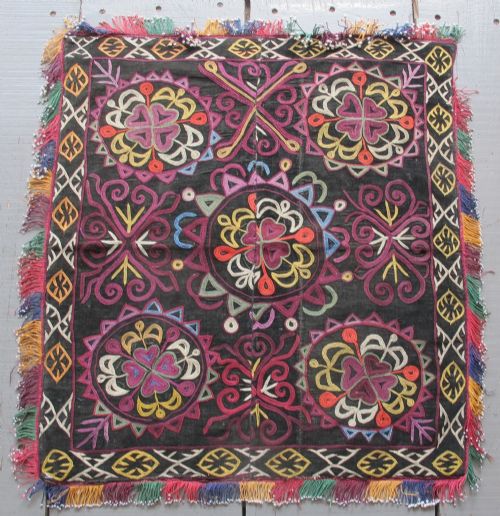
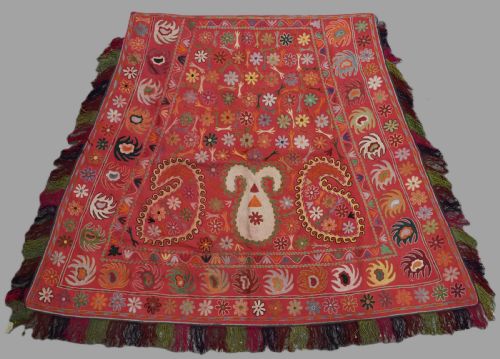
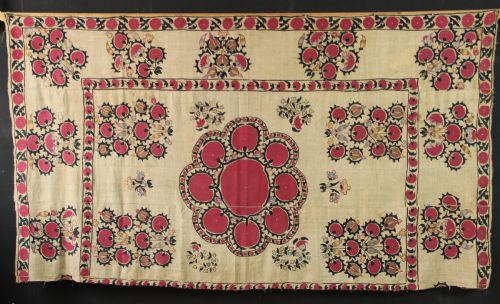
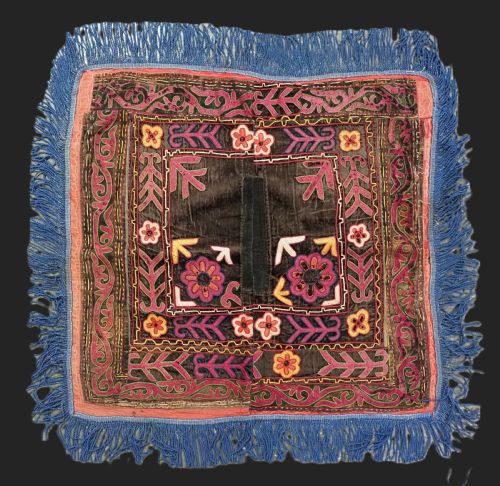
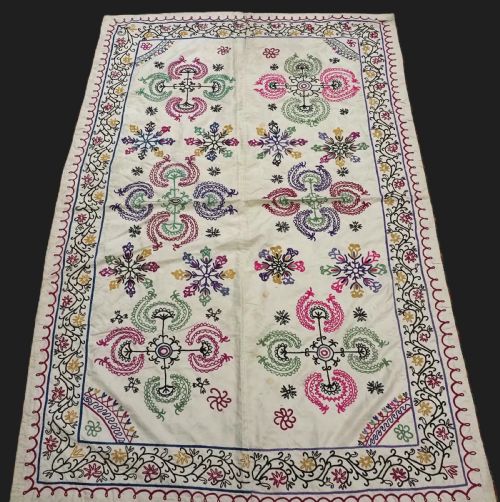
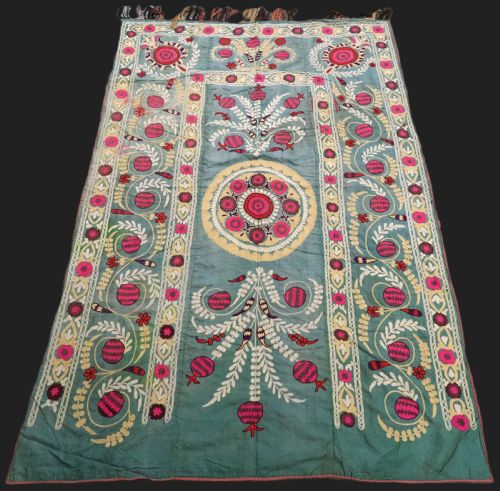
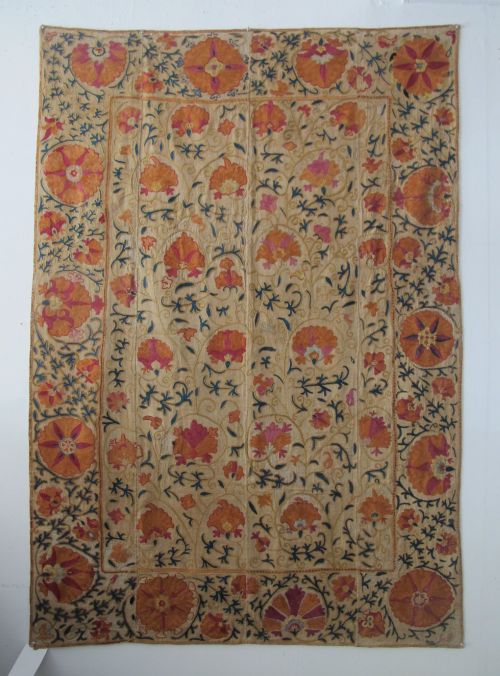
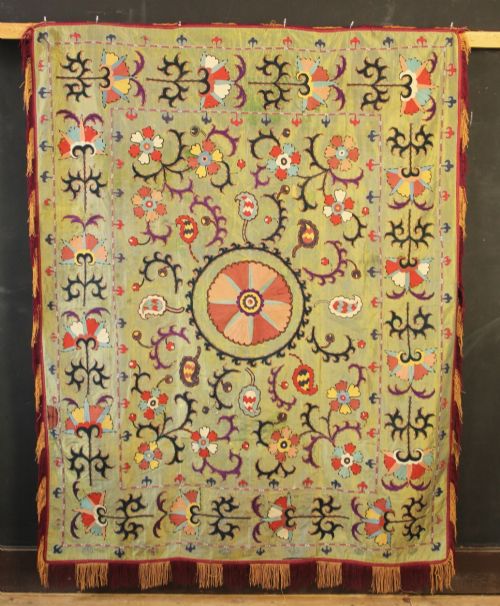
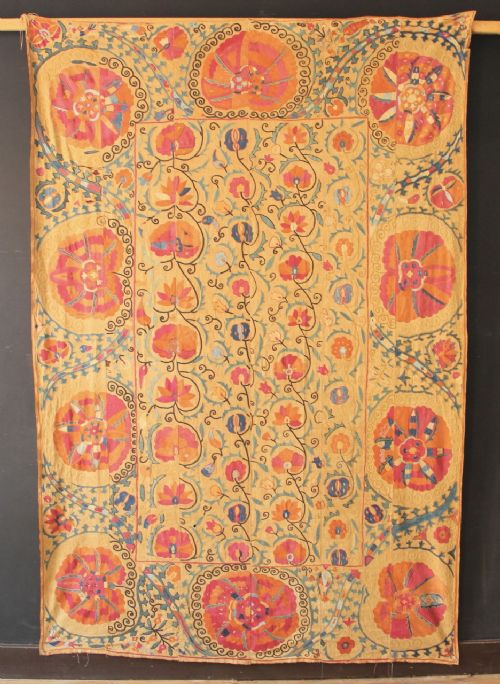
A silk embroidered suzani represents traditional Central Asian textile art, originating primarily from Uzbekistan and created by regional groups such as the Lakai, Tajik, and Uzbek tribes. These works encompass diverse forms including large wall hangings, bed covers known as ru-i-jo, dowry items like ilgich, and ceremonial horse covers.
Buyers encountering this selection will find pieces ranging from compact mirror covers and nim suzanis to large nineteenth-century medallion variants and architectural designs from centres like Bokhara and Shakrisabz. The materials vary across the pieces, pairing silk thread with grounds of cotton, wool, velvet, or linen.
The aesthetic of a silk embroidered suzani spans from folk art motifs to formal regional patterns, often reflecting specific tribal origins and nineteenth or early twentieth-century dates.
How they were made
Makers constructed these textiles by working fine silk thread onto woven foundations of cotton, wool, silk, or mixed adras fabric. Artisans frequently deployed tambour stitch or surface embroidery techniques to build dense floral, geometric, and architectural patterns.
Ground fabrics often utilised dyed cotton or wool, sometimes incorporating velvet or linen elements alongside glass beads for specific tribal pieces like Lakai horse covers.
Silk Embroidered Suzani Retail Price Guide 2026
Typical asking prices for silk embroidered suzani among the pieces listed under this phrase on Sellingantiques today, from the lower quarter to the upper quarter. They describe what is for sale here now, not the wider market.
Several horse covers in the collection preserve glass beads alongside traditional silk embroidery, proving that tribal horses deserved fine decorative style too.
What varies in quality
Quality in these textiles depends heavily on the fineness of the needlework, the complexity of the design, and the vibrancy of the silk thread used across the ground fabric. Superior examples display meticulous stitch density and harmonious colour palettes that remain intact across the composition.
The choice of foundation material also influences the character of the piece, with finely woven silk-on-silk grounds or substantial wool supports demonstrating distinct technical proficiency by the artisan.
The Silk Embroidered Suzani Glossary
- Suzani
- A traditional embroidered tribal textile from Central Asia, usually created as a wall hanging or domestic cover.
- Nim suzani
- A smaller or half-sized version of the standard regional textile, often utilised for compact spaces or specific household functions.
- Ilgich
- A specific type of dowry embroidery or wall hanging produced by the Lakai tribe in Uzbekistan.
- Ru-i-jo
- A traditional bed cover textile, frequently embroidered with silk thread on a silk or cotton ground.
- Adras
- A traditional Central Asian fabric woven from a combination of silk and cotton yarns.
Silk Embroidered Suzani: Frequently Asked Questions
Where do these pieces originate from?
The pieces originate primarily from Uzbekistan and surrounding Central Asian regions, with specific styles associated with cities like Bokhara, Shakrisabz, and Nurata. Tribal groups such as the Lakai and Tajik developed distinct regional aesthetics.
Local workshops and nomadic groups contributed unique design vocabularies, ranging from architectural motifs to bold tribal geometric patterns.
How do I care for a textile wall hanging?
Mounting these delicate works requires professional framing or support systems that distribute weight evenly across the silk and cotton fabric. Direct sunlight should be avoided to protect the natural dyed silk threads from fading.
Gentle conservation methods and minimal handling ensure the historic embroidery ground remains stable over decades of display.
How can I tell different regional styles apart?
Regional attribution relies on identifying specific design elements, colour combinations, and ground materials associated with known centres like Bokhara or Nurata. Lakai pieces often feature distinct medallion variants and glass bead embellishments on wool grounds.
Examining the density of the silk embroidery and the choice of foundation fabric helps distinguish tribal folk art from formal urban workshop production.