
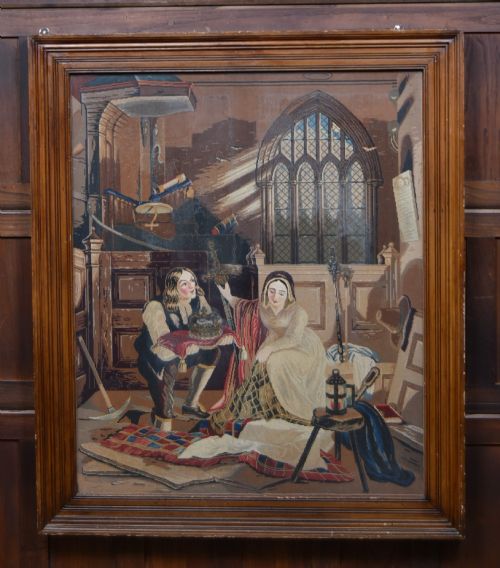

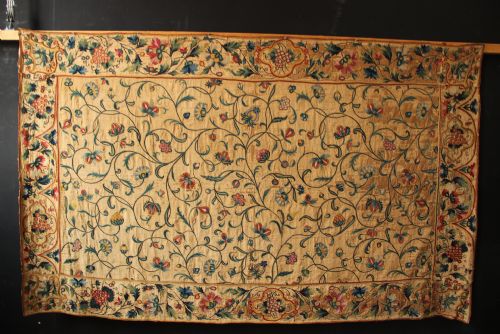
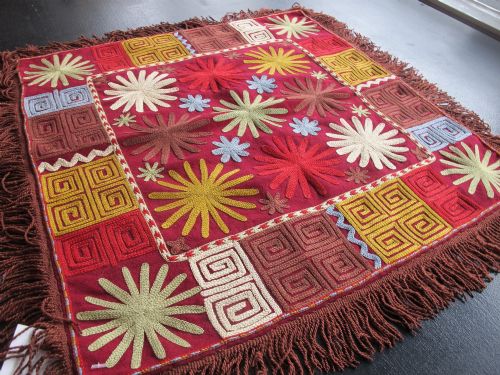
Embroidered Wall Hanging
These embroidered wall hanging pieces bring rich textiles, tribal artistry and historical textile traditions directly into domestic spaces.
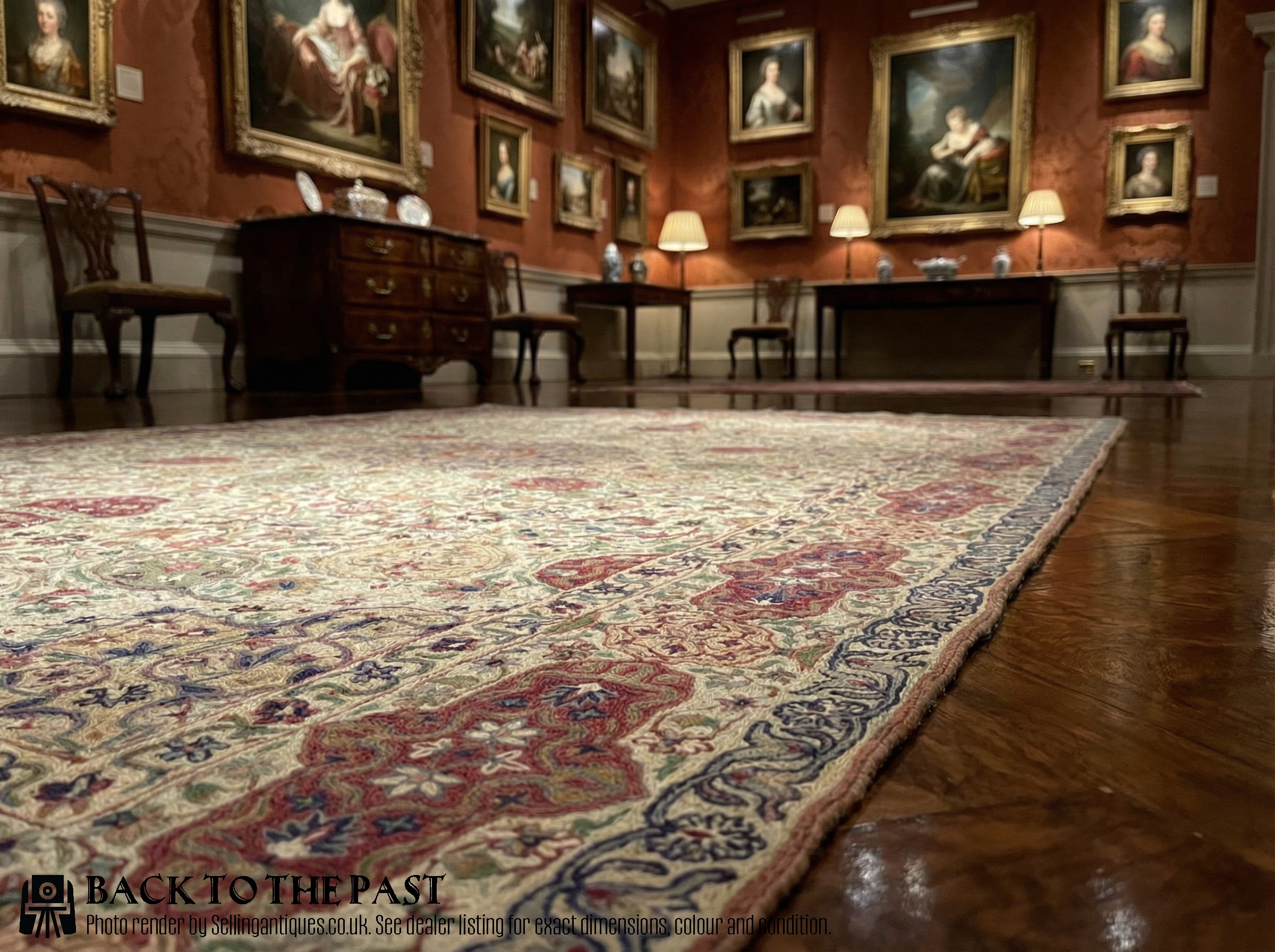
Understanding the embroidered wall hanging
When you search for an embroidered wall hanging, you encounter textile traditions spanning Central Asian suzanis, Greek island bedsheet borders, Burmese hangings, and Indian torans. These pieces range from early works originating around the seventeenth and eighteenth centuries through to twentieth-century examples.
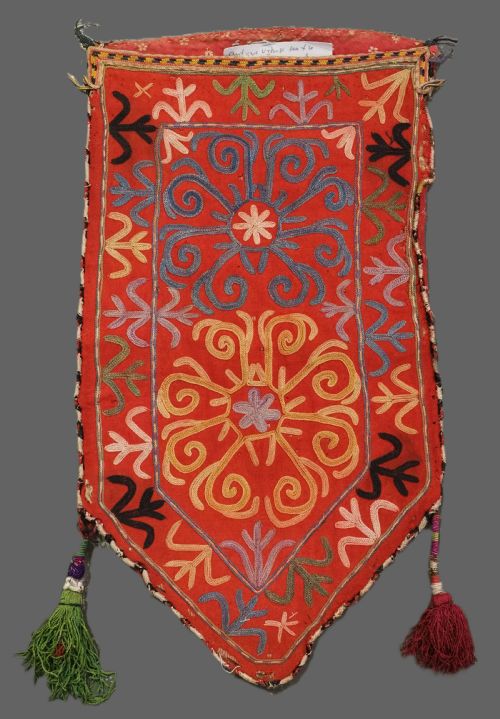
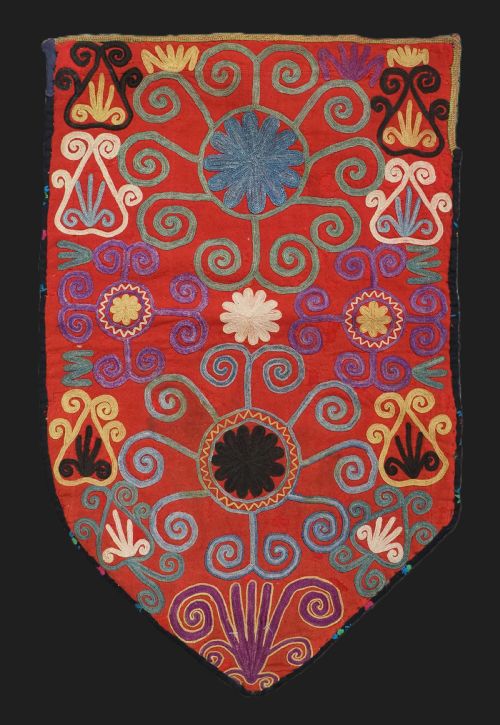
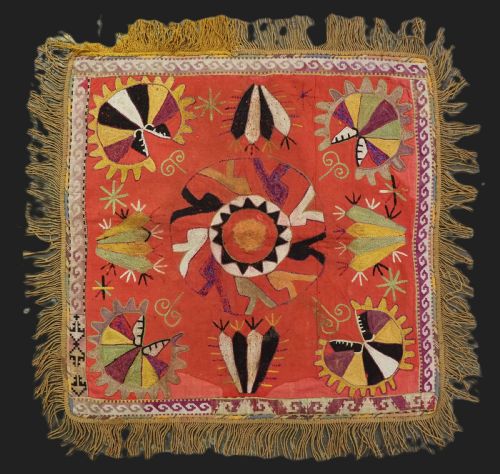
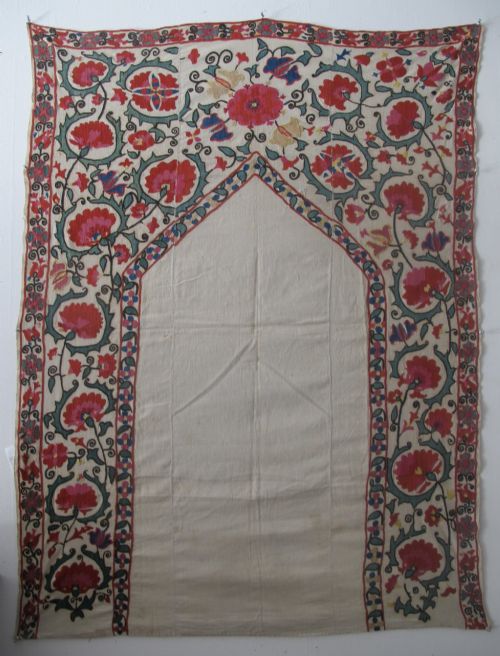
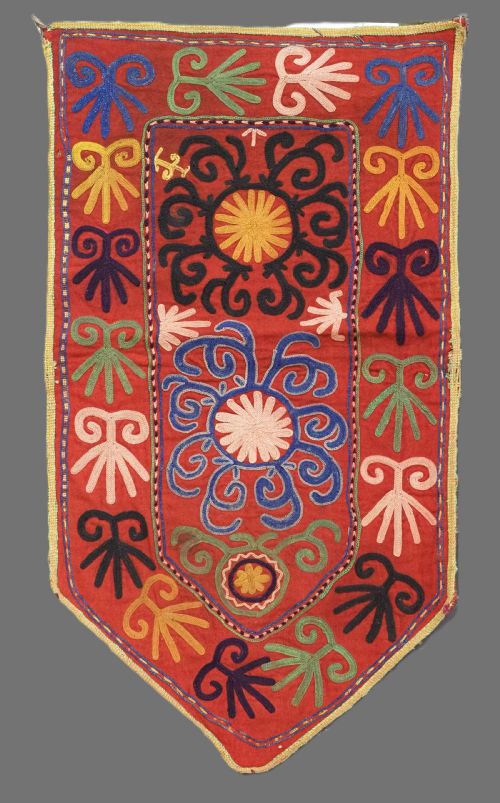
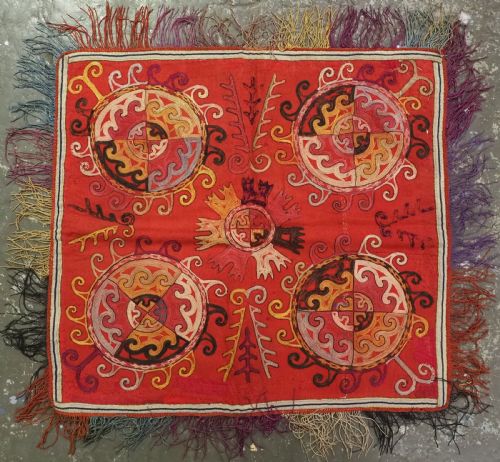
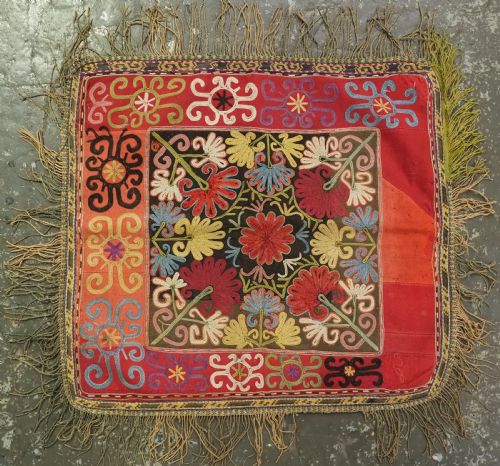
The most common pieces met on this page are Central Asian suzanis from Uzbekistan, often created by Kyrgyz or Lakai makers. These works feature distinctive needlework on silk, cotton, or wool grounds.
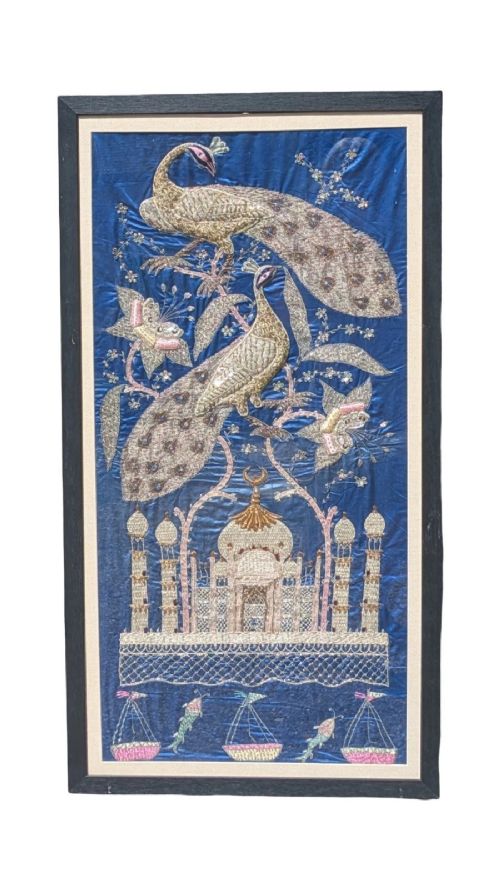
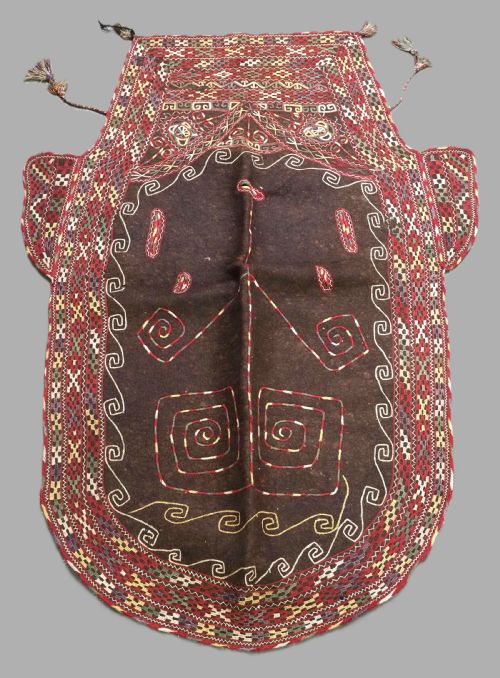
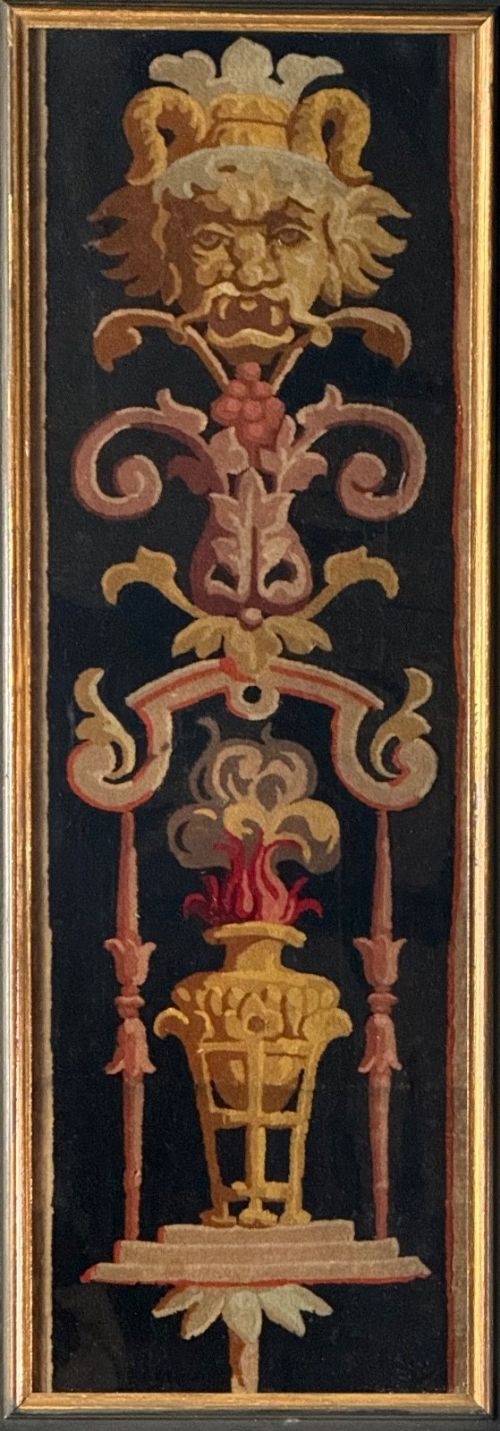
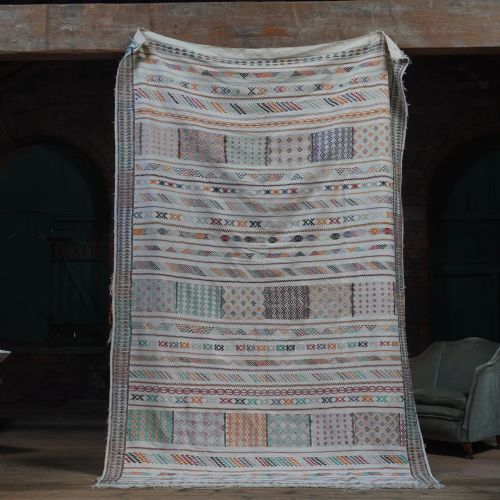
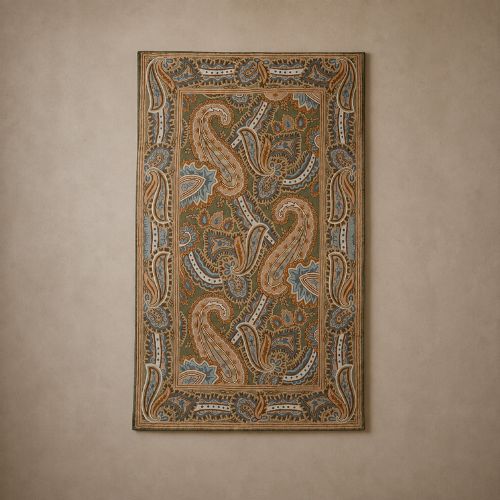
Alongside Central Asian textiles, the selection includes Indian torans, Greek island borders, and crewelwork pieces. Each object represents specific regional textile crafts designed for decorative or domestic display.

Materials and construction
These textiles utilise base fabrics of silk, cotton, linen, wool, and velvet, providing varied textural foundations for needlework. Artisans applied silk and metallic thread embroidery directly onto these grounds.
Many works incorporate additional decorative elements such as glass beads and sequins. These materials combine to create intricate surface patterns across diverse regional traditions.
Retail Price Guide 2026
Typical UK retail prices for embroidered wall hanging, calculated from the Sellingantiques database of over a million retail prices indexed since 2003. This retail price guide relies exclusively on Sellingantiques data; no external sources or auction records are used, so the figures do not describe the wider market.
Recorded styles include Central Asian, Greek Folk Art, Uzbek Folk Art, Kashmiri, and Burmese Traditional.
Evaluating quality and execution
Quality in these textiles rests upon the fineness of the needlework and the balance of the composition. Dense silk embroidery on a stable cotton or silk ground indicates skilled execution.
The complexity of the design and the preservation of the original threads distinguish the works. Finer examples display meticulous attention to regional motifs and balanced colour palettes.
The Embroidered Wall Hanging Glossary
- Suzani
- A traditional embroidered tribal textile from Central Asia, usually worked in silk on a cotton or silk ground. These large decorative panels often feature bold floral and geometric motifs.
- Toran
- A decorative Indian wall hanging or door lintel piece, traditionally featuring detailed embroidery and sometimes incorporating beads or metallic thread.
- Crewelwork
- A form of surface embroidery using wool thread on a sturdy base fabric such as linen or cotton. This technique creates textured designs with depth.
- Ilgich
- A specific type of decorative embroidered wall hanging associated with Kyrgyz makers. These textiles display distinct regional patterns.
- Metallic Thread
- Wire-wrapped thread used in traditional needlework to add reflective detail and formal weight to the embroidered surface.
Frequently Asked Questions
What is a suzani?
A suzani is a traditional embroidered textile originating from Central Asia, notably Uzbekistan. They were created as decorative wall hangings and domestic furnishings.
These pieces feature silk embroidery on cotton or silk grounds, often displaying large floral roundels and botanical motifs.
How were Indian torans used?
Indian torans served as decorative hangings traditionally placed above doorways or lintels in homes. They welcomed guests and marked significant thresholds.
These textile pieces utilise intricate embroidery, sometimes incorporating beads and metallic thread along horizontal formats.
How do I hang a textile safely?
Hanging heavy antique textiles requires careful weight distribution to avoid stressing the base fabric. Conservation mounting often involves stitching the textile to a padded support board.
Direct exposure to bright sunlight should be avoided to protect silk and cotton threads from fading over time.
How do I distinguish regional styles?
Regional styles appear through distinct motifs, colour choices, and embroidery techniques. Central Asian suzanis show bold circular designs, while Greek island pieces feature distinct border patterns.
Examining the base fabric material, such as black cotton grounds or linen, also helps identify the geographical origin of the work.