




Hand Embroidered Tapestry
When you search for hand embroidered tapestry, you open a textile tradition spanning intricate Central Asian suzanis and English crewelwork.
Hand Embroidered Tapestry
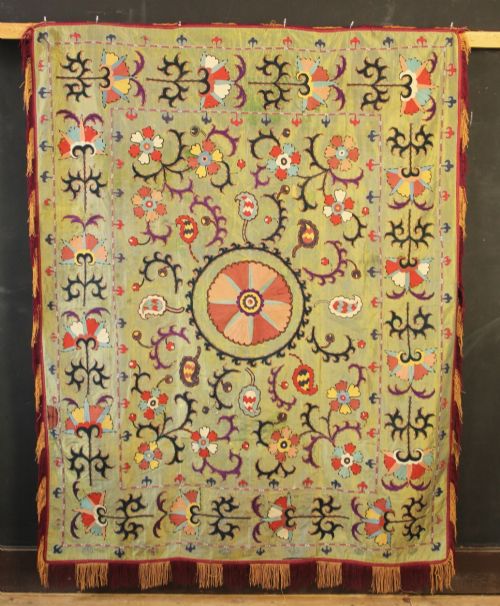
A search for hand embroidered tapestry reveals a diverse gathering of historic wall hangings, bed covers, and decorative panels. The items on this page lean heavily toward Central Asian suzanis alongside English crewelwork and Portuguese needlepoint.
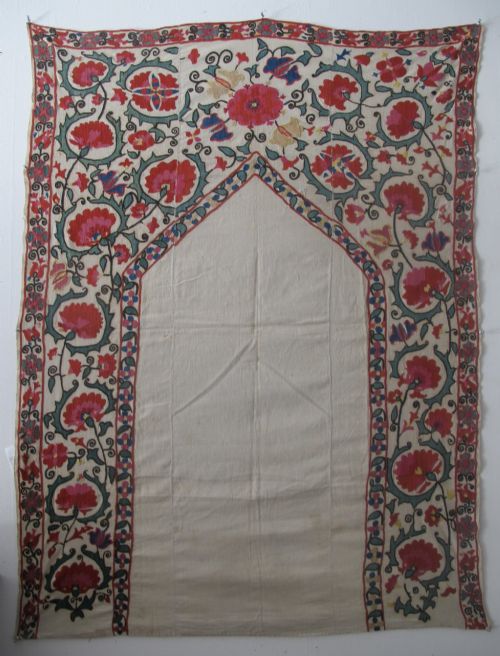
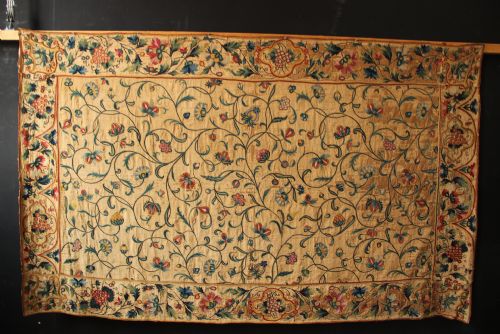
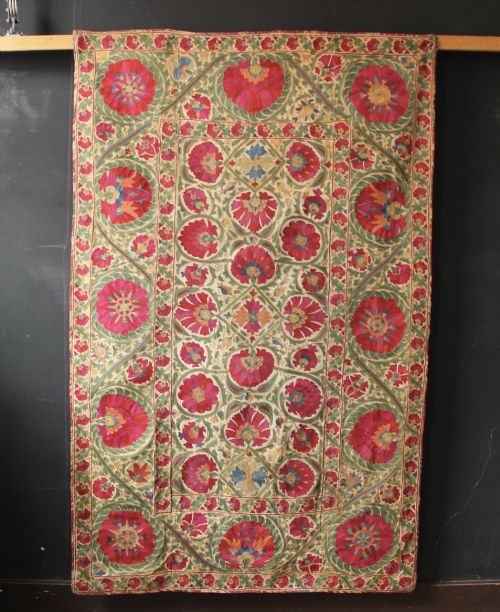
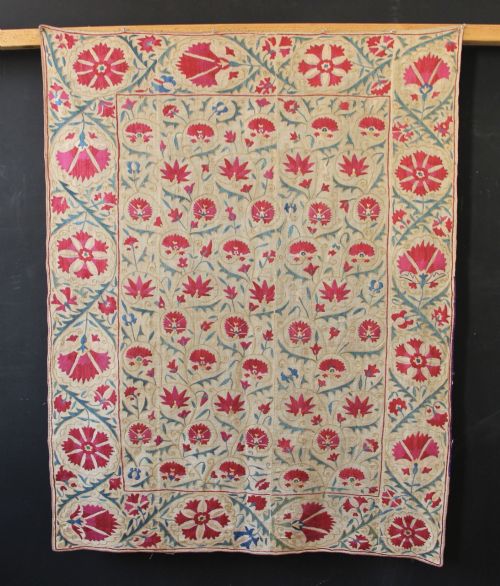
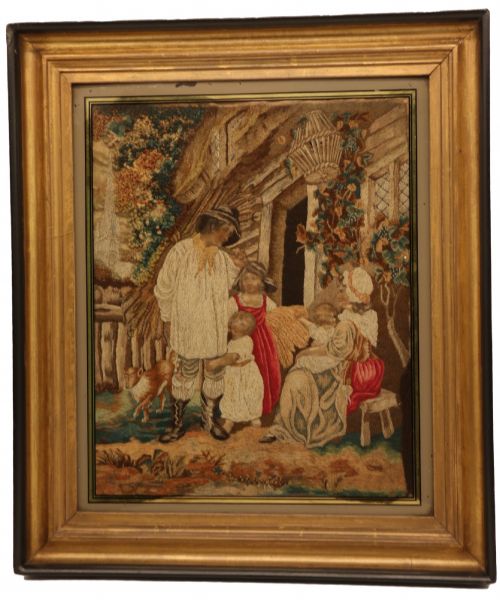
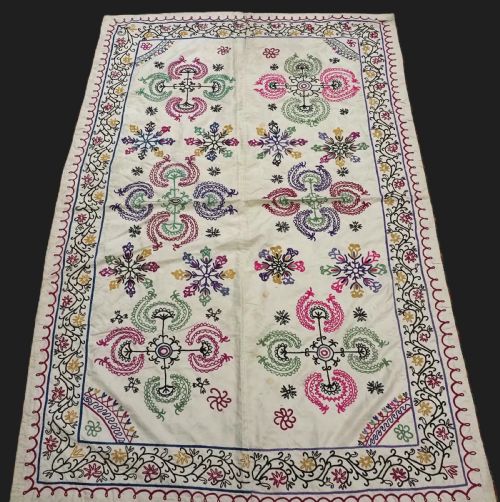
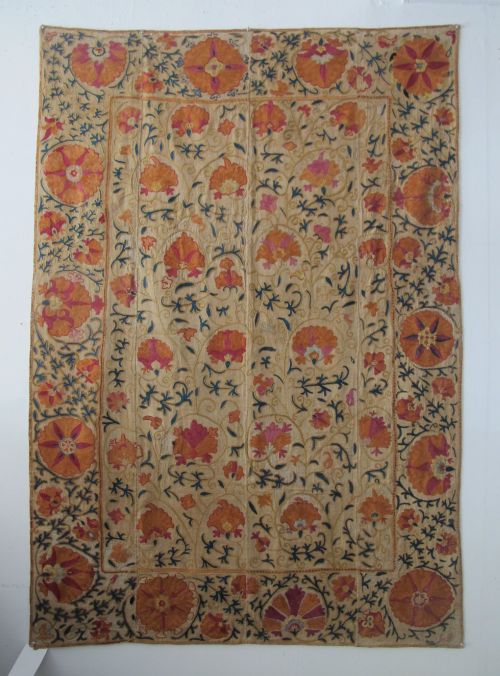
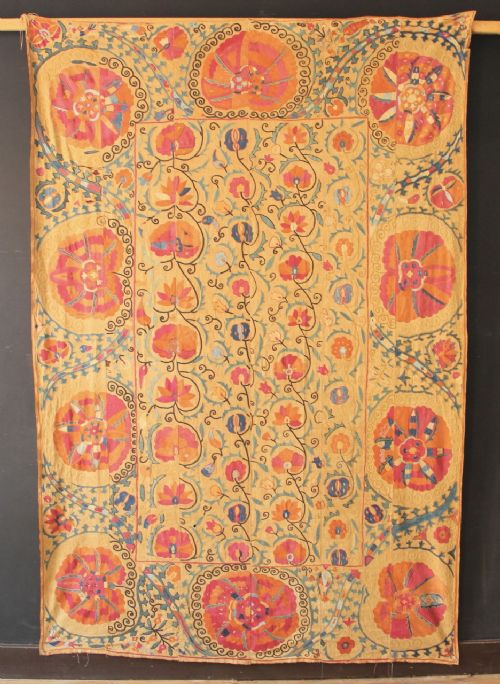
Originating largely from regions like Bukhara, Tashkent, and Samarkand, these textiles take forms such as full work suzanis, nim suzanis, and prayer formats. English examples include crewelwork panels and framed needlework pictures utilising silk thread.
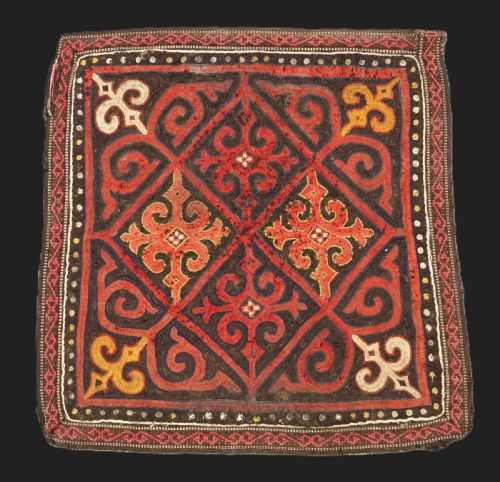
The assortment bridges domestic utility and ceremonial display, encompassing items like yurt wall hangings and horse covers. Buyers encounter formats designed for walls, beds, and decorative framing behind glass.
How they were made
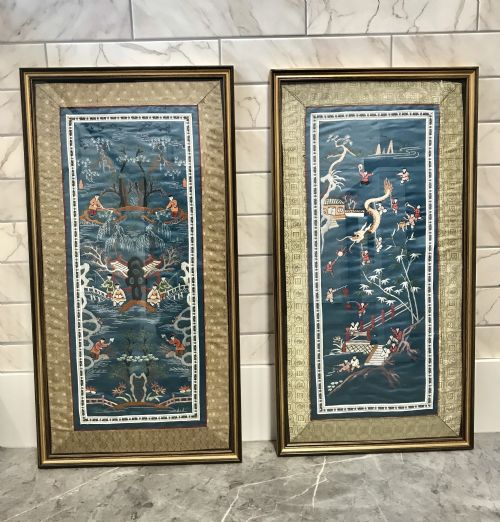
Makers utilised natural fibres such as silk, cotton, wool, and linen as the foundational grounds for intricate needlework. Silk thread provides the luminous detail seen across Central Asian panels and Chinese embroidered compositions.
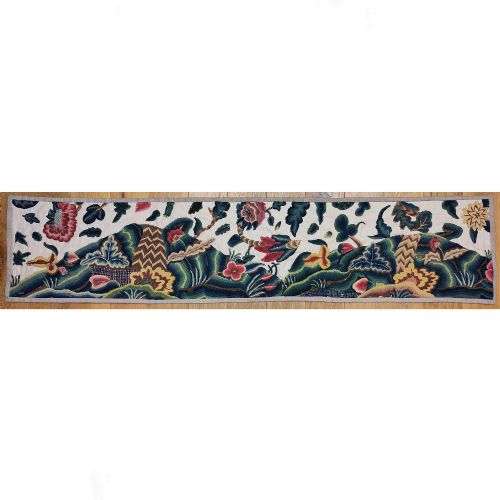
English crewelwork relies on wool stitched onto linen or cotton twill grounds, creating dense decorative surfaces. Selected pieces incorporate wood frames and glass protection or details rendered in gold leaf and hand-painted silk.
Hand Embroidered Tapestry Retail Price Guide 2026
Typical asking prices for hand embroidered tapestry among the pieces listed under this phrase on Sellingantiques today, from the lower quarter to the upper quarter. They describe what is for sale here now, not the wider market.
Design styles represented include Central Asian tribal work, Georgian needlework, and seventeenth-century English crewelwork.
What varies in quality
The distinction between standard examples and the finest work rests on density of stitching and complexity of design. Full work suzanis that cover the entire ground demand significantly more labour than lighter medallion variants.
Vibrancy of natural dye colours and the precision of regional motifs determine artistic merit. Pieces retaining intact early grounds and harmonious silk tones occupy the upper tier of the range.
The Hand Embroidered Tapestry Glossary
- Suzani
- An embroidered tribal textile from Central Asia, traditionally worked by brides as part of their dowry. These large panels typically feature bold floral and medallion motifs.
- Crewelwork
- A traditional form of embroidery utilising wool yarn on a sturdy fabric ground. English examples often depict scrolling trees, flowers, and animals.
- Nim Suzani
- A smaller version of the standard suzani wall hanging. The prefix denotes a half or smaller scale format.
- Palak
- A fully embroidered Tashkent suzani type dominated by large central star designs and dense background coverage. They represent some of the most intricate needlework from the region.
Hand Embroidered Tapestry: Frequently Asked Questions
What is a suzani used for?
Traditional suzanis served multiple domestic and ceremonial functions within Central Asian households, acting as wall hangings, bed covers, or decorative wraps.
Today, collectors primarily display these large hand-stitched textiles as wall art to add texture and historical depth to interiors.
How do I hang a textile safely?
Hanging historic needlework requires distributing the weight evenly across the entire top edge rather than pinning it at isolated points.
Using a professional mounting method with cotton tape or a custom backing protects the fragile silk and cotton grounds from strain.
What is crewelwork embroidery?
Crewelwork is an ancient style of surface embroidery that employs wool thread on linen or cotton twill grounds.
English variants from the seventeenth century onward are celebrated for their organic floral motifs and textured stitching.
How do I tell regional suzanis apart?
Different regions in Uzbekistan, such as Tashkent, Bukhara, and Samarkand, developed distinct colour palettes, ground fabrics, and floral compositions.
Examining the density of the silk embroidery and the specific structural motifs helps identify the probable workshop origin.