
Uzbek Suzani Wall Hanging
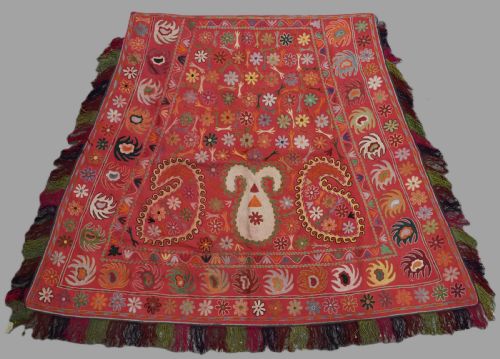
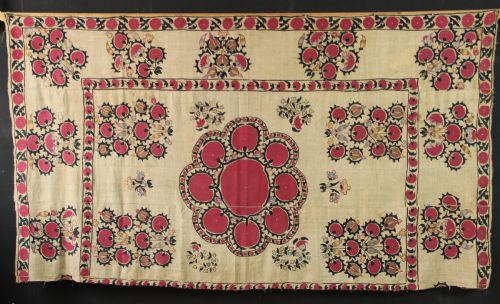
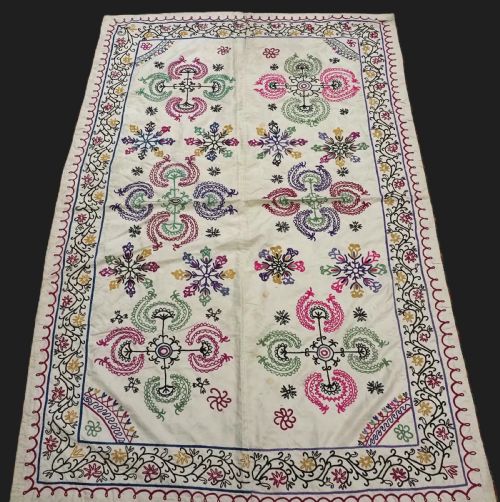
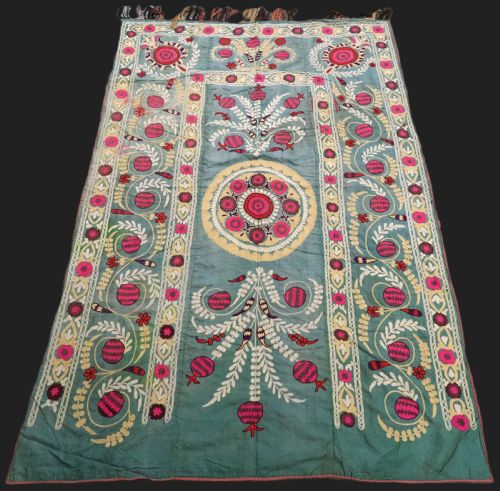
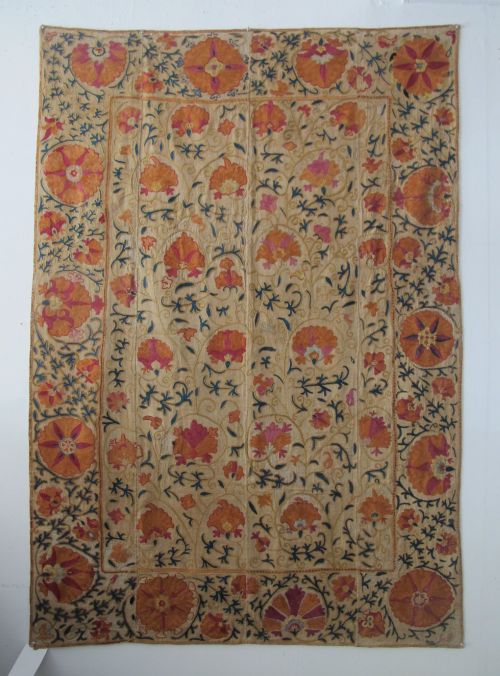
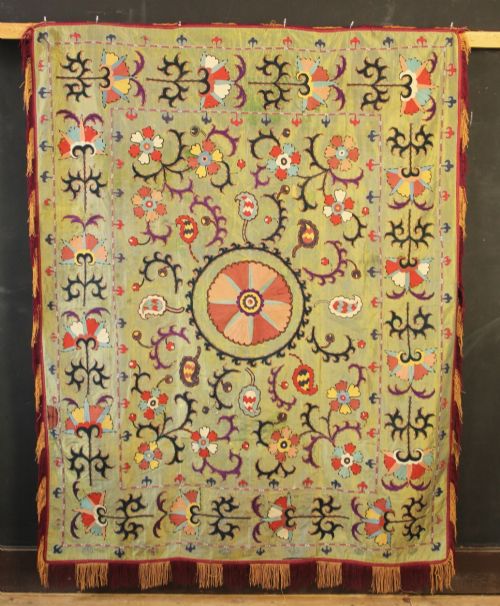
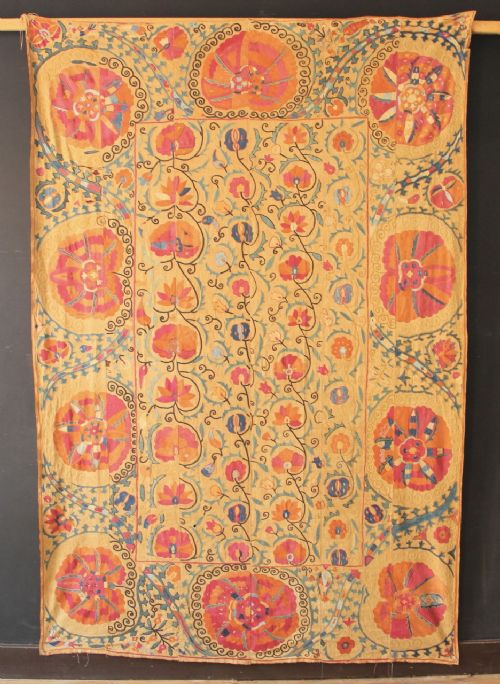
When choosing an uzbek suzani wall hanging, collectors select historic Central Asian embroidered textiles originating from regions including Bokhara, Nurata, and Shakrisabz.
Uzbek Suzani Wall Hanging
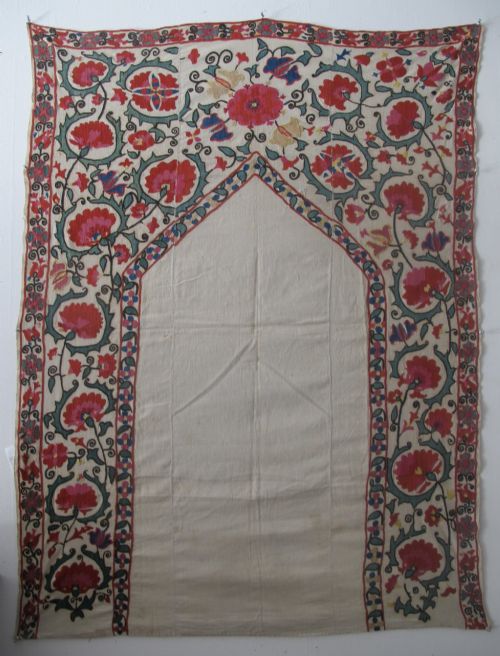
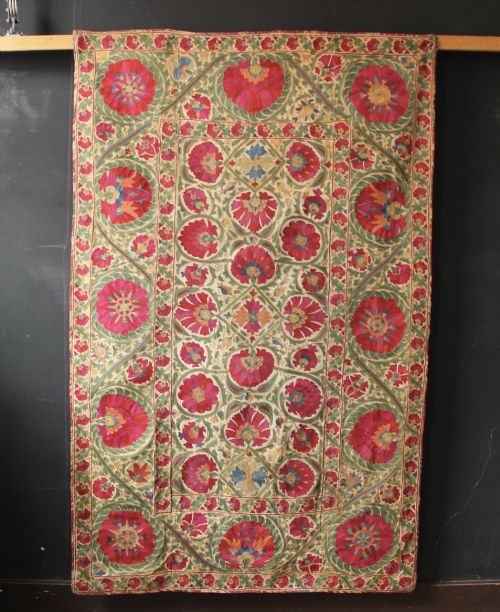
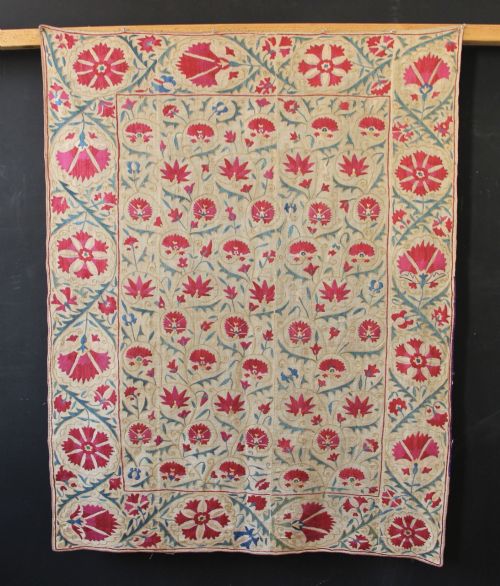
An uzbek suzani wall hanging encompasses traditional Central Asian needlework created as dowry items, bed covers, and decorative household textiles. These textile panels span periods from the early nineteenth century through the early twentieth century.
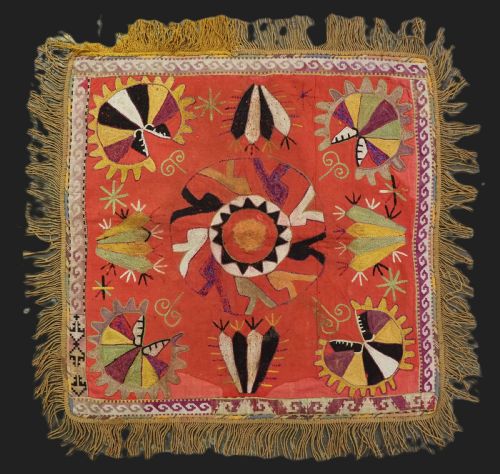
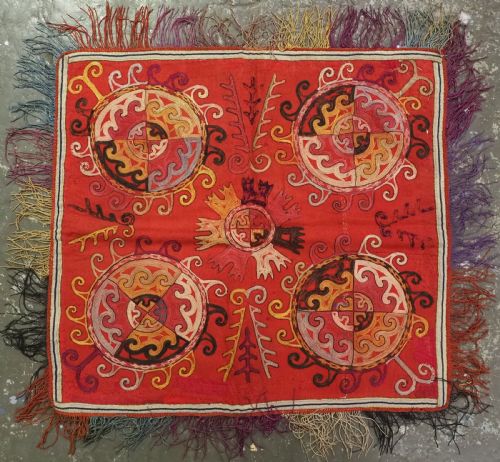
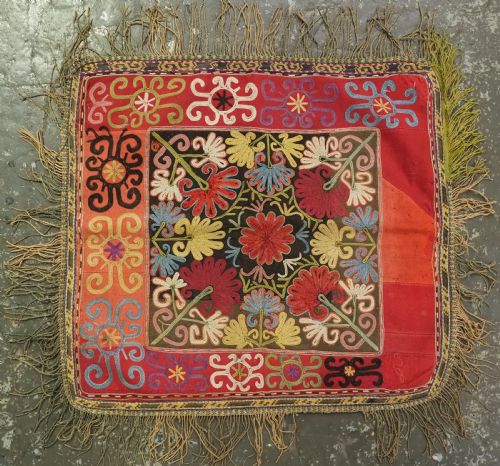
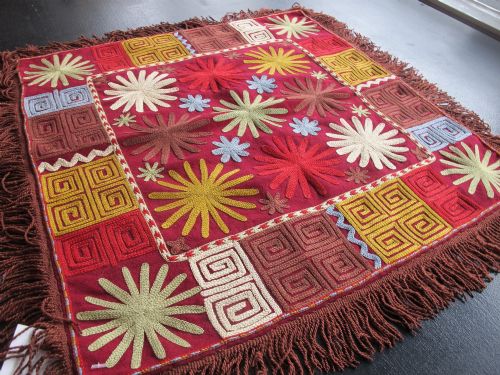
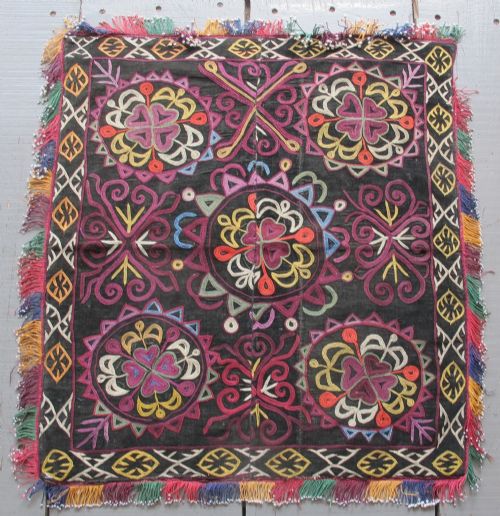
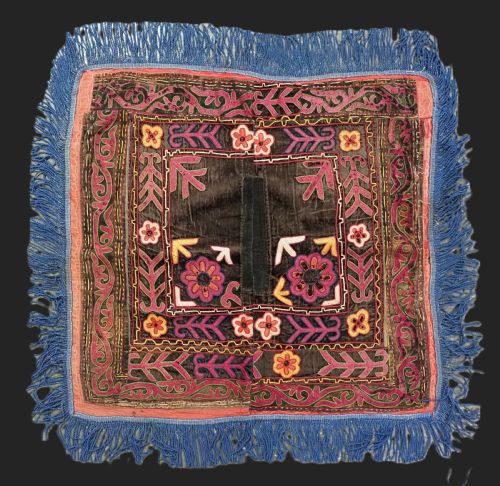
The selections on this page frequently include pieces attributed to the Lakai tribe, alongside examples from Tajik makers and regional urban workshops. Formats range from large medallion variants to smaller nim suzanis and specialised ilgich embroideries.
Makers utilised various formats such as prayer designs, architectural layouts, and horse covers adapted for display. These pieces display distinct tribal and regional expressions rooted in Central Asian folk art traditions.
How They Were Made
Central Asian artisans worked with natural foundation textiles including cotton, linen, wool, and adras, which is a woven mixture of silk and cotton. Red, yellow, and black grounds frequently support the composition.
Needlework details were executed using silk thread, sometimes complemented by glass beads. Stitches formed intricate botanical, geometric, and figurative motifs across the surface of each panel.
Uzbek Suzani Wall Hanging Retail Price Guide 2026
Typical asking prices for uzbek suzani wall hanging among the pieces listed under this phrase on Sellingantiques today, from the lower quarter to the upper quarter. They describe what is for sale here now, not the wider market.
Listings feature silk, cotton, wool, and adras foundations spanning the nineteenth and early twentieth centuries.
What Varies in Quality
The visual strength of an embroidery depends on the fineness of the needlework and the complexity of the design layout. Dense silk thread application and balanced colour palettes separate standard items from finer examples.
Preservation of the original foundation fabric and the crispness of the motifs influence the character of the piece. Regional variations in wool, cotton, or silk grounds also contribute to the distinction of individual textiles.
The Uzbek Suzani Wall Hanging Glossary
- Suzani
- A traditional embroidered textile from Central Asia, typically worked in silk on a cotton or silk-cotton foundation. The name derives from the Persian word for needle.
- Nim Suzani
- A half-size version of a standard suzani, often utilised for smaller interior spaces or specific domestic functions. These smaller panels maintain the intricate needlework of larger examples.
- Ilgich
- A specific form of embroidery associated with the Lakai tribe, frequently created as dowry items or wall hangings. They often display bold tribal motifs and compact formats.
- Adras
- A traditional woven fabric composed of a silk warp and a cotton weft. This material frequently serves as the ground fabric for nineteenth-century embroidery.
- Torba
- A utilitarian bag or hanging panel produced by nomadic and tribal groups in Central Asia. These items often incorporate fine needlework and tribal designs.
Uzbek Suzani Wall Hanging: Frequently Asked Questions
What is a suzani used for?
These textiles served multiple domestic and ceremonial purposes within Central Asian households, functioning as dowry pieces, bed covers, and horse covers. Today, collectors primarily mount them as decorative wall hangings.
Historically, specific formats like the ru-i-jo acted as bed covers, while smaller ilgich panels held ceremonial or decorative roles within the home.
How do I hang a textile safely?
Hanging a delicate textile requires weight distribution across the entire top edge to prevent stress on the antique fibres. Methods involving non-damaging sleeve attachments or professional mounting protect the structural integrity of the fabric.
Direct sunlight and high humidity should be avoided in the chosen display location to preserve the natural silk and cotton threads.
How can I tell regions apart?
Regional styles appear through distinct colour palettes, ground fabrics, and motif structures. For instance, pieces from Bokhara often present refined architectural or medallion layouts, while Lakai tribal works display dynamic, smaller-scale geometry.
Ground fabrics also offer clues, with certain workshops utilising specific dyed cottons, wools, or adras foundations.
What does nim mean in these pieces?
The term nim translates to half, indicating a smaller scale than the full-sized domestic panels produced in the region. These nim suzanis provide the same intricate silk embroidery in a more compact dimension.
Such pieces fit easily into modern residential interiors while retaining traditional Central Asian craftsmanship.