
Hand Embroidered Wall Hanging
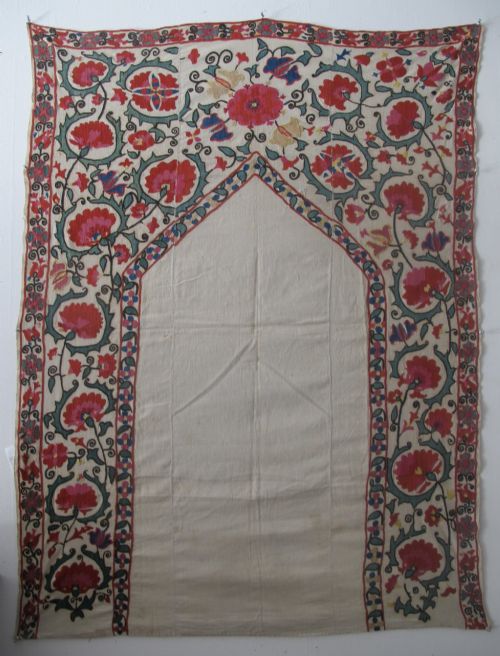
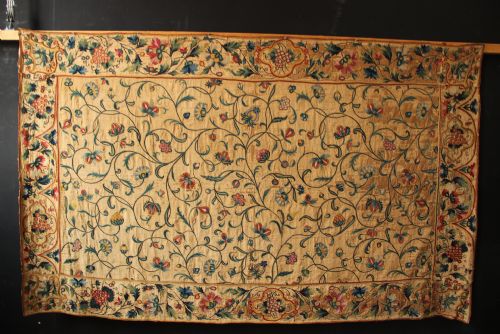
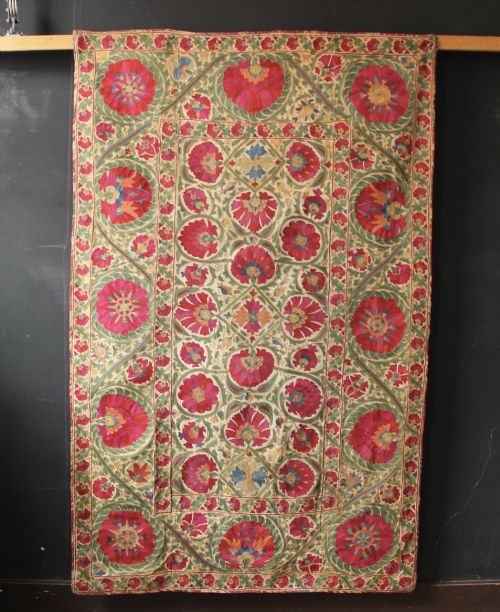
When you search for a hand embroidered wall hanging, you enter a diverse world of historic textiles ranging from Central Asian suzanis to English crewelwork.
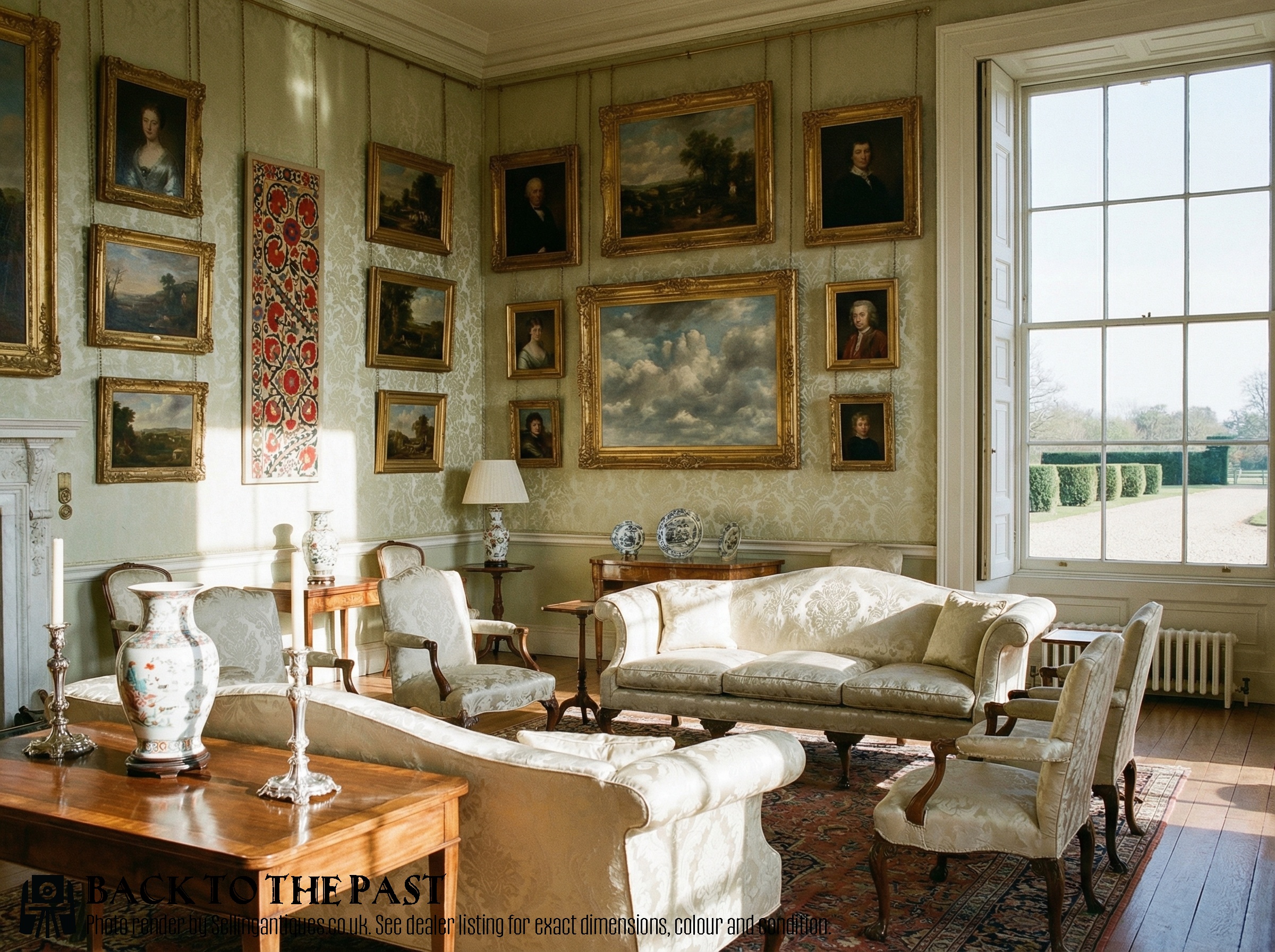
Hand Embroidered Wall Hanging
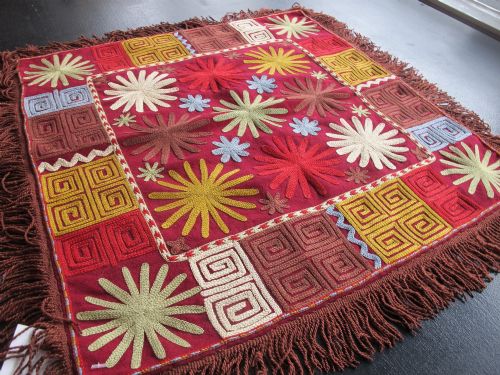
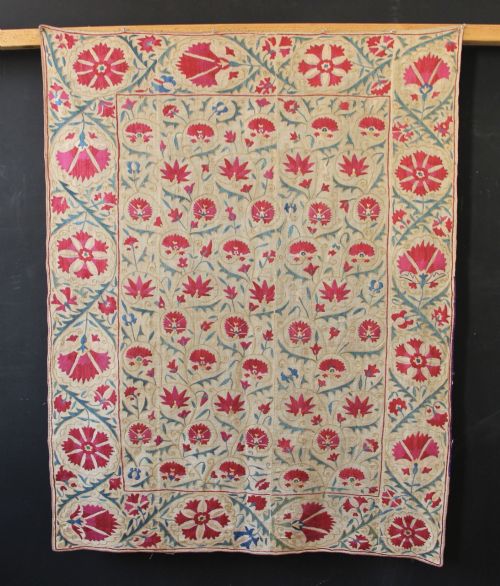
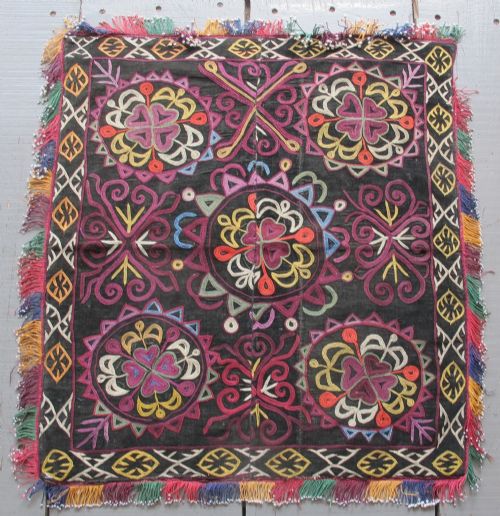
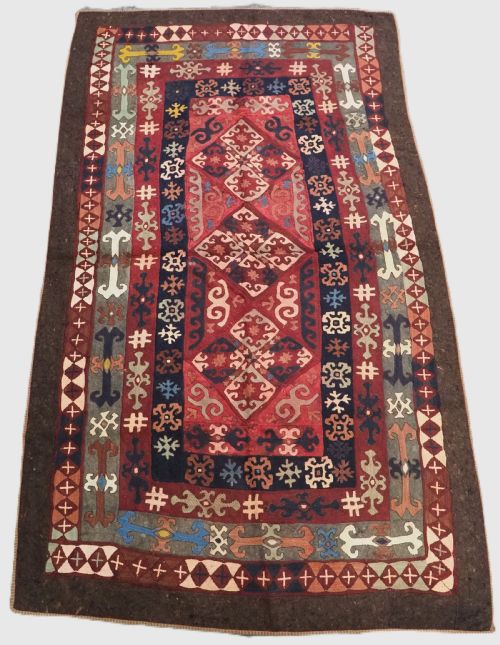
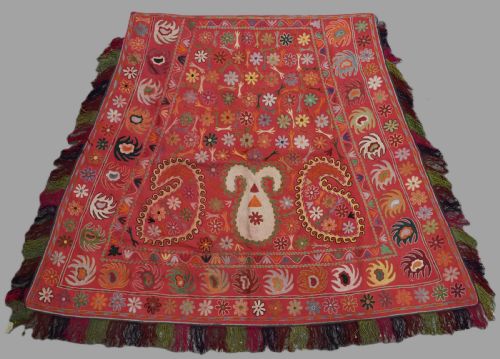
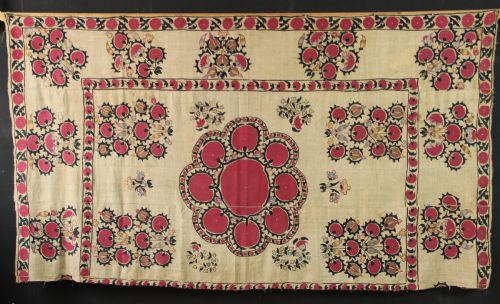
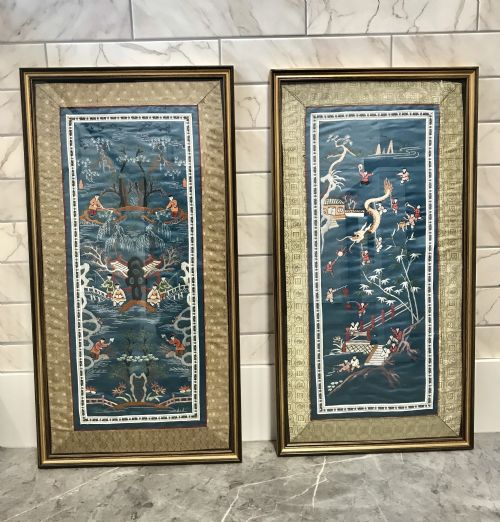
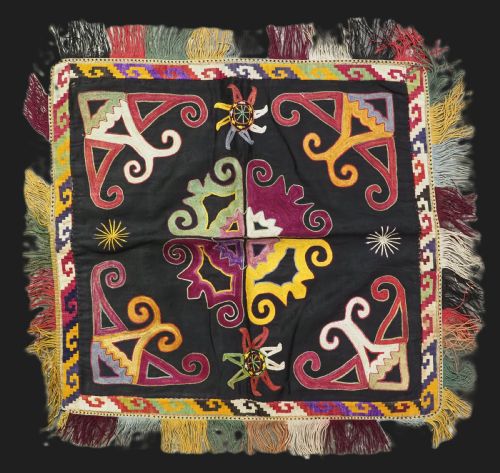
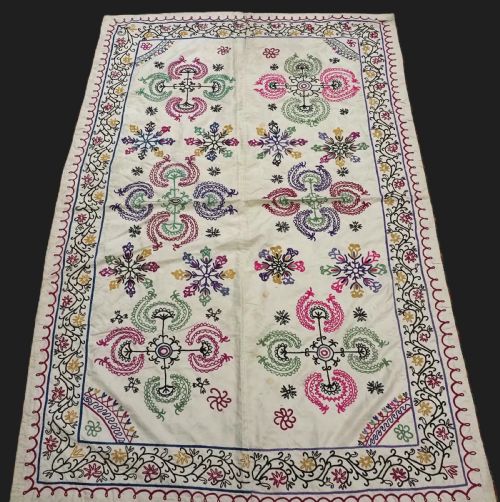
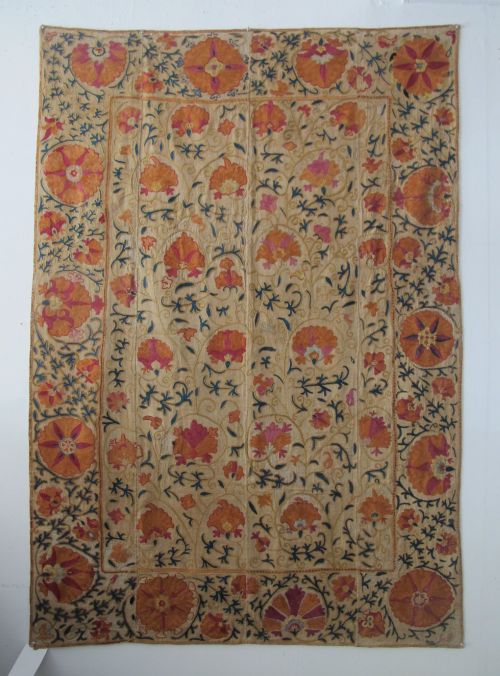
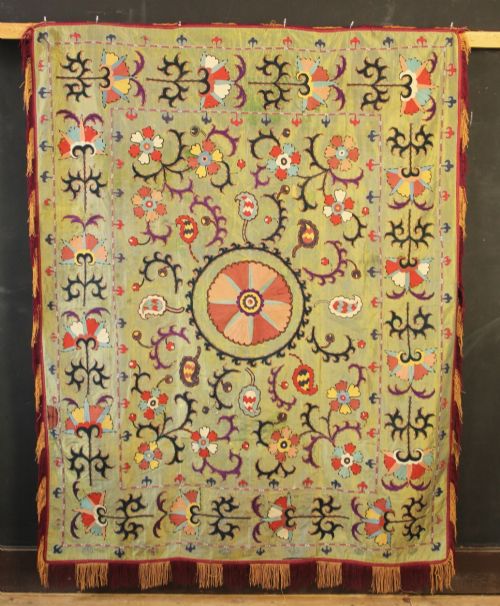
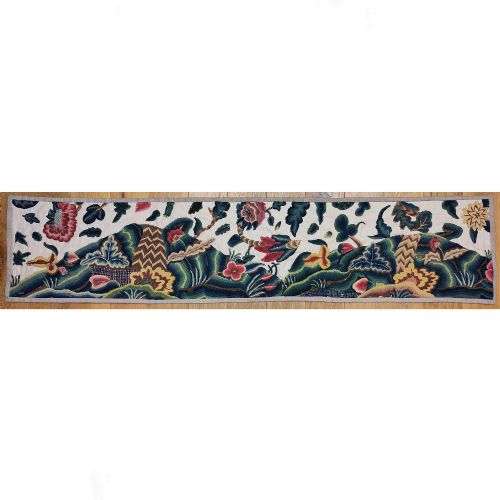
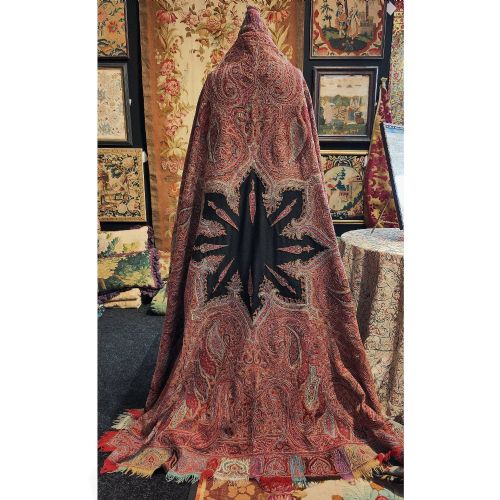
A hand embroidered wall hanging encompasses a wide variety of historic textile panels, rugs, and decorative pieces originating from Central Asia, Europe, and the Middle East. Buyers looking for a hand embroidered wall hanging will frequently encounter traditional Central Asian suzanis, tribal horse covers, and intricate European crewelwork panels.
The selections span multiple centuries, showing regional techniques and distinct cultural motifs. Central Asian examples often feature bold floral and architectural designs, while English and Greek pieces showcase domestic needlework traditions and traditional island borders.
How They Were Made
These textiles rely on natural fibres including silk, cotton, wool, linen, and felt, often worked with fine silk thread or glass beads. Artisans applied various stitching methods, from dense chain stitch and crewelwork embroidery to intricate tambour and surface needlework.
Ground fabrics ranged from hand-woven cotton and red adras silk-cotton blends to sturdy wool and felt bases. Stitchers built up complex geometric and floral compositions by hand, sometimes mounting panels on wooden frames or backing them for domestic display.
Hand Embroidered Wall Hanging Retail Price Guide 2026
Typical asking prices for hand embroidered wall hanging among the pieces listed under this phrase on Sellingantiques today, from the lower quarter to the upper quarter. They describe what is for sale here now, not the wider market.
Some nineteenth-century English bell pulls incorporated tiny glass beads alongside silk embroidery to catch the flickering candlelight of a country house hallway.
What Varies in Quality
Quality in these textiles depends on the fineness of the needlework and the complexity of the design layout. Denser stitching and secure tension across the ground fabric separate exceptional panels from simpler decorative pieces.
The integrity of the original ground material and the preservation of the thread colours heavily influence the visual impact. Superior examples maintain crisp motif definition and harmonious dye combinations across the entire surface.
The Hand Embroidered Wall Hanging Glossary
- Suzani
- A traditional embroidered tribal textile from Central Asia, typically worked in silk thread on a cotton or linen ground. These large decorative panels were often made as part of a bride's dowry.
- Crewelwork
- A traditional form of surface embroidery using wool yarn on a linen or twill fabric. English examples from earlier centuries frequently depict climbing floral vines and exotic fauna.
- Ilgich
- A small embroidered dowry hanging produced by Central Asian tribes such as the Lakai. They were traditionally used to decorate the interior of yurt dwellings.
- Tush Kyiz
- A large, elaborately embroidered wall hanging made in Kyrgyzstan and Kazakhstan to commemorate the marriage of a son or daughter. They are characterised by symbolic felt and embroidery work.
- Torba
- A small storage bag or trapping produced by nomadic groups in Central Asia. Collectors prize these for their dense tribal iconography and specialised regional techniques.
Hand Embroidered Wall Hanging: Frequently Asked Questions
How were suzanis originally used?
Central Asian suzanis served multiple domestic functions within traditional nomadic and settled households. Families utilised them as wall decorations, bed covers, and ceremonial wrappings during important life events.
Many of these large embroidered panels were created specifically for a bride's dowry. They symbolised wealth, status, and good fortune for the newly established household.
Where does crewelwork come from?
Crewelwork has a long history rooted in English domestic needlework. Artisans used wool yarns to stitch intricate patterns onto heavy linen or twill grounds.
These panels frequently decorated elite homes as wall hangings, bed hangings, and upholstery. The style drew inspiration from imported textiles and local flora and fauna.
How do I care for an antique textile?
Antique textiles require careful handling and protection from direct sunlight to prevent fading. Displaying them away from direct heat sources helps preserve fragile natural fibres like silk and wool.
Mounting the textile professionally on a breathable support distributes the weight evenly. Avoid hanging pieces in damp environments where natural fibres might attract moisture.
Can I date a piece by its ground fabric?
The base material often provides strong clues regarding the geographic origin and age of a textile. Earlier Central Asian pieces frequently utilised hand-woven cotton, silk, or locally produced adras fabrics.
European examples rely heavily on traditional linen or heavy twill grounds characteristic of the period. Examining the back of the panel reveals the weave structure and thread types.