


Silk on Cotton Embroidery
A silk on cotton embroidery brings vibrant Central Asian and traditional South Asian needlework into interiors as striking wall hangings and decorative textiles.
Silk on Cotton Embroidery
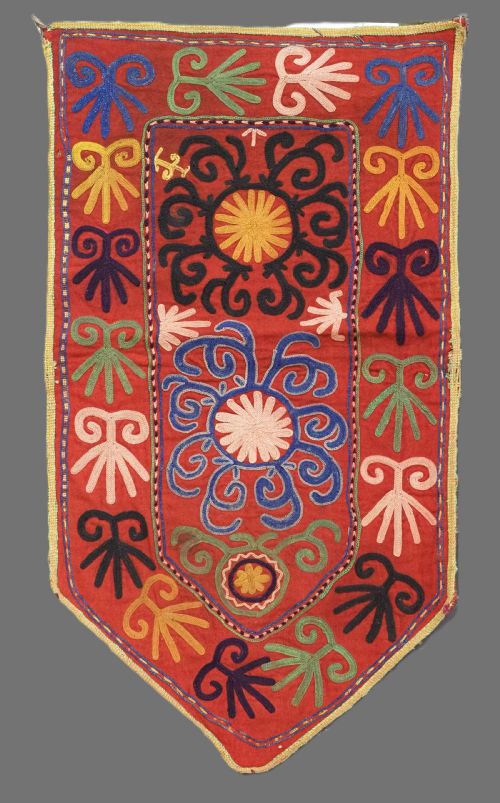
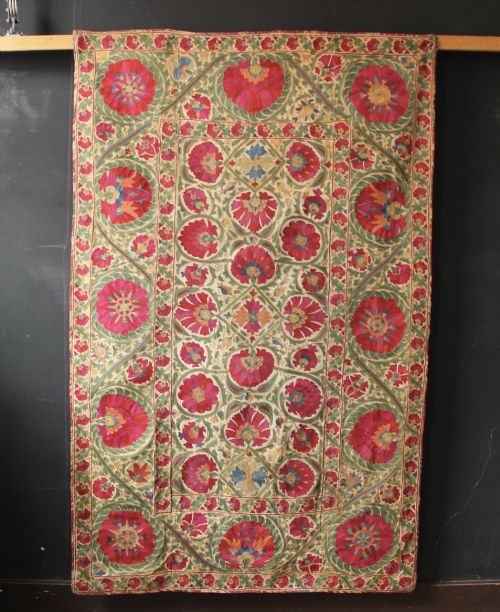
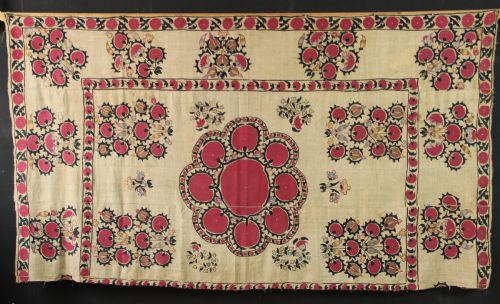
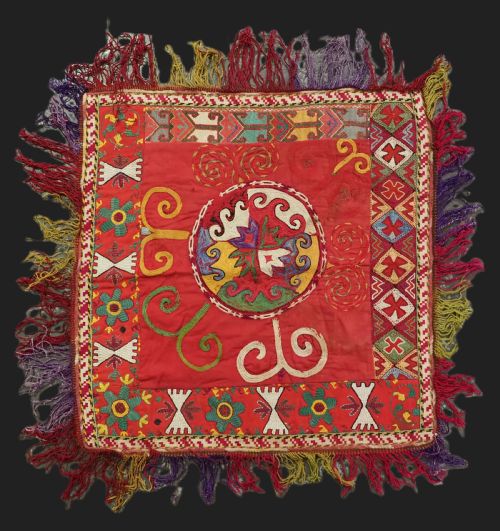
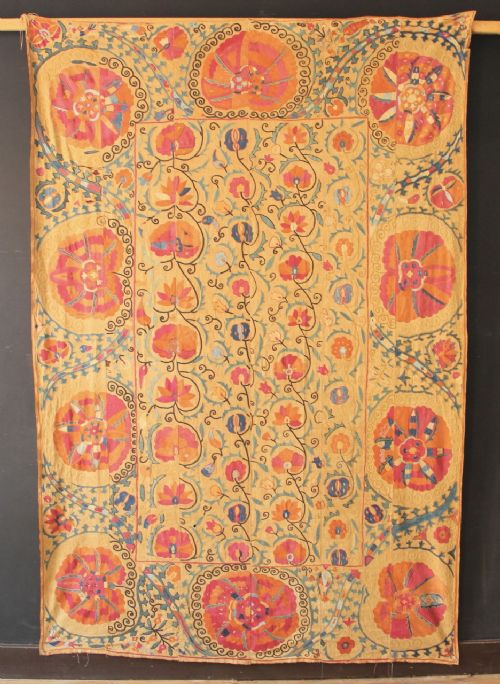
When searching for silk on cotton embroidery, buyers encounter a rich array of Central Asian and Uzbek tribal works, including suzanis, ilgiches, and dowry textiles. These pieces span from the early nineteenth century through the early twentieth century, reflecting traditional regional artistry.
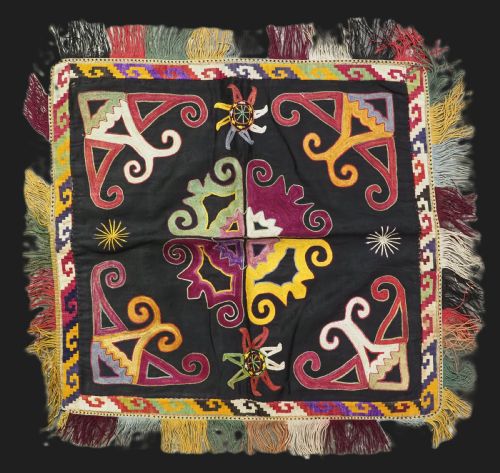
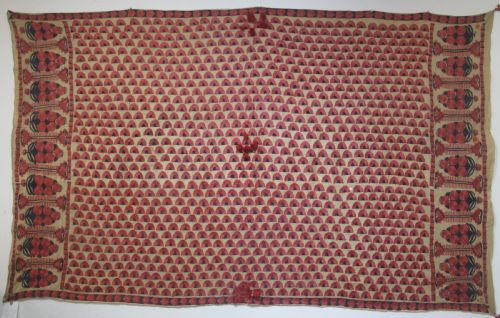
The inventory also includes specialised forms such as nim suzanis, which are smaller or half-sized embroideries, as well as pastoral Lakai tribe pieces and South Asian shawls. Each type serves as a testament to nomadic and settled textile traditions across Central Asia and Pakistan.
What varies in quality
The visual impact of a piece often depends on the density of the embroidery work, distinguishing fully covered suzanis from lighter regional variants. Full work execution requires exceptional time and skill from the maker, creating saturated fields of pattern.
The vibrancy and preservation of the dyed silk threads heavily influence the overall standard of the textile. Pieces retaining strong colour contrast and stable foundation fabrics stand apart within the available selection.
Silk on Cotton Embroidery Retail Price Guide 2026
Typical asking prices for silk on cotton embroidery among the pieces listed under this phrase on Sellingantiques today, from the lower quarter to the upper quarter. They describe what is for sale here now, not the wider market.
Nineteenth-century nomadic embroiderers occasionally misjudged their cotton ground dimensions, resulting delightfully in delightfully asymmetric floral starbursts.
The Silk on Cotton Embroidery Glossary
- Suzani
- An embroidered textile from Central Asia, traditionally made by brides as part of their dowry. These large wall hangings display elaborate floral and medallion motifs.
- Nim Suzani
- A smaller or half-sized version of the traditional suzani embroidery. These pieces are often more manageable for domestic interior display.
- Ilgigch
- A specific type of tribal dowry embroidery or wall hanging associated with nomadic groups such as the Lakai. They exhibit distinct geometric and folk art characteristics.
- Adras
- A traditional woven fabric made from a blend of silk and cotton yarns. It serves as a textured ground material for regional embroideries.
- Prayer Format
- A design layout featuring an architectural arch or mihrab shape within the embroidery. These compositions direct the eye toward central devotional motifs.
Silk on Cotton Embroidery: Frequently Asked Questions
How were these embroideries used?
Historically, these textiles functioned primarily as wall hangings, decorative covers, and essential parts of dowry collections within Central Asian homes. They added colour, status, and warmth to nomadic and sedentary interiors.
Today, collectors mount them on walls or display them as textile art to bring texture and historic pattern into modern spaces.
What is a nim suzani?
A nim suzani is a smaller or half-scale version of the standard full-sized suzani embroidery. These pieces were often produced for specific domestic spaces or by smaller tribal groups.
Their reduced dimensions make them versatile for contemporary interior display where a full-sized wall hanging might be too large.
How do you tell regional styles apart?
Regional styles vary through distinct colour palettes, ground fabrics, and motif arrangements associated with towns like Bukhara, Samarkand, Nurata, and Tashkent. For instance, Nurata pieces often highlight fine floral sprays, while Tashkent suzanis frequently showcase prominent central medallions.
Tribal works from groups like the Lakai display tighter geometric abstractions and folk art patterns that differ from urban workshop production.