
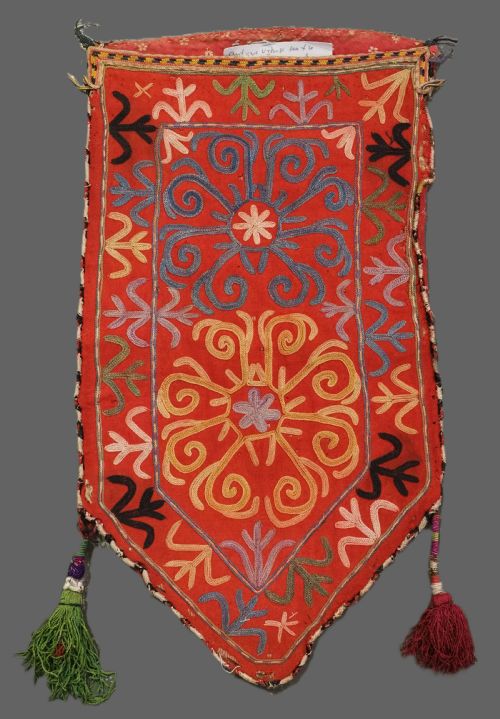
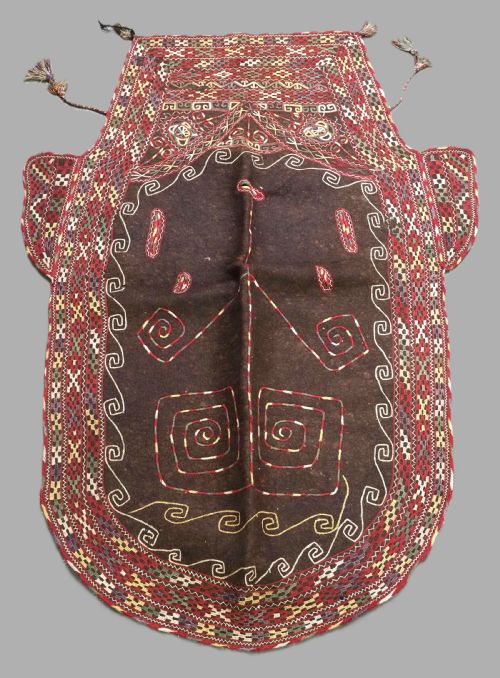
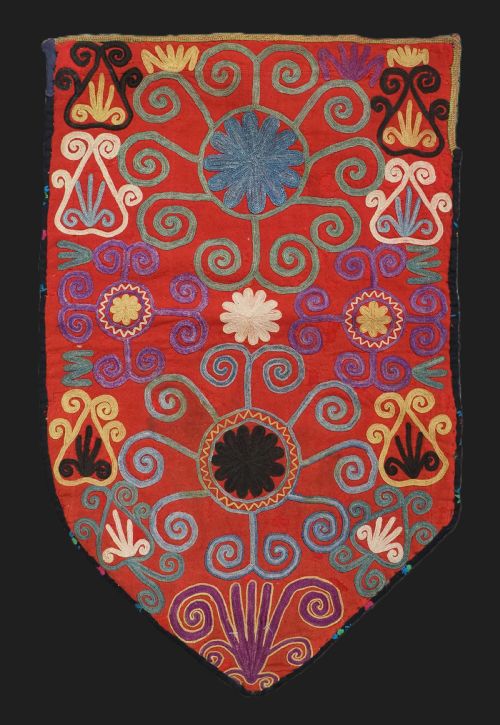
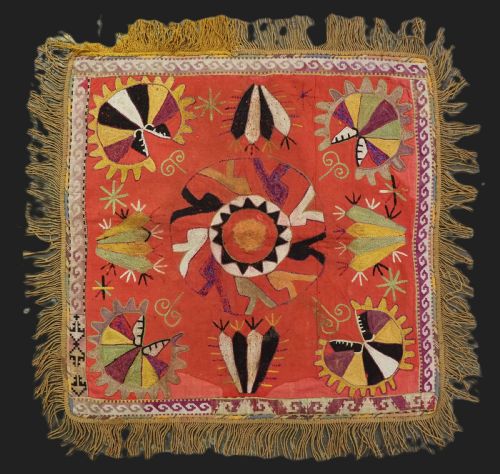
Red Embroidered Wall Hanging
A red embroidered wall hanging brings vibrant Central Asian and Indian textile tradition directly into a room.
What these pieces are
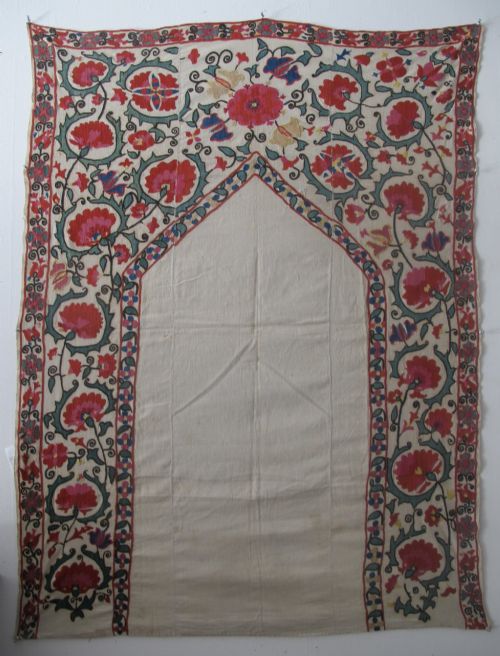
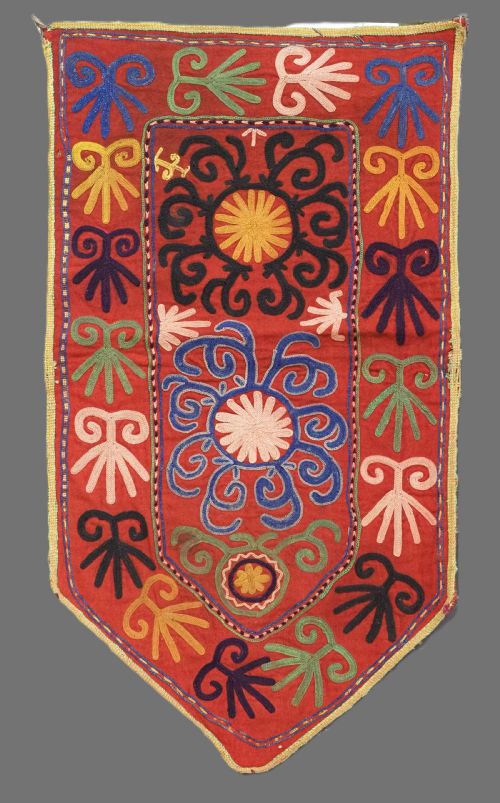
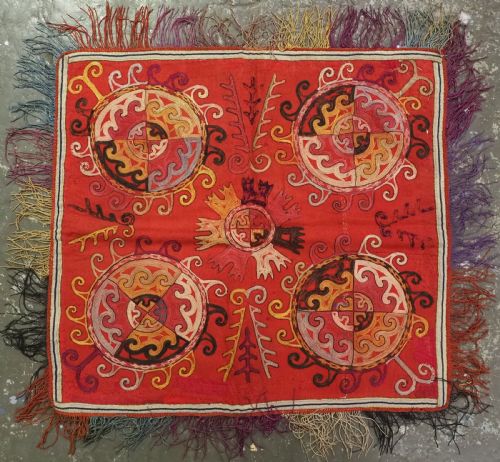
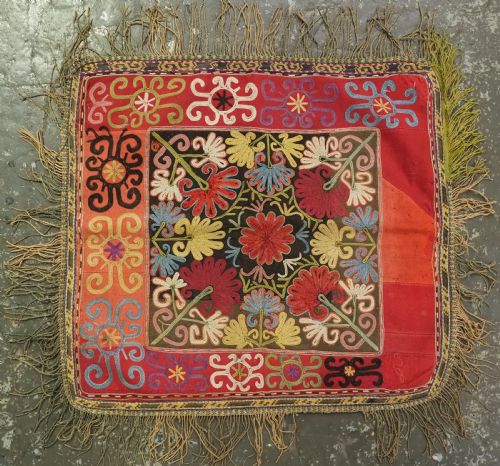
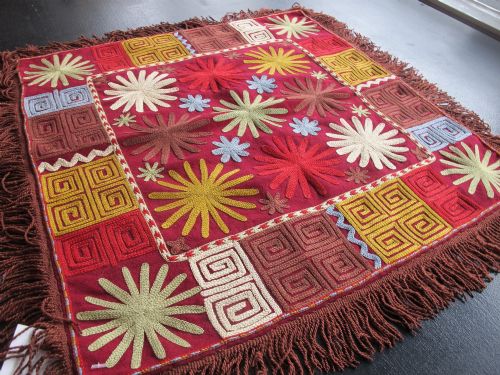
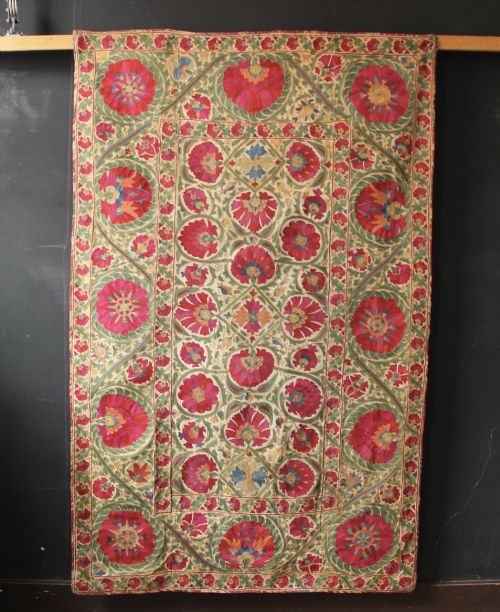
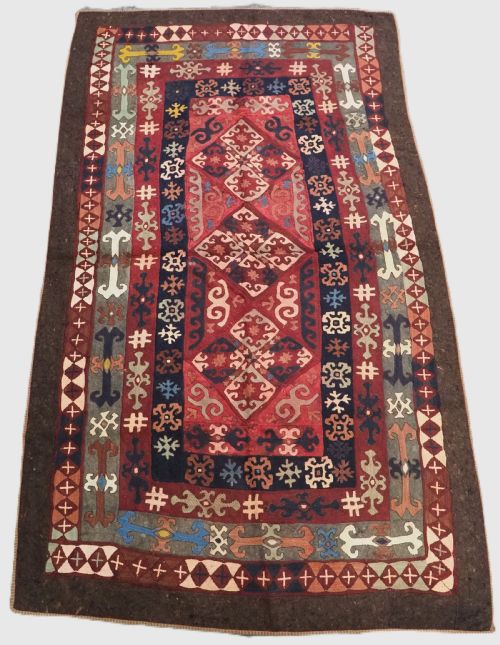
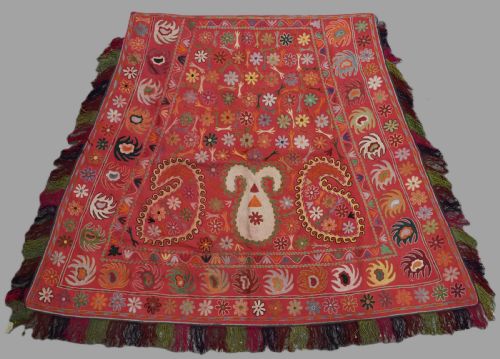
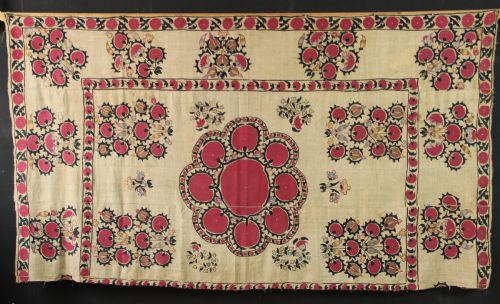
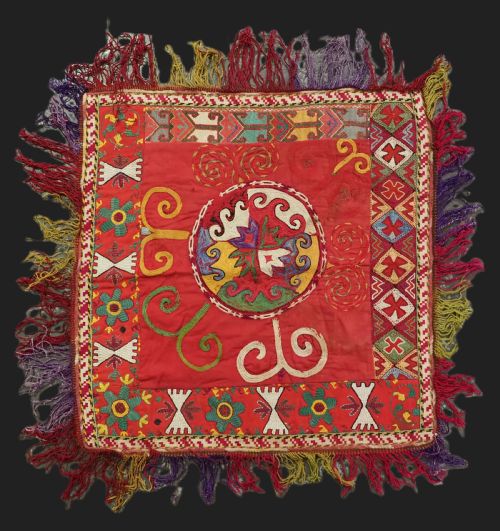
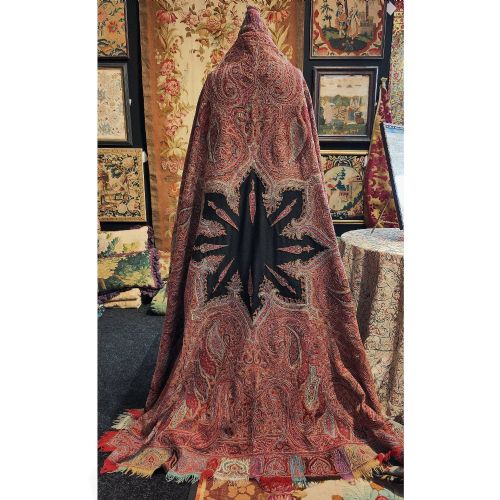
A red embroidered wall hanging encompasses tribal textiles created across Central Asia, Uzbekistan, and India. When searching this phrase, a buyer encounters traditional dowry embroideries, torans, suzanis, and yurt wall hangings.
The pieces appearing on this page most commonly include Uzbek Lakai tribe ilgich works, Bokhara suzanis, Kyrgyz tush kyiz panels, and Ersari Turkmen torbas. Indian embroidered wall hangings and torans also appear frequently in the record.
Originating primarily from the late nineteenth and early twentieth centuries, these textiles reflect distinct regional tribal aesthetics. Each panel served a domestic or ceremonial purpose before finding its place as a decorative wall hanging.
How they were made
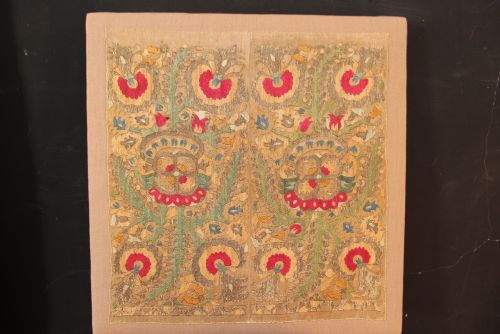
The construction of these textiles relies on natural textile bases composed of silk, cotton, and wool. Artisans worked needle and thread across these woven grounds to build dense, colourful surface patterns.
Silk highlights frequently accent wool and cotton foundations, adding a reflective sheen to the intricate embroidery. Hand embroidery techniques define every panel, preserving the touch of the maker in each stitch.
Retail Price Guide 2026
Typical UK retail prices for red embroidered wall hanging, calculated from the Sellingantiques database of over a million retail prices indexed since 2003. This retail price guide relies exclusively on Sellingantiques data; no external sources or auction records are used, so the figures do not describe the wider market.
Recorded styles on this page include Central Asian Tribal, Turkmen Tribal, and Uzbek regional traditions.
What varies in quality
Quality rests upon the density of the embroidery and the complexity of the tribal motifs. Finer examples display meticulous needlework that covers the ground fabric with precise geometric or floral arrangements.
The vibrancy and preservation of the silk highlights and primary red dyes elevate certain pieces above others. Material integrity and the survival of early ground fabrics distinguish the most accomplished examples.
The Red Embroidered Wall Hanging Glossary
- Ilgich
- A Central Asian embroidered hanging often used for domestic decoration or dowry purposes. These pieces frequently display the characteristic needlework of the Lakai tribe.
- Suzani
- A large, hand-embroidered textile originating from Uzbekistan and surrounding regions. They traditionally feature bold botanical and floral designs worked in silk on cotton or wool grounds.
- Torba
- A small Turkmen tribal bag face or hanging panel. They often incorporate embroidered details and silk highlights.
- Tush kyiz
- A large, elaborately embroidered Kyrgyz wall hanging created by women to celebrate weddings. They traditionally depict symbolic plants and regional motifs.
Frequently Asked Questions
How were these wall hangings used?
These textiles served practical and ceremonial functions within traditional households. Many functioned as dowry pieces, yurt decorations, or doorway pelmets.
Today, they are displayed directly on walls to introduce historical textile art and rich colour into modern interiors.
How do I care for an antique textile?
Antique textiles require protection from direct sunlight to preserve natural dyes in the silk and cotton threads. Gentle vacuuming through a mesh screen helps remove dust without damaging fragile stitches.
Professional mounting provides proper support for heavier pieces when hung on a wall.
How do I date an embroidered hanging?
Dating relies on examining the ground materials, natural dye palettes, and traditional tribal motifs. Pieces from the nineteenth and early twentieth centuries display distinct regional styles and hand-spun textiles.
Comparing stitch structures and wool or silk characteristics helps establish the likely period of creation.