



Antique Folk Art Textile
An antique folk art textile brings tactile domestic history into a room, spanning global needlework, wool work, and regional embroidery.
Antique Folk Art Textile
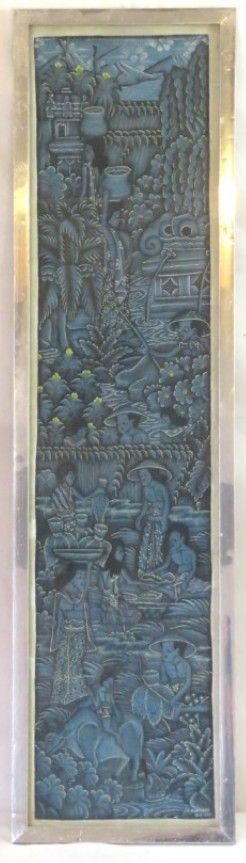
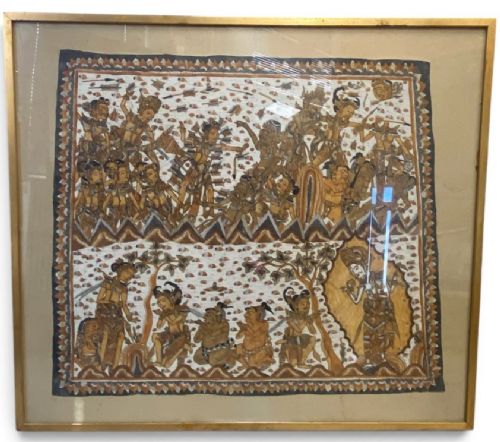
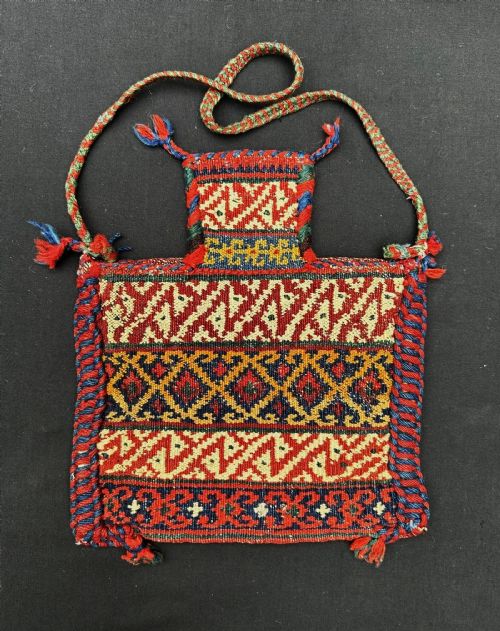
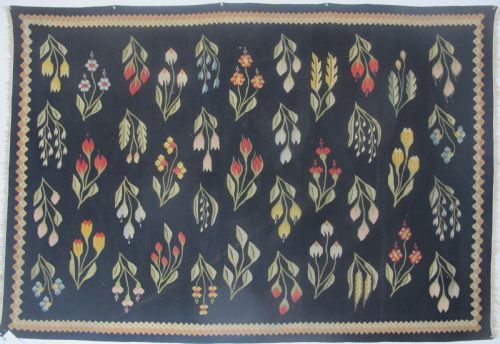
An antique folk art textile encompasses regional wall hangings, framed needlework samplers, and tribal embroideries created for domestic use or ceremonial display. Buyers search for these pieces to introduce texture and vernacular history into modern interiors through authentic hand-stitched surfaces.
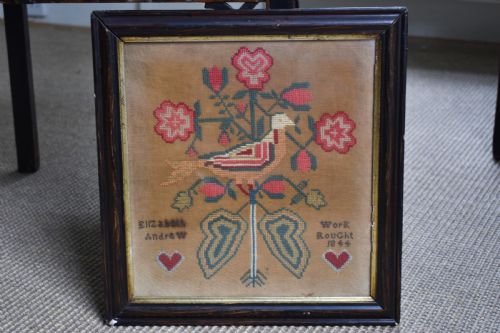
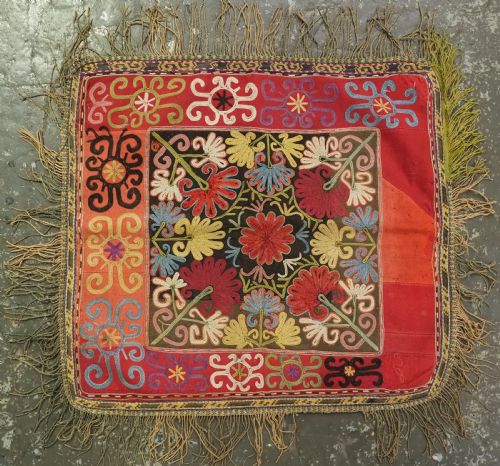
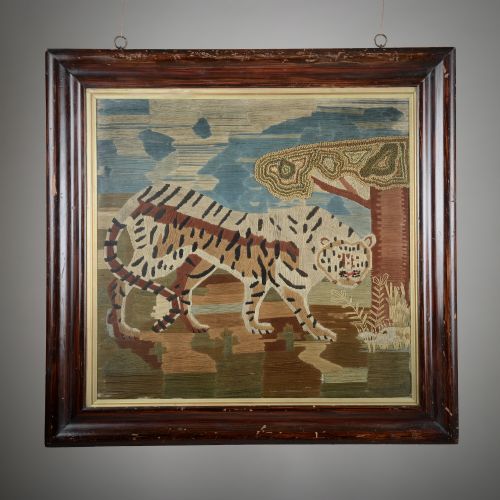
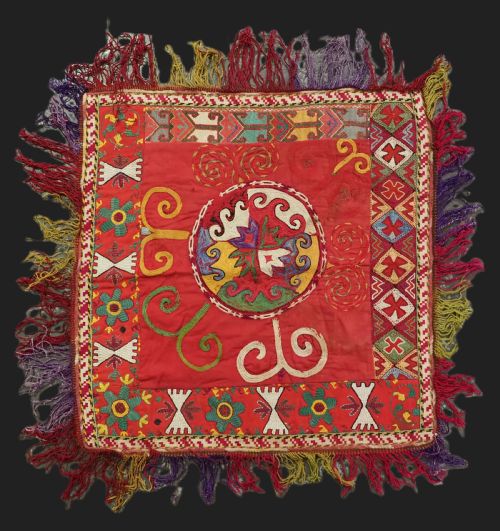
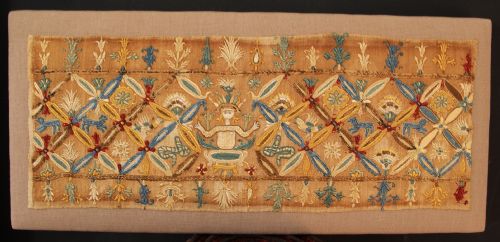
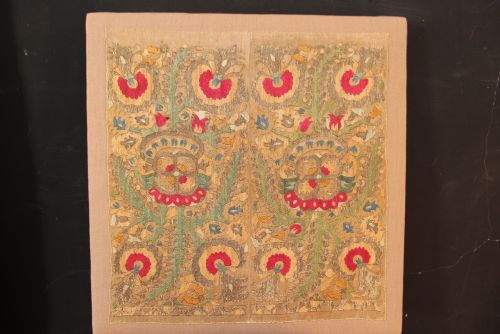
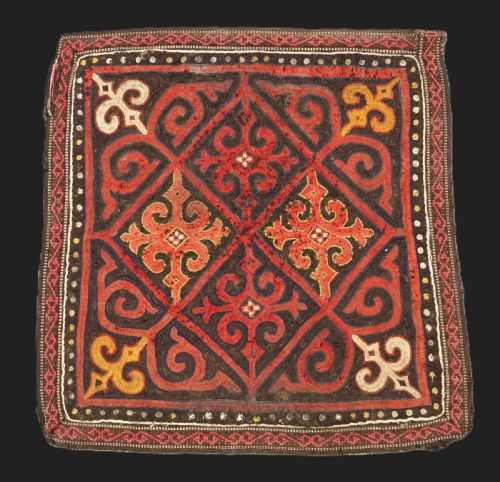
The selections available here range from nineteenth-century British samplers and sailors woolies to Central Asian Suzanis, Greek island embroideries, and Scandinavian rya rugs. Domestic utility meets decorative expression across these diverse geographic origins and forms.
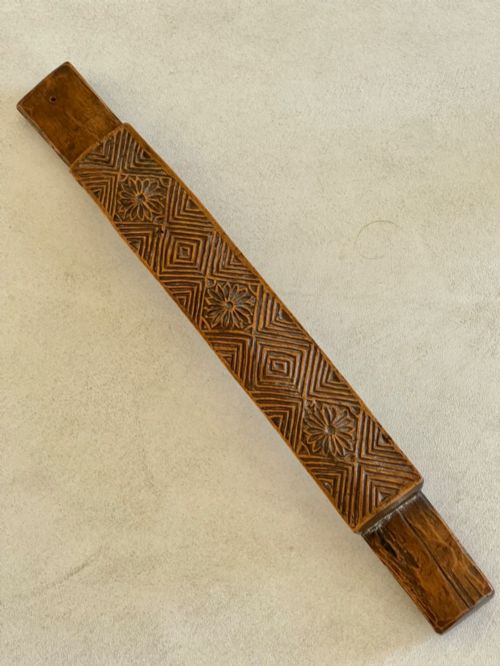
Textile tools and carved wooden implements also appear alongside cloth panels, reflecting the broader material culture associated with historic fibre arts. Each piece records local traditions of stitchery, pattern, and household craft.
How they were made
Makers utilised natural fibres including wool, silk, linen, and cotton as grounds for needlework, embroidery, and tapestry weaving. Silk threads on cotton grounds appear frequently in Central Asian tribal works, while woolen yarns dominate European samplers and rugs.
Stitching techniques vary from counted thread work and Berlin wool work to tambour embroidery and hooked pile construction. Supporting wooden implements such as distaffs, knitting sheaths, and bobbin winders were hand-carved from hardwoods.
Antique Folk Art Textile Retail Price Guide 2026
Typical asking prices for folk art textile among the pieces listed under this phrase on Sellingantiques today, from the lower quarter to the upper quarter. They describe what is for sale here now, not the wider market.
Listings feature textiles spanning the eighteenth, nineteenth, and early twentieth centuries, incorporating materials from wool and silk to carved hardwood.
What varies in quality
The visual strength of the design and the precision of the hand-stitching determine the distinction of an antique folk art textile. Regional authenticity in motifs and original grounding materials elevate the standing of a piece.
Survival of vibrant natural or early synthetic dye colours and the structural integrity of the fabric base separate standard domestic items from exceptional surviving examples. Completeness in wall hangings and panels indicates careful historic preservation.
The Antique Folk Art Textile Glossary
- Sampler
- A piece of needlework produced as a demonstration or test of skill in various stitches. Historic examples frequently record alphabets, motifs, dates, and the maker's name.
- Suzani
- A large, decorative embroidered tribal hanging originating from Central Asia. These textiles were traditionally stitched in silk on cotton or linen grounds as part of a bride's dowry.
- Woolie
- A maritime embroidery created by nineteenth-century sailors using wool yarn on canvas. These works typically depict historic ships under full sail.
- Rya
- A traditional Scandinavian knotted pile rug characterised by a thick, lustrous wool pile. Early versions served as warm bedcovers before transitioning to decorative floor coverings.
- Sofreh
- A woven or embroidered cloth used in Persian households for spreading meals or handling bread. They display geometric tribal patterns specific to nomadic groups.
Antique Folk Art Textile: Frequently Asked Questions
How are antique folk art textiles hung on walls?
Many textile panels and wall hangings are mounted professionally using conservation-grade Velcro systems or subtle fabric sleeves stitched to the reverse. This distributes the weight evenly across the piece without damaging the historic fibres.
Heavier items like rugs or large embroidered Suzanis require specialised mounting boards or custom textile frames to ensure the fabric remains flat and unsupported by its own weight.
How do I clean an antique textile?
Surface dust can be gently removed using low-suction vacuum attachments protected by mesh screening. Wet cleaning or washing should be avoided unless handled by a professional textile conservator.
Direct sunlight causes fading in historic natural dyes, so placement away from bright windows preserves the original colour balance of embroidered and woven surfaces.
What is the difference between a sampler and a pictorial embroidery?
A sampler focuses on displaying a catalogue of different stitches, alphabets, and repetitive motifs arranged across the ground fabric. They were often educational exercises made by young makers.
Pictorial embroideries tell a specific narrative story or depict recognizable scenes, such as maritime engagements or literary tales, using varied stitches to build a cohesive image.
How do I date a regional embroidery?
Dating relies on stylistic markers, materials, and documented regional patterns associated with specific tribal groups or European villages. Dated inscriptions and maker signatures sewn directly into the work provide definitive chronological anchors.
Changes in dye chemistry, from natural indigo and madder to early aniline compounds, offer further evidence for placing pieces within the nineteenth or early twentieth centuries.