



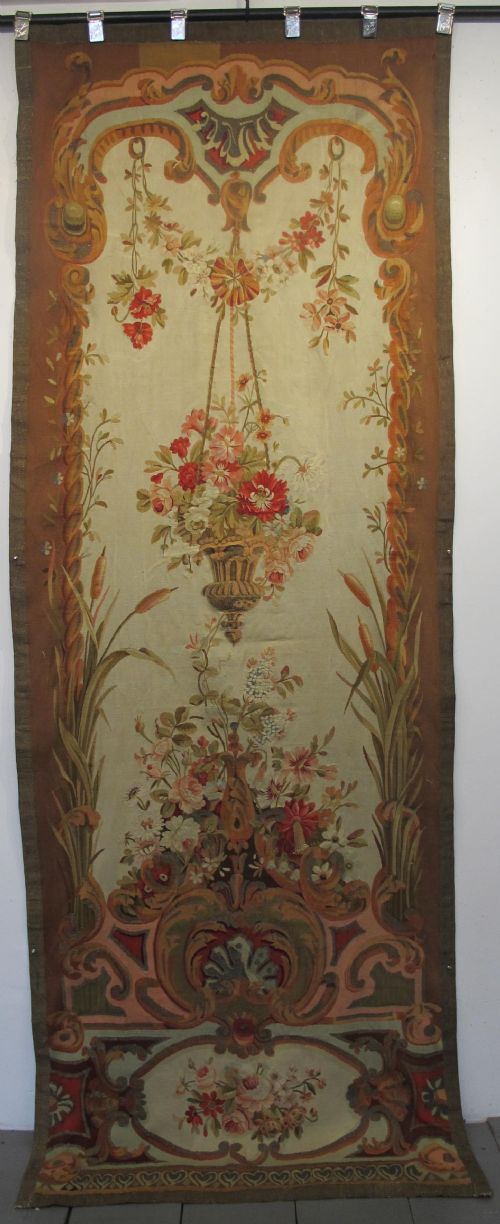
Decorative Textile Panel
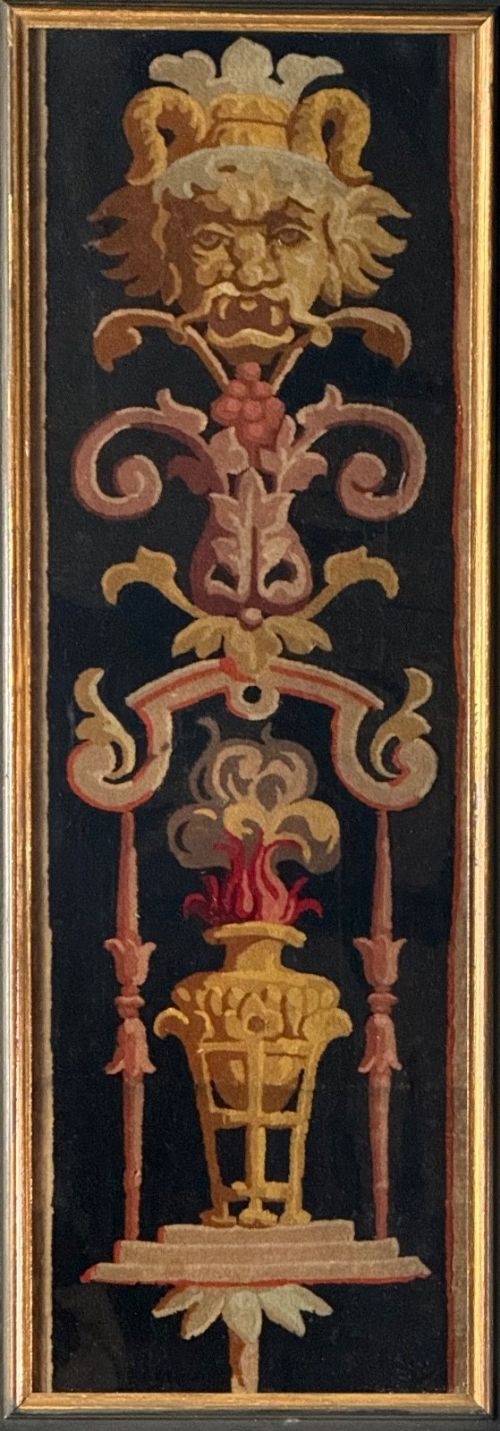
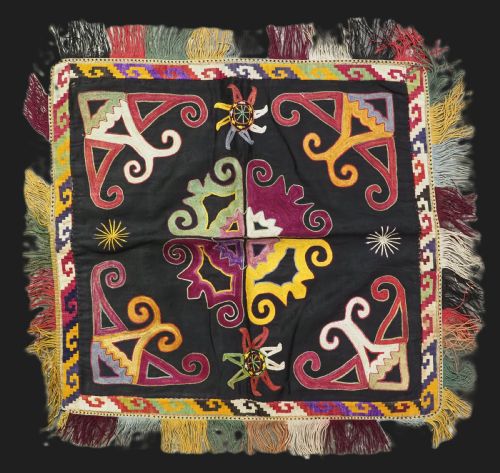
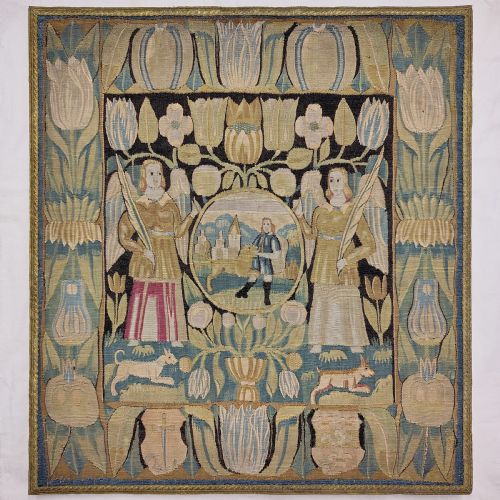
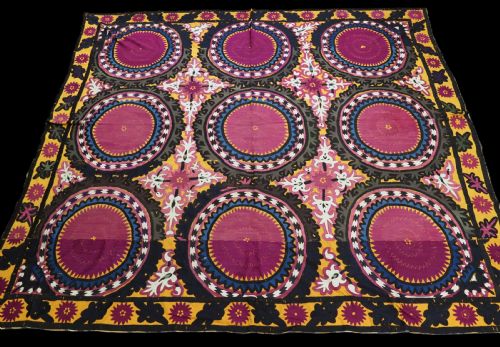
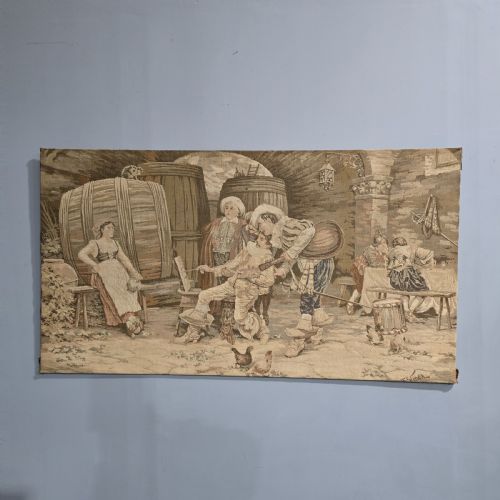
These decorative textile panels span from seventeenth-century European needlework and tapestries to nineteenth-century Central Asian Suzanis and tribal wall hangings.
Decorative Textile Panel
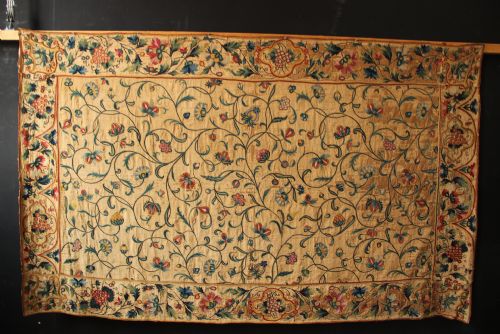
A decorative textile panel brings texture, pattern and history directly to a wall, screen or interior space. When you search for a decorative textile panel, you encounter everything from early English crewelwork and French Aubusson weaves to Central Asian tribal embroideries.
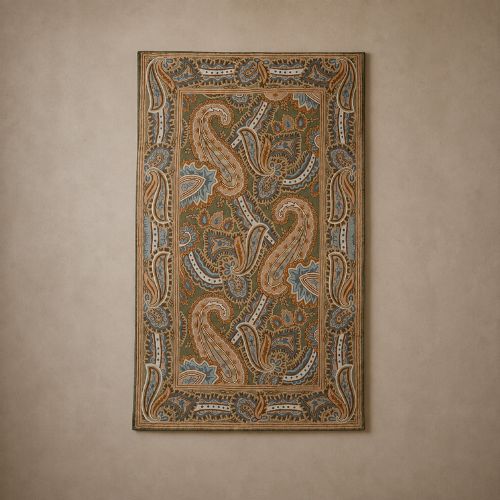
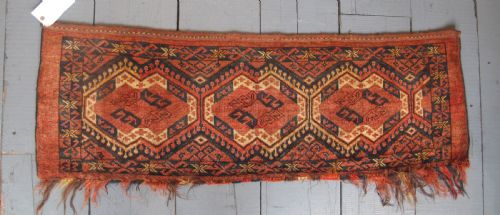
The selections on this page range across centuries, incorporating European classical motifs, Persian styles and tribal formats such as Yomut torbas and Uzbek suzanis. Wall hangings, folding screens and framed textile boards dominate the forms available here.
Originating from diverse workshops and domestic hands, these pieces function primarily as vertical wall art or architectural room dividers. Their survival demonstrates both utilitarian resilience and enduring aesthetic value.
Materials and construction
The foundation fabrics rely primarily on wool, cotton, silk and linen, providing stable grounds for elaborate needlework and weave structures. Artisans combined these natural textiles with supportive wooden frames where folding screens or mounted boards were constructed.
Surface ornamentation frequently utilises metallic thread alongside fine wool and silk embroidery yarns to catch the light. Selected examples incorporate brass and glass components within their structural framing or decorative detailing.
Techniques range from crewelwork embroidery and classical tapestry weaving to specialised regional needlework traditions practised across Central Asia and Europe. Each method dictates the density of the surface pattern and the weight of the finished hanging.
Listings feature textiles spanning from the seventeenth century through to the 1930s, incorporating wool, silk, metallic thread, wood, glass and brass.
Evaluating craftsmanship
Quality rests heavily on the precision of the needlework and the integrity of the base textile. Dense, carefully executed stitching distinguishes finer regional suzanis and crewelwork pieces from simpler domestic efforts.
The complexity of the design and the survival of original materials dictate the standing of a panel. Aubusson tapestries and seventeenth-century Continental panels demand exceptional skill in pictorial composition and colour retention.
Proportion and scale also influence distinction, particularly in large wall hangings and folding room screens where the balance of the textile design must suit the architectural format.
The Decorative Textile Panel Glossary
- Crewelwork
- Embroidery executed in wool yarn on a heavy linen or cotton twill ground. This technique creates a textured, raised surface popular in seventeenth-century English decorative arts.
- Suzani
- A type of embroidered tribal textile originating from Tajikistan, Uzbekistan and other Central Asian nations. These large wall decorations were traditionally made by brides as part of their dowry.
- Aubusson
- A woven tapestry style produced in the French town of Aubusson, noted for pastoral and classical pictorial scenes. These panels often served as architectural wall decorations.
- Torba
- A small tribal storage bag face woven by Turkmen nomads, prized for its geometric precision and rich wool pile. They were originally utilised inside tents for household belongings.
- Entre-fenetre
- A tall, narrow tapestry panel designed specifically to hang on the wall space between two windows. They bring verticality and balanced decoration to period interiors.
Decorative Textile Panel: Frequently Asked Questions
How do I hang a textile panel safely?
Heavy textiles require even weight distribution across a baton or specialised wooden mounting board rather than single suspension points. This prevents the fabric fibres from stretching and distorting over time.
Keep panels away from direct sunlight and damp environments to protect fragile silk, wool and metallic threads from degradation.
What is the difference between a suzan and crewelwork?
Suzanis are Central Asian embroidered silk or cotton wall hangings characterised by bold floral motifs and regional dowry symbolism. Crewelwork originates primarily in Britain and employs wool yarns stitched onto heavy linen grounds.
Both offer tactile surface decoration but reflect entirely different geographical traditions, eras and stitching techniques.
Can folding screens be used as room dividers?
Folding screens featuring textile panels function well to separate sections of a room or create private zones. Their hinged wooden frames support the decorative fabric while allowing flexible placement.
Ensure the screen stands on a stable, level surface to prevent strain on the hinges and the mounted panels.
How do I date an antique textile panel?
Dating relies on identifying the underlying material, dye types, stitching style and regional motifs characteristic of specific centuries. Seventeenth-century pieces typically show classical grotesques or early crewelwork patterns, while nineteenth-century works often display tribal geometry or suzani embroidery.
Compare the ground fabric and thread types against documented examples from the same origin to narrow down the period.
Are these panels suitable for modern interiors?
These decorative panels introduce rich texture and historic depth into contemporary minimalist or traditional rooms alike. Framed wall art or large hanging textiles soften acoustics and add warmth to plain walls.
Select a scale that complements your wall space without overwhelming the surrounding furniture.