




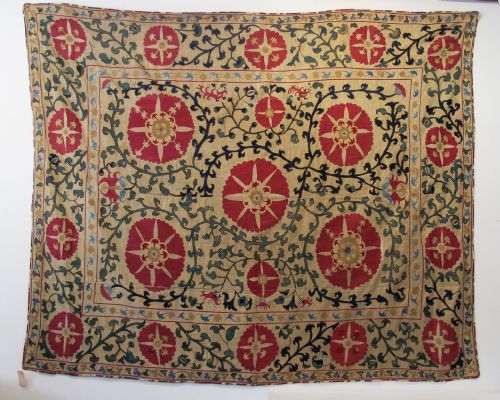


Hand Embroidered Wall Cover
These hand embroidered wall cover pieces bring Central Asian colour and needlework directly to your interior walls.
Hand Embroidered Wall Cover
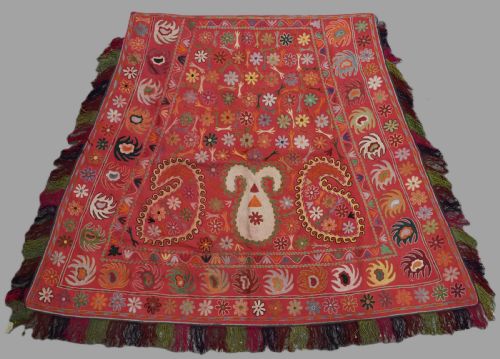
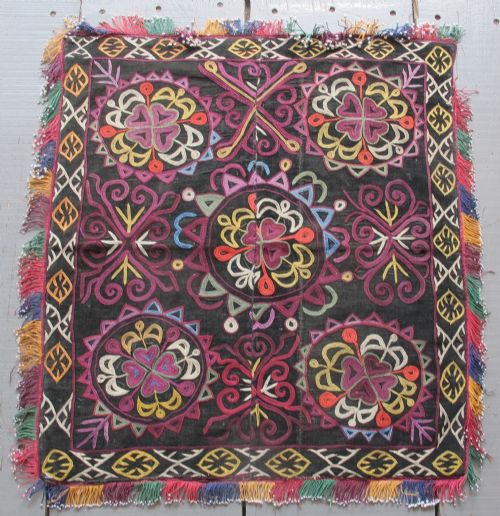
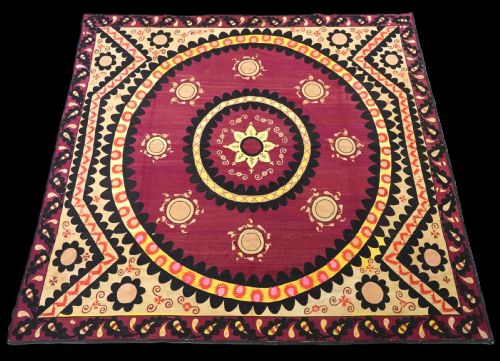
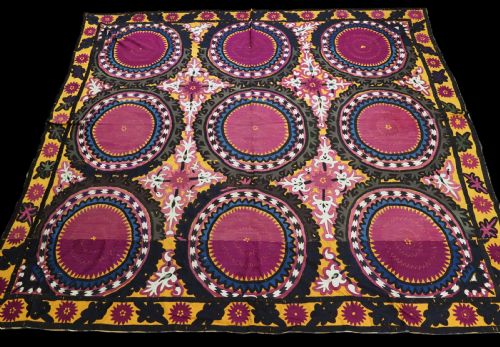
A hand embroidered wall cover brings Central Asian textile traditions into a modern room, functioning primarily as a decorative hanging rather than its original domestic purpose. You will find that many examples started life as ceremonial horse covers, saddle rugs, mirror covers, or bed covers before being repurposed for display.
The pieces on this page span from the nineteenth century into the early twentieth century, originating from regions such as Uzbekistan, Samarkand, and Tashkent. Tribal groups including the Lakai and Tajik produced these works using traditional folk art motifs.
The most frequent format you will encounter is the suzani, alongside specialised items like horse covers and mirror frames. These textiles display distinct regional styles, from fully embroidered palak designs to bold floral patterns set against vibrant grounds.
What varies in quality
The density and precision of the needlework dictate the artistic standing of each piece, with fully embroidered grounds showing exceptional dedication of time. Master embroiderers executed complex geometric or floral layouts with minimal deviation in stitch tension.
Colour saturation and the preservation of natural dyes separate standard items from the finest examples. Pieces that retain vibrant hues across silk threads demonstrate superior material selection from the workshop.
Hand Embroidered Wall Cover Retail Price Guide 2026
Typical asking prices for hand embroidered wall cover among the pieces listed under this phrase on Sellingantiques today, from the lower quarter to the upper quarter. They describe what is for sale here now, not the wider market.
Several horse covers on display were originally stitched to look impressive from the back of a galloping animal.
The Hand Embroidered Wall Cover Glossary
- Suzani
- A traditional embroidered tribal textile from Central Asia, usually worked in silk on a cotton or silk ground. These large panels were traditionally made as part of a bride's dowry.
- Lakai
- A Central Asian Turkic tribal group known for bold, dynamic embroidery styles utilising distinctive hook motifs and vivid colour combinations. Their work often appeared on horse covers and saddle rugs.
- Ru-i-jo
- A specific type of Central Asian bed cover traditionally placed over bedding during the day. These textiles form part of the broader suzani tradition.
- Nim suzani
- A half-size or smaller version of the standard suzani hanging, easier to accommodate on smaller wall spaces while retaining full embroidery detail.
Hand Embroidered Wall Cover: Frequently Asked Questions
What is a suzani?
A suzani is a large, hand-embroidered textile originating from Central Asia, traditionally created as part of a bride's dowry. Women stitched these panels using silk threads on cotton or silk foundations.
Today, collectors use these historic textiles as wall hangings or decorative covers to bring texture and colour into an interior space.
How do I hang a textile?
Hanging a textile safely requires distributing the weight evenly across the top edge rather than piercing the fabric with direct nails. Conservation mounting often involves stitching a cotton sleeve to the back to slide over a flat wooden batten.
This method supports the piece securely while preventing undue strain on the historic silk threads and ground fabric.
How old are these pieces?
The pieces available here date primarily from the nineteenth century up to the early twentieth century. Makers produced these tribal and traditional works across regions of Central Asia during distinct dynastic and social periods.
Dates are estimated based on material wear, dye types, and traditional design structures typical of specific decades.
How do I care for silk embroidery?
Silk embroidery requires protection from direct sunlight to prevent the natural dyes from fading over time. Keep the textile away from excessive moisture and heat sources to preserve the integrity of the fibres.
Dusting should be done very gently with a soft brush, avoiding any harsh chemical cleaners or water washing.