
Vintage Embroidered Tapestry
These vintage embroidered tapestry pieces bring historic needlework, crewelwork and suzanis into modern interiors.

Vintage Embroidered Tapestry
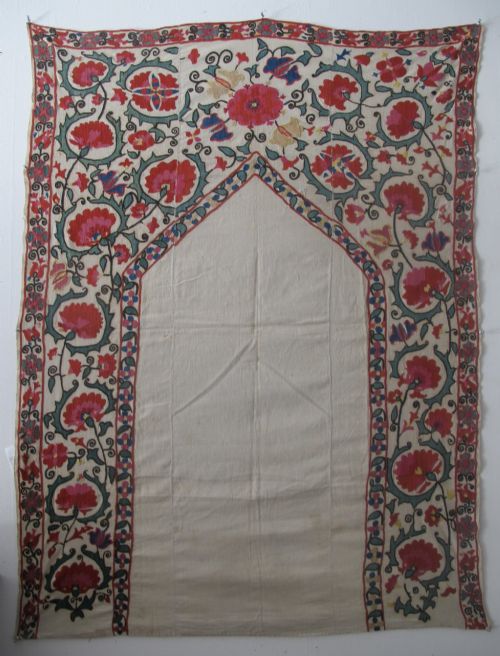
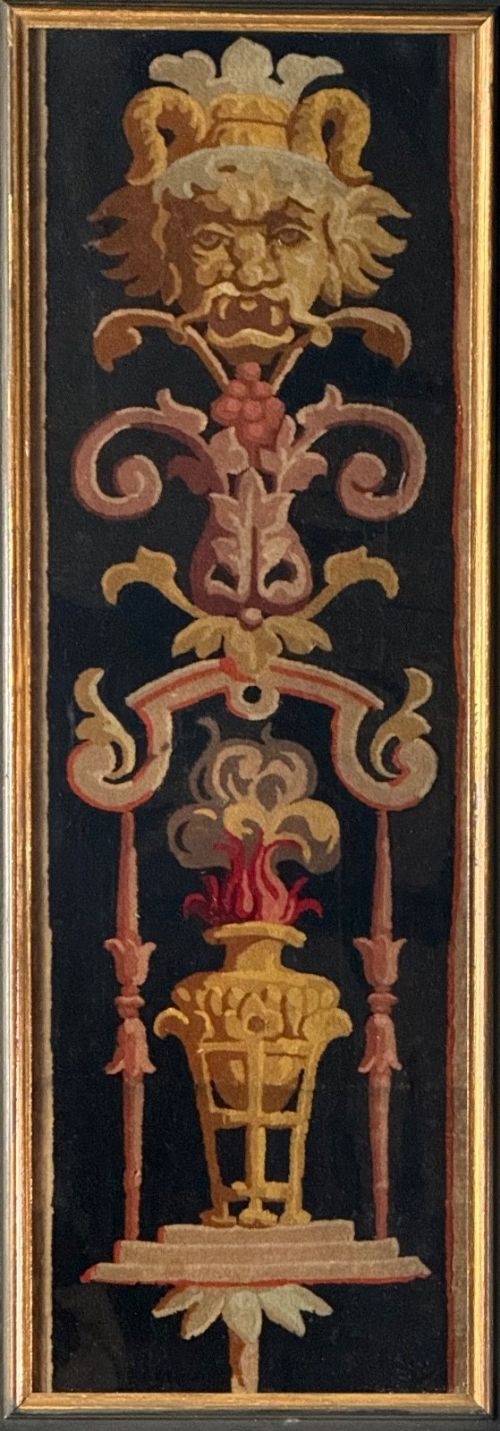
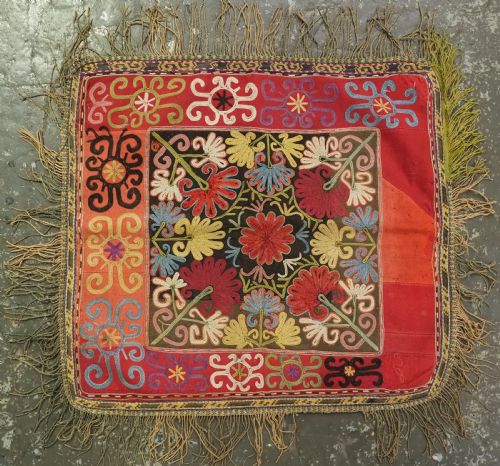
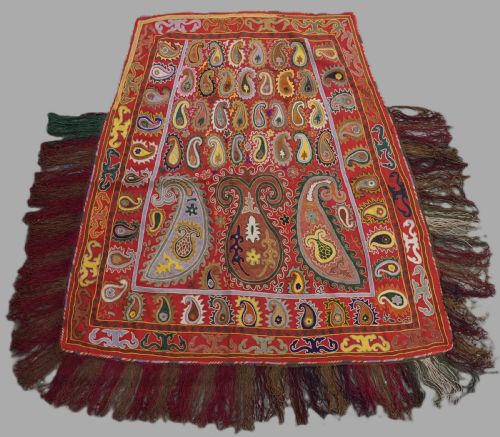
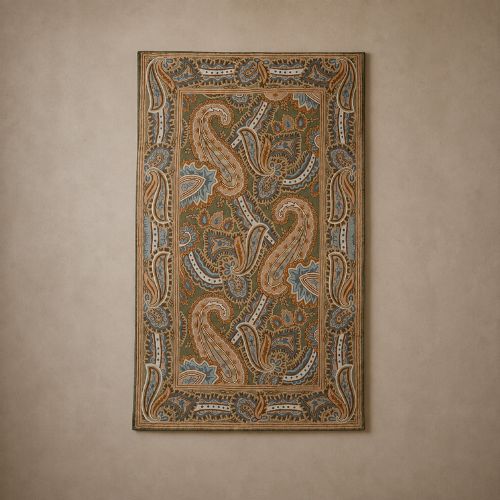
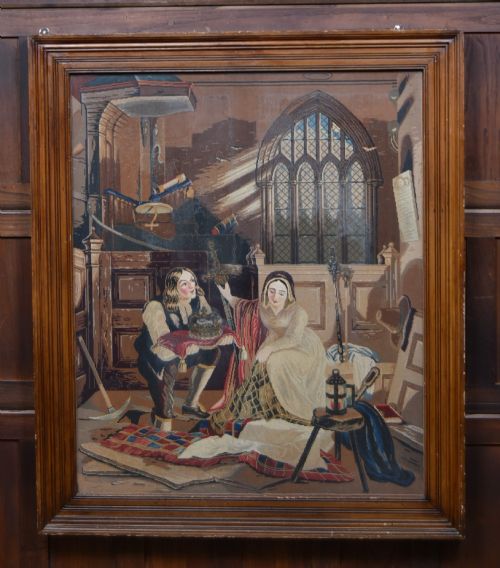
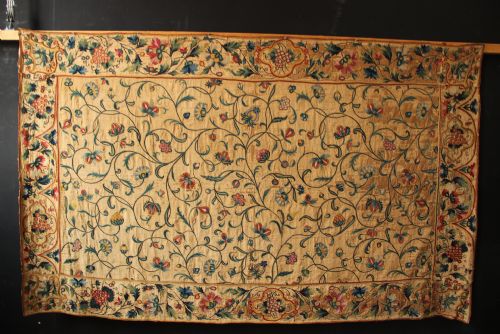
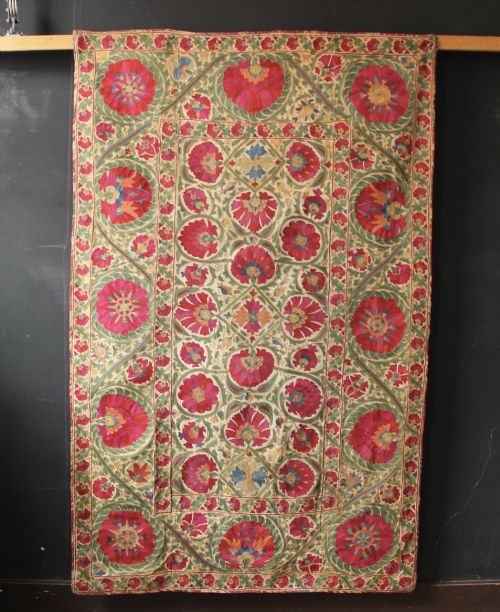
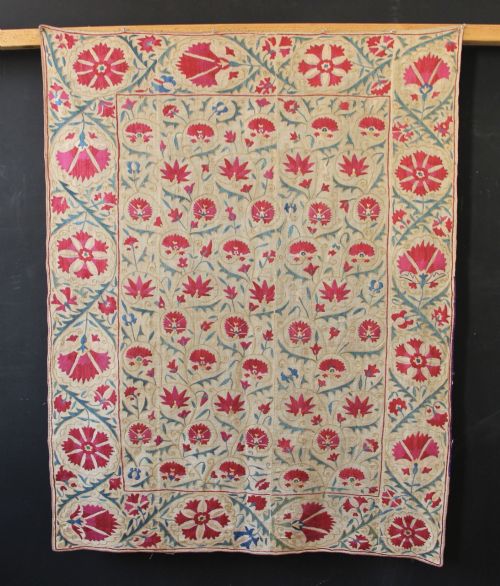
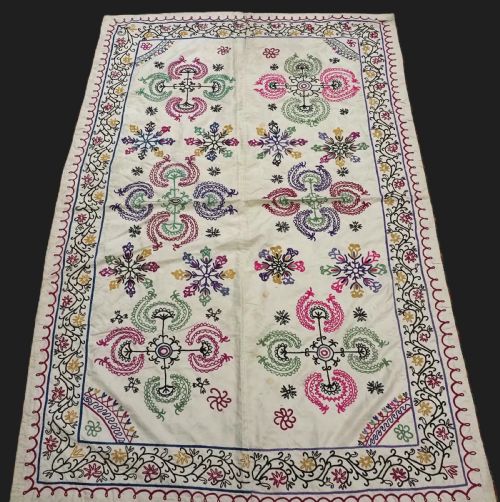
When searching for vintage embroidered tapestry, buyers encounter a diverse range of textiles, including Central Asian suzanis, English crewelwork panels, and Victorian needlework pictures. These pieces span from the seventeenth century through to the mid twentieth century, reflecting varied global textile traditions.
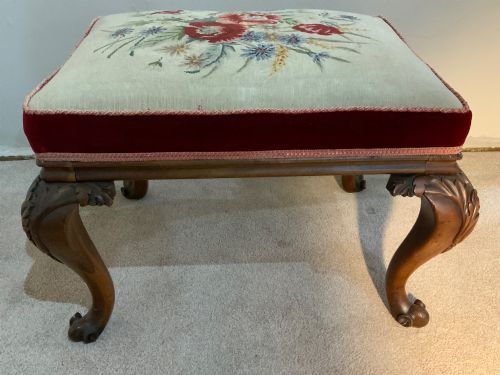
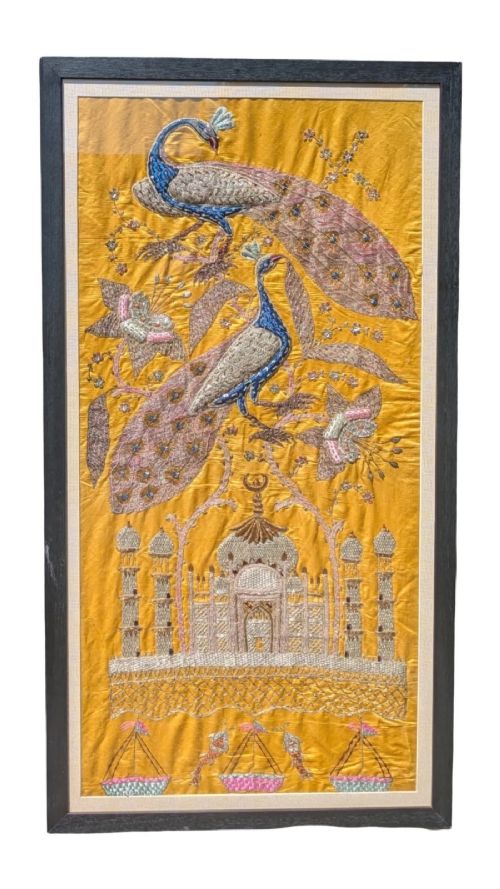
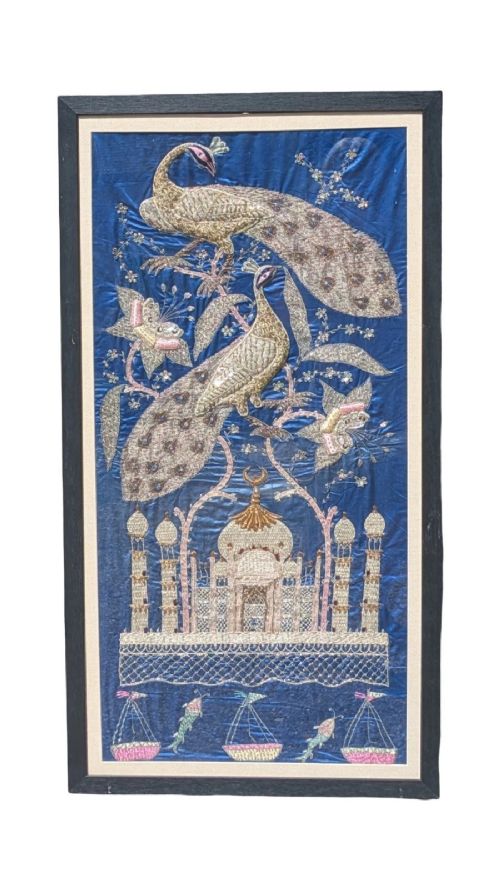
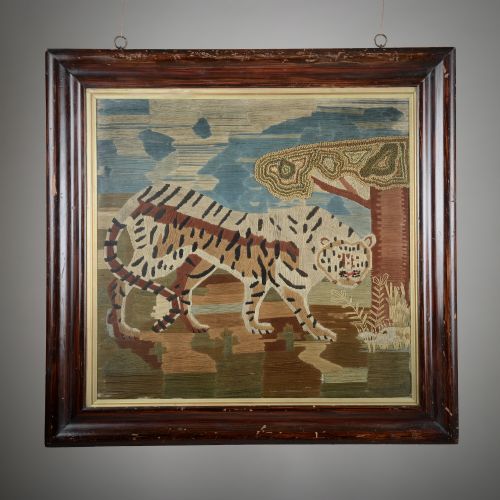
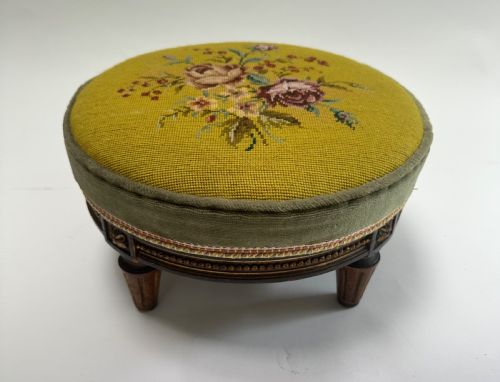
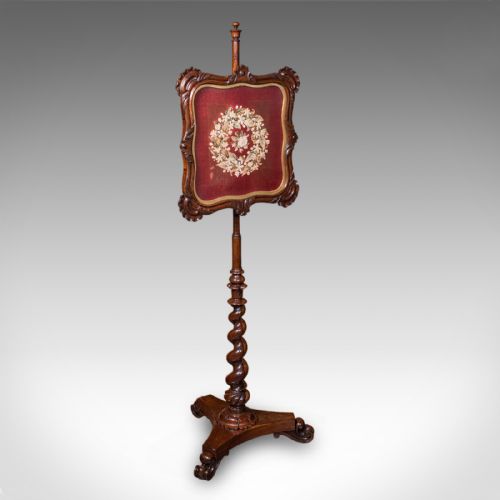
The selection frequently includes wall hangings, framed panels, and upholstered furnishings such as footstools and fire screens. Central Asian tribal items like Lakai ilgiches and Bokhara suzanis sit alongside European needlepoint works framed in wood or glass.
Originating from regions as varied as Uzbekistan, India, Portugal, and England, these textiles display distinct regional motifs. Architectural designs, floral medallions, and traditional figural scenes dominate the available forms.
Materials and construction
Needlework and embroidery utilise natural substrates such as linen, cotton, canvas, and felt as foundations for decorative stitching. Artisans applied silk, wool, and cotton threads to build up dense, textured surfaces and intricate pictorial designs.
Support structures incorporate traditional timbers like walnut and mahogany for framed items and furniture pieces. Specialised techniques include crewelwork, silk applique, and gros-point needlepoint executed by hand.
Several embroidered horses remain permanently saddled in ceremonial attire without ever leaving the wall.
Assessing quality in needlework
Quality rests upon the density of the stitching, the precision of the needlework, and the complexity of the design. Finer silk embroideries and early crewelwork panels demonstrate exceptional execution in thread tension and pictorial depth.
The condition of the textile fibres and the integrity of any associated wooden frames or backing materials dictate the overall integrity of the piece. Superior examples maintain vibrant coloration and minimal thread loss across large surface areas.
The Vintage Embroidered Tapestry Glossary
- Crewelwork
- Embroidery executed with wool yarn on a heavy linen or cotton substrate. This technique creates a textured, raised surface favoured in English decorative arts.
- Gros-point
- A type of needlepoint stitched on canvas using a coarse wool yarn. It produces durable upholstery panels and pictorial wall hangings.
- Ilgich
- A specific type of dowry embroidery created by the Lakai tribe in Central Asia. These pieces served ceremonial and decorative functions within nomadic households.
- Pole screen
- An adjustable antique fireside accessory featuring a framed panel of embroidery designed to deflect radiant heat from an open fire. They double as decorative wall art displays on a stand.
Vintage Embroidered Tapestry: Frequently Asked Questions
How do I hang a textile panel safely?
Heavy embroidered panels and suzanis require even weight distribution across a fabric sleeve or specialised textile mounting system. Avoid direct pin or nail placement through historic silk or wool.
Ensure pieces are displayed away from direct sunlight to prevent fading of natural dyed threads on cotton or linen grounds.
What is the difference between a suzanis and crewelwork?
Suzanis originate primarily from Central Asia and feature vibrant silk embroidery on cotton or linen foundations with characteristic medallion and floral designs. Crewelwork is traditionally an English technique utilising wool yarn on heavy linen.
While both fall under textile wall art, their regional origins, thread types, and aesthetic traditions differ significantly.
Can I use an antique needlepoint stool daily?
Stools featuring nineteenth-century needlepoint or gros-point upholstery remain structurally usable if the underlying wood frame and stitching are secure. Regular gentle use is acceptable for sturdy Victorian and Edwardian frames.
Protect delicate silk or wool pile surfaces from abrasive wear and moisture to preserve the historic needlework.