




Gilt Framed Textile Art
Gilt framed textile art brings rich 19th century needlework and lace together within bright, gleaming surrounds that immediately catch the eye.
What gilt framed textile art is
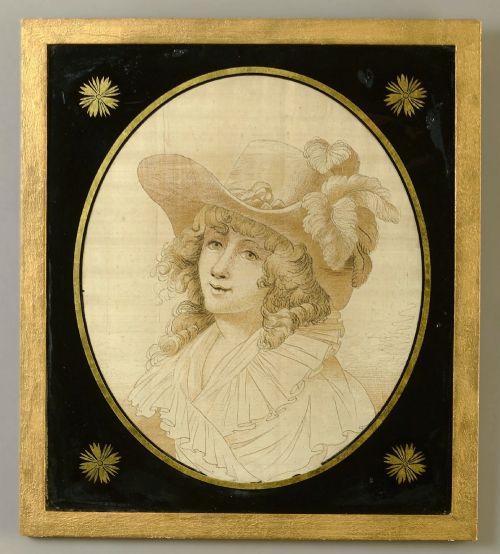
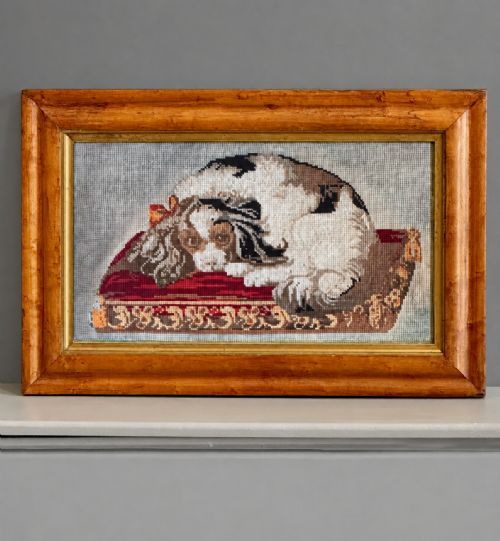
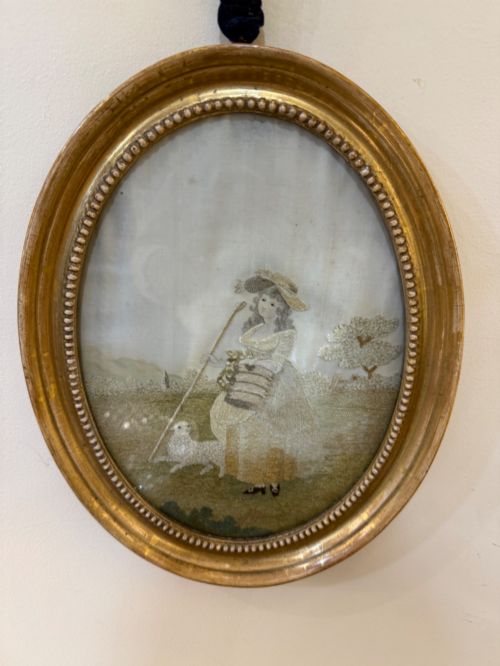
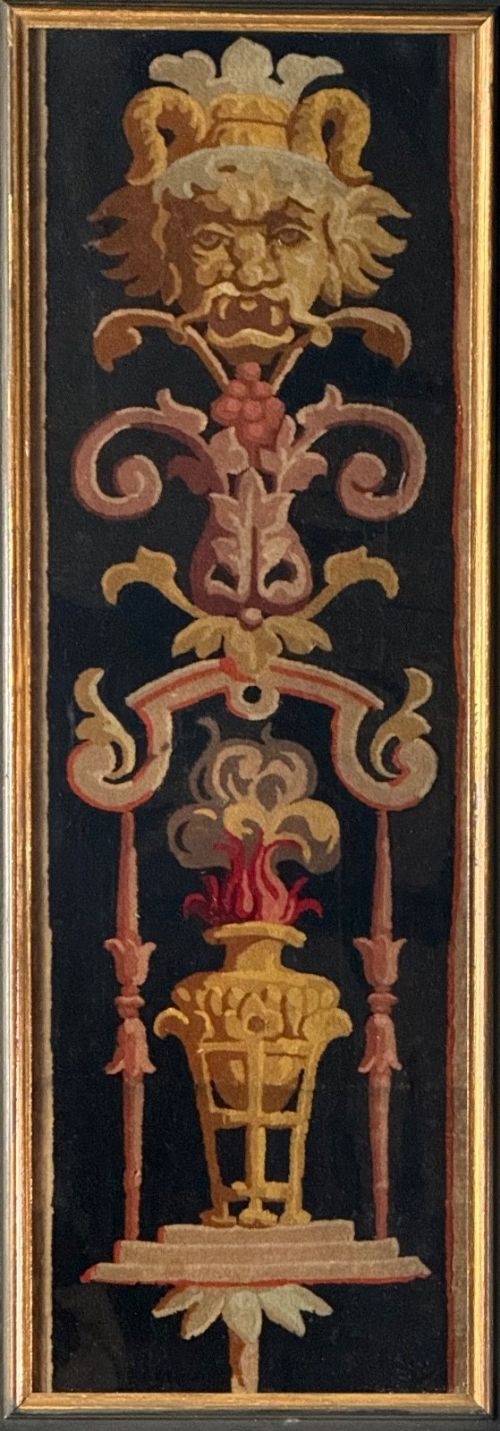
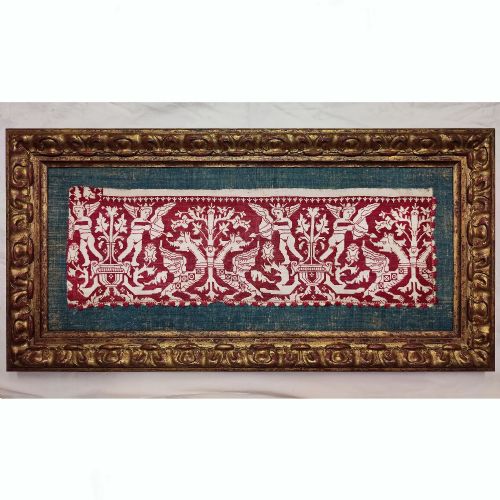
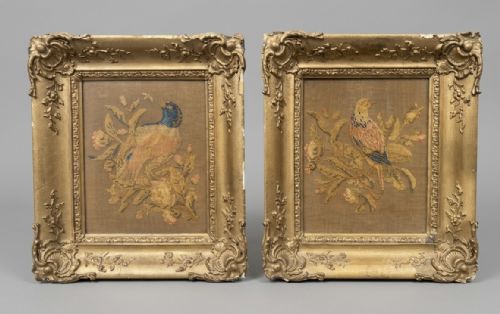
When you search for gilt framed textile art, you find works that combine historical fabrics with ornamental gold frames. These pieces span the 19th century and include framed artwork, framed textile art, and wall art.
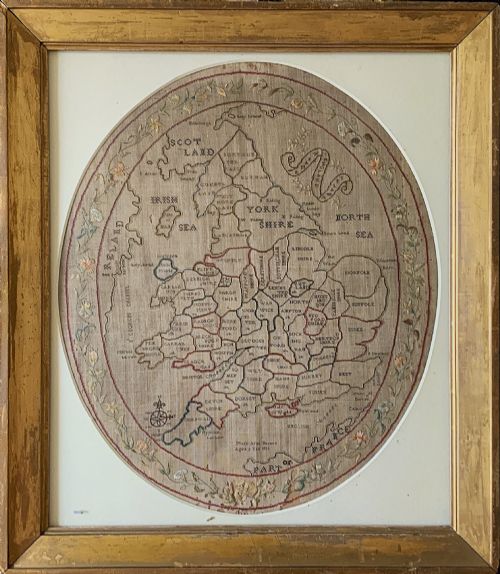
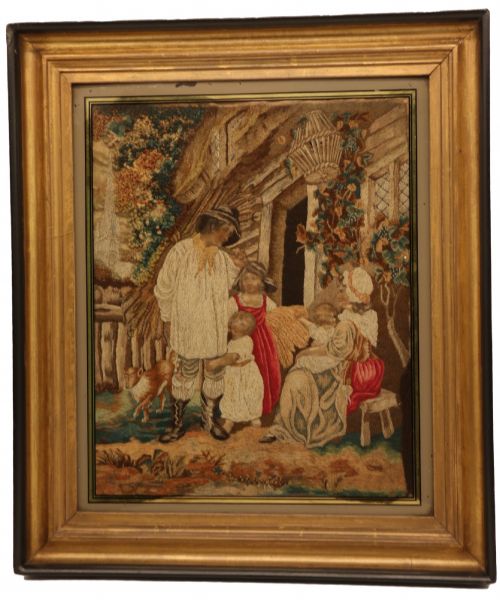
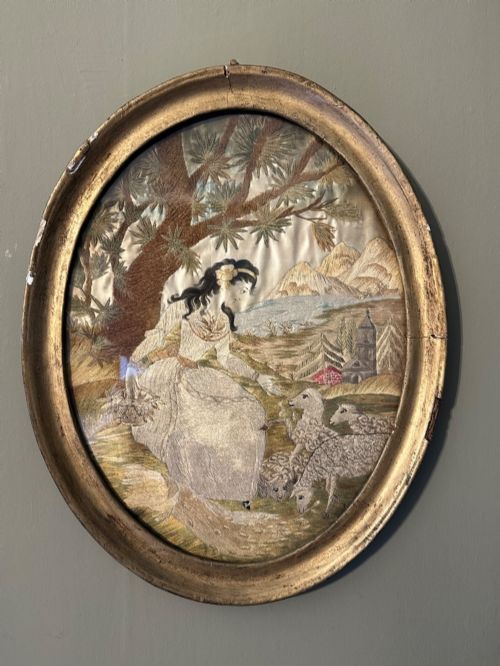
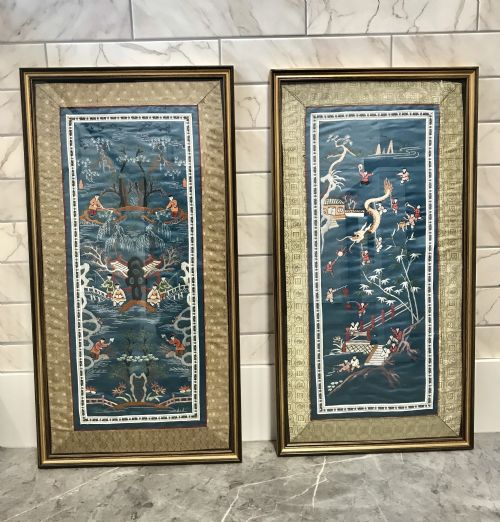
The selections on this page feature 19th century examples, representing French Empire, French Chateau, and Victorian styles. Common forms include tapestries, samplers, and commemorative military embroideries.
Subjects range from historical figures like Napoleon at Pont d'Arcole to intricate French lace samplers and regimental tributes. Each item pairs textile craft with period wooden surrounds finished in gold leaf.
How they were made
Maker construction relies on textiles such as silk, wool, linen, and cotton stitched or worked by hand. These fabrics are then mounted within frames constructed from wood and finished with gold leaf.
Protective glass fronts shield the delicate fibrous surfaces from dust and environmental wear. The wooden frames utilise traditional gilding techniques to adhere gold leaf over prepared wooden bases.
One military embroidery honours the sixty-ninth battery, proving that even heavy artillery sometimes sat down for a quiet stitch.
What varies in quality
Quality rests upon the fineness of the needlework and the complexity of the textile design. Dense, detailed stitching in materials like silk and wool demonstrates higher skill than simpler background work.
The construction and finish of the surrounding frame also determine overall merit. Hand-gilt wooden frames displaying crisp mouldings and authentic period joinery elevate the piece beyond plain timber mouldings.
The Gilt Framed Textile Art Glossary
- Gilt wood
- Wood coated with gold leaf or gold paint to create a brilliant metallic surface. This technique protects the timber underneath while providing an opulent frame finish.
- Sampler
- A piece of cloth featuring various embroidery stitches, often worked by individuals to demonstrate needlework proficiency. Early 19th century examples frequently display alphabets, motifs, or lace patterns.
- Tapestry embroidery
- A form of needlework where threads are stitched across a canvas or fabric ground to form pictorial scenes. Historical depictions often portray military leaders or significant events.
- French Empire
- A neoclassical design style originating in France during the early 19th century, characterised by grandeur and classical motifs. Pieces from this aesthetic often incorporate rich fabrics and striking gilding.
Frequently Asked Questions
What materials are used in the frames?
Frames are constructed from wood and finished with gold leaf.
Glass is also utilised to protect the delicate textiles mounted within.
How should I hang these artworks?
Ensure your wall can support the weight of the wooden frame and glass.
Keep them away from direct sunlight to protect the silk, wool, and cotton threads from fading.
What subjects appear in the embroideries?
Subjects include military figures, regimental commemorations, and traditional lace samplers.
These designs highlight both historical events and domestic needlework skills.