




Framed Wool Needlepoint Art
Framed wool needlepoint art brings historic hand-stitched needlework into domestic interiors, offering tactile depth and rich narrative scenes.
Framed Wool Needlepoint Art
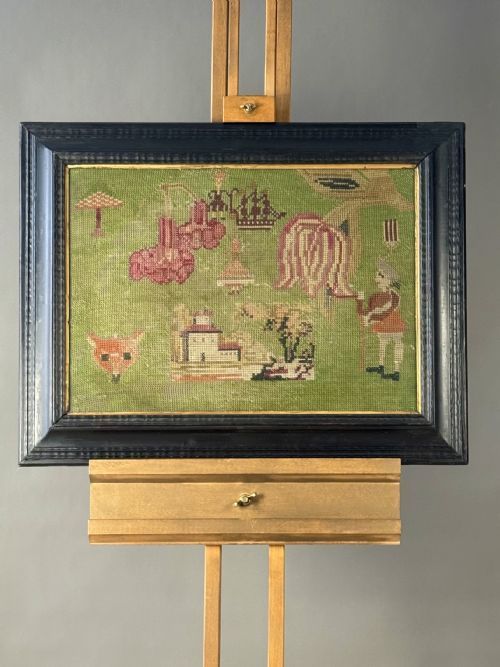
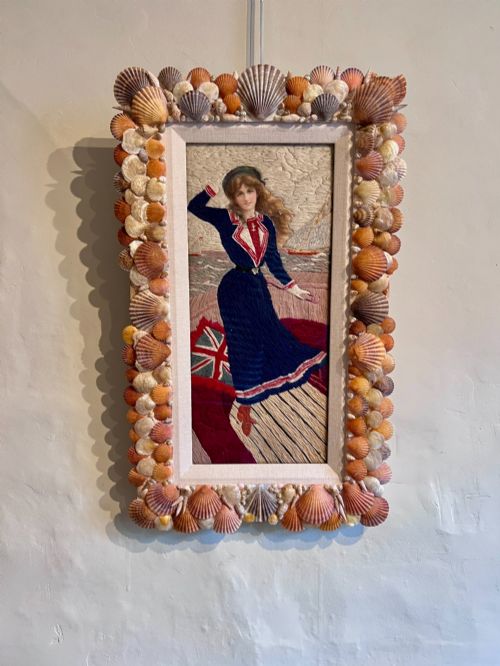
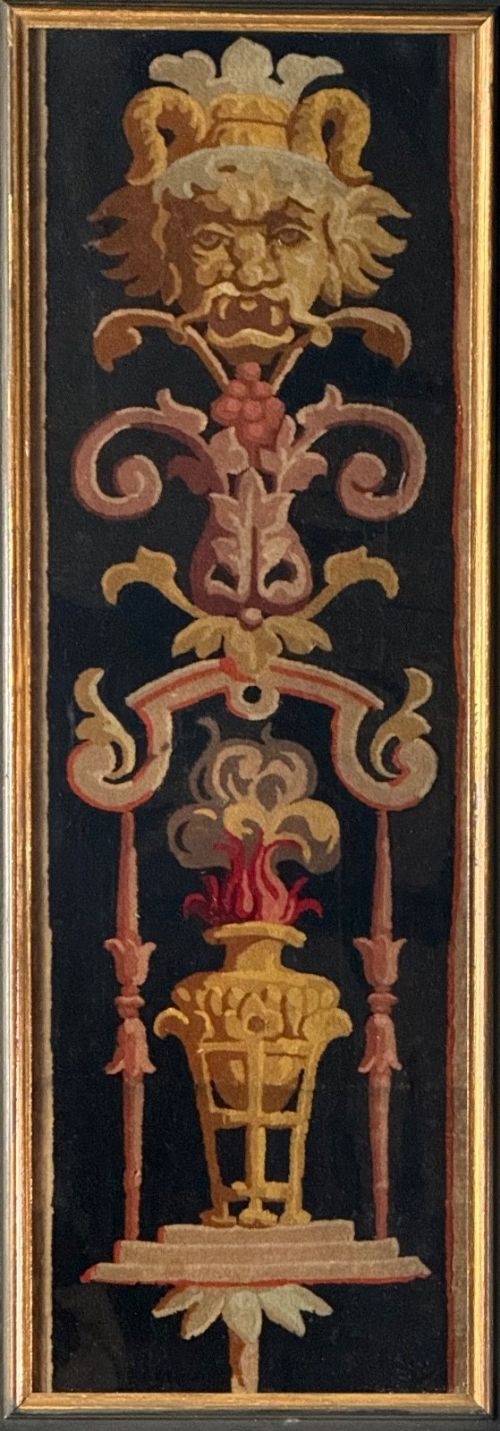
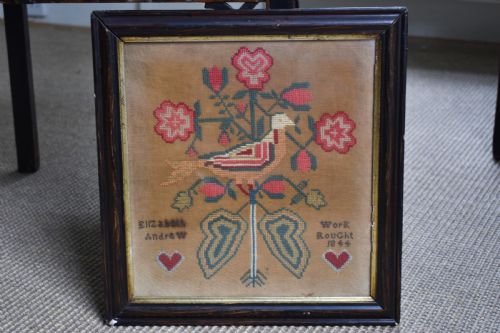
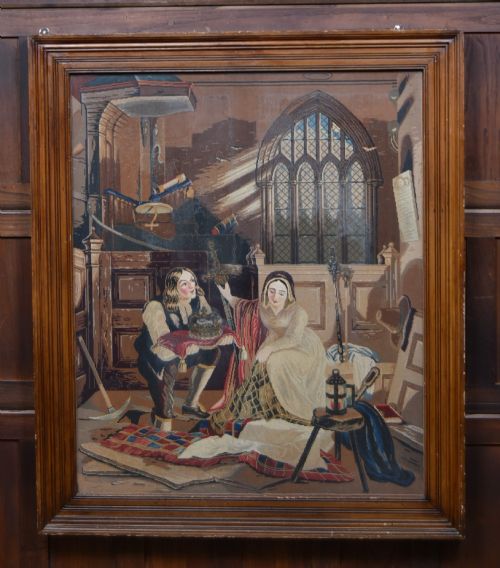
When searching for framed wool needlepoint art, buyers encounter historic stitched works spanning the seventeenth through the early twentieth centuries, with a strong representation of Victorian production. These pieces take the form of wall art, samplers, pictorial panels, and maritime woolies, preserved behind glass within period frames.
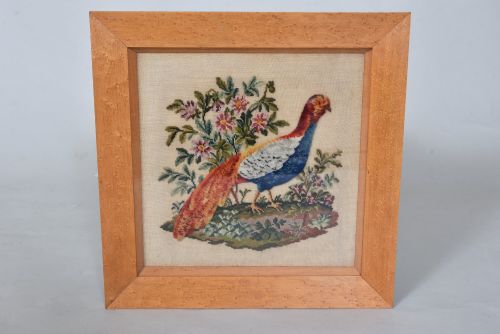
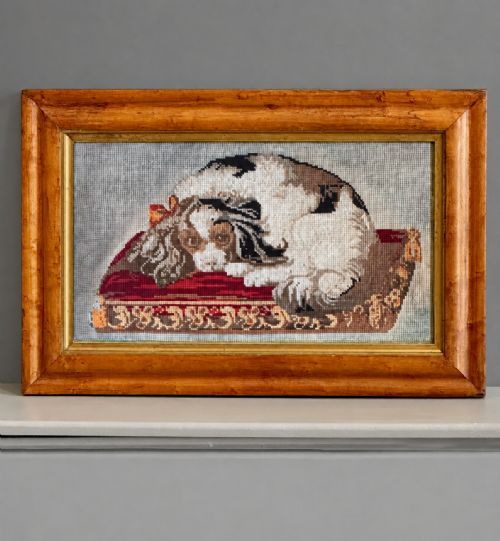
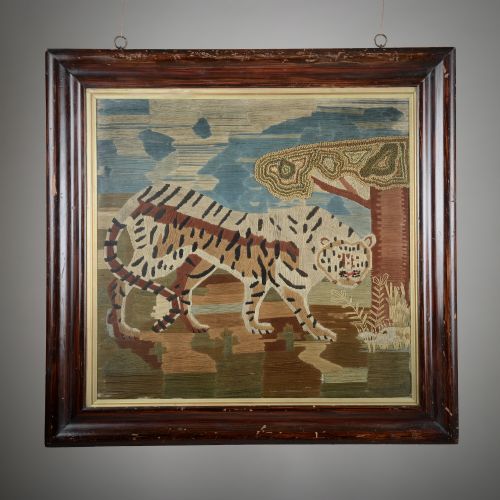
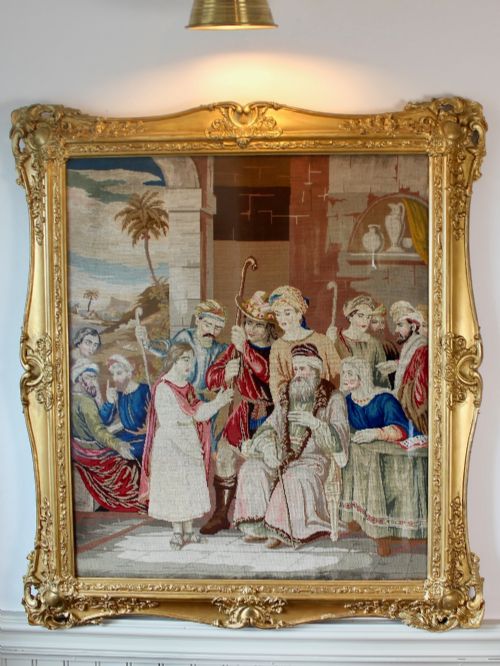
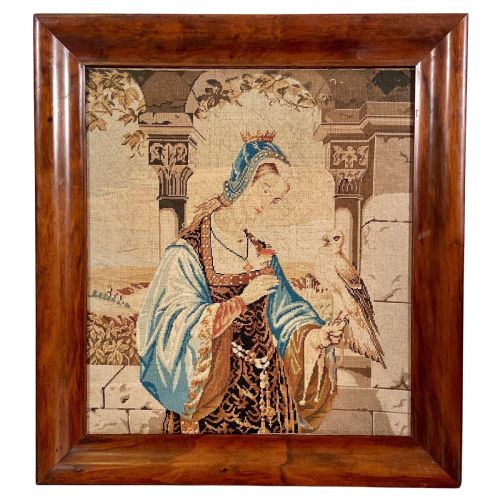
Subjects range from pastoral farming scenes and classical portraits to botanical studies, religious figures, and folk art depictions like animals or sailors. The selection moves from finely detailed eighteenth-century pictures to expressive nineteenth-century plushwork and Berlin woolwork.
How they were made
Maker execution relies on wool, silk, and linen threads worked onto a woven canvas support using various needlework techniques, including gros-point and tent stitch. Artisans built up texture and chromatic depth through dense fibre placement, sometimes combining wool with embroidered silk details.
The resulting textile art is housed in period enclosures such as burr maple frames, giltwood mouldings, and verre églomisé surrounds, often protected beneath original glass to safeguard the delicate fibres.
Stitch errors immortalised by young Victorian girls remind us that historical homework could be just as frustrating centuries ago.
What varies in quality
Quality rests upon the precision of the stitchwork, the complexity of the pictorial composition, and the vitality of the remaining wool colours. Finer examples display meticulous shading and controlled tension across the canvas, whereas simpler folk pieces derive their appeal from charming directness rather than technical refinement.
The integrity of the mounting environment also dictates overall merit. Original frames, such as burr maple or giltwood surrounds, alongside undisturbed backing materials, preserve the historic context of the textile far better than modern replacements.
The Framed Wool Needlepoint Art Glossary
- Berlin work
- A style of nineteenth-century needlepoint worked in wool from printed and hand-coloured grid patterns. It allowed stitchers to create elaborate pictorial designs with complex shading.
- Gros-point
- A coarse needlepoint stitch executed on canvas that produces a durable, textured surface. It is commonly utilised for backgrounds and heavy pictorial elements in historic tapestries.
- Sampler
- A piece of needlework demonstrating a maker's proficiency in various stitches, alphabets, or motifs. Historic examples frequently record the maker's name, age, and date.
- Verre églomisé
- A historic decorative technique involving the application of gold or silver leaf onto glass, combined with painted details. It frequently provides a dark, reflective border for portrait miniatures and needlework pictures.
Framed Wool Needlepoint Art: Frequently Asked Questions
How do I date antique wool needlework?
Dating relies on stylistic clues, materials, and framing methods associated with specific eras like the Georgian or Victorian periods. Samplers often bear stitched dates or makers' ages that provide a direct timeline.
Examining the type of canvas, the composition of the wool threads, and the construction of the frame helps confirm whether the piece belongs to the seventeenth, eighteenth, or nineteenth century.
How should I care for framed needlepoint art?
Keep framed textile art away from direct sunlight to prevent the wool and silk threads from fading over time. Stable indoor humidity levels protect both the natural fibres and the wooden frame.
Ensure the piece hangs securely using appropriate hardware, and avoid placing it near heat sources that might dry out old wood and vulnerable canvas supports.
What is a sailor woolie?
A sailor woolie is a specific type of nineteenth-century textile art created by mariners during long sea voyages. These works typically feature wool embroidery depicting naval vessels, flags, or sentimental subjects.
Stitched onto canvas with impressive patience, these pieces offer a direct window into maritime folk art and nineteenth-century naval history.
What subjects appear in these antique pictures?
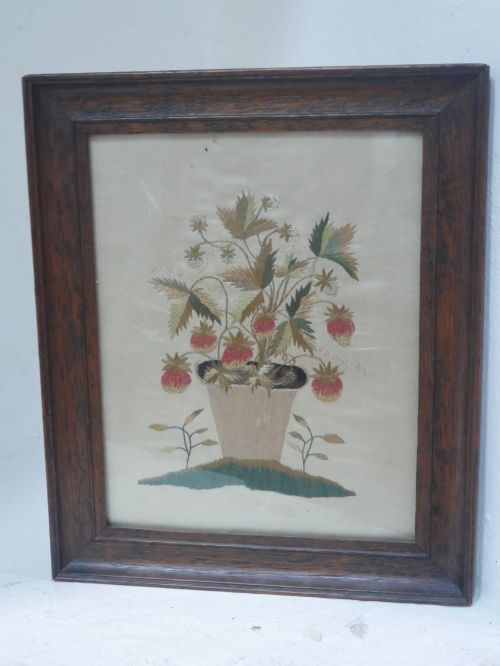
The imagery spans classical portraits, pastoral farming landscapes, religious scenes, and botanical studies such as pots of strawberries. Animals and literary or historical narratives also frequently appear.
Victorian makers favored domestic pets and sentimental themes, while eighteenth-century works often leaned toward refined pastoral or classical compositions.