
Uzbek Silk Embroidery
When choosing an antique uzbek silk embroidery, you acquire a vibrant textile rooted in Central Asian tribal traditions.
Uzbek Silk Embroidery
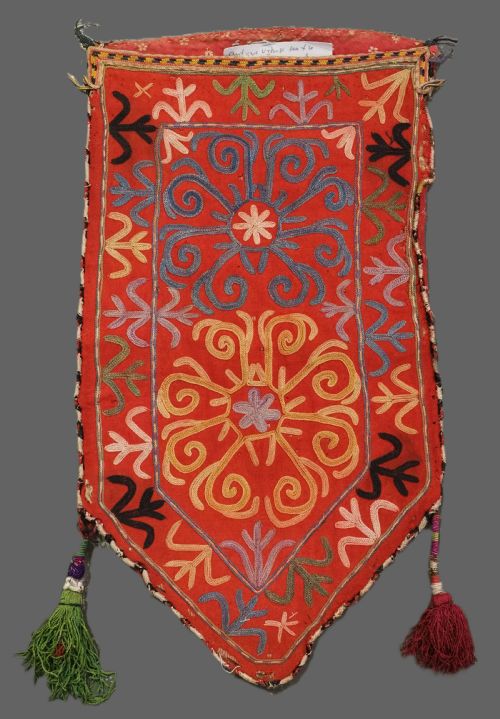
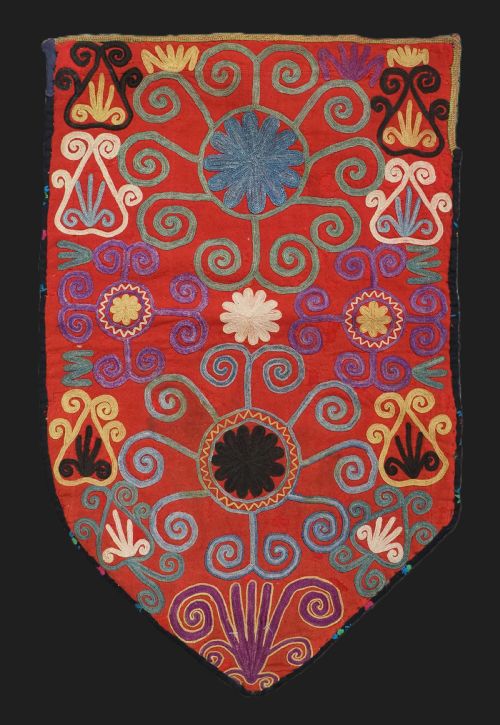
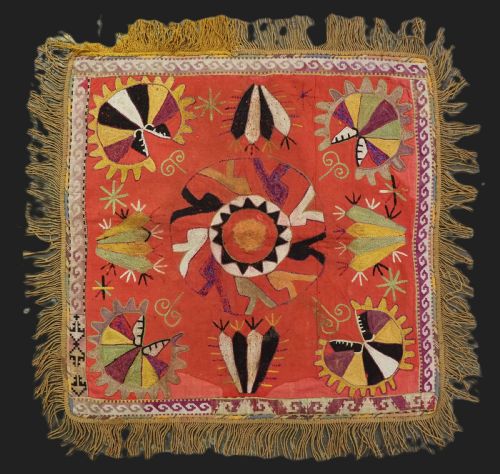
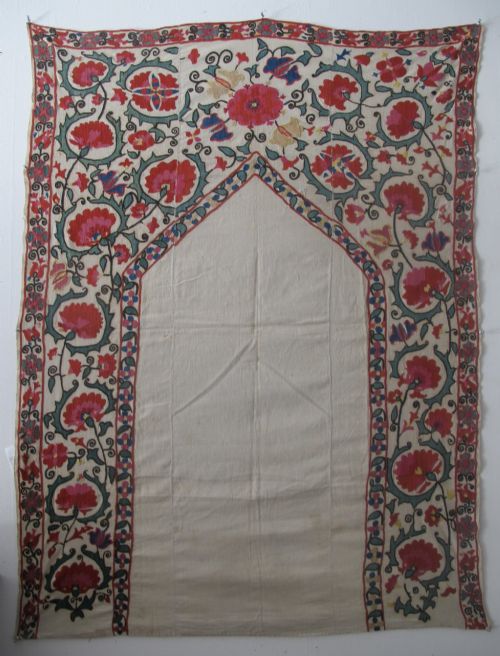
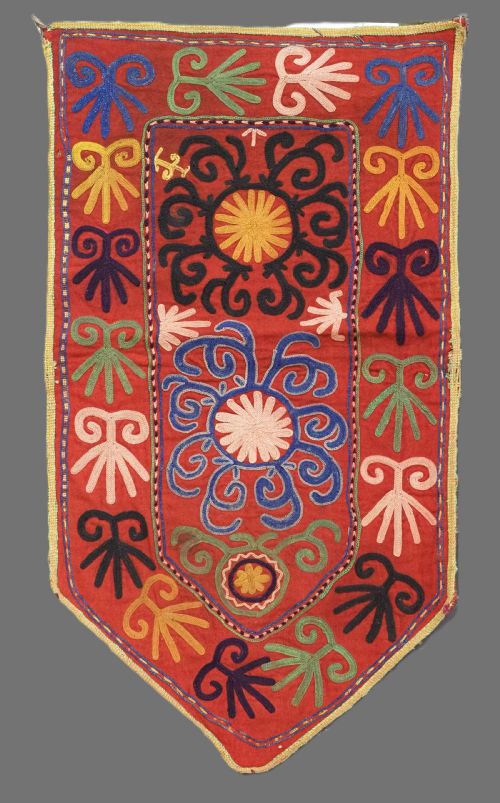
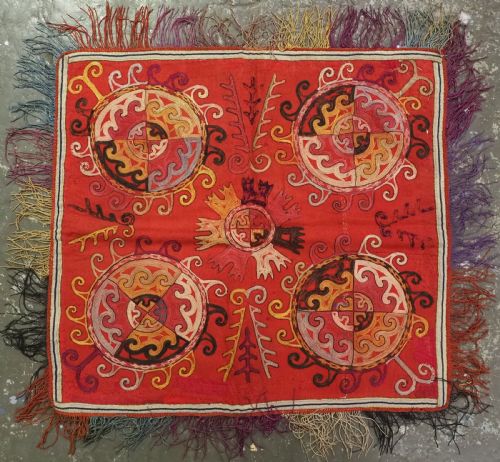
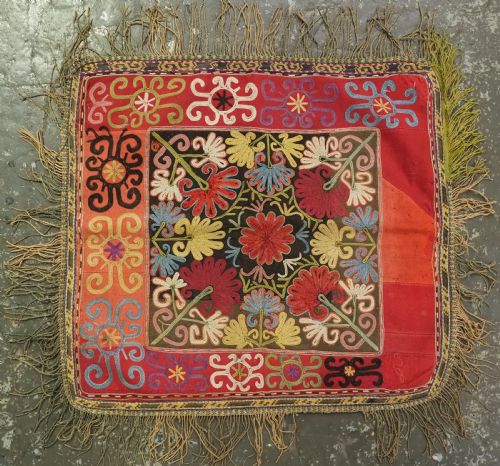
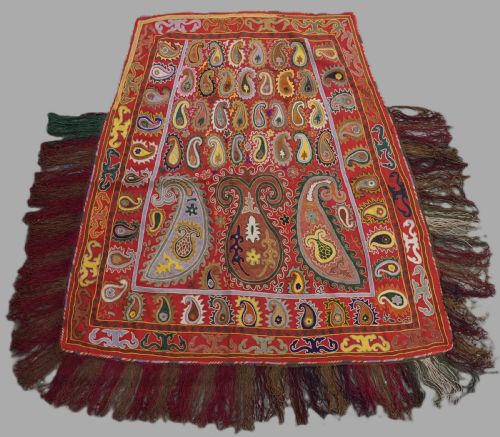
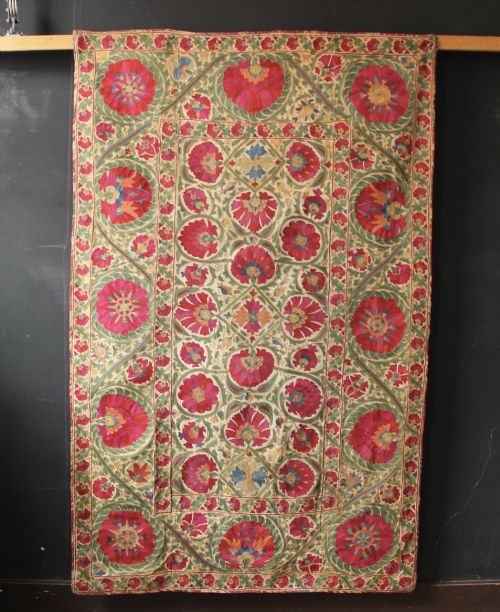
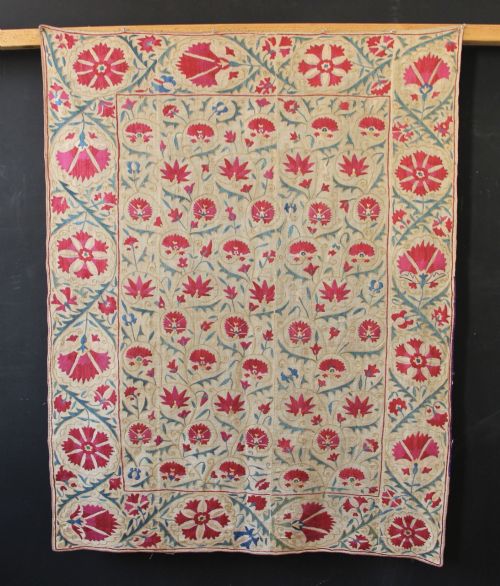
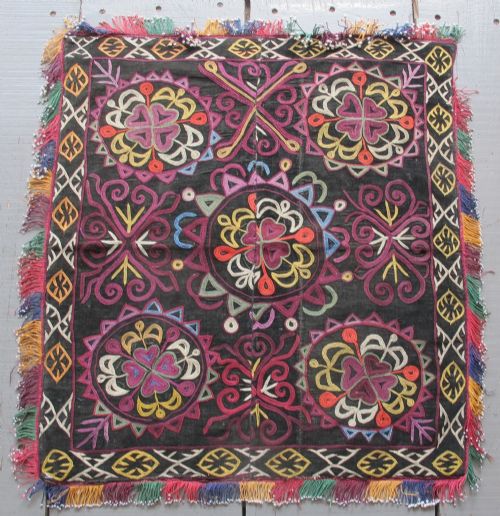
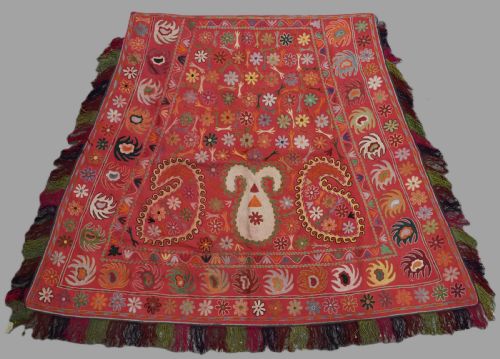
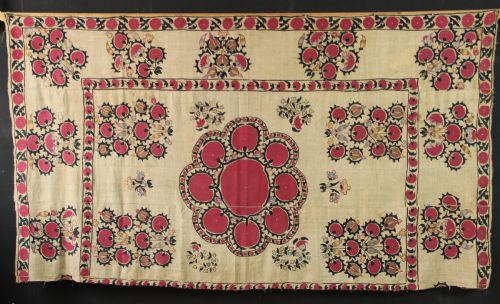
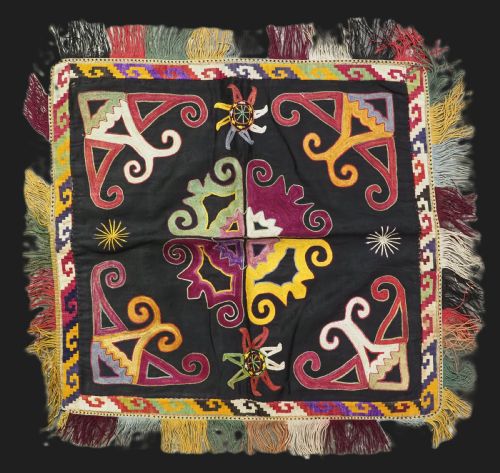
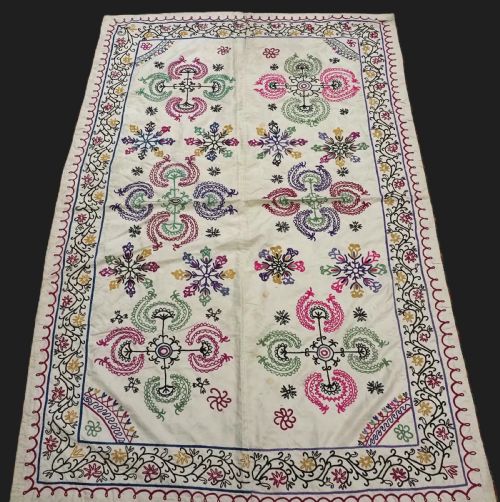
When searching for uzbek silk embroidery, collectors encounter a diverse range of textiles spanning wall hangings, dowry embroideries, and ceremonial horse covers. These pieces originate from Central Asian traditions, including specific works by the Lakai tribe and regional centres such as Bokhara, Nurata, and Shakrisabz.
Dating primarily from the nineteenth and early twentieth centuries, these objects showcase traditional Central Asian folk art and tribal aesthetics. Buyers will find both large room-sized hangings and compact textile panels suited for modern display.
How They Were Made
These textiles rely on a foundation of natural fibres, incorporating silk, cotton, wool, linen, and velvet as support grounds for needlework. Artisans frequently worked with silk thread and sometimes incorporated metal thread brocade work or glass beads.
Stitching techniques bring together intricate patterns on diverse ground materials such as red wool, adras silk and cotton mixes, or yellow cotton grounds. The interaction between the ground fabric and the dense silk embroidery defines the structural composition of each piece.
Uzbek Silk Embroidery Retail Price Guide 2026
Typical asking prices for uzbek silk embroidery among the pieces listed under this phrase on Sellingantiques today, from the lower quarter to the upper quarter. They describe what is for sale here now, not the wider market.
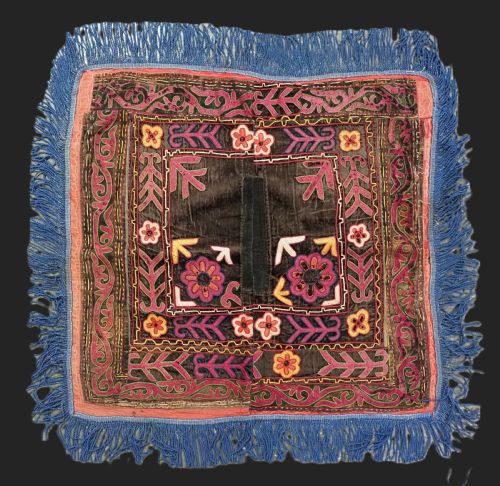
Several textiles served as ceremonial horse and saddle covers, proving that Central Asian horses also appreciated fine interior design.
What Varies in Quality
Quality in these textiles depends upon the precision of the needlework and the complexity of the design layout, such as architectural elements or large medallion variants. Finer examples display meticulous execution across the embroidered surface.
The choice and preservation of ground materials, from fine silk-on-silk compositions to robust wool or cotton foundations, influence the overall character of the piece. The visual impact also relies on the harmony of the colour palette and the integrity of the surviving threads.
The Uzbek Silk Embroidery Glossary
- Suzani
- A large embroidered tribal hanging from Central Asia, traditionally worked in silk on a cotton or linen ground. These textiles were often made as part of a bride's dowry.
- Ilgich
- A smaller dowry embroidery piece used for wall hanging, frequently associated with the Lakai tribe. They display distinctive tribal motifs and compact formats.
- Uut Kap
- A specific type of hanging or bag face produced by tribal groups in Central Asia. These items form part of traditional nomadic furnishings.
- Nim Suzani
- A smaller or half-size suzanis format. They offer a more compact alternative to full-scale wall hangings while retaining traditional embroidery techniques.
- Adras
- A traditional Central Asian fabric woven from a mixture of silk and cotton yarns. It serves as a textured ground for decorative embroidery.
Uzbek Silk Embroidery: Frequently Asked Questions
What is an ilgich?
An ilgich is a dowry embroidery piece traditionally created for wall hanging within Central Asian communities. These textiles often feature distinctive tribal designs.
They represent a specific category of domestic textile art distinct from larger room-scale suzanis.
How were suzanis used?
Suzanis functioned primarily as decorative wall hangings, bed covers, and ceremonial textiles within traditional households. They played an important role in domestic life and wedding ceremonies.
Families utilised them to adorn interiors or as significant components of a bride's dowry.
How do I hang a textile?
Displaying these embroideries safely involves mounting them onto a supportive backing or using a non-invasive sleeve and rod system. This distributes the weight evenly across the fabric.
Avoid direct sunlight and high humidity to protect the delicate silk threads and natural ground materials.
What distinguishes Lakai embroideries?
Lakai tribal embroideries are recognised by their energetic geometric motifs and specific use of materials like silk on wool grounds. They differ from urban workshop suzanis through their distinct folk art aesthetic.
Items such as saddle covers and small panels highlight nomadic design traditions.