


Antique Silk Wall Hanging
An antique silk wall hanging brings tactile warmth and historic narrative to an interior through exquisite needlework and rich textile traditions.
What these textiles are
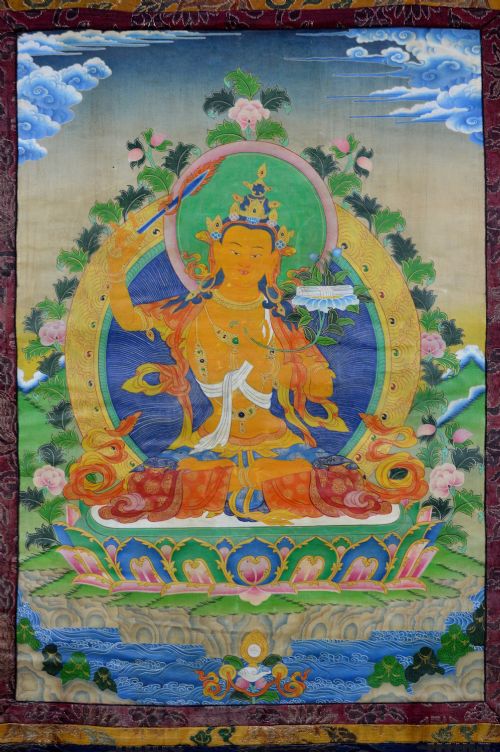
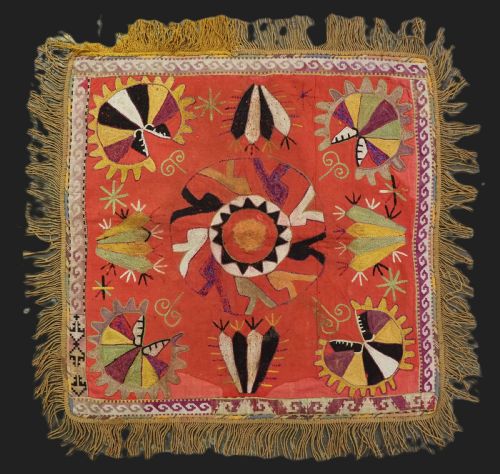
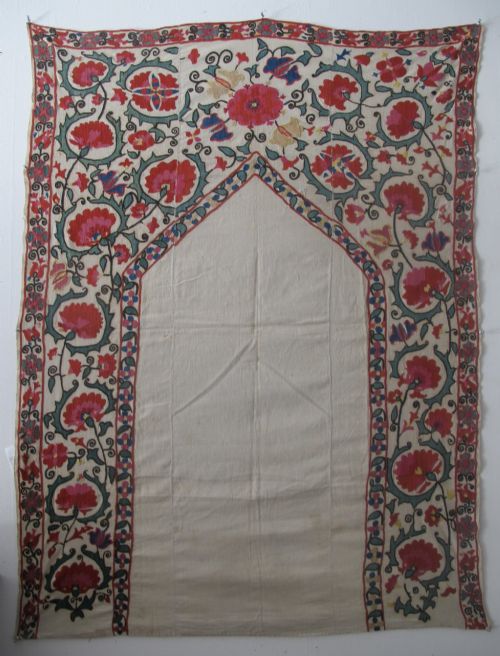
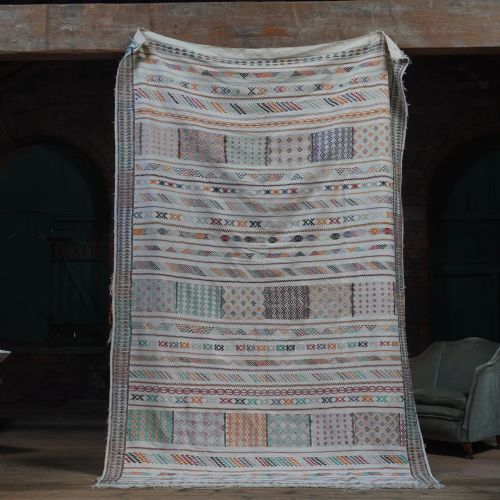
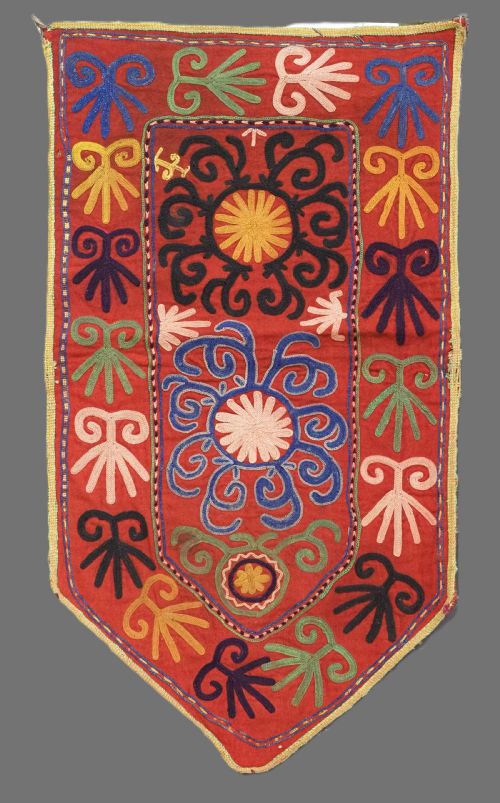
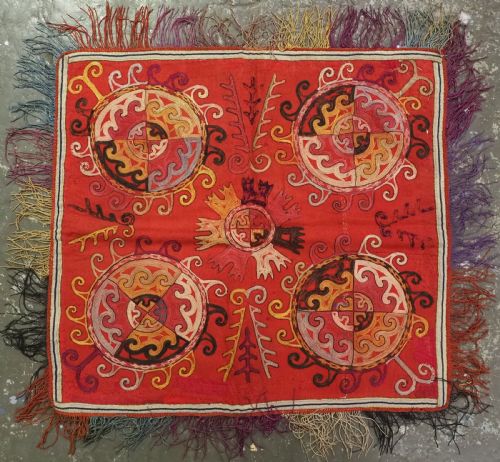
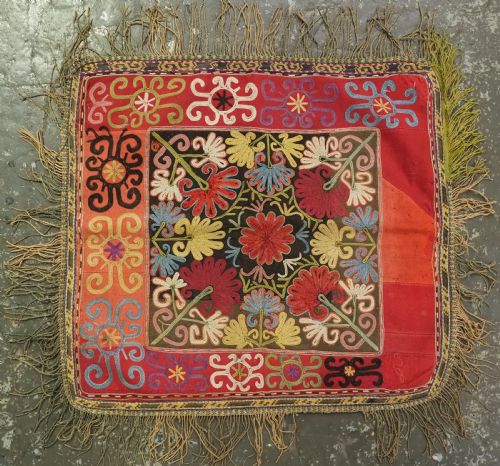
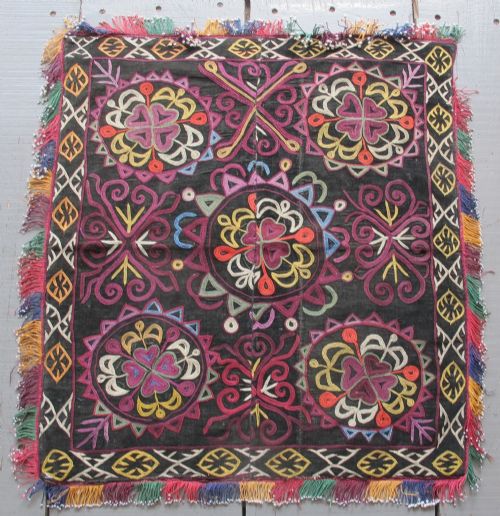
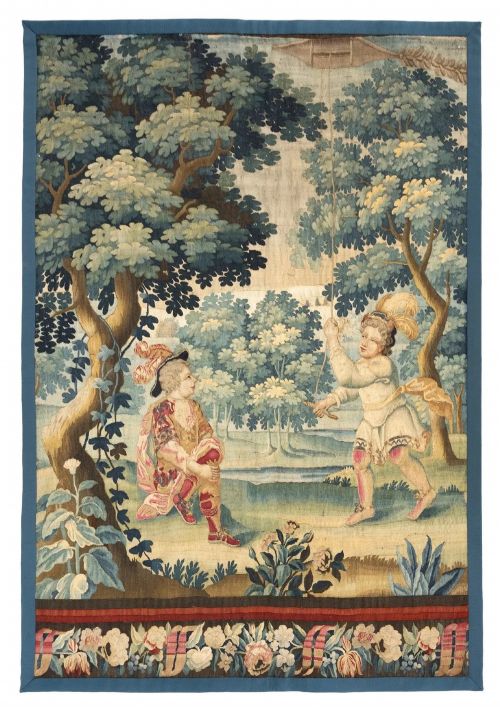
When you search for an antique silk wall hanging, you encounter a diverse selection of hand-stitched panels, embroideries, and repurposed domestic textiles originating from Central Asia, Persia, and Greece. The inventory spans from the eighteenth century through to the early twentieth century, reflecting varied regional aesthetics and textile traditions.
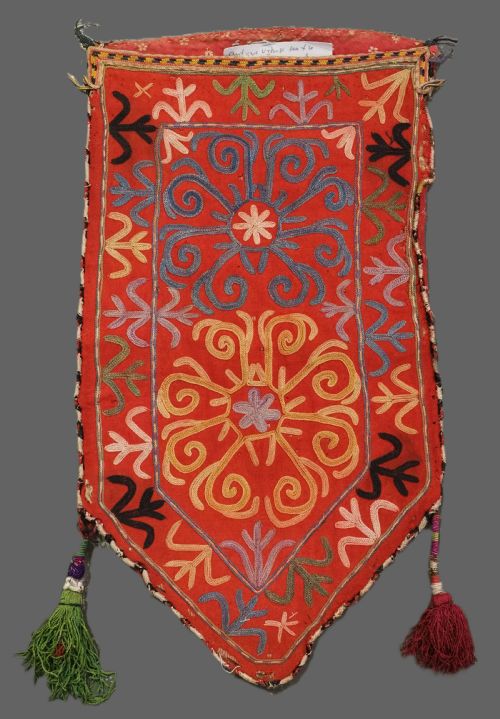
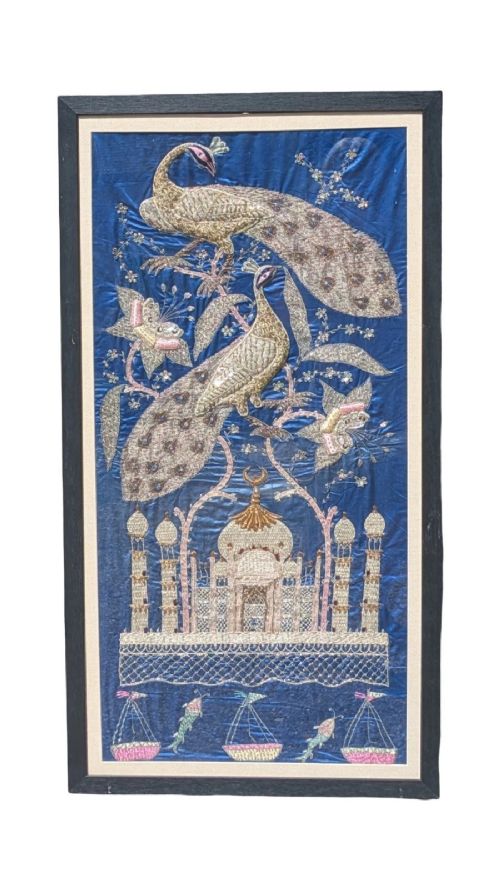
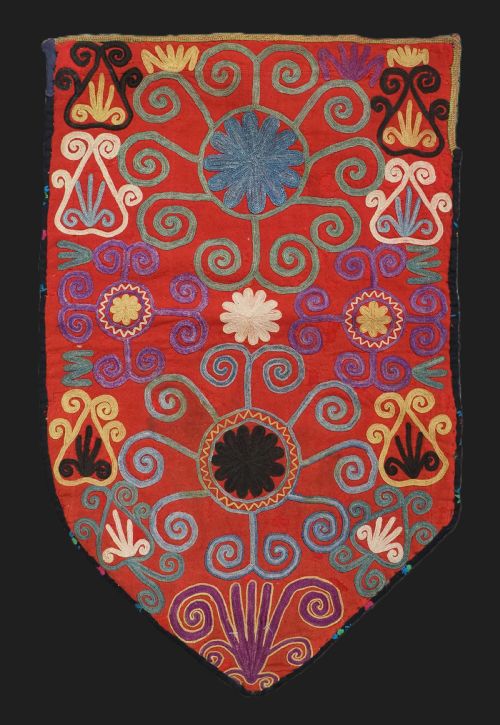
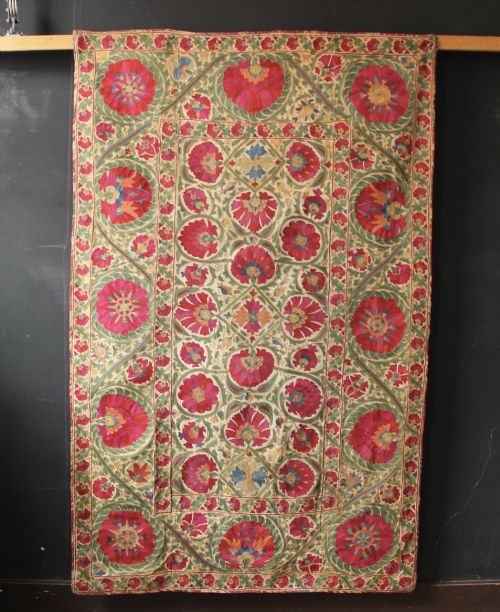
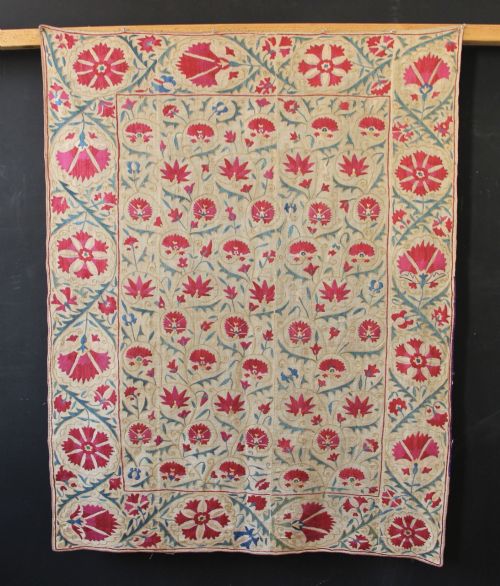
You are most likely to meet pieces such as Central Asian suzanis, Persian Rasht embroideries on wool felt, and Greek island towel end panels. These objects frequently utilise silk embroidery threads on linen, cotton, or felt grounds, often incorporating metallic thread and glass beads for added visual depth.
Many items served alternative domestic or ceremonial functions in their original context, including mirror covers, amulet holders, and hand towels, before being appreciated primarily as wall hangings today. Their survival offers a direct connection to the skilled domestic handicraft of past centuries.
Materials and construction
The construction of these pieces relies fundamentally on natural fibres, predominantly silk thread worked onto grounds of cotton, linen, wool felt, or further silk. Artisans employed dense needlework techniques, such as chain stitch and surface embroidery, to build up complex floral, geometric, and medallion motifs.
Certain examples incorporate supplementary elements like glass beads and metallic thread to catch the light and accentuate specific areas of the design. The base fabrics are frequently hand-woven, displaying the slight irregularities and character typical of historic textile production.
Retail Price Guide 2026
Typical UK retail prices for silk wall hanging, calculated from the Sellingantiques database of over a million retail prices indexed since 2003. This retail price guide relies exclusively on Sellingantiques data; no external sources or auction records are used, so the figures do not describe the wider market.
Factors of quality
Quality in these textiles resides in the precision and density of the needlework, the vibrancy and stability of the natural dye palette, and the overall compositional harmony. Finer examples display meticulous stitch control and sophisticated colour interplay that elevates the textile beyond standard domestic work.
The condition of the silk threads and the integrity of the base fabric also govern the standing of a piece. Well-preserved panels retain their structural strength and visual impact, while handling and time naturally leave lesser examples with discernible wear or ground degradation.
The Antique Silk Wall Hanging Glossary
- Suzani
- A type of embroidered tribal textile from Central Asia, traditionally made by brides as part of their dowry. They typically feature bold floral medallions worked in silk on a cotton or linen ground.
- Rasht embroidery
- A traditional form of Persian needlework originating from the city of Rasht, characterised by inlaid felt work and intricate chain-stitch embroidery. It often uses a dark wool felt backing to create high contrast with vibrant silk threads.
- Ikat
- A dyeing technique where the warp or weft threads are tie-dyed before weaving to create distinctive, slightly feathered pattern edges. This method results in complex, shifting geometric and curvilinear designs.
- Amulet
- A small talismanic textile pouch or cover intended to ward off misfortune or bring protection. In textile collections, these items often display particularly concentrated symbolic needlework.
- Chain stitch
- A looping sewing technique where stitches form a series of looped loops resembling a chain. It is widely used in historic Near Eastern and Asian embroidery for filling areas with solid colour and creating flowing outlines.
Frequently Asked Questions
How were suzanis used originally?
Suzanis were created primarily as decorative wall hangings, bed covers, or ceremonial cloths within Central Asian households. They formed an essential component of a bride's dowry, demonstrating the textile skills of the maker and her family.
Over time, these large embroidered panels transitioned from domestic utilities and ceremonial furnishings into sought-after decorative art objects displayed in modern interiors.
Are antique silk wall hangings fragile?
Historic textiles require thoughtful handling due to the age of the natural fibres and the potential degradation of silk threads over centuries. While robust enough for display, they need protection from direct sunlight and environmental extremes.
Mounting them correctly on a supportive backing helps distribute the weight evenly, preserving the structural integrity of the fabric and needlework for years to come.
How do I date an embroidered panel?
Dating relies on an analysis of the textile materials, the dyestuffs used for the silk and ground fabrics, and the specific regional design motifs. Stylistic conventions often shift between the eighteenth and early twentieth centuries.
Comparative study of stitch types, such as the evolution from traditional tambour work to later variants, also assists in placing a piece within a specific historical window.
Can I hang these textiles in bright rooms?
Bright direct sunlight poses a significant risk to antique natural dyes and silk fibres, causing them to fade and weaken over time. Positioning them away from direct windows preserves the colour saturation.
Utilising UV-filtered glass if framing the textile provides an additional layer of protection against light-induced degradation while still allowing clear enjoyment of the intricate handiwork.