

Antique Textile Wall Hanging
An antique textile wall hanging brings texture, history and narrative to a room, ranging from tribal embroideries to European verdure panels.
Antique Textile Wall Hanging
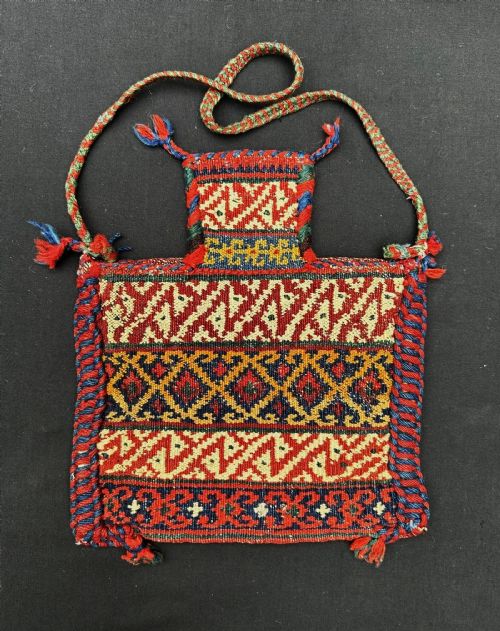
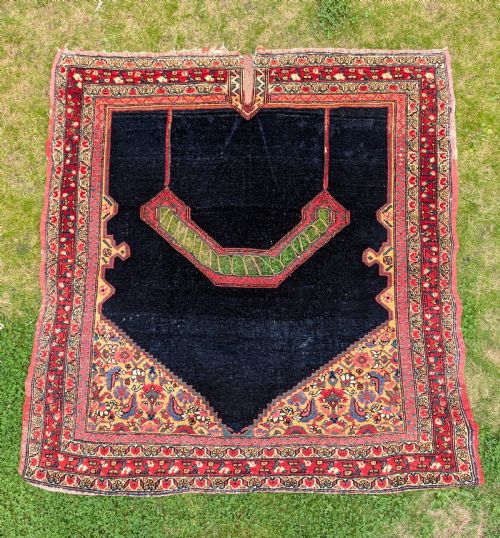
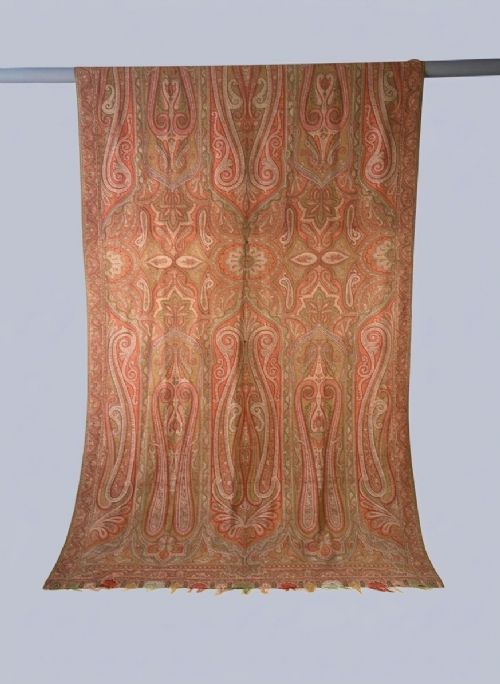
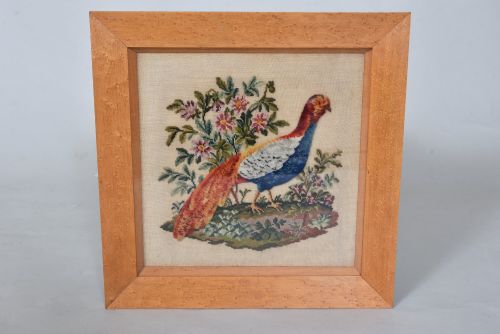
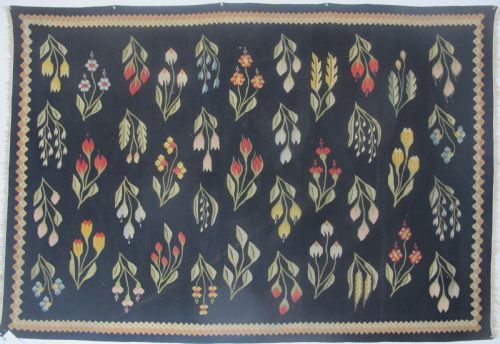
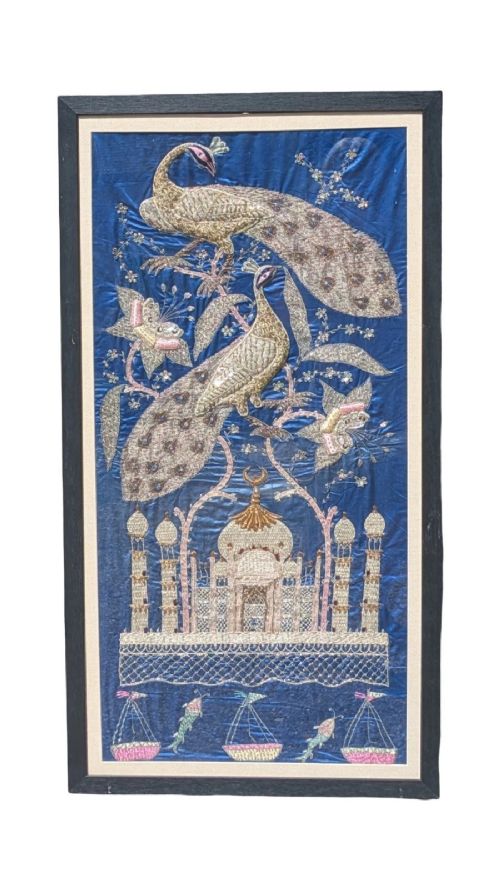
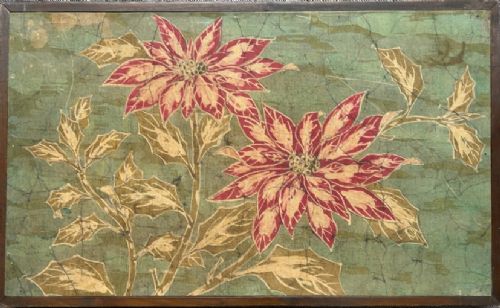
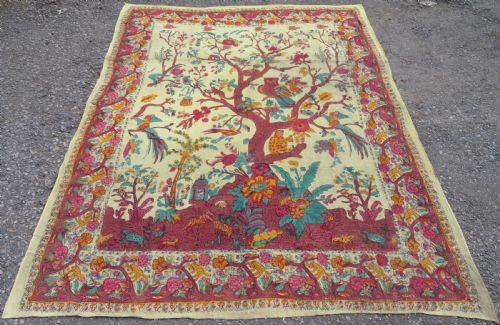
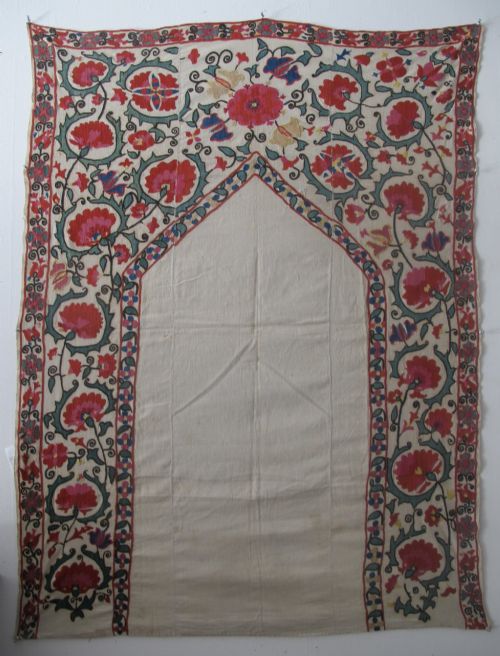
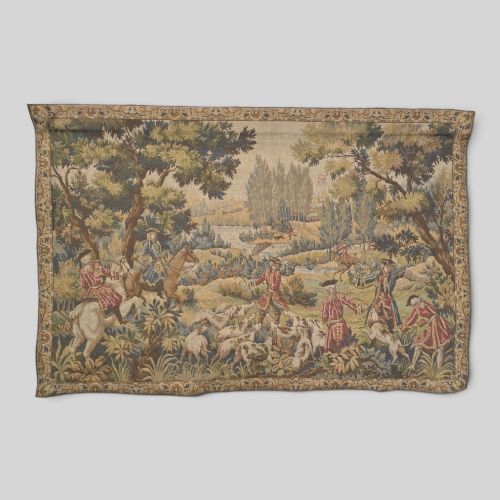
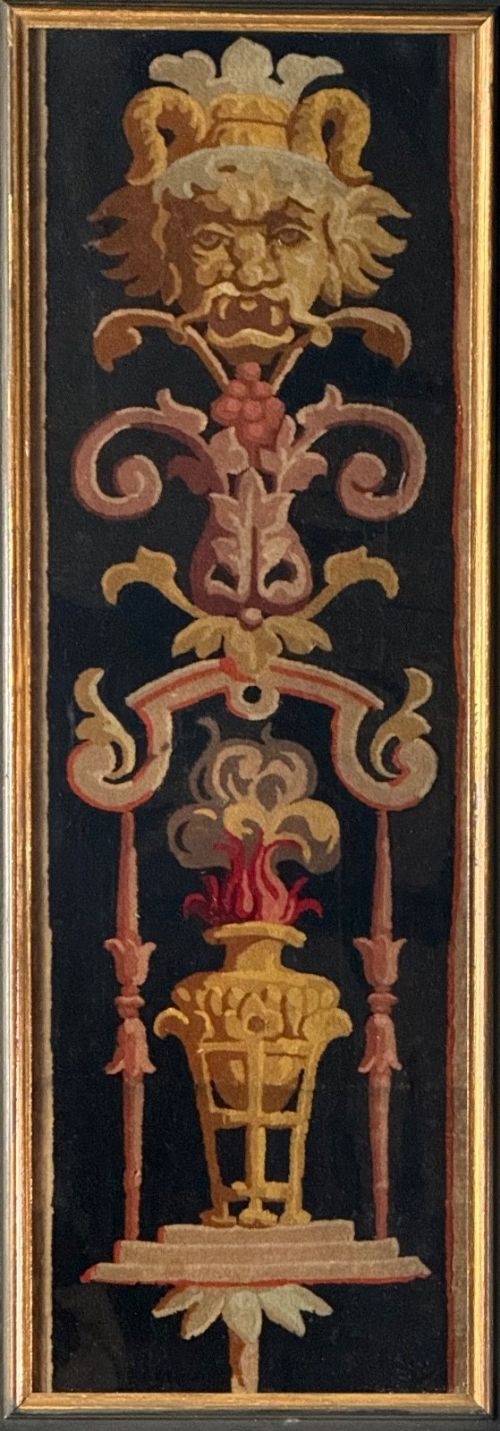
When you search for an antique textile wall hanging, you encounter a diverse group of objects spanning nomadic weavings, tribal embroideries and European tapestries. The pieces represented here include Central Asian suzanis, Persian saddle bags and horse covers, alongside Scottish paisley shawls and French verdure panels.
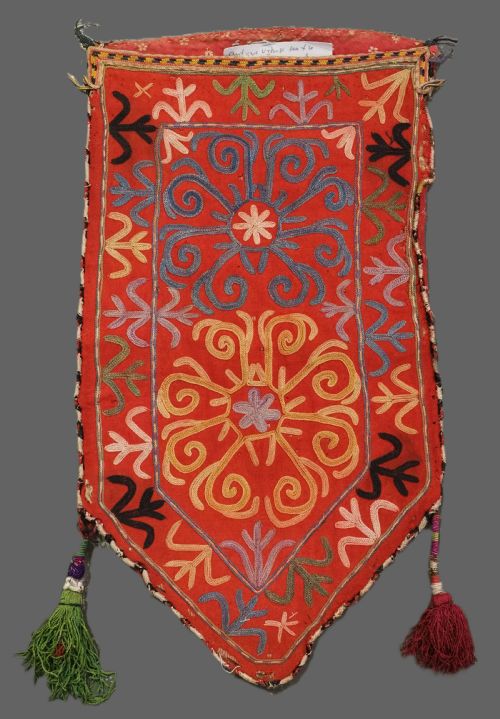
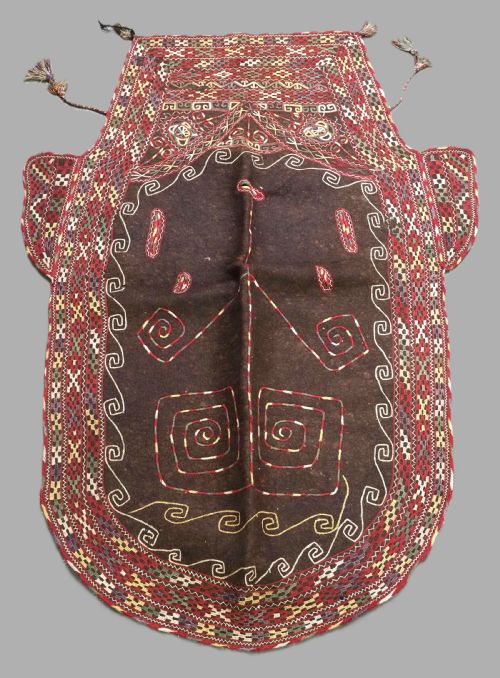
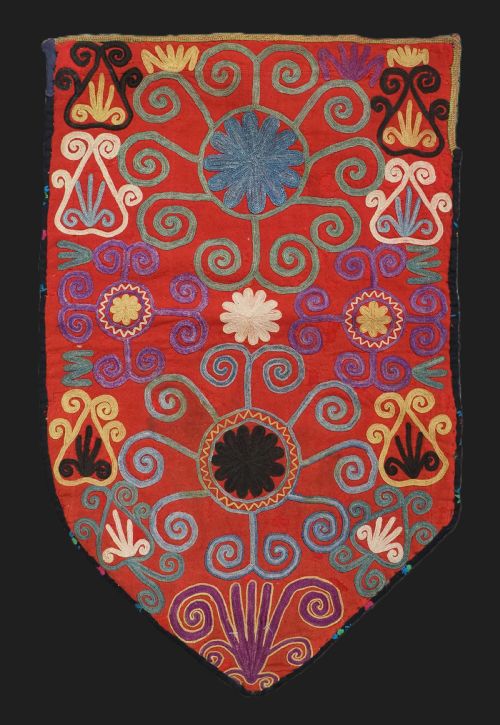
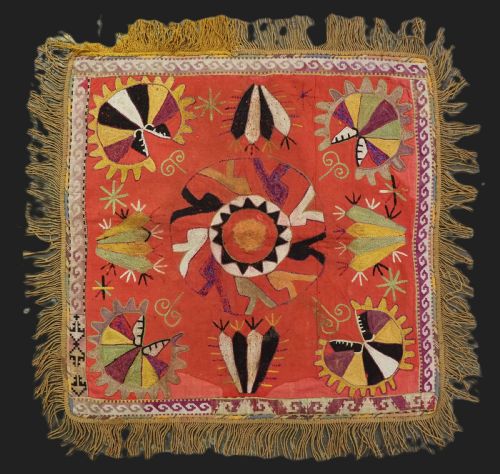
You are most likely to meet Uzbek Lakaiilgich embroideries, Turkmen trapping panels and nineteenth-century tapestries on this page. These textiles originate from diverse traditions, shifting from the nomadic workshops of Persia and Turkmenistan to European domestic interiors.
The category encompasses utilitarian items repurposed for display, such as dowry embroideries, ceremonial horse blankets and storage bags. Each object carries the distinct visual language of its maker, connecting pastoral traditions with interior decoration.
Materials and construction
The physical construction of these pieces relies predominantly on wool, cotton, silk and linen, worked into canvas, felt and woven grounds. Natural dyes impart depth to the colour palettes found across tribal and European examples.
Needlework techniques range from crewelwork embroidery and plushwork to intricate silk patchworks and traditional tapestry weaving. Artisans applied surface stitches directly onto hand-spun foundations, utilising frame looms or portable nomadic apparatus.
Antique Textile Wall Hanging Retail Price Guide 2026
Typical asking prices for textile wall hanging among the pieces listed under this phrase on Sellingantiques today, from the lower quarter to the upper quarter. They describe what is for sale here now, not the wider market.
Several horses across Central Asia once wore finer embroidery than their riders.
Factors of quality
Quality in these textiles resides in the density of the weave, the intricacy of the needlework and the clarity of the design composition. Pieces executed with finer yarns and more complex chromatic variations demonstrate superior skill.
The preservation of the original materials and the integrity of the structural stitching distinguish finer examples from standard specimens. Artisanal precision in traditional motifs reveals the hand of an experienced workshop or maker.
The Antique Textile Wall Hanging Glossary
- Suzani
- An embroidered textile from Central Asia, typically produced in Uzbekistan as part of a bride's dowry. These pieces often feature bold floral and architectural motifs.
- Tapestry
- A form of textile art woven on a vertical loom by hand, depicting pictorial scenes or foliage designs. European examples frequently illustrate classical or pastoral subjects.
- Asmalyk
- A pentagonal trapping produced by Turkmen tribes, historically hung on the flank of a ceremonial wedding camel. They display geometric patterns worked in rich wools.
- Crewelwork
- A type of embroidery utilising wool yarn on a heavy linen or cotton twill foundation. This technique allows for textured, multi-coloured botanical compositions.
- Verdure tapestry
- A European wall hanging featuring a stylized landscape or garden scene dominated by foliage and trees. These panels typically use muted natural tones.
- Ilgich
- A specific type of dowry embroidery created by the Lakai tribe in Central Asia. They are characterised by dynamic geometric shapes and applied felt work.
Antique Textile Wall Hanging: Frequently Asked Questions
How do I care for an antique textile wall hanging?
Preserving these textiles requires careful placement away from direct sunlight to prevent the fading of natural dyes and the degradation of delicate fibres. Gentle support systems, such as conservation-grade Velcro or padded mounting bars, distribute the weight evenly across the piece.
Environmental stability is essential for wool, silk and cotton artefacts. Maintaining moderate humidity levels and conducting periodic inspections protect the textile from physical strain and environmental damage.
How can I tell the regional origin of a tribal textile?
Regional origins are identified through specific structural characteristics, colour palettes and traditional motif repertoires unique to particular tribes and provinces. For instance, pieces from the Turkmen tribes display distinct gul motifs and deep red wool grounds.
Uzbek suzanis utilise characteristic floral roundels and architectural layouts, while Persian tribal weavings incorporate specific geometric symbol systems. Examining the ground fabric and dye types further clarifies the geographical source.
What is the difference between a tapestry and an embroidery?
A tapestry is woven on a loom where the design is built directly into the fabric structure during the actual creation of the textile. The pattern forms part of the weave itself through the interlocking of warp and weft threads.
An embroidery involves stitching designs onto a pre-existing woven foundation fabric using a needle and thread. This distinction separates woven pictorial panels from surface-worked textile creations.