




Flemish Woven Textile
A flemish woven textile brings centuries of historic texture and narrative design directly into an interior.
Flemish Woven Textile
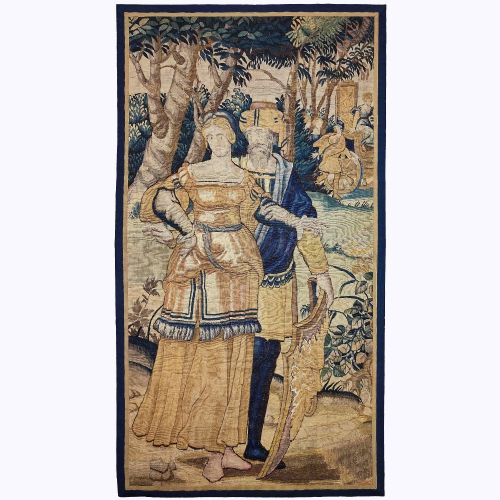
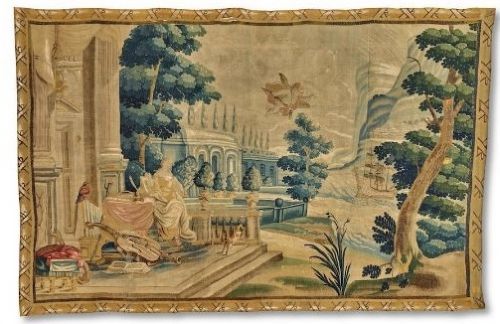
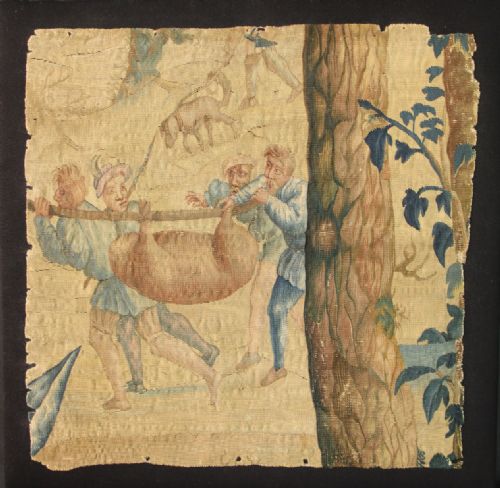
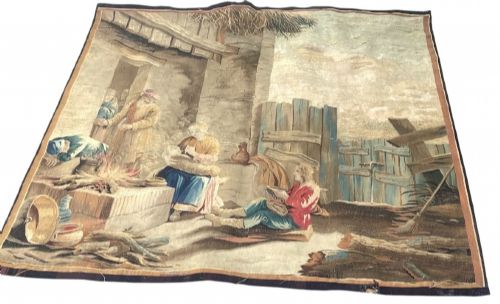
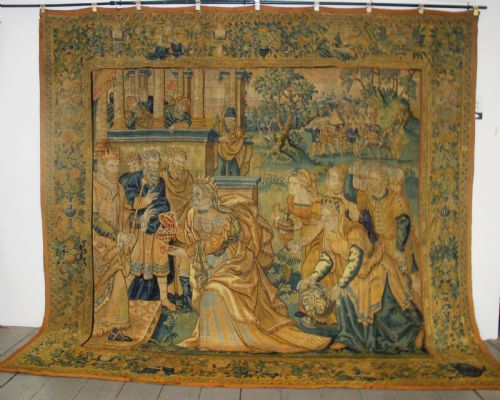
When you search for a flemish woven textile, you encounter large wall tapestries, verdure panels, and smaller fragments from the sixteenth, seventeenth, and eighteenth centuries. These works include mythological scenes, game parks, and landscapes depicting foliage.
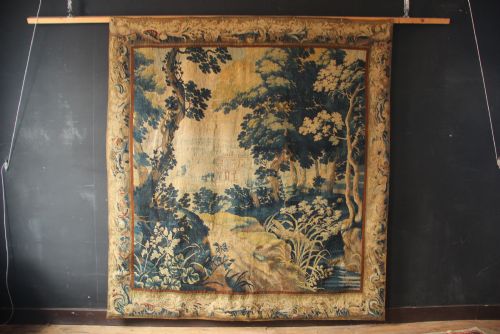
The version you are most likely to meet on this page is the verdure tapestry, often featuring lush garden or woodland scenery. Pieces range from grand scale wall hangings to narrow borders and folding screens mounted on wood frames.
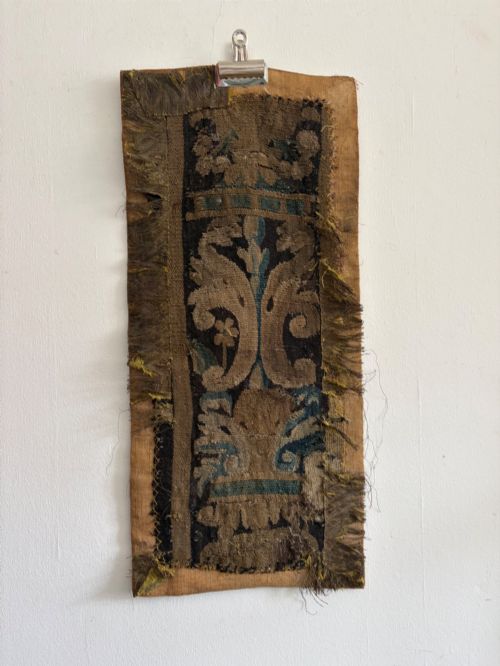
Origins span notable weaving centres, with specific examples attributed to locations such as Audenaarde and Brussels. Surviving formats also encompass functional items like cushion covers and mounted fragments.
How they were made
These textiles were constructed primarily using wool, silk, and linen yarns woven on manual looms. Silk threads often provided finer detail and highlights, while wool formed the robust structural body of the weave.
Structural support frequently involved linen backings or mounted supports, particularly for surviving fragments and borders. Wood and brass hardware appear in assembled items such as folding screens.
Several pieces depict game parks, offering a quiet historic glimpse into walled hunting estates populated by embroidered fauna.
What varies in quality
The standard of a flemish woven textile depends heavily on the complexity of the narrative or verdure design and the density of the weave. Finer pieces incorporate delicate silk passages that create depth and varied texture within the foliage or figures.
Condition and completeness also define the hierarchy, distinguishing intact grand scale wall hangings from smaller border fragments or cushion covers. The survival of original pigments and the integrity of the textile fibres dictate the visual impact of each piece.
The Flemish Woven Textile Glossary
- Verdure tapestry
- A wall hanging depicting a stylized landscape dominated by plants, trees, foliage, and often birds or animals. These scenes formed a major part of seventeenth and eighteenth-century Flemish production.
- Tapestry fragment
- A surviving portion of a larger textile work, frequently mounted to linen for display. Borders and smaller panels are commonly found in this format.
- Audenaarde
- A historic Flemish centre renowned for producing intricate verdure and landscape tapestries. Pieces from this region often display characteristic woodland motifs.
- Brussels tapestry
- Work originating from the prominent weaving hub of Brussels, known for sophisticated figural and mythological compositions after artists such as Teniers.
Flemish Woven Textile: Frequently Asked Questions
How do I hang a large tapestry?
Large wall hangings require even distribution of weight to prevent strain on the historical fibres. A sleeve is typically stitched to the reverse so a discreet wooden batten or metal rod can support the piece uniformly across the wall.
Avoid direct exposure to strong sunlight, which can fade wool and silk yarns over time. Positioning the textile away from heat sources helps preserve the natural integrity of the materials.
What is a verdure tapestry?
A verdure tapestry focuses on landscape and botanical themes rather than human figures or historical narratives. These designs showcase dense foliage, trees, and occasionally wildlife or distant chateaux.
Such pieces were designed to bring the feeling of the outdoors into formal domestic interiors during the sixteenth and seventeenth centuries.
Can I use fragments in interior design?
Fragments and borders offer a practical way to incorporate historic textiles into smaller wall spaces. Many are professionally mounted on linen or framed to protect the edges and facilitate hanging.
Smaller formats also appear as functional items like cushion covers, allowing you to integrate period texture into seating arrangements.
How are sixteenth and eighteenth-century pieces told apart?
Sixteenth-century examples often lean towards Renaissance compositions with dense figural arrangements and architectural borders. The drawing style reflects earlier draughtsmanship and specific regional weaving traditions of the period.
Eighteenth-century works frequently embrace lighter Baroque or pastoral aesthetics, particularly in verdure scenes and compositions influenced by artists like Teniers.