




Antique Flemish Textile
When you handle an antique flemish textile, you touch centuries of woven art designed to bring mythological scenes and lush verdure landscapes into grand interiors.
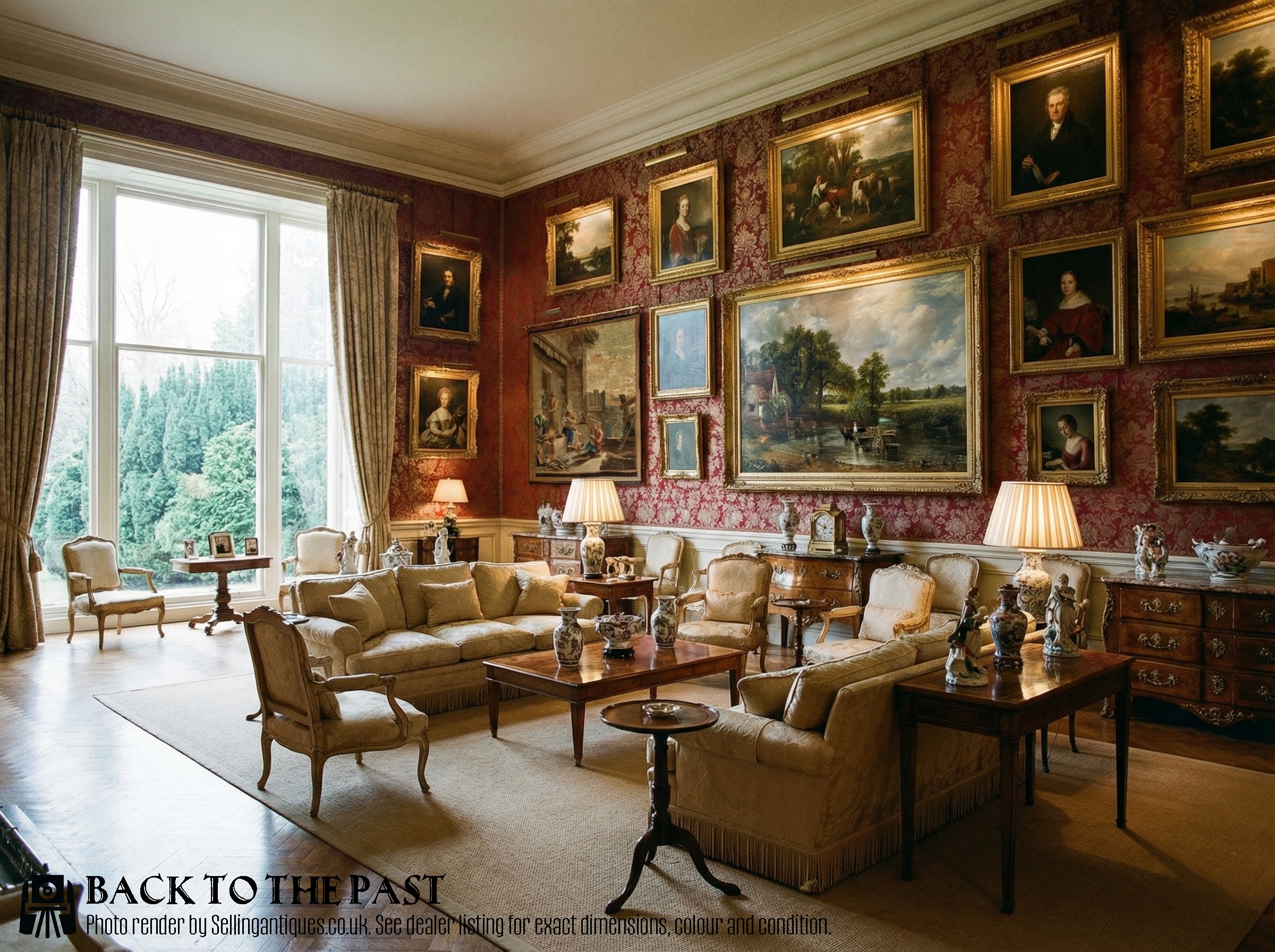
Antique Flemish Textile
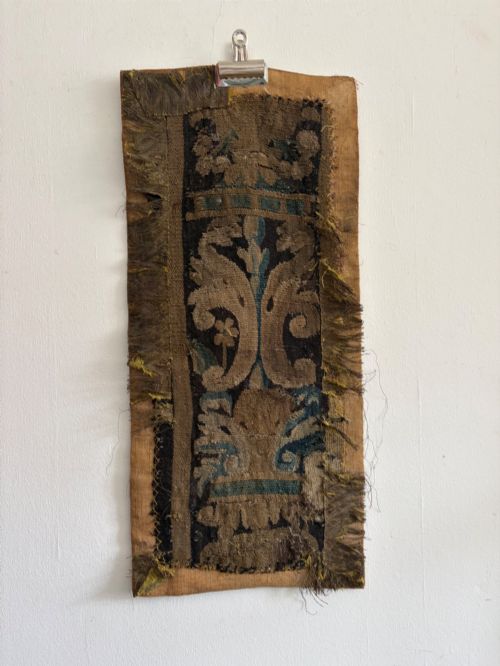
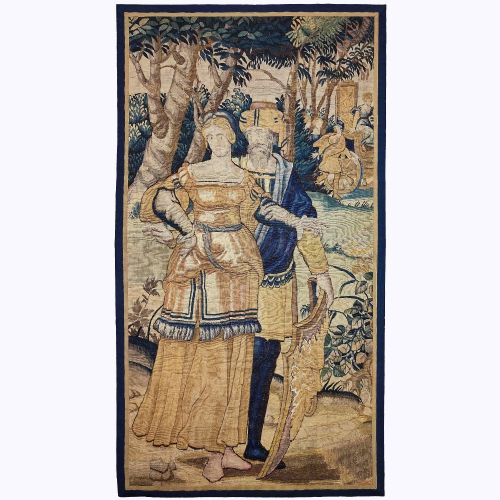
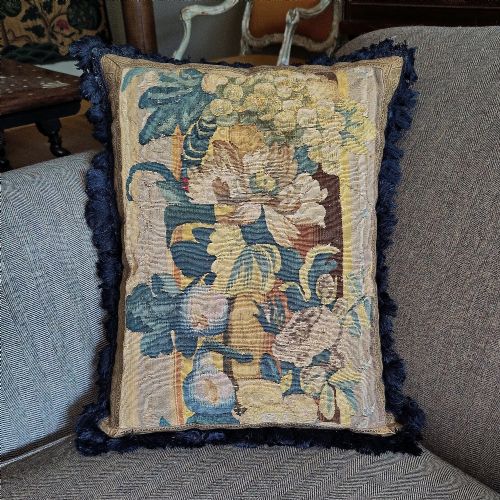
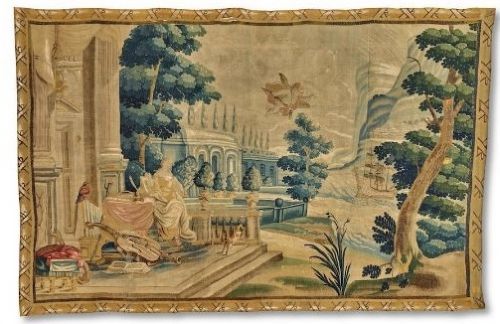
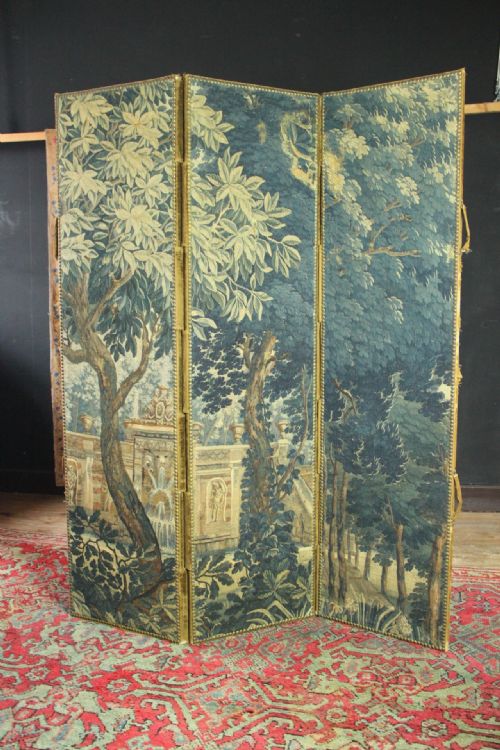
An antique flemish textile encompasses large wall tapestries, grand folding screens, cushions, and smaller fragments created across the sixteenth, seventeenth, eighteenth, and nineteenth centuries. Buyers encounter monumental works depicting mythological narratives alongside domestic panels and borders.
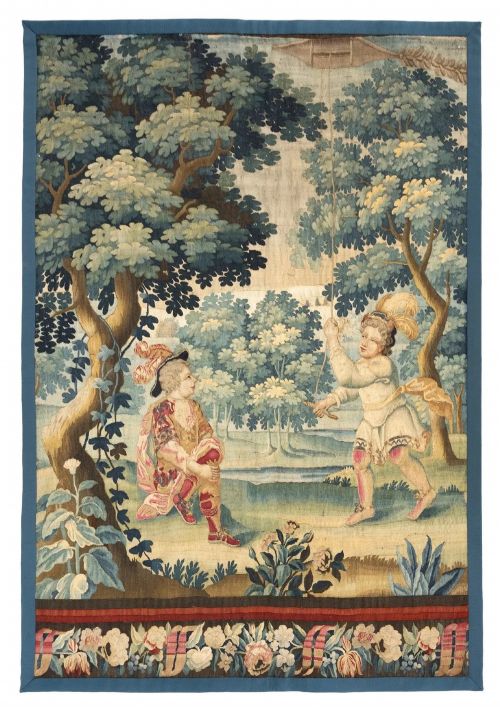
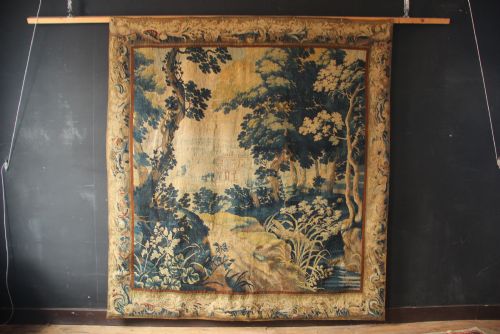
The verdure landscape is the version most frequently met on this page, featuring dense foliage, trees, and game parks woven in muted tones of wool and silk. These large hangings and smaller border fragments reflect the regional output of centres such as Audenarde and Brussels.
How they were made
Weavers constructed these textiles primarily using wool, silk, and linen on vertical or horizontal looms, often incorporating gold leaf details to highlight significant figures within the design. Surviving panels frequently combine wool warp threads with finer silk wefts to achieve subtle tonal gradations in foliage and garments.
Larger wall hangings and screens often integrate wood frames or linen backing supports to stabilise the fabric over time. Structural borders and fragments reveal the careful hand-sewing and mounting techniques applied to preserve surviving sections of historical tapestries.
Materials recorded across current listings include wool, silk, linen, wood, cotton, brass, and gold leaf.
What varies in quality
The distinction between standard and exceptional examples rests upon the intricacy of the narrative detail and the density of the weave. Finer pieces demonstrate skilful manipulation of wool and silk to render convincing depth in mythological figures and verdure landscapes.
Proportion and scale dictate visual impact, ranging from grand architectural panels to smaller cushion covers and border fragments. The integrity of the surviving textile fibres and the clarity of the original composition determine the enduring presence of each piece.
The Antique Flemish Textile Glossary
- Verdure tapestry
- A wall hanging dominated by landscape motifs such as trees, foliage, plants, and birds. These scenes often incorporate small animals or distant architecture.
- Tapestry fragment
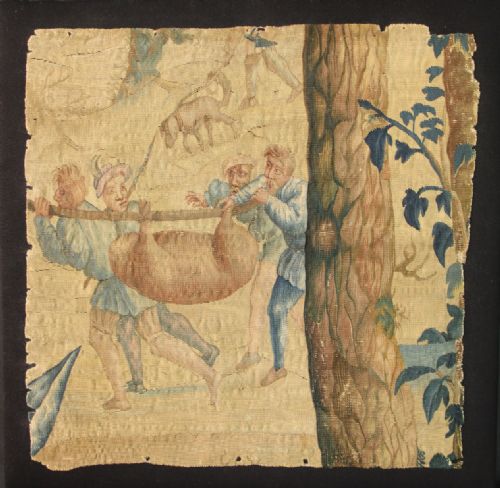
- A surviving section of a larger wall hanging, frequently consisting of a border or a discrete pictorial element. Fragments are often mounted to linen for display.
- Weft
- The horizontal threads passed through the warp to create the patterned surface of the textile. Master weavers used dyed wool and silk weft threads to build complex imagery.
- Warp
- The vertical baseline threads held under tension on a loom before weaving begins. These strong linen or wool threads form the structural foundation of the textile art.
Antique Flemish Textile: Frequently Asked Questions
Where were these textiles made?
Production centred in historical weaving hubs across Flanders, including Brussels and Audenarde, during the sixteenth and seventeenth centuries.
Master workshops in these regions supplied courts and wealthy merchants throughout Europe with monumental wall hangings.
How were tapestries displayed?
Large wall tapestries hung directly on stone or plaster walls in grand rooms to provide insulation and decoration.
Smaller panels and fragments were adapted into folding screens or cushion covers for everyday domestic use.
What is a verdure landscape?
A verdure depicts a dense natural environment filled with leafy trees, plants, and sometimes game animals or distant chateaux.
These pastoral scenes became particularly popular in Flemish weaving during the seventeenth and eighteenth centuries.
How do I care for a textile?
Protect antique woven pieces from direct sunlight to prevent the fading of natural wool and silk dyes.
Mount large wall hangings securely to distribute weight evenly across the backing linen and structure.