






Beige Wool Wall Hanging
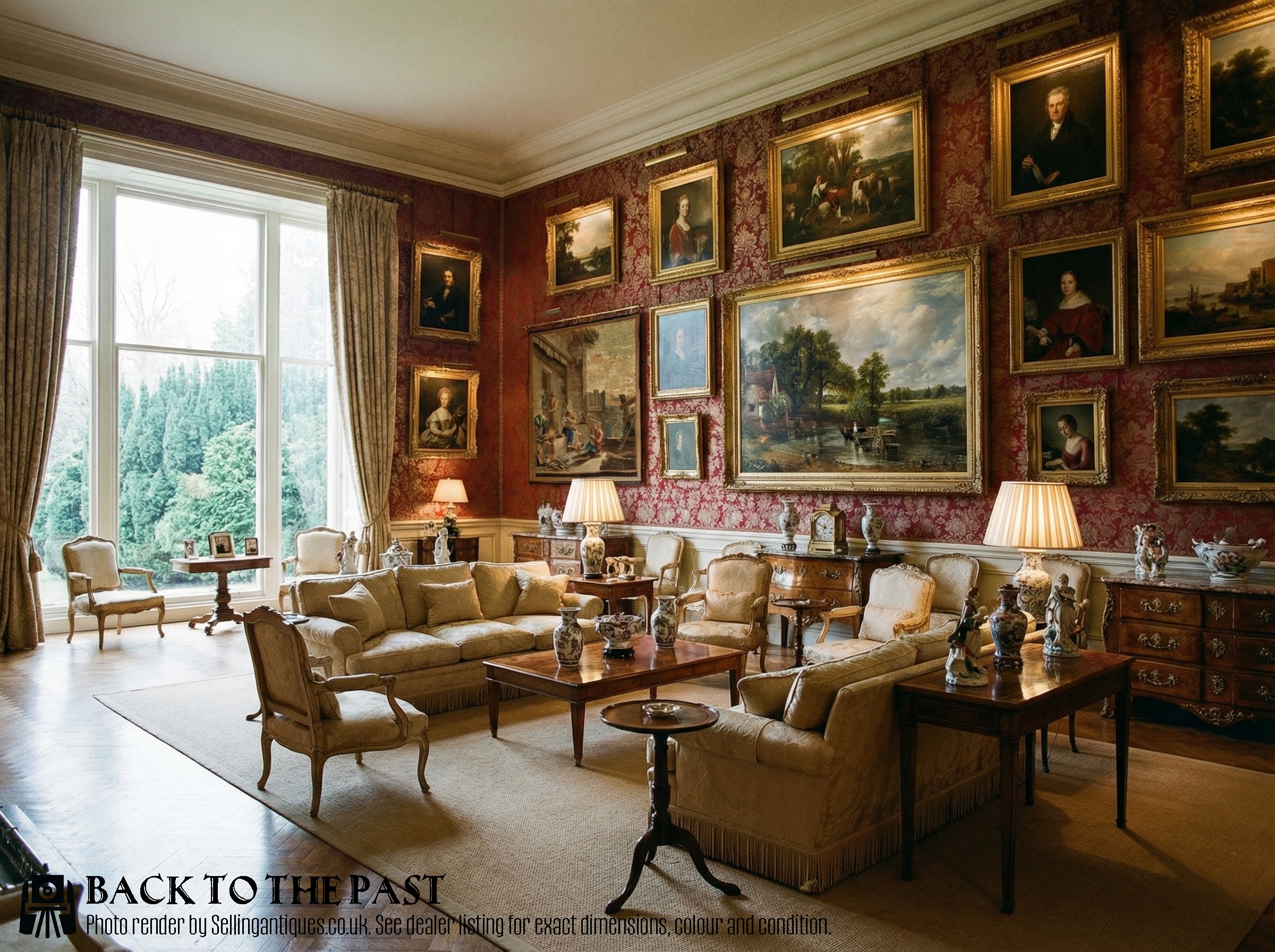
A beige wool wall hanging brings textural depth and centuries of narrative to a room through woven pastoral or mythological scenes.
Beige Wool Wall Hanging
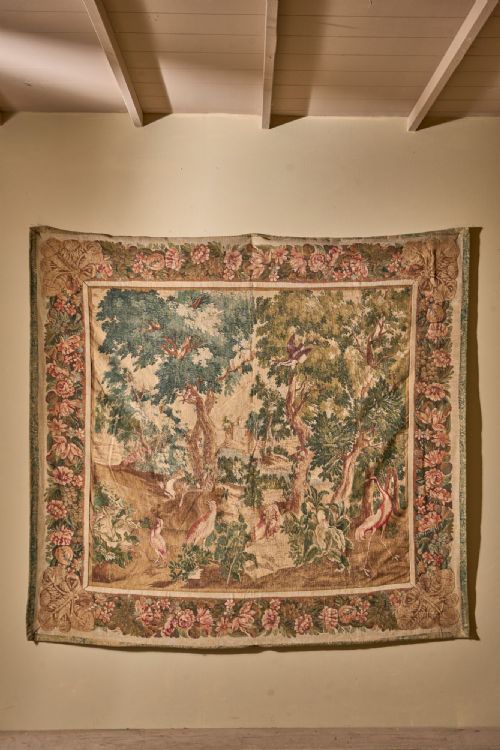
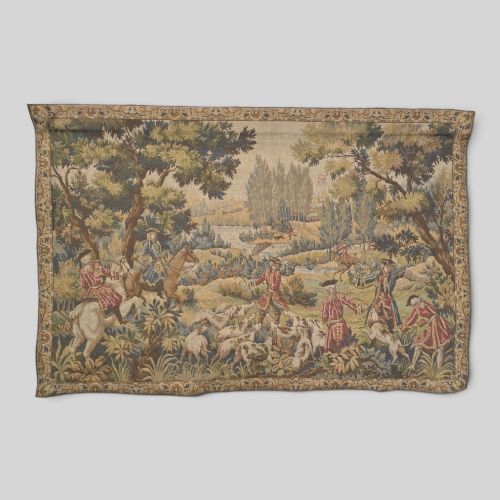
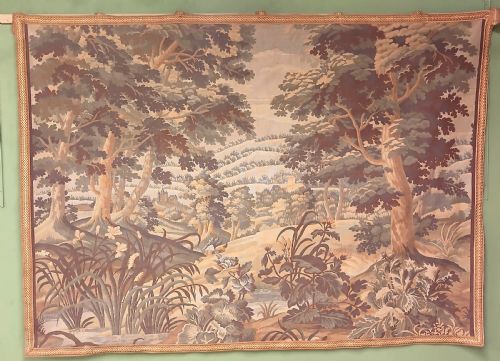
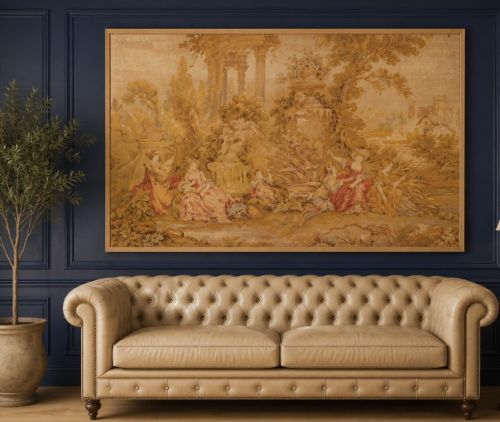
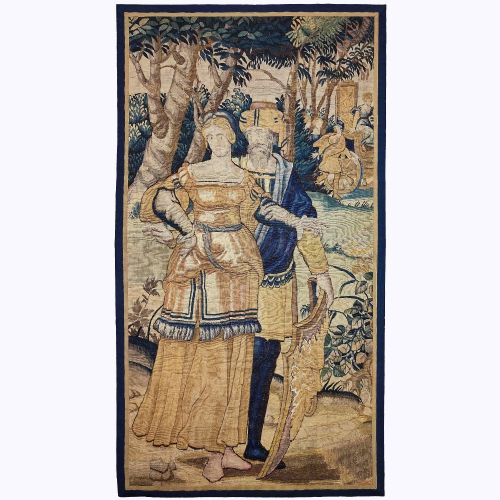
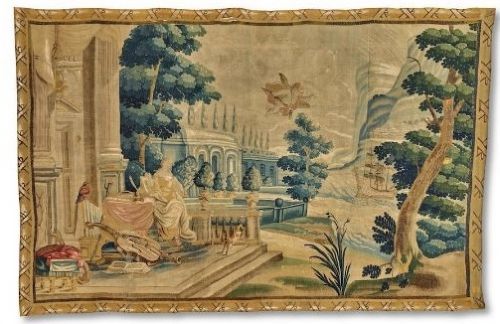
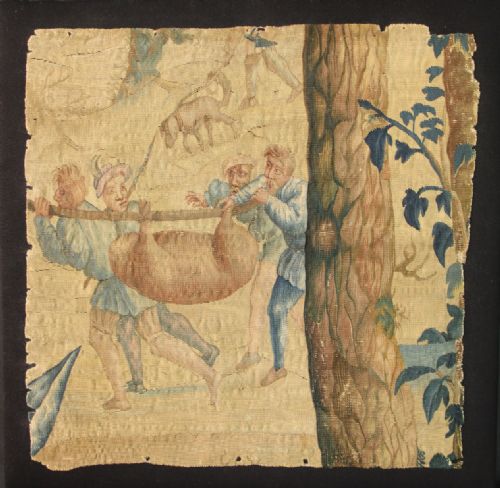
A beige wool wall hanging encompasses large woven tapestries, framed tapestry panels, and needlework textiles sourced primarily from French and Flemish workshops. These textile works range from grand seventeenth-century mythological depictions to nineteenth-century Aubusson compositions and later pictorial rugs.
The most common examples encountered on this page are French and Flemish tapestry panels executed in wool, often accompanied by cotton, silk, and timber frame or wood board mounts. Buyers select these textiles to introduce historical depth and muted earthen tones to interior spaces.
Materials and construction methods
These pieces rely fundamentally on wool as the primary textile medium, frequently supplemented by silk and cotton threads to articulate finer details within pastoral and mythological designs. Master weavers constructed these textiles on looms, employing complex warp and weft techniques that allowed for intricate pictorial narratives.
Many historical panels incorporate structural support such as timber frames, wood boards, or brass hanging mechanisms to distribute the weight of the heavy textile evenly. Needlepoint panels also appear, demonstrating hand-stitched execution across canvas and textile backing.
Listings span centuries from the 16th century through the 1930s, featuring wool, cotton, silk, timber frames, brass, and canvas.
Determinants of quality
Quality in these textiles rests upon the density of the weave, the intricacy of the pictorial composition, and the condition of the wool fibres. Finer examples display subtle tonal gradations and well-preserved structural integrity within the textile body.
The sophistication of the design, such as the detailed rendering found in seventeenth-century Flemish panels or nineteenth-century Aubusson works, distinguishes superior examples. Additionally, the presence of original framing or mounting elements contributes to the overall integrity of the piece.
The Beige Wool Wall Hanging Glossary
- Aubusson
- A style of tapestry originating from the town of Aubusson in France, known for pastoral scenes and floral motifs woven in wool and silk.
- Tapestry panel
- A section of a larger woven wall hanging or a textile specifically created in a vertical format for display on a wall.
- Needlework
- A form of textile art created by stitching yarn or thread onto a canvas or fabric backing by hand.
- Entre-fenêtre
- A tall, narrow tapestry designed specifically to hang on the wall space between two windows.
- Warp
- The vertical threads held in tension on a loom upon which the horizontal weft threads are woven to form the textile.
Beige Wool Wall Hanging: Frequently Asked Questions
How do I hang a heavy textile safely?
Heavy wool wall hangings require even weight distribution across a sturdy timber frame or specialised brass hanging brackets fixed directly into wall studs. Avoid suspending heavy panels from a single point to prevent distortion of the weave.
Consult a professional restorer if the piece lacks structural backing, as older textiles often require a canvas lining or wood board support before mounting.
Where were most of these tapestries made?
The majority of the wall hangings originate from established European centres of textile production, notably France and Flanders. Workshops in cities such as Aubusson and Brussels produced many of the surviving pastoral and mythological panels.
Regional styles often reflect the artistic conventions of seventeenth-century Flemish Baroque or nineteenth-century French decorative traditions.
How do I clean an antique wool wall hanging?
Gentle surface dust removal using a soft brush or low-suction vacuum with a mesh screen is the safest maintenance method for antique wool. Avoid vigorous shaking, washing, or applying chemical cleaners directly to the textile fibres.
Professional textile conservators should handle deep cleaning or structural repairs to prevent permanent damage to the wool and silk threads.
What distinguishes an entre-fenêtre tapestry?
An entre-fenêtre is characterised by its distinct proportions, being tall and narrow to fit the specific architectural wall space between domestic windows. These pieces often feature vertical floral arrangements or centered figures suited to narrow formats.
They were utilised in period interiors to maintain decorative continuity across broken wall spaces.