




Flemish Woven Wall Hanging
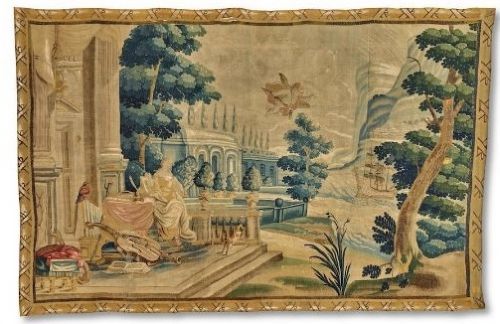
A flemish woven wall hanging brings deep forest greens and historical drama into a room.
Flemish Woven Wall Hanging
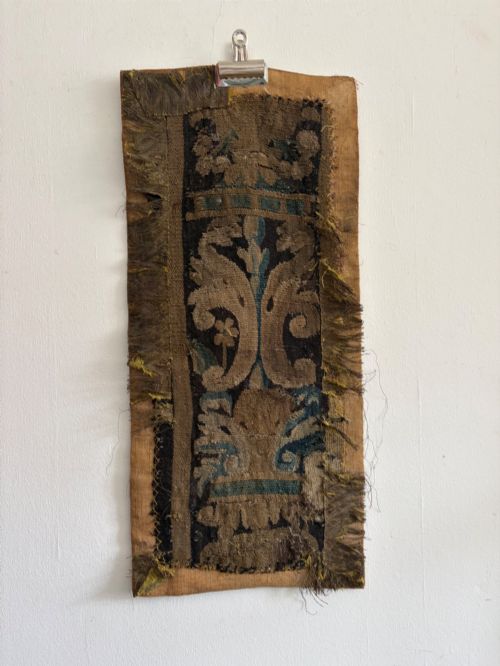
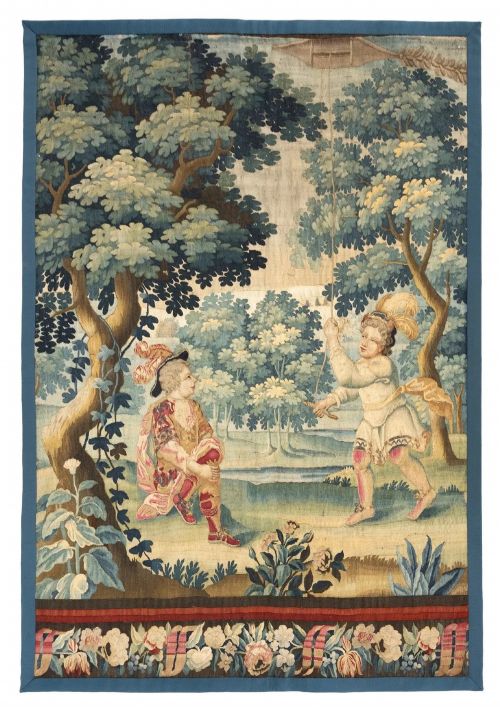
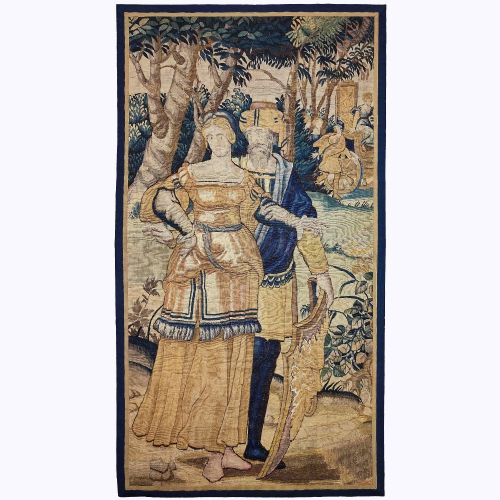
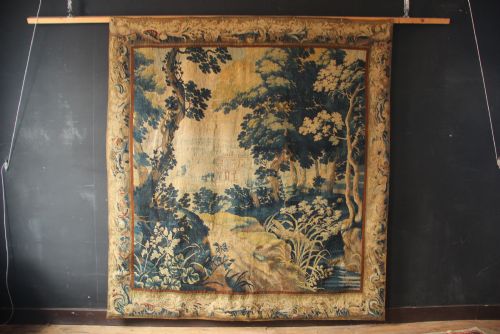
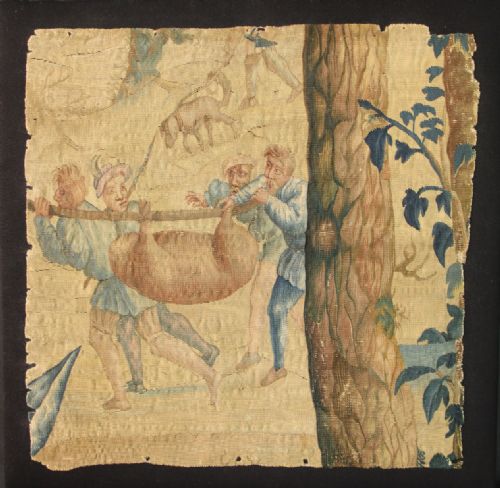
A flemish woven wall hanging is a textile artwork produced in historic weaving centres, spanning periods from the sixteenth century through the eighteenth century. When you search for a flemish woven wall hanging, you encounter large grand scale panels, verdure landscapes, mythological scenes, and smaller fragments mounted to linen or fashioned into cushion covers.
The most common examples on this page are verdure tapestries featuring lush foliage and game parks, alongside architectural borders and panels attributed to regions such as Audenarde and Brussels. These pieces range from monumental wall tapestries exceeding three metres to narrower border fragments and paired compositions.
Makers and regional workshops produced these works in styles including Flemish Baroque and Flemish Renaissance, often utilising compositions after Teniers. The scale varies from intimate fragments measuring under a metre to expansive historic wall hangings designed for substantial stone interiors.
How they were made
A flemish woven wall hanging relies on a foundation of wool, silk, and linen yarns manipulated on high warp or low warp looms. Weavers built the imagery thread by thread, incorporating fine silk highlights to catch the light against heavier wool grounds.
Support structures such as linen backings and occasional wooden mounting elements help preserve fragile textile art. Surviving fragments frequently show evidence of historic remounting or adaptation into cushion covers to maintain structural integrity.
Several pieces feature hidden game parks where tiny stitched birds and animals peer out from behind seventeenth-century foliage.
What varies in quality
The distinction between standard and exceptional examples rests in the complexity of the narrative and the richness of the palette. Verdure scenes with intricate botanical detail and varied leafage demonstrate superior mastery compared to repetitive background foliage.
Scale and narrative ambition define the upper tier, particularly in grand scale mythological compositions and works associated with specific weaving towns like Audenarde or Brussels. The survival of original borders and the condition of silk highlights further elevate a piece.
The Flemish Woven Wall Hanging Glossary
- Verdure
- A type of tapestry featuring lush plant life, trees, and foliage, often populated by birds or game animals. These landscapes formed a staple of Flemish weaving production.
- Tapestry fragment
- A surviving portion of a larger wall hanging, frequently trimmed, mounted to linen, or repurposed as a cushion cover. Fragments allow collectors to acquire historic textiles on a smaller scale.
- Warp
- The vertical or longitudinal threads stretched on a loom that hold the tension of the weave. In these historic textiles, the warp interacts with the coloured weft yarns to form the picture.
- Weft
- The horizontal threads passed through the warp to create the visible design and colour palette of the textile. Silk and wool weft yarns provided depth and texture.
- Audenarde
- A historic Flemish weaving centre known for producing detailed verdure and landscape tapestries during the seventeenth and eighteenth centuries.
Flemish Woven Wall Hanging: Frequently Asked Questions
How do I hang a heavy tapestry safely?
Large textile pieces require even weight distribution across a mounting bar or wooden batten rather than localized hanging points. Stitching a supportive linen sleeve to the reverse prevents the historic fabric from taking direct strain.
Keep woven wall hangings away from direct sunlight and moisture sources to protect the natural wool and silk fibres from degradation.
What is a verdure tapestry?
A verdure tapestry depicts a stylised forest, garden, or woodland landscape filled with dense foliage, trees, and occasionally animals. These scenes focused on botanical abundance rather than human figures.
They were popular across the seventeenth and eighteenth centuries for bringing natural scenery into dark paneled rooms.
How can I tell a 17th century piece from an 18th century one?
Seventeenth century Flemish works often display heavier baroque styling, deeper shadow contrasts, and denser mythological or architectural narratives. Eighteenth century examples tend toward lighter verdure palettes and more open landscape compositions.
Stylistic shifts reflect changing interior tastes away from theatrical drama toward pastoral garden views.
Can I use a tapestry fragment as a cushion?
Historic fragments are frequently adapted into cushion covers or smaller framed textile art panels. This practice preserves decorative sections of damaged or trimmed wall hangings that could no longer be displayed whole.
Such pieces should receive gentle handling and light use to protect the aged silk and wool threads.