




Framed Silk Needlework
Framed silk needlework brings tactile depth to a wall, offering delicate stitched narratives and floral panels preserved beneath glass.
What framed silk needlework is
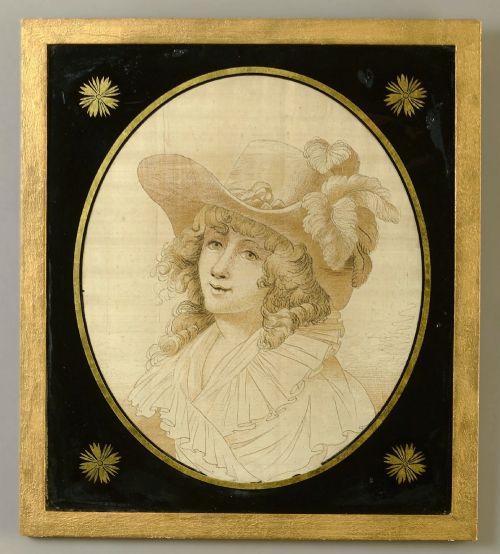
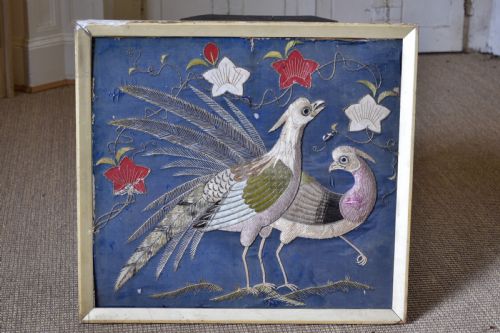
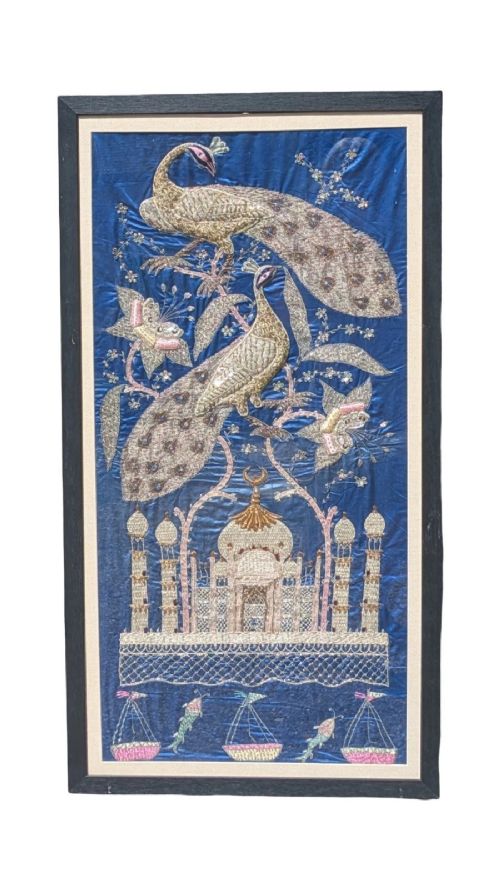
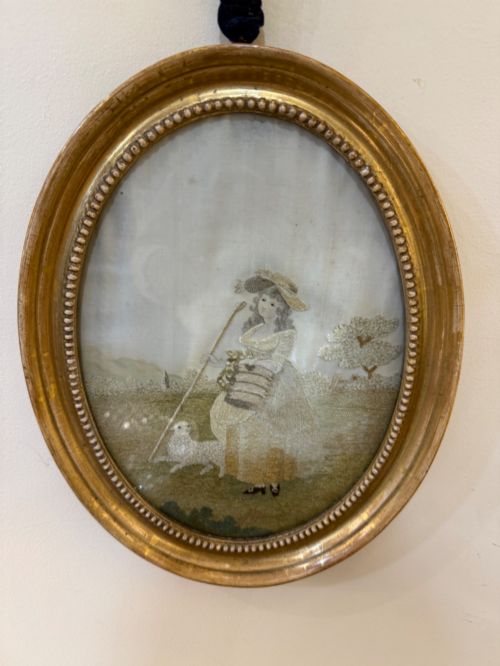
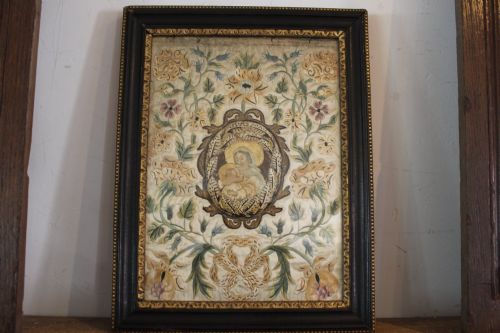
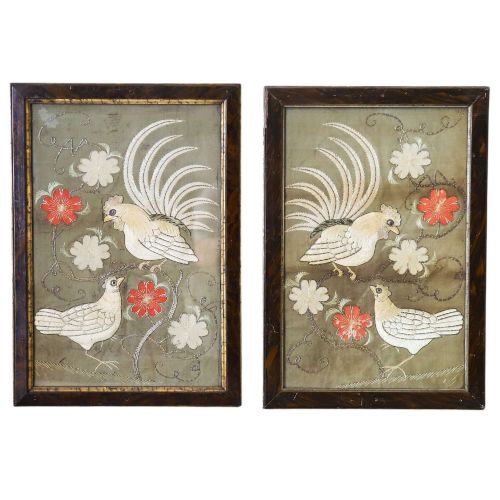
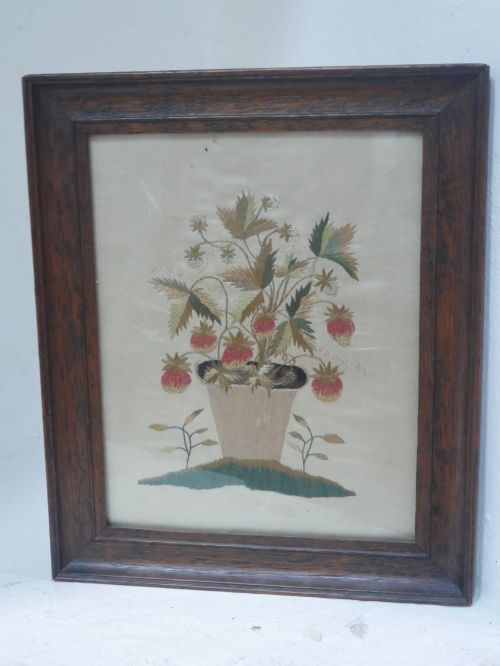
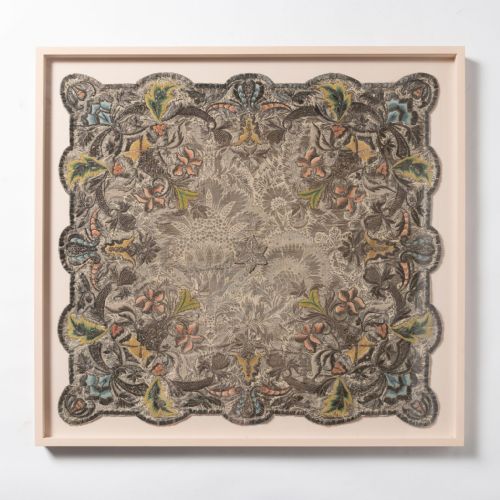
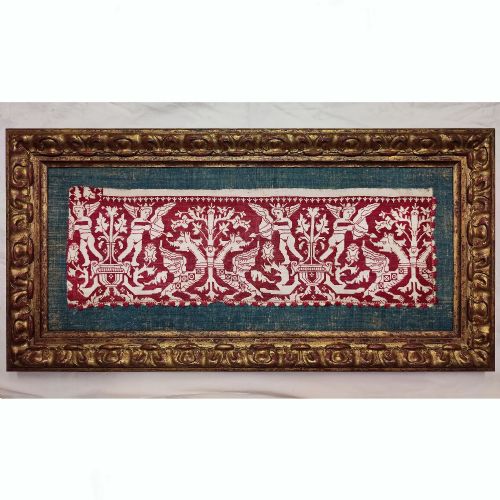
A framed silk needlework piece combines fine threads with fabric grounds, often preserved behind glass within original wooden frames. These works span from the eighteenth century through to the end of the nineteenth century.
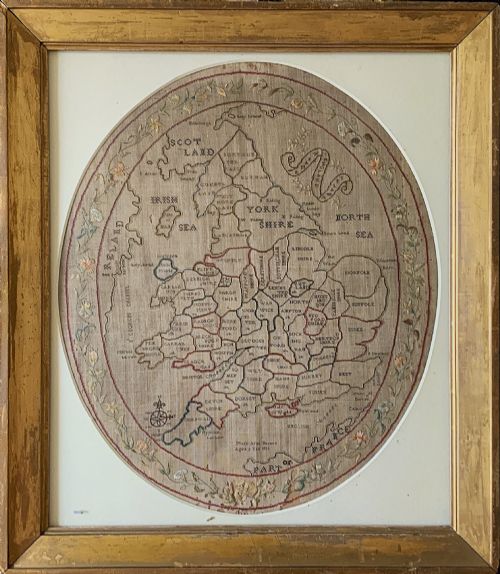
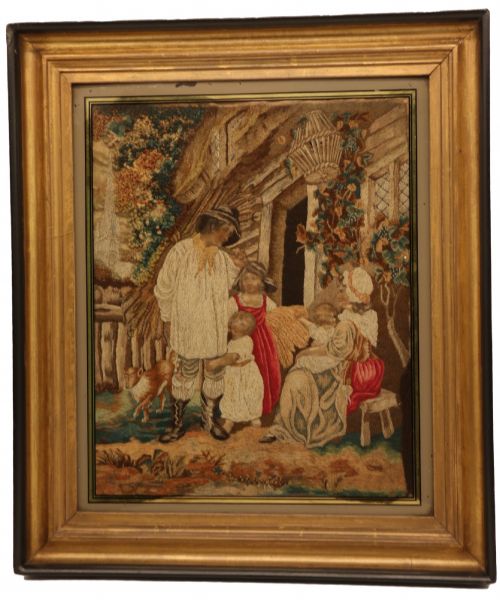
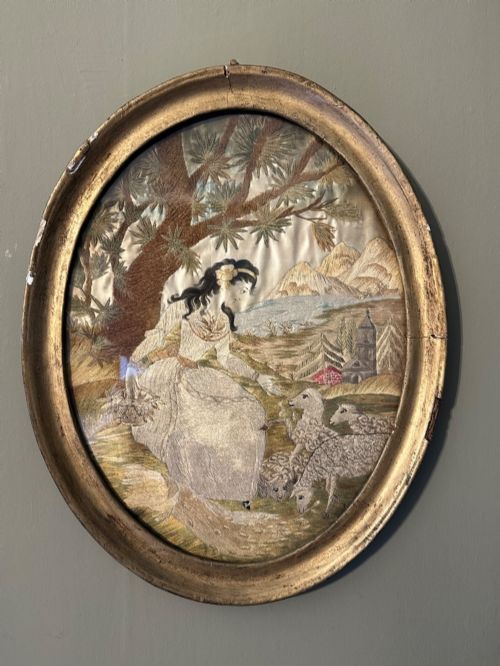
The assortment includes narrative embroidered pictures, such as scenes from folk tales, alongside sampler pieces created by named makers like Susan Mary Williams. Wall art textile panels dominate the selection.
English country house aesthetics appear frequently among the listings, capturing domestic craft traditions across the Georgian and later periods.
How they were made
Maker stitches are executed primarily in silk, wool, and cotton threads upon supportive foundations of linen, cotton, or silk. These delicate textiles are then secured into wooden framing structures.
Protection is afforded by original glass panels fitted over the face of the embroidery to shield fragile organic fibres from dust and atmospheric degradation.
Retail Price Guide 2026
Typical UK retail prices for framed silk needlework, calculated from the Sellingantiques database of over a million retail prices indexed since 2003. This retail price guide relies exclusively on Sellingantiques data; no external sources or auction records are used, so the figures do not describe the wider market.
One early nineteenth century panel delightfully illustrates scenes from the tale of Jack and the Beanstalk in thread.
What varies in quality
The distinction between standard and superior pieces rests on the complexity of the narrative composition and the finesse of the stitchwork. Early pictorial examples require exceptional dexterity in thread shading.
Survival of the original framing materials and protective glass contributes significantly to the integrity of the object, as later replacements alter the historic character of the textile.
Susan Mary Williams
The Framed Silk Needlework Glossary
- Sampler
- A piece of needlework produced to demonstrate proficiency in various stitches and patterns, often bearing the maker name and date.
- Panel
- A distinct section of embroidered textile art designed to be mounted and displayed upon a wall.
- Ground
- The underlying fabric base, typically linen, cotton, or silk, upon which the decorative stitching is applied.
- Gilt-framed
- A wooden display border finished with a thin layer of gold leaf or metallic paint, seen on Georgian examples.
Frequently Asked Questions
How should I hang framed silk needlework?
Keep these delicate textiles away from direct sunlight to prevent the silk and wool threads from fading. Position them on interior walls where humidity and temperature remain relatively stable.
Ensure the hanging wire and wall fixings securely support the weight of the wood and glass frame without stressing the antique structure.
How can I tell an eighteenth century piece from a nineteenth century one?
Examine the style of the stitching and the subject matter, noting that earlier eighteenth-century and Georgian works often employ specific silk and wool palettes. Material analysis of the backing linen and frame construction also aids dating.
Signature samplers frequently include explicit dates or maker details that clarify the precise era of production.
Are these pieces mounted on original stretchers?
Many retain their historic backing and mounting boards, though some have undergone conservation re-mounting over the centuries to preserve sagging fabrics. Original wooden stretcher frames help maintain the correct tension across the textile.
Inspect the reverse of the frame to understand how the panel is secured within its housing.