




Victorian Sea Portrait
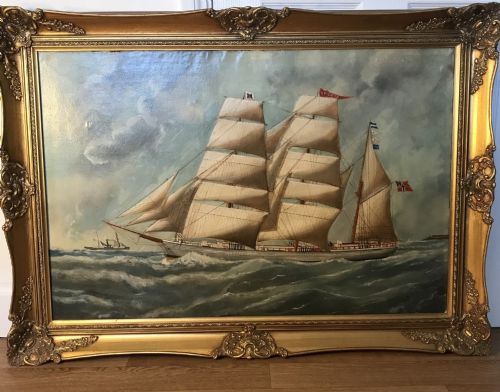
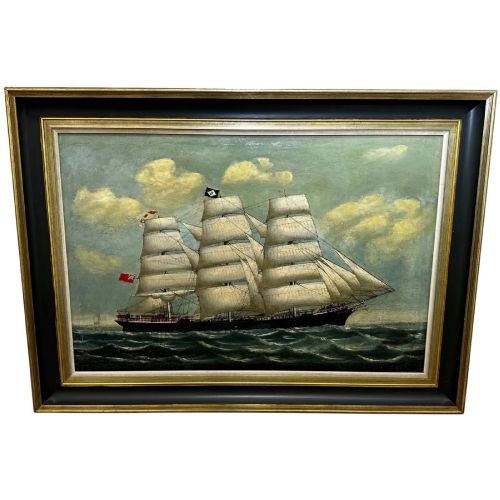
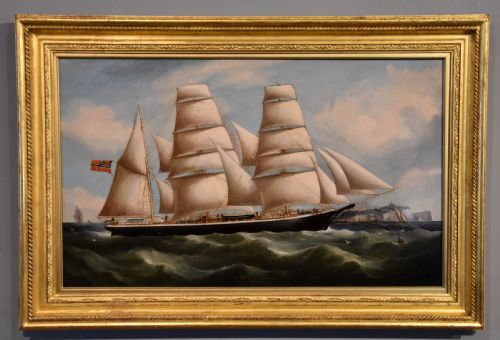
A victorian sea portrait brings the raw power of the nineteenth-century ocean directly onto the wall through canvases and watercolours that capture named vessels and dramatic marine scenes.
Victorian Sea Portrait
A victorian sea portrait depicts named vessels, coastal views, and maritime incidents across oil paintings and watercolours from the nineteenth century. These works range from detailed depictions of clippers and barques to moody coastal scenes and dramatic shipwrecks.
Most pieces encountered here date from the nineteenth century, including specific years like 1850, 1880, 1900, and 1910, reflecting the height of British maritime expansion and coastal art. Styles span Victorian marine, maritime art, and the Newlyn School.
The subjects focus heavily on named ships such as the Slieve Roe, the Vick, the Sindia, and the Thermopylae, alongside naval vessels like HMS Victory. Alongside ships, the category includes narrative scenes featuring figures like sea fishermen and mythological figures such as a Nereid.
Materials and Technique
Artists relied primarily on oil paint applied to canvas or paper, alongside watercolour on paper for lighter maritime studies and charcoal for dramatic monochromatic shipwreck scenes. Frames typically consist of wood, giltwood, and gold leaf, often protected beneath glass in the case of watercolours.
Techniques range from tight, documentary precision in capturing the rigging and hulls of three-masted schooners and steel-hull ships to looser brushwork seen in Newlyn School coastal scenes and atmospheric nineteenth-century British school paintings.
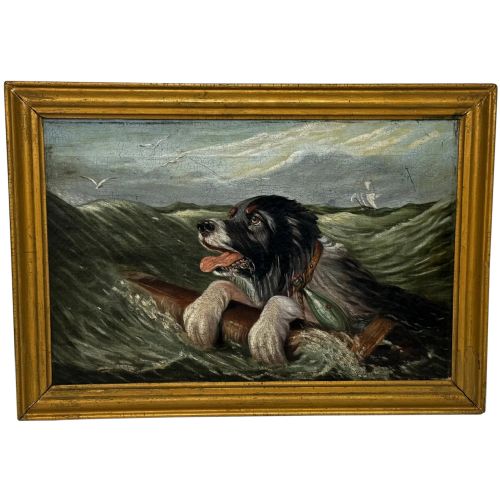
Keep an eye out for an unexpected canine passenger amongst the shipwreck survivors braving the cold waters near New York.
Judging Quality and Execution
Quality rests upon the artist's command of maritime architecture, water movement, and atmospheric light, separating generic vessel paintings from works by accomplished marine specialists. The precision with which rigging, hull structure, and sea spray are rendered dictates the visual strength of the piece.
Provenance and attribution elevate certain works, particularly when a painting is securely linked to a recorded hand or specific historic vessels like the Harland & Wolff clipper or named barques. The integrity of the original wood and giltwood framing also contributes to the overall standing of the piece.
Lai Fong·Richard B. Spencer·William Edward Frost·Joseph Heard·WF Mitchell·Samuel John Milton Brown·J Moffat
The Victorian Sea Portrait Glossary
- Barque
- A sailing vessel with three or more masts, having the foremast and mainmast square-rigged and the mizzenmast fore-and-aft rigged. This rig appears frequently in nineteenth-century marine art.
- Clipper
- A very fast nineteenth-century merchant sailing ship with three masts and a square rig, built for speed on trade routes. Artists frequently recorded these vessels under full sail.
- Giltwood
- Wood that has been covered with a thin layer of gold leaf or gold paint. Many nineteenth-century marine paintings retain their original giltwood frames.
- Newlyn School
- An art colony based in Cornwall during the late nineteenth century that focused on naturalistic depictions of coastal life and fishermen. Their works capture the gritty reality of sea-related labour.
- Nereid
- A sea nymph of Greek mythology, representing the spirits of sea waves. They occasionally appear in classical Victorian maritime allegories.
Victorian Sea Portrait: Frequently Asked Questions
What is a Victorian sea portrait?
A Victorian sea portrait is a nineteenth-century painting or watercolour focusing on a specific ship, maritime crew, or coastal scene.
These works functioned as both artistic records and tributes to named vessels, naval ships, and coastal life during the height of the age of sail.
How do I identify the ship in a painting?
Artists often inscribed the name of the vessel directly onto the canvas, within the composition, or on the original framing.
Clues to identity also lie in the specific rigging of three-masted schooners, barques, and clippers recorded by maritime painters.
Where should I hang a marine painting?
Display these works away from direct sunlight and fluctuating heat sources to protect nineteenth-century canvas, oil paint, and paper watercolours.
Pairing oil paintings in giltwood frames with traditional wall spaces allows the dark marine tones and gold leaf to stand out properly.
How do watercolours and oil paintings differ?
Watercolours utilise paper and are typically framed beneath glass to prevent moisture damage to the delicate pigments used for coastal skies and seas.
Oil paintings use canvas stretched over wood, offering a heavier texture and deeper layers of pigment that capture dramatic waves and ship hulls.