





Oil on Canvas Seascape
These oil on canvas seascape works capture maritime life and coastal weather across centuries of artistic tradition.
Oil on Canvas Seascape
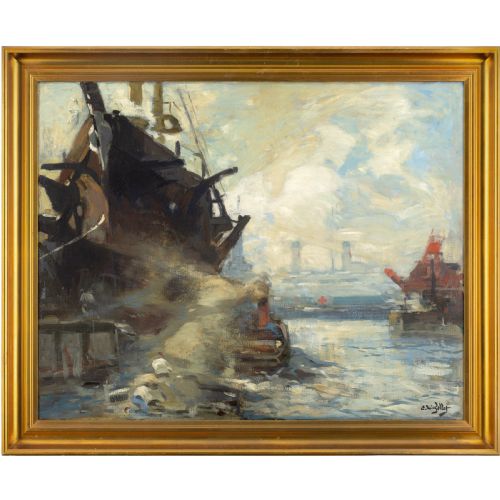
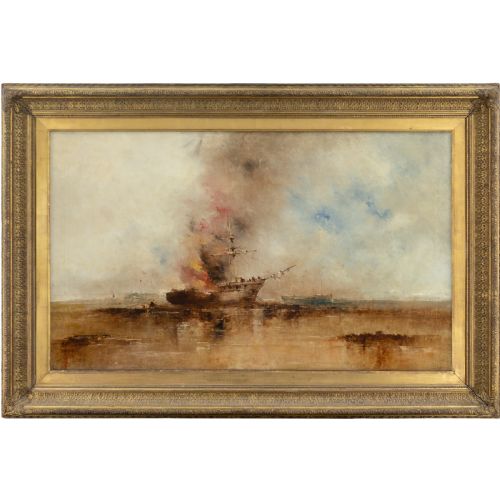
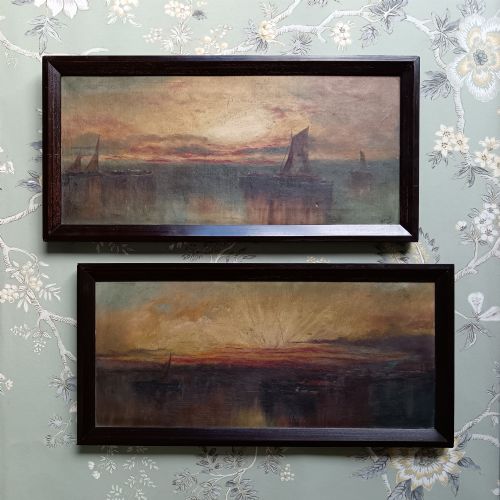
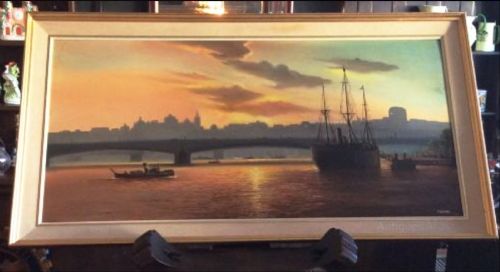
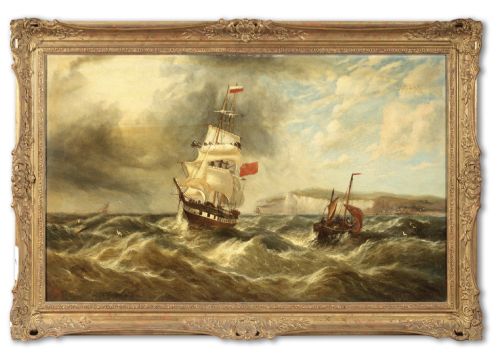
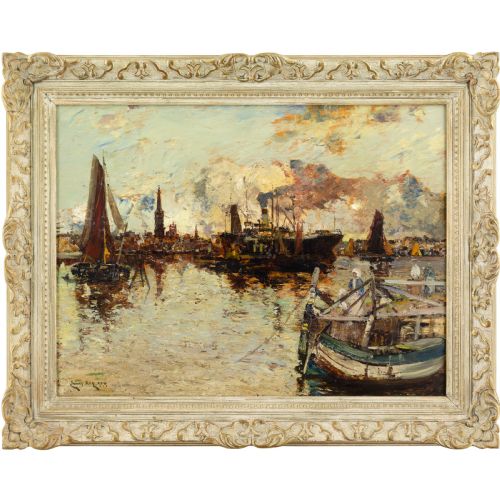
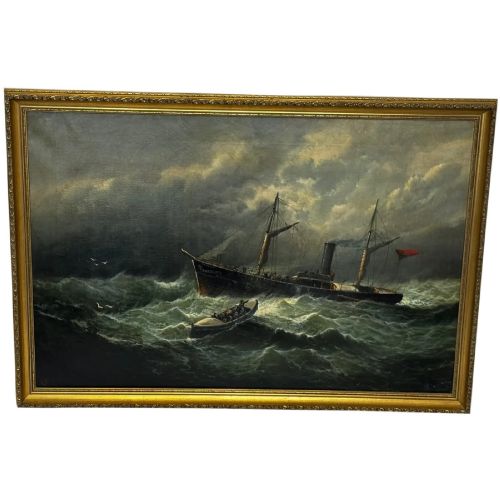
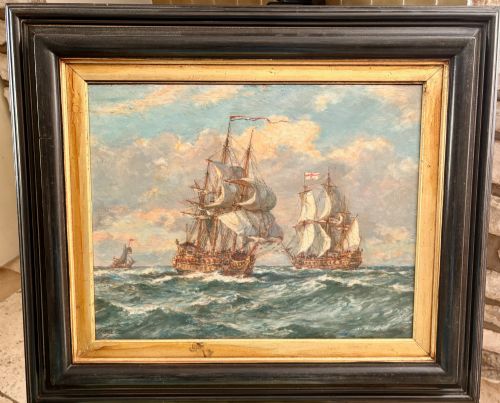
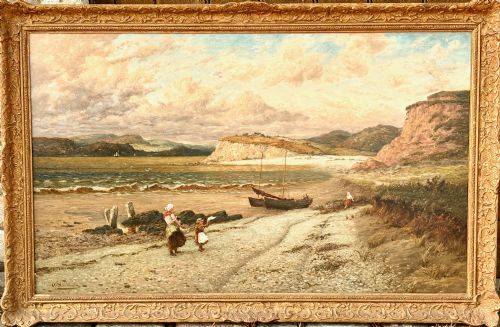
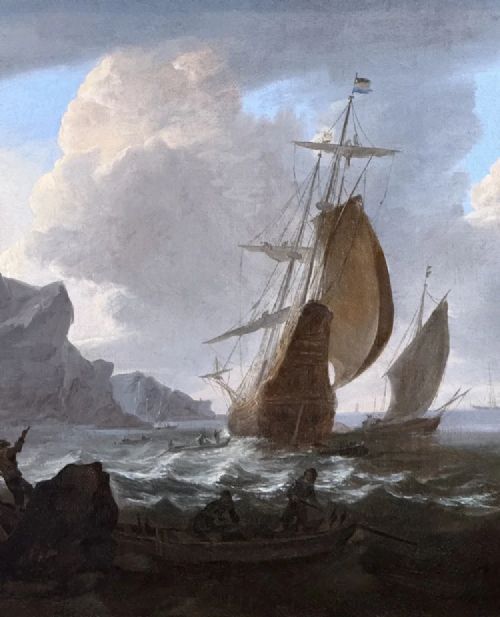
An oil on canvas seascape presents maritime scenes, coastal views, and marine vessels rendered through traditional painting methods. These works range from calm harbour vistas to dramatic depictions of ships navigating heavy seas and stormy weather.
The selections available here heavily feature nineteenth-century and early twentieth-century British and European interpretations. Buyers encounter detailed depictions of fishing boats, merchant ships, and coastal towns alongside atmospheric impressions of light on water.
How They Were Made
Artists built these compositions using oil paint applied to stretched canvas surfaces, frequently supported by wooden frames or stretcher bars. Many period examples are housed within original giltwood frames that complement the depth of the painted surface.
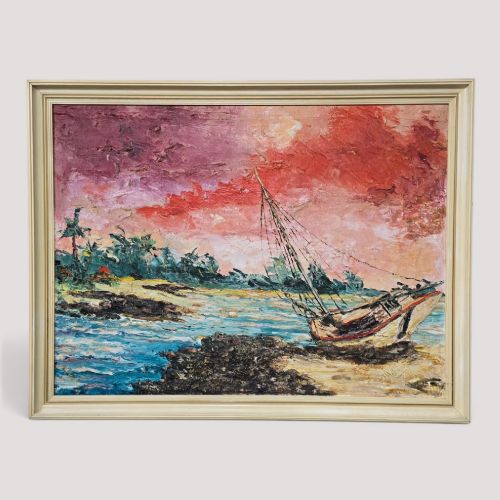
Techniques varied from smooth, controlled brushwork detailing rigging and architecture to expressive, impasto applications capturing the turbulent movement of waves and coastal skies.
Oil on Canvas Seascape Retail Price Guide 2026
Typical asking prices for oil on canvas seascape among the pieces listed under this phrase on Sellingantiques today, from the lower quarter to the upper quarter. They describe what is for sale here now, not the wider market.
Listings feature works executed in oil on canvas alongside oil paintings on panel and board.
What Varies in Quality
Quality rests in the artist's command of light, atmospheric perspective, and maritime accuracy. Superior examples demonstrate a nuanced understanding of water movement, coastal weather patterns, and structural precision in vessels.
The harmony between the painting and its period frame also influences the overall integrity of the piece, as original giltwood settings enhance the visual presence of the artwork.
Kenneth Cozens·Clifford Hanney·Eugène-Louis Gillot·William McAlpine·James Kay·John Rose Miles·Bonaventura Peeters·Clive Browne·Peter Brannan·Francis Moltino·Bernard Benedict Hemy·Thomas Creswick·Willem Bos·John Wilson Carmichael·Joseph Farquharson·Erich Mercker·Thomas Hodgson Liddell
The Oil on Canvas Seascape Glossary
- Impasto
- Paint applied thickly to a canvas, standing out in relief from the surface. This technique allows the artist to build physical texture into crashing waves or cloudy skies.
- Giltwood
- Wood carved and covered with a thin layer of gold leaf or gilt material. Period frames utilise this finish to add warmth and reflection around the artwork.
- Marine Painting
- Artwork that depicts or draws its main inspiration from the sea. These subjects encompass naval engagements, shipping vessels, and coastal shorelines.
- Stretcher
- The wooden framework that holds a canvas taut. Traditional paintings rely on these internal wooden structures to maintain the stability of the fabric.
Oil on Canvas Seascape: Frequently Asked Questions
How do I date an antique seascape painting?
Dating relies heavily on stylistic clues, costume details of any figures present, and the type of vessels depicted in the composition. Frame construction and canvas preparation techniques also offer reliable chronological markers for the work.
Examining artist signatures, biographical dates, and exhibition records helps narrow the creation period further. Archival stretcher marks and old gallery labels provide additional context for verification.
Where should I hang a coastal oil painting?
Choose an interior wall with stable temperature and humidity levels away from direct sunlight. Strong natural light enhances the oil pigments, but prolonged exposure can fade vulnerable colours over time.
Allow adequate clearance around the piece so the original frame can be viewed without obstruction. Positioning the work at average eye level ensures the optimal viewing angle for detailed marine scenes.
How do I care for an oil on canvas artwork?
Dust the surface and frame gently with a soft, dry brush on a regular basis. Avoid using water, chemical cleaners, or damp cloths directly on the painted canvas.
Keep the painting away from heat sources such as radiators and fireplaces to prevent the canvas from slackening or the wooden stretcher from warping. Professional conservation is recommended for any deeper cleaning.
What is the difference between marine art and landscape art?
Marine art focuses specifically on the ocean, ships, harbours, and coastal environments where the sea plays a central role. Landscape art generally centres on terrestrial scenery, inland views, and earthly terrain.
Seascapes bridge these categories by capturing the shoreline where land meets water, though maritime elements like sailing vessels usually define the marine genre.