




Framed Maritime Wall Art
Framed maritime wall art captures centuries of naval power, coastal trade and restless seas in oil, watercolour and textile.
Framed Maritime Wall Art
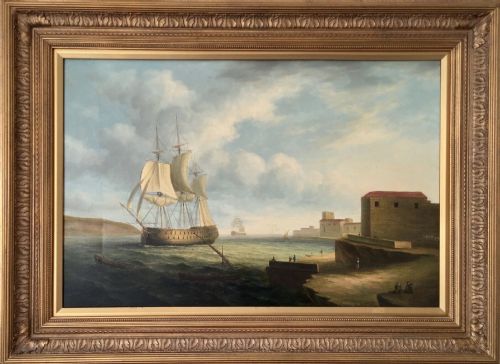
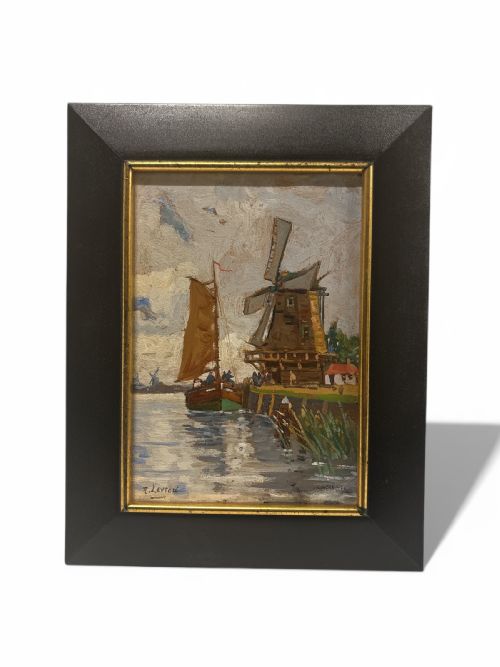
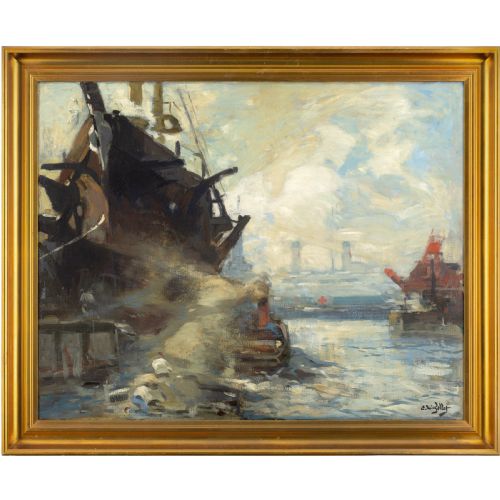
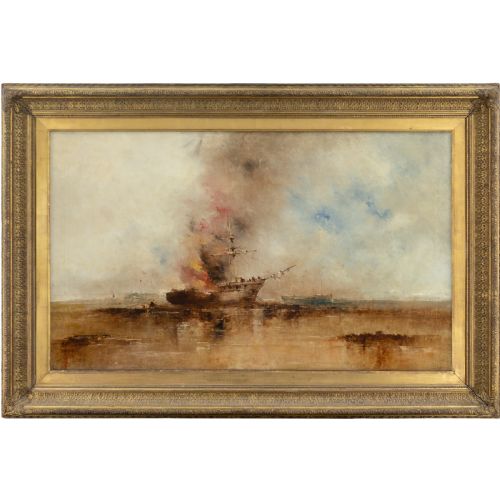
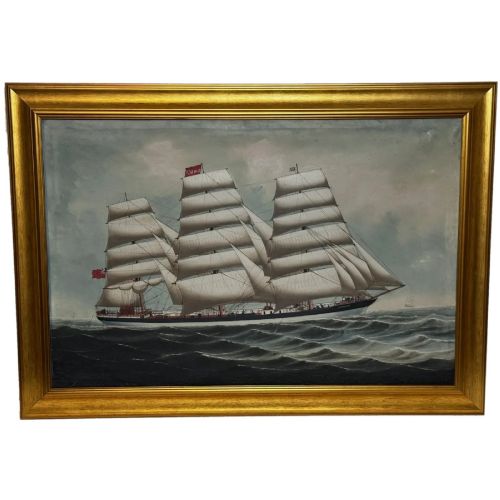
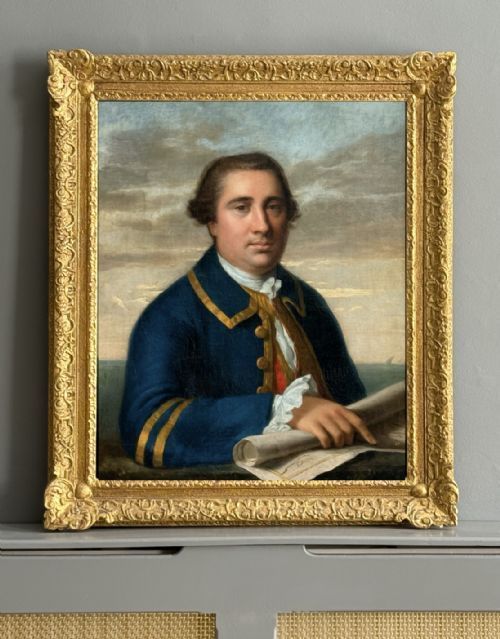
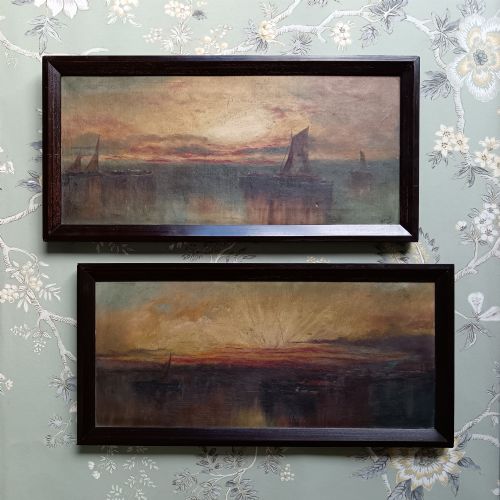
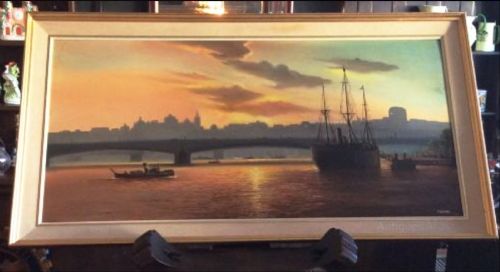
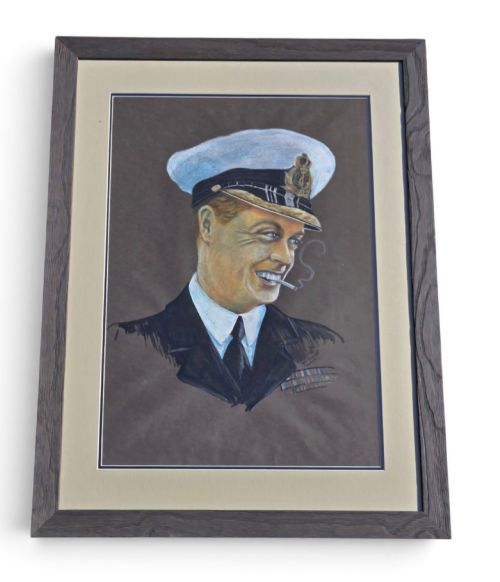
Framed maritime wall art encompasses oil paintings, watercolours, gouache works, pastel portraits and textile woolwork panels dedicated to ships, harbours and coastal scenes. Buyers looking for framed maritime wall art will encounter works spanning from the seventeenth century through the Victorian and Edwardian eras into the mid-twentieth century. The selection leans heavily towards nineteenth-century marine oils and British watercolours depicting merchant vessels, warships and bustling coastal havens.
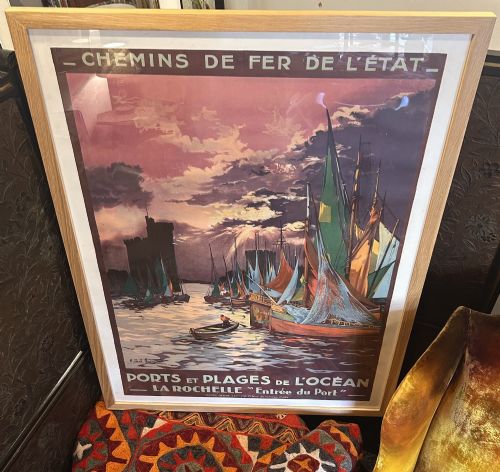
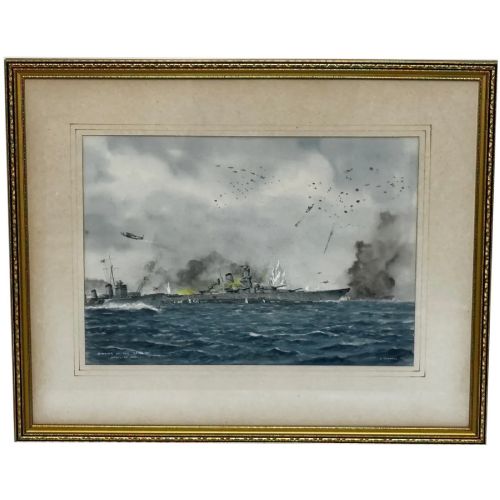
The subjects range from tranquil depictions of Dutch boats in a gale and Venetian canals to dramatic records of steamships in stormy waters and naval battles. Traditional framed presentations in gilt wood, simple moulded timber or under glass preserve these works much as they appeared in period interiors. Mid-century canvases and railway posters also appear, offering a glimpse into later commercial and decorative interpretations of maritime themes.
Materials and Technique
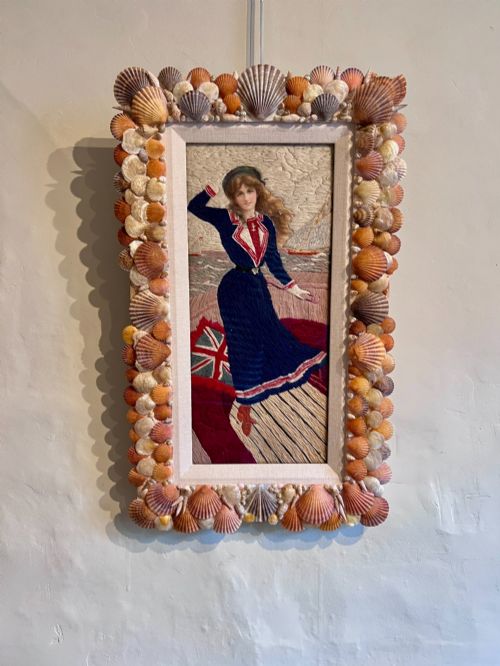
Artists rendering these scenes relied primarily on oil paint on canvas or panel, watercolour on paper, and gouache on board to capture the shifting moods of water and sky. Oil mediums allowed for deep layering to show dark, rolling waves and billowing canvas sails, while watercolours provided translucent washes for lighter coastal atmospheres. Textile works utilised coloured wool stitched onto canvas, often called woolies, to depict sailors and ships in detailed hand-worked relief.
Framed Maritime Wall Art Retail Price Guide 2026
Typical asking prices for framed maritime wall art among the pieces listed under this phrase on Sellingantiques today, from the lower quarter to the upper quarter. They describe what is for sale here now, not the wider market.
Listings span the eighteenth, nineteenth and twentieth centuries, featuring oil paintings, watercolours, gouache and textile woolworks.
Quality and Execution
The strength of a piece rests in the artist's command of light, movement and maritime architecture, separating stiff documentary renderings from truly atmospheric compositions. Superior works demonstrate an accurate understanding of rigging, hull forms and tidal behaviour combined with confident brushwork in the rendering of turbulent seas or calm harbours. Lesser examples offer generic shipping scenes with flat water and rigid vessel proportions that lack observational depth.
Condition of the medium and the integrity of the original framing also define the standing of a piece within the range. Works retaining stable paint surfaces without extensive restoration, alongside period frames that suit the scale and date of the art, command greater regard among collectors. Fading on exposed paper works or crude re-framing alters the historical balance of the piece.
James Orrock·Eugène-Louis Gillot·William McAlpine·Reginald Arthur Borstel·Lemuel Francis Abbott·John E. Aitken·Eric Tufnell·James Kay·Francis Moltino·Donald McIntyre
The Framed Maritime Wall Art Glossary
- Woolie
- A traditional textile picture made by sailors using coloured wool threads stitched onto canvas to depict ships. These handcrafted pieces often feature framed presentations under glass.
- Gouache
- An opaque watercolour medium mixed with a white pigment to create denser, heavier colour blocks. It is frequently seen in marine studies requiring sharp contrasts between stormy skies and white foam.
- Panel
- A flat rigid support, typically wood, used instead of stretched canvas for oil paintings. Panel paintings from earlier centuries often display characteristic grain patterns through thinner paint layers.
- Seascape
- A work of fine art focusing primarily on the open sea, coastal views or marine traffic. The genre encompasses calm harbour scenes as well as dramatic storm paintings.
- Gilt wood
- Timber framing coated with a thin layer of gold leaf or metallic gilt paint. Such frames were built to enhance the tonal values of nineteenth-century oil paintings.
Framed Maritime Wall Art: Frequently Asked Questions
How do I date a marine painting?
Dating relies on examining the riggings and types of vessels shown, alongside the clothing styles of any figures included in the composition. Signatures, artist active dates and the construction style of the wooden frame offer further chronological markers.
Paper acidity, canvas weave and stretcher construction provide additional physical clues to verify whether a piece originates from the Victorian era or the mid-twentieth century.
What is a woolie?
A woolie is a form of textile art stitched by sailors during long sea voyages using coloured wool yarns on canvas grounds. They typically portray British warships or merchant vessels framed for wall display.
These pieces offer a folk-art perspective on maritime history, distinct from professional academic oil paintings of the same periods.
How should I hang maritime art?
Maritime pieces benefit from placement on walls with stable, indirect lighting to prevent fading on watercolours and paper posters. Keeping them away from direct heat sources protects wood panels and gilt frames from warping or cracking.
Secure picture hooks rated for the combined weight of the frame and glass ensure safe wall mounting for heavier oil paintings.
Are watercolours as durable as oils?
Watercolours are more sensitive to light exposure and moisture than oil paintings on canvas or panel. They require protective glass glazing and acid-free mounting to preserve the paper support over time.
Oils tolerate ambient conditions better but still require stable humidity to prevent paint cracking and stretcher movement.