



Wool Needlepoint Panel
A wool needlepoint panel brings tactile historical depth to an interior, offering centuries of hand-stitched artistry through framed pictures, cushions and firescreens.
Wool Needlepoint Panel
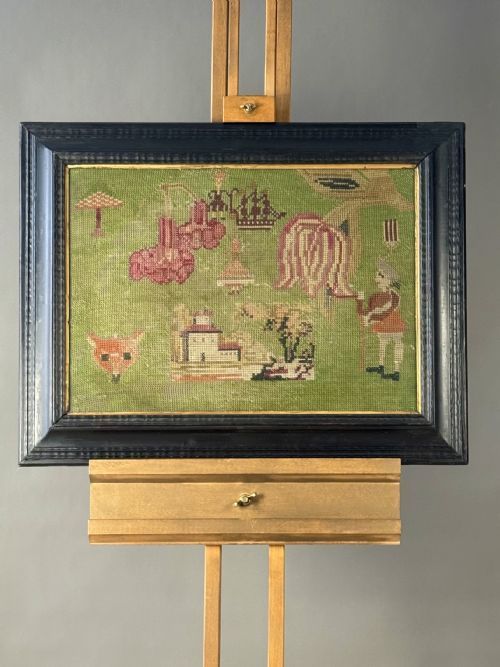
A wool needlepoint panel is a textile work created through meticulous stitching on canvas or linen grounds. Buyers searching this phrase encounter diverse forms ranging from framed pictures and samplers to cushion covers and firescreen inserts.
The selections span multiple centuries, with significant representation from the seventeenth, eighteenth and nineteenth centuries. Continental and English origins dominate, alongside specific examples from Scotland, Sweden, Germany and Italy.
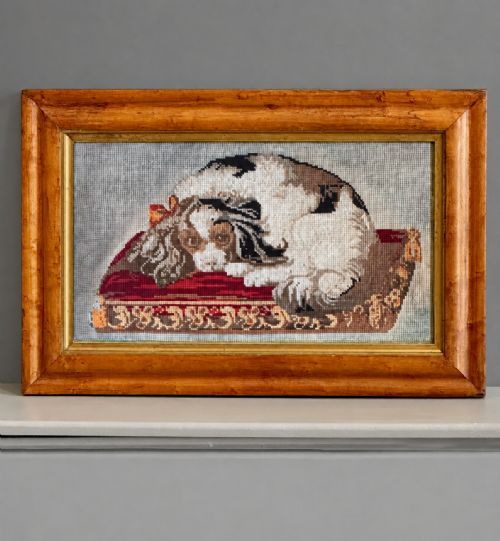
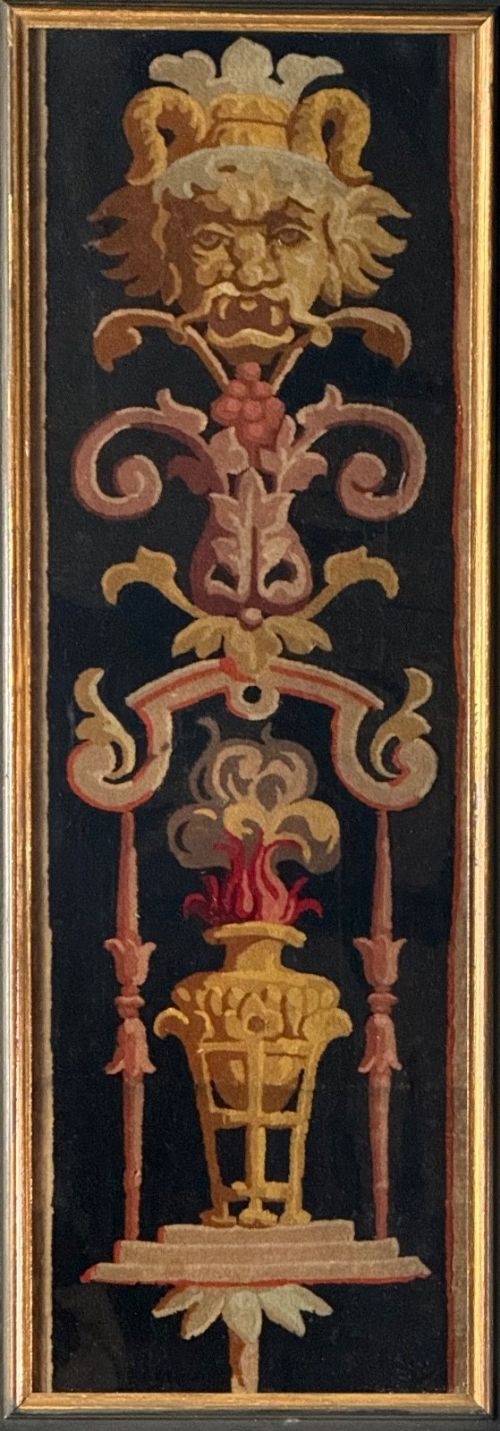
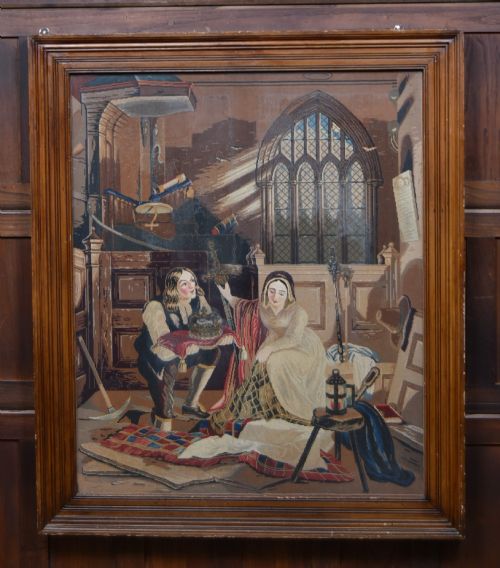
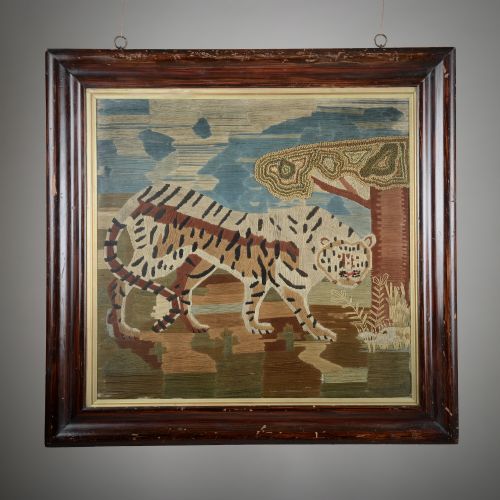
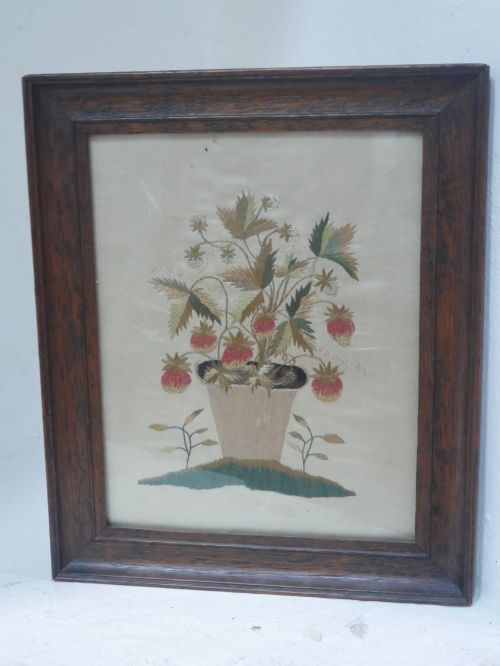
Subjects vary widely from classical motifs and pastoral scenes to literary depictions, portraits and detailed animal studies such as spaniels and tigers. Many survive housed in period frames of burr maple, giltwood or carved oak.
How they were made
Workers utilised robust wool and silk threads, frequently worked in tent stitch or gros-point over woven canvas or linen foundations. These materials provided the structural integrity required for items subjected to daily handling or wall display.
Stitch errors left by young Victorian learners reveal the human hand behind centuries-old samplers.
What varies in quality
Quality rests upon the fineness of the stitch count and the skill demonstrated in the rendering of figures, faces and proportions. Superior pieces display sophisticated shading and confident execution of complex pictorial subjects.
The integrity of the original backing materials and the survival of vibrant thread colours distinguish finer examples. Original framing, particularly period burr maple or carved wood surrounds, adds substantial context to the textile.
The Wool Needlepoint Panel Glossary
- Berlin work
- A type of nineteenth-century needlepoint worked in coloured wools from printed point paper charts. This technique allowed for highly detailed pictorial representations.
- Gros-point
- A coarse needlepoint stitch worked on canvas that creates a durable surface. It is frequently seen on historical cushion covers and upholstery.
- Sampler
- A piece of needlework produced to demonstrate proficiency in various stitches. Historical examples often incorporate alphabets, numerals and personal signatures with dates.
- Firescreen
- A standing wooden frame holding a decorative needle panel designed to shield occupants from fireplace radiant heat. These pieces combine functional utility with textile art.
Wool Needlepoint Panel: Frequently Asked Questions
How should I hang a needlepoint panel?
Needlepoint panels benefit from professional framing behind glass or UV-protective acrylic to shield the delicate wool and silk fibres from dust and sunlight. Ensure they are mounted away from direct heat sources and damp environments.
Weight distribution matters when hanging larger tapestries or framed textiles. Secure wall fixings appropriate for the weight of the wood frame and glass will protect the structural integrity of the piece over time.
Were these panels always framed?
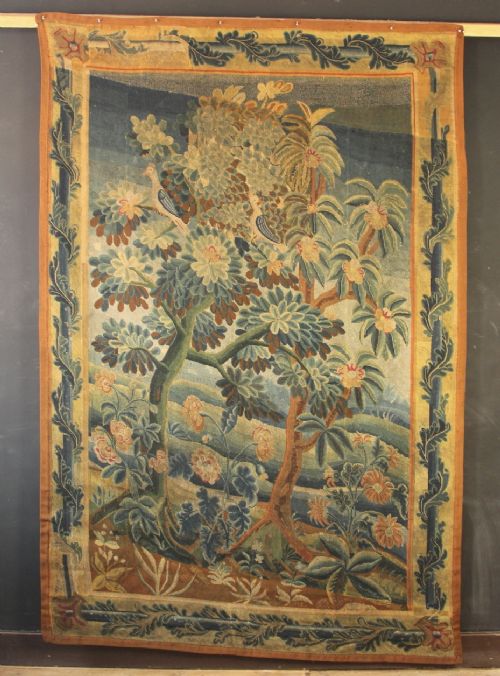
Many historical panels served functional purposes such as cushion covers, firescreen inserts or wall-hanging tapestries before later being mounted into decorative frames. Domestic textiles were frequently adapted to changing interior fashions as centuries progressed.
Some needlework pictures and samplers were created specifically for display behind glass in wooden frames. Examining the edges and reverse of the piece often reveals clues about its original domestic context.
How do I identify the period of a panel?
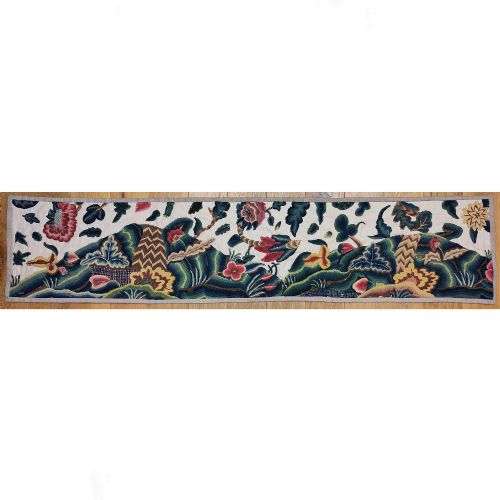
Dating relies on a combination of stylistic evidence, stitching techniques and framing materials. Seventeenth-century pieces often feature robust crewelwork or classical motifs, while eighteenth-century works frequently showcase pastoral scenes and refined pictorial compositions.
Nineteenth-century examples frequently include Berlin work, vibrant dyed wools, or specific dated signatures as seen in Victorian samplers. Comparing the subject matter and canvas structure helps narrow down the era of creation.
Can I use antique cushion covers?
Historical cushion covers require gentle handling due to the age of the wool and linen threads. They suit decorative placement on armchairs or beds where physical wear remains minimal.
Avoid heavy daily use or abrasive contact to preserve the historical stitching and natural fibres. Regular light airing helps maintain the condition of antique textiles without damaging the delicate weave.