





18th Century Needlework Panel
An 18th century needlework panel brings centuries of textile artistry into a room, offering tactile connection to historical domestic craft.
18th Century Needlework Panel
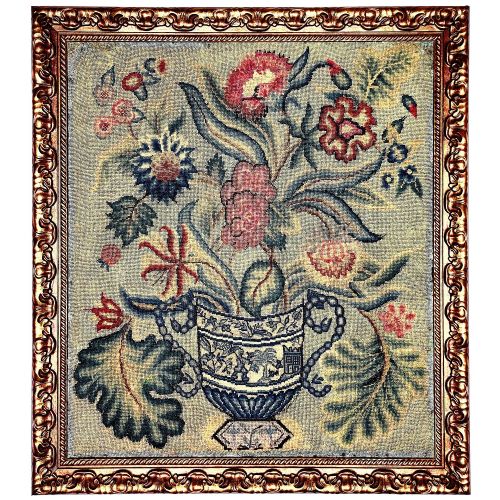
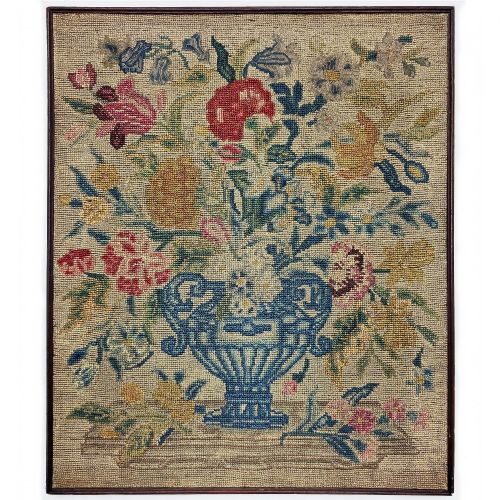
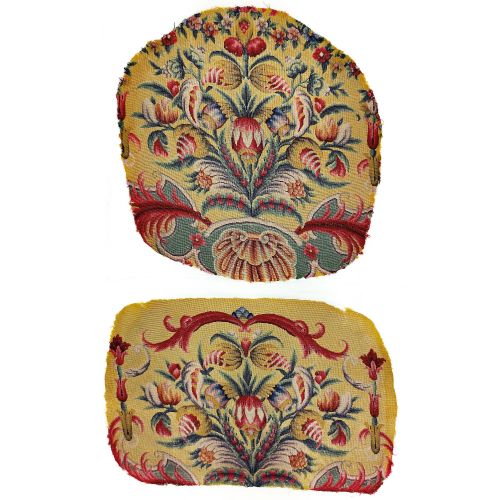
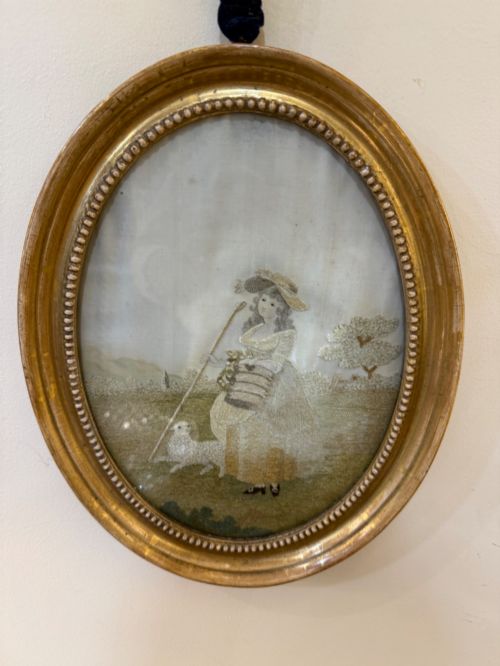
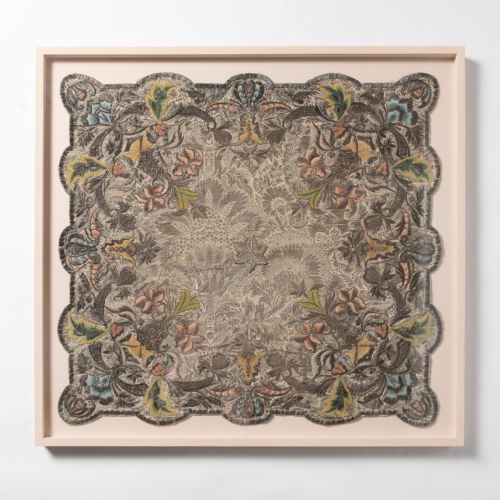
When searching for an 18th century needlework panel, collectors encounter a diverse group of framed textile arts, samplers, pictures, and tapestries. The selections span Georgian English compositions, French Rococo depictions, Greek island bedsheet borders, and Dutch embroideries.
Framed works dominate the current listings, appearing alongside pole screens and wall art. Many examples utilise specialised mounts like water gilded oval frames or octagonal gilt wood structures to house the delicate fabric.
Materials and construction methods
The makers of these historic textiles relied primarily on silk, wool, and linen as the foundational threads and backings. Metal threads occasionally appear alongside silk floss to add reflective detail to pastoral or religious scenes.
Support structures involve traditional cabinet timbers such as mahogany and giltwood for the frames and pole screens. Skilled hands worked these materials across European workshops, Greek islands, and English households.
18th Century Needlework Panel Retail Price Guide 2026
Typical asking prices for 18th century needlework panel among the pieces listed under this phrase on Sellingantiques today, from the lower quarter to the upper quarter. They describe what is for sale here now, not the wider market.
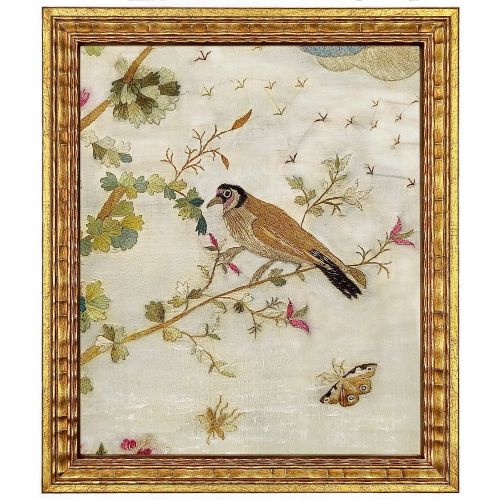
Several panels record earnest prayers and avian subjects, proving that historic needleworkers loved birds and devotion equally.
Judging execution and preservation
The distinction between ordinary and exceptional examples rests upon the intricacy of the stitch work and the clarity of the pictorial design. Fine needlework pictures demonstrate superior command of silk and wool blending to achieve lifelike pastoral or religious subjects.
Preservation of the original textile fibres and the integrity of the period framing heavily influence the standing of a piece. Works retaining their vibrant contemporary colours and untouched structural mounts command greater respect among collectors.
The 18th Century Needlework Panel Glossary
- Sampler
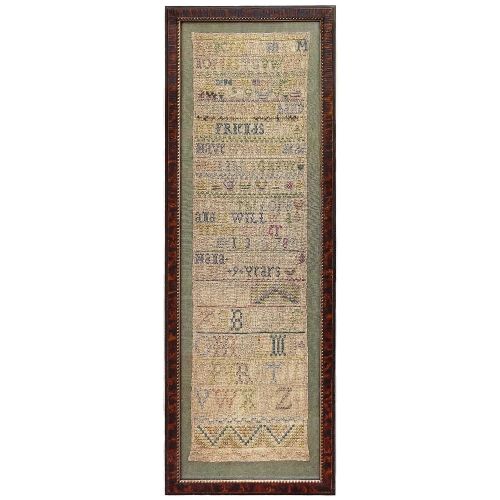
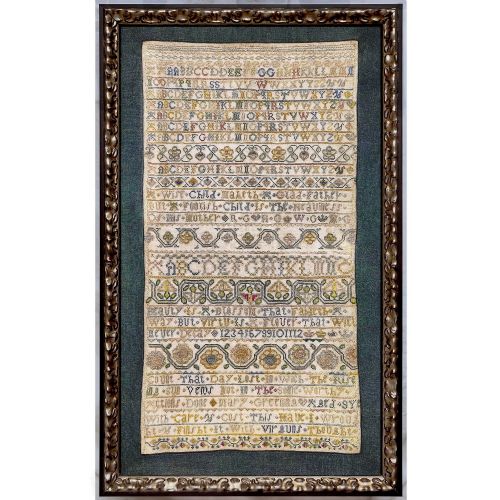
- A piece of needlework produced as a demonstration or test of skill in various stitches. These often record alphabets, motifs, and the name of the maker alongside dates.
- Pole screen
- A freestanding fireplace screen featuring an adjustable vertical shaft and a sliding panel. The panel typically holds a framed textile or needlework piece to block radiant heat.
- Giltwood
- Timber that has been coated with a thin layer of gold leaf. This material frequently frames fine 18th century pictures and mirrors.
- Tapestry
- A form of textile art woven on a loom rather than embroidered by hand with a needle. Large European examples often depict architectural or landscape scenes.
18th Century Needlework Panel: Frequently Asked Questions
How were needlework panels used historically?
These textiles served primarily as decorative wall art or functional furnishings within domestic interiors. Wealthy households displayed framed silk pictures to demonstrate accomplishments in needlecraft.
Textiles also functioned as protective fire screens, positioned before hearths to shield occupants from excessive heat when fires burned low. Samplers recorded family genealogies and taught young makers fundamental stitches.
Where did these historical embroideries originate?
Origin points span across England, France, the Netherlands, Italy, and the Greek islands such as Skyros and Epirus. Each region developed distinct aesthetic preferences and stitch vocabularies.
English works often lean towards pastoral scenes or moral texts, while French pieces reflect Rococo and Baroque styling. Greek island fragments showcase regional folk motifs on traditional linen grounds.
How should I display a textile panel?
Mount the framed textile away from direct sunlight to prevent the silk and wool threads from fading. Stable indoor humidity levels protect both the delicate fabric fibres and the wooden frames.
Ensure glazed frames allow adequate space between the glass and the textile surface to avoid condensation trapping moisture against the historic threads.
Can I identify the maker of a sampler?
Many samplers and schoolgirl pieces include embroidered names, locations, and dates directly into the composition. Signatures like those of Mary Greening or Sarah Reading provide direct links to individual historical makers.
When names are absent, stylistic clues, material choices, and framing techniques help narrow down the likely geographic origin and approximate production decade.