
French Style Tapestry
When you search for french style tapestry, you encounter woven wall hangings and antique seating upholstered in rich textiles that bring historic continental elegance into domestic rooms.
French Style Tapestry
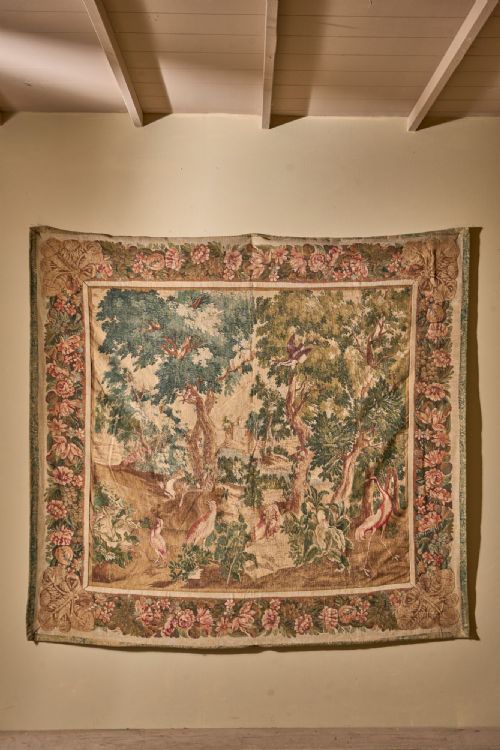
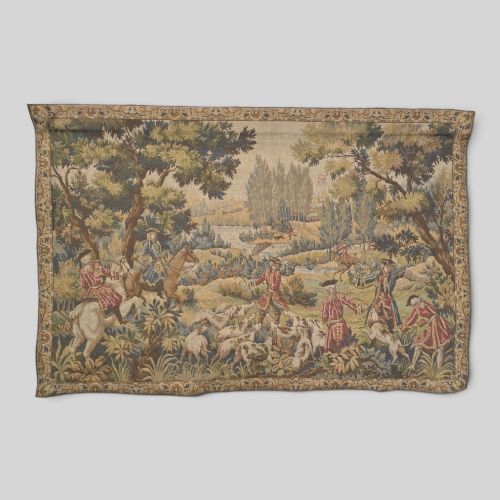
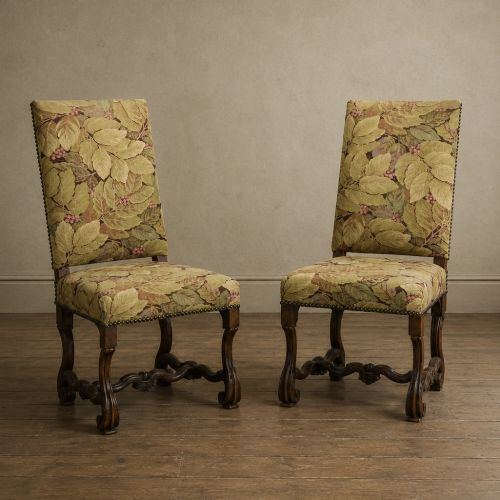
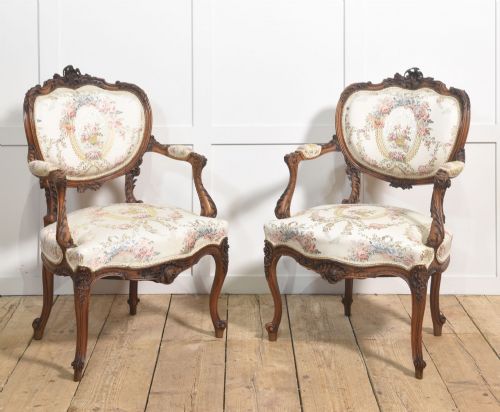
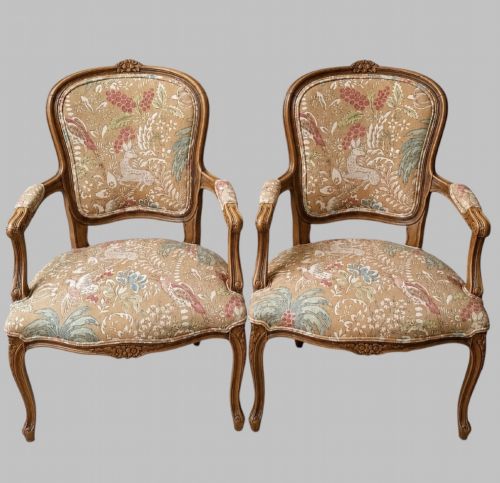
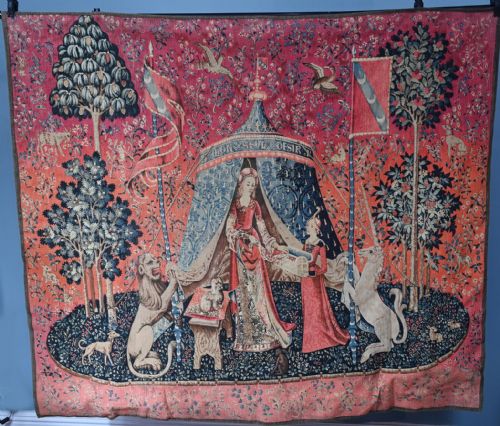
A french style tapestry search uncovers two distinct categories of items: large wall hangings depicting pastoral, floral, or woodland scenes, and seating furniture upholstered in matching heavy textiles. These pieces draw on historical decorative movements like the Louis XV and Louis XVI revivals, alongside earlier Baroque and Rococo influences.
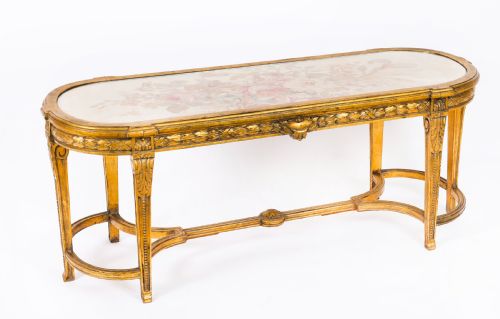
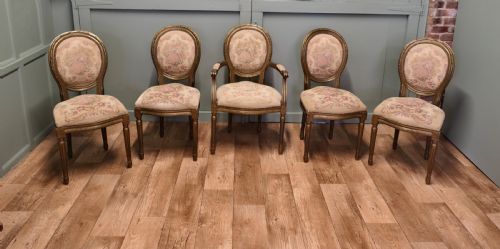
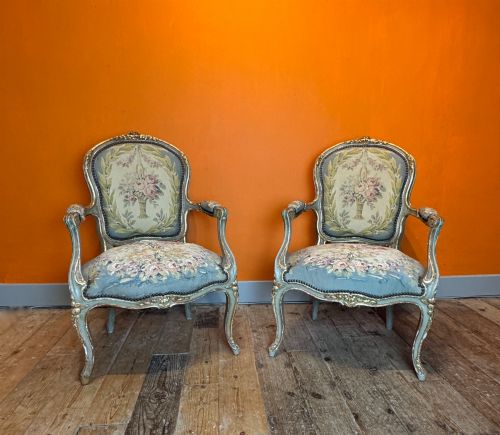
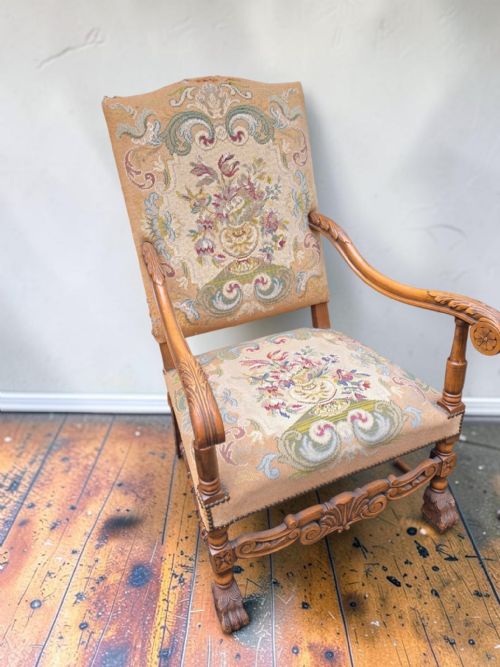
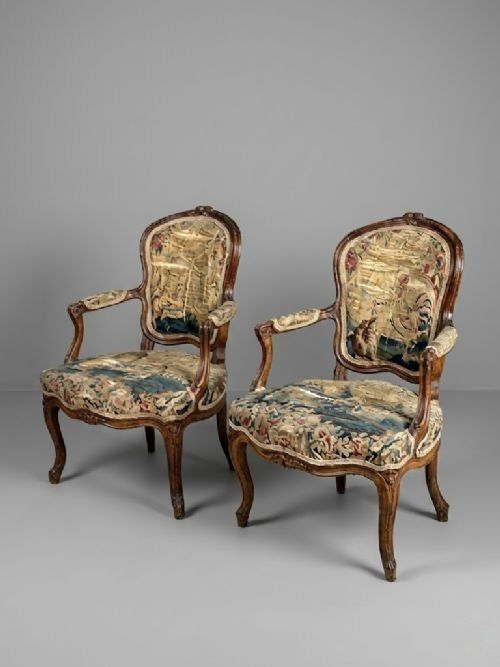
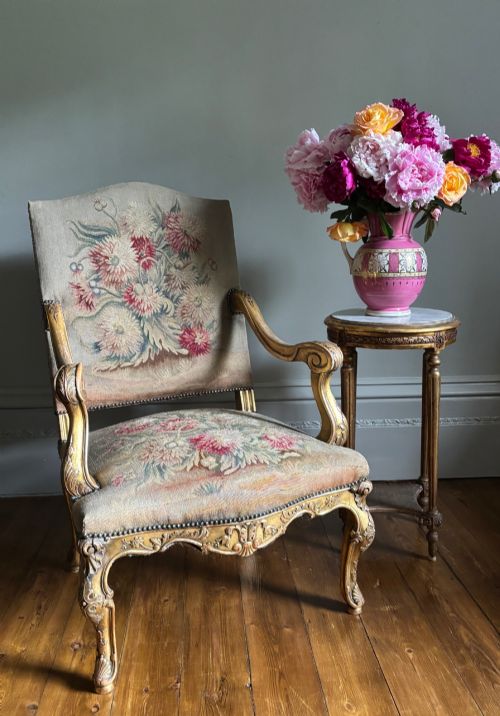
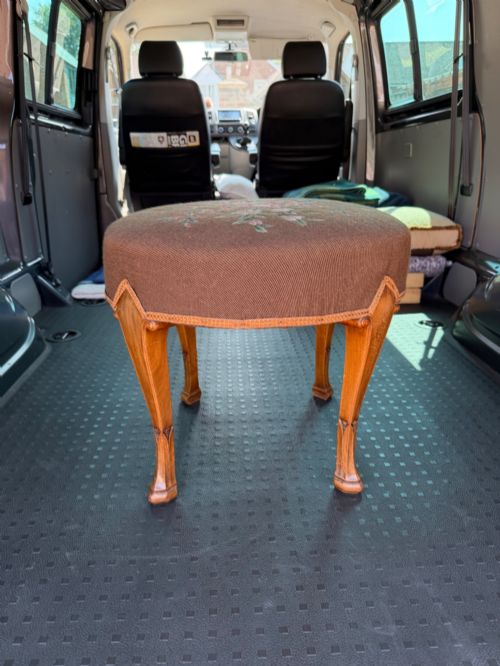
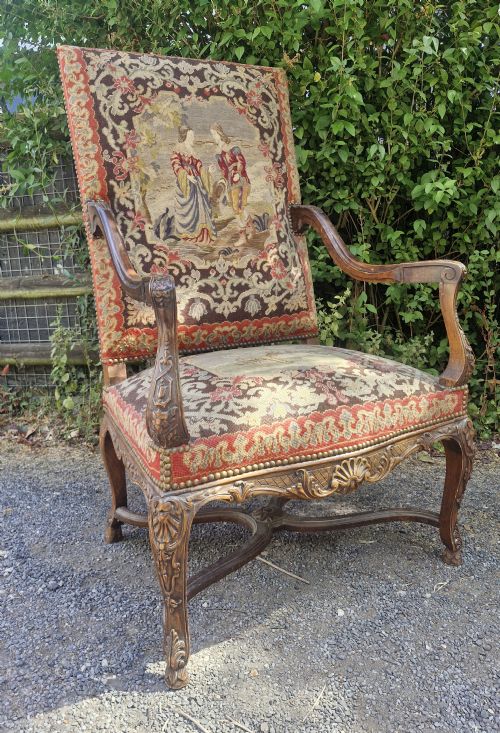
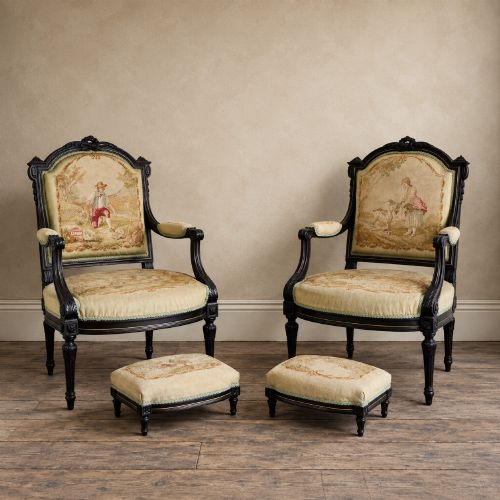
Wall pieces range from expansive landscape panels to smaller decorative cushions, while furniture spans armchairs, settees, and footstools framed in walnut, giltwood, or painted beech. The versions most commonly met on this page date from the nineteenth century, reflecting a strong Victorian and Edwardian fascination with continental craftsmanship.
Earlier eighteenth-century panels and seventeenth-century motifs also appear, sitting alongside later revivals that replicate the classic aesthetic. Buyers select these textiles and seat frames to introduce depth, texture, and a sense of aged grandeur into modern interiors.
How they were made
The construction of these items relies on traditional weaving methods using natural fibres such as wool, cotton, and silk to build intricate pictorial surfaces. Artisans wove these textiles to create durable wall coverings and resilient upholstery fabrics designed to withstand daily use on chairs and sofas.
Wooden frames for the accompanying armchairs, stools, and settees were shaped from sturdy timbers including walnut and beech, often finished with giltwood, paint, or parcel gilt accents. Carvers executed intricate flourishes by hand, applying decorative details that mirrored historical royal court aesthetics.
A solitary unicorn occasionally grazes quietly beside a sixteenth-century lady in the woven woods.
What varies in quality
Quality across these items depends heavily on the density of the weave and the complexity of the pictorial design rendered in the textile. Finer wall hangings and upholstery feature subtle tonal gradations and intricate detailing that require greater skill from the weaver.
On the furniture side, the calibre of the carved wooden frame dictates the piece's standing, with solid walnut or hand-gilded structures representing superior craftsmanship compared to simpler painted alternatives. The survival of original upholstery fabric also elevates a piece, preserving the intended visual harmony between the textile and the carved support.
The French Style Tapestry Glossary
- Aubusson
- A style of woven tapestry originating from the French town of Aubusson, noted for pastoral and floral motifs. These designs were frequently adapted for both wall hangings and seat upholstery.
- Fauteuil
- An open-framed armchair with upholstered armrests, typical of French seating design from the seventeenth and eighteenth centuries. The wooden frames are often elaborately carved and gilded.
- Giltwood
- Timber treated with a thin layer of gold leaf applied over a prepared surface. This technique imparts a radiant metallic finish to the carved frames of mirrors and chairs.
- Mille-fleurs
- A background style composed of a multitude of small, distinct flowers scattered across a dark field. This medieval weaving convention appears in certain classic wall hangings.
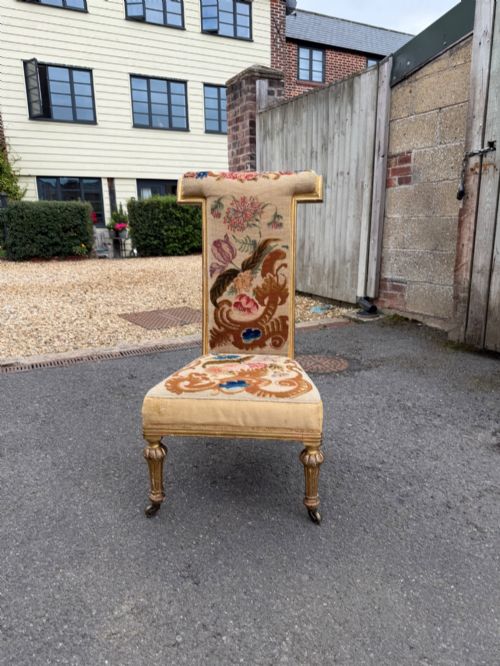
- Prie-dieu
- A small devotional desk or prayer chair equipped with a kneeling platform and a low armrest. These pieces often feature needlework or tapestry panels on the upholstered surfaces.
French Style Tapestry: Frequently Asked Questions
How do I hang a heavy tapestry safely?
Large woven panels require even distribution of weight along the top edge to prevent distortion of the fabric over time. A concealed wooden batten or a robust sleeve sewn into the reverse provides secure support against the wall.
Avoid hanging textiles in direct sunlight, as ultraviolet rays degrade natural wool and silk fibres. Maintaining a stable indoor climate also protects the threads from excessive moisture fluctuation.
Are these tapestries authentic antique pieces?
The selection includes genuine eighteenth-century wall panels alongside nineteenth-century revivals produced during periods of historicism. Makers in the Victorian era and the early twentieth century frequently copied earlier styles to satisfy strong domestic demand for continental design.
Examining the weave structure, fibre type, and framing materials helps distinguish period originals from later interpretations. Each listing provides specific chronological details to clarify the age of the item.
Can I use tapestry armchairs in daily life?
Antique upholstered seating is built with robust timber frames like walnut or beech that easily support regular sitting. However, the historic fabric covering the piece requires thoughtful care to preserve its structural integrity.
Placing these chairs away from heavy friction zones and treating the wool or cotton gently ensures the textile survives for decades. Many buyers balance practical use with protective placement in quieter rooms.
What is the difference between Aubusson and needlework?
Aubusson refers to a specific type of woven tapestry produced on a loom, where the design is integrated directly into the fabric structure during creation. Needlework involves stitching thread through an existing canvas or open-weave base by hand after the textile foundation is made.
Both techniques yield rich decorative surfaces, but woven tapestries generally present a flatter, smoother texture than raised needlepoint panels. Collectors often appreciate the distinct tactile qualities each method brings to chairs and wall hangings.