



Vintage Equestrian Tapestry
Vintage equestrian tapestry pieces bring the historic imagery of horses into interiors through wool, cotton, and silk wall art.
Vintage Equestrian Tapestry
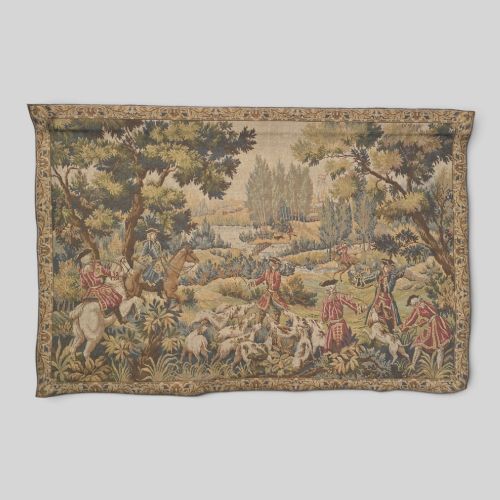
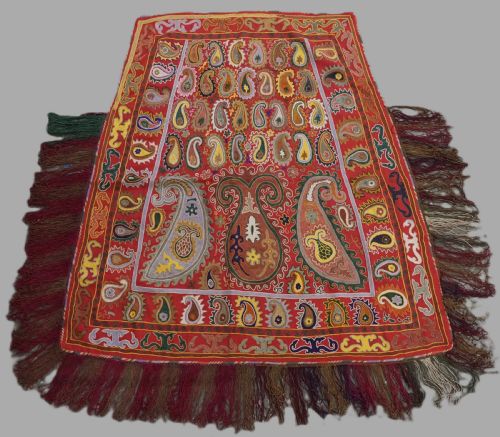
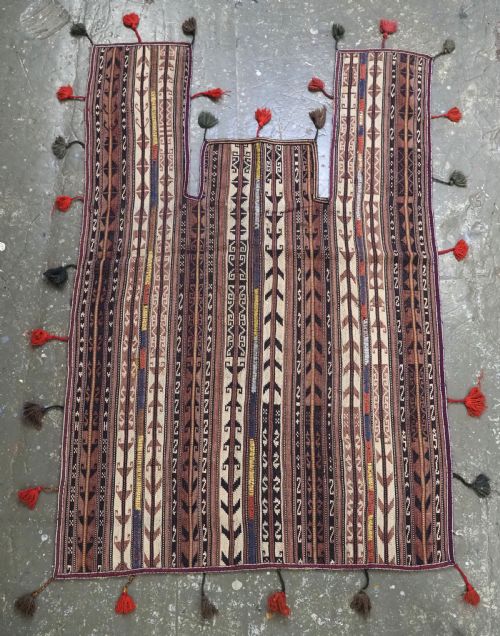
Vintage equestrian tapestry selections encompass a range of textile wall art, from French framed hangings to Central Asian tribal saddle covers and ceremonial horse blankets. Buyers seeking vintage equestrian tapestry works will encounter nineteenth-century Victorian needlework alongside twentieth-century French chateau and Gothic revival styles. The offerings bridge European decorative traditions and Central Asian tribal craftsmanship.
The objects function primarily as wall hangings and textile art, celebrating the horse through detailed needlework and weaving. Forms vary from large-proportions tapestries to specific ceremonial horse covers created by the Lakai tribe in Uzbekistan and Northern Afghan makers. Each piece displays distinct cultural methods for portraying equine subjects.
Materials and construction
Construction relies heavily on textiles, utilising wool, cotton, and silk fibres worked into canvas grounds. Many pieces incorporate intricate embroidery techniques, particularly seen in Central Asian tribal saddle covers and ceremonial blankets. European examples employ needlework to render large-scale horse depictions.
Framed works add wood, gilt, and glass elements to protect and display the textile wall art. The combination of supportive wooden framing and protective glass secures large proportions tapestries for domestic hanging. These materials dictate the weight and mounting requirements of each wall hanging.
Vintage Equestrian Tapestry Retail Price Guide 2026
Typical asking prices for vintage equestrian tapestry among the pieces listed under this phrase on Sellingantiques today, from the lower quarter to the upper quarter. They describe what is for sale here now, not the wider market.
Listings span periods from eighteen-sixty to nineteen-forty, featuring French Baroque, Gothic Revival, and Central Asian Tribal styles.
Distinctions in quality
Quality rests upon the density of the weave, the complexity of the needlework, and the precision of the horse depiction. Finer Central Asian ceremonial covers display tighter embroidery stitches and more complex geometric arrangements surrounding the equine motif. European needlework varies according to the tonal shading and anatomical accuracy achieved in portraying the subject.
Condition and scale also differentiate the range, with large proportions wall hangings requiring substantial structural integrity across the textile. The preservation of original wool, cotton, and silk fibres influences the visual impact of the tapestry. Superior framing with appropriate glass and gilt or wood surrounds enhances the presentation of the textile art.
The Vintage Equestrian Tapestry Glossary
- Tapestries
- Woven textile wall art created on a loom, featuring pictorial designs. They provide substantial decorative coverage for interior walls.
- Needlework
- Stitched decoration applied to a foundation fabric by hand, using wool, cotton, or silk threads. This technique defines the Victorian horse depictions in the collection.
- Ceremonial horse cover
- Textile piece created by tribal groups like the Lakai to adorn horses during festive or ritual occasions. These covers feature dense embroidery and cultural motifs.
- Gilt
- Gold leaf or gold paint applied to wooden frames and decorative elements. It adds reflective brightness to the borders of framed tapestries.
Vintage Equestrian Tapestry: Frequently Asked Questions
What is a vintage equestrian tapestry?
A vintage equestrian tapestry is a textile wall hanging or decorative cover featuring horse imagery, produced in styles ranging from French chateau to Central Asian tribal.
These pieces combine materials like wool, cotton, and silk through weaving or embroidery to create pictorial wall art.
How do I hang a large tapestry?
Large tapestry pieces require sturdy wall fixings and often benefit from custom wooden frames with glass protection.
Heavier textile wall art should be supported evenly across the upper edge to prevent distortion of the fabric.
How do I date an equestrian textile?
Dating relies on stylistic markers, material analysis, and documented origins spanning from the Victorian era to the mid-twentieth century.
Comparing the needlework technique and regional motifs helps establish the period of creation.