






Multicolour Wall Hanging
A multicolour wall hanging brings centuries of tribal artistry and vibrant textile traditions directly into your interior.
Multicolour Wall Hanging
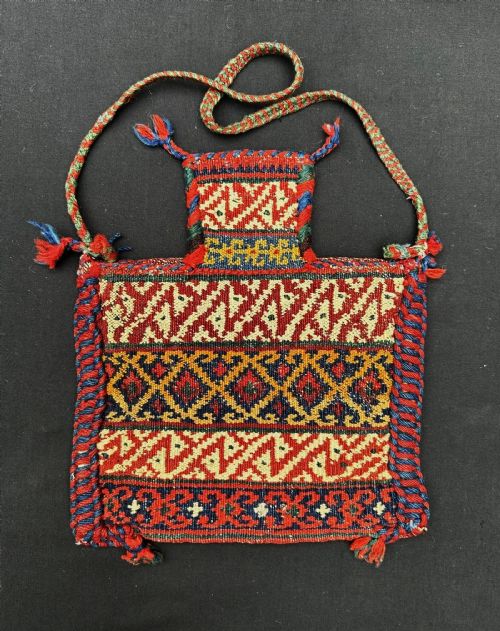
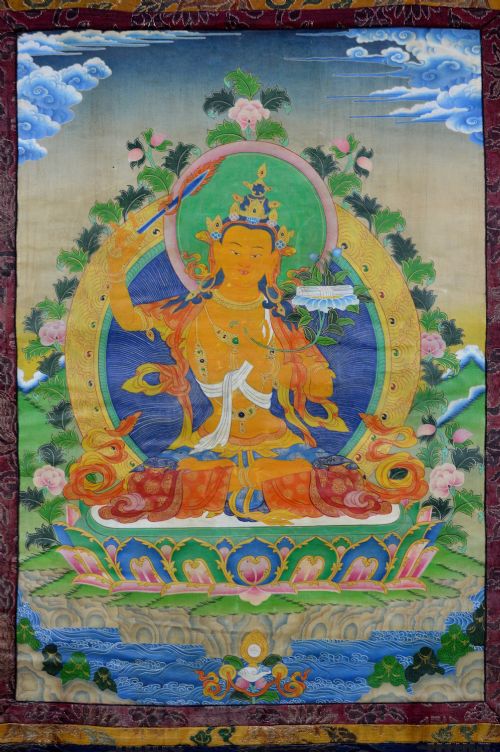
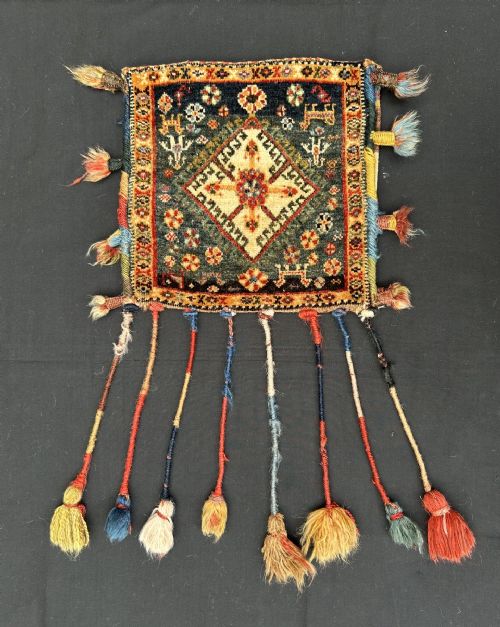
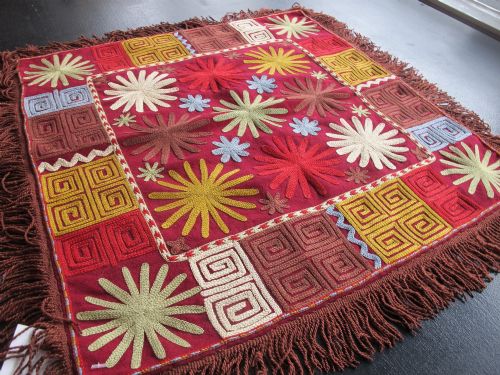
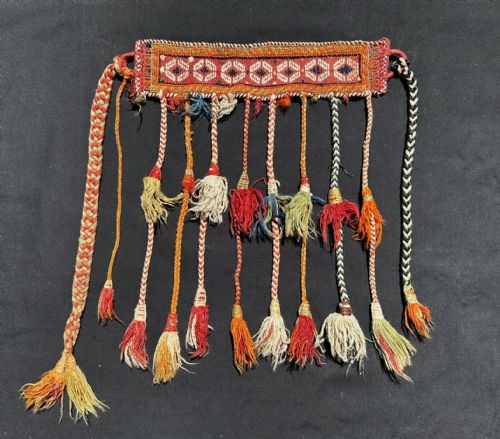
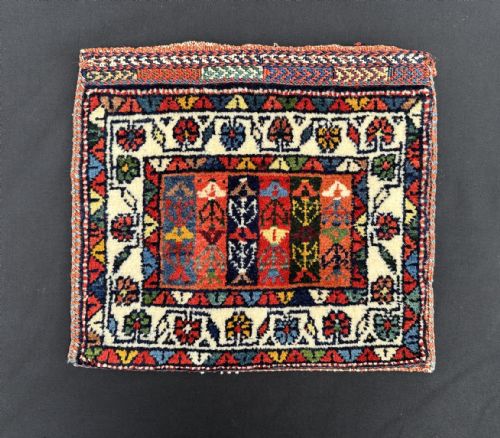
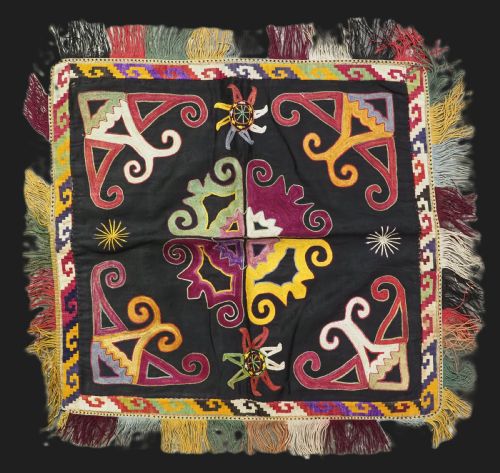
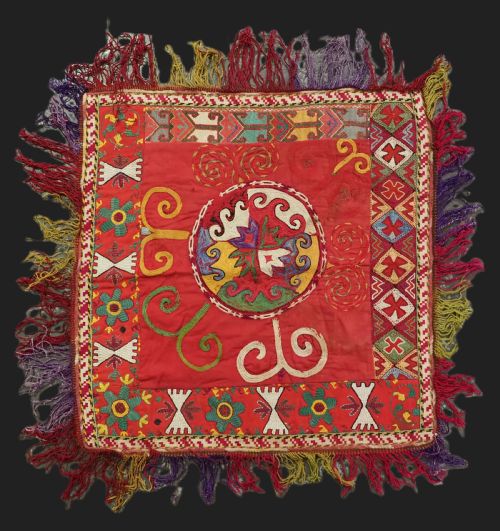
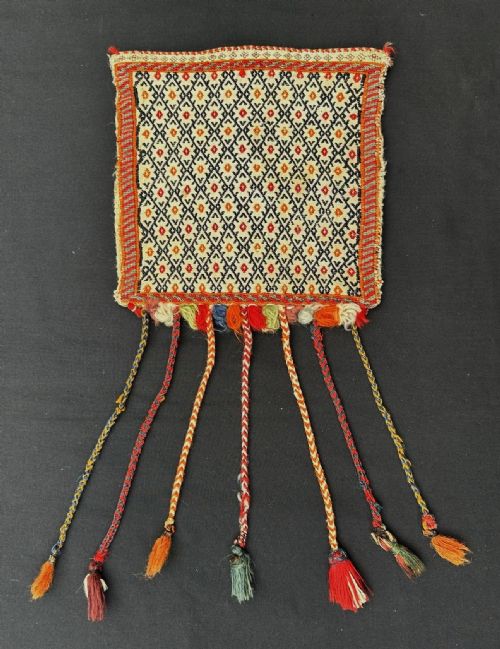
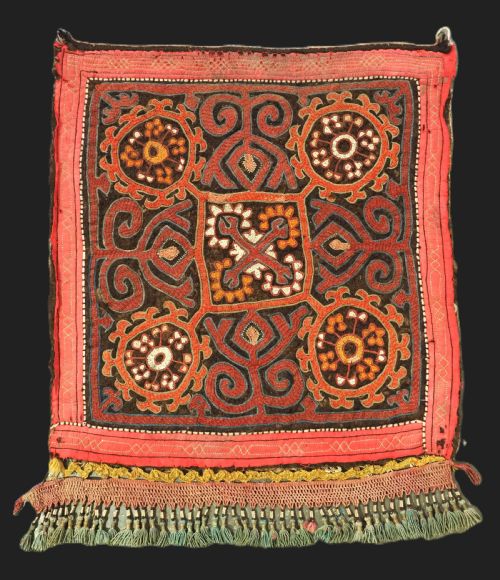
A multicolour wall hanging encompasses diverse historic textiles originating from Persian, Central Asian, and European traditions spanning the seventeenth century through the early twentieth century. Buyers encounter an array of utilitarian and ceremonial objects repurposed for display, including nomadic embroideries, saddlebag faces, horse blankets, and classical European tapestries.
Originating from distinct cultural contexts, these pieces demonstrate rich chromatic depth through natural dyes and mineral pigments. Each hanging serves as a physical record of traditional textile production methods practiced across generations.
How they were made
Construction relies heavily on wool, cotton, and silk textiles combined with felt, canvas, and wooden elements. Artisans utilised complex techniques including needlepoint, appliqué work, block printing, and hand embroidery to build intricate surface patterns.
Makers applied natural dyes and mineral pigments to achieve the varied palette characteristic of these regional works. Stitching techniques vary from fine silk thread embroidery on felt to robust wool weaving on tribal bagfaces and ceremonial covers.
Several textiles spent their early days dangling from the necks of camels and horses rather than living quietly on drawing room walls.
What varies in quality
Quality rests in the fineness of the stitchwork, the complexity of the repeat design, and the preservation of the original materials. Pieces displaying tighter, more intricate needlework or sophisticated block printing demonstrate superior execution.
The vibrancy and stability of natural dyes and mineral pigments also influence the overall standard of a textile. Surviving structural integrity, such as intact applied fringes and sound backing fabrics, elevates the standing of an individual piece.
The Multicolour Wall Hanging Glossary
- Chanteh
- A small tribal vanity bag or container produced by Persian nomads. These pieces often display detailed weave structures and characteristic tribal iconography.
- Aubusson
- A style of French tapestry woven without a pile, produced in the Creuse valley. These panels traditionally depict classical pastoral scenes or architectural motifs.
- Jajim
- A flat-woven textile produced in strips and joined together, often utilising silk or wool. They serve functional and decorative roles within nomadic households.
Multicolour Wall Hanging: Frequently Asked Questions
How were these wall hangings originally used?
Many items began as utilitarian or ceremonial objects within nomadic and settled communities. They functioned as dowry pieces, horse trappings, saddlebags, or household storage before later being adapted for display.
European examples typically originated as furniture coverings, cushion faces, or architectural tapestries intended for domestic interiors.
What materials predominate in these textiles?
Wool, cotton, and silk form the primary structural and decorative components across both Persian and Central Asian pieces. Felt and canvas additionally appear in regional embroideries and applied panels.
Natural dyes and mineral pigments provide the distinct colour palettes found throughout the selection.
How do I care for an antique textile?
Protect antique wall hangings from direct sunlight to prevent the fading of natural dyes and silk threads. Keep them away from excessive moisture and fluctuating humidity levels to preserve the integrity of organic fibres.
Mount the textile evenly across a supportive backing if hanging weight causes strain on historic stitches.
How can I distinguish between regional styles?
Central Asian pieces, such as those from Uzbek or Kirghiz makers, frequently employ bold silk embroidery and felt appliqué with distinct tribal motifs. Persian tribal works, including Qashqa'i and Afshar pieces, often feature densely patterned saddlebag faces and geometric field designs.
European panels lean towards classical needlework scenes and Aubusson tapestries with floral or architectural compositions.