

Traditional Wall Hanging
When you search for traditional wall hanging, you meet textiles, mirrors, and carved panels spanning centuries of diverse domestic craft.
Traditional Wall Hanging
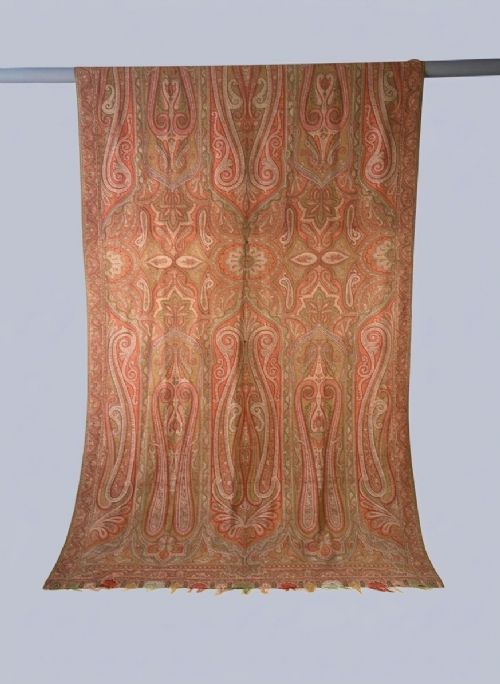
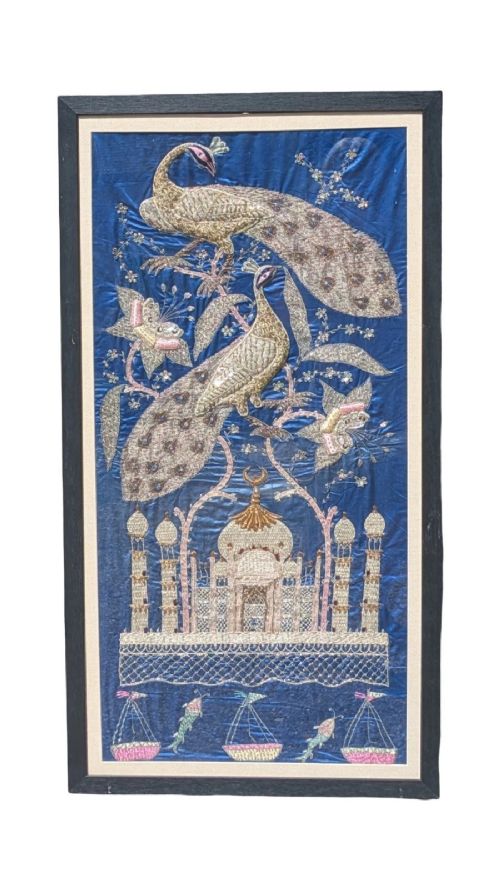
A traditional wall hanging encompasses a wide variety of domestic objects designed to decorate interior vertical surfaces, ranging from textiles and rugs to carved wooden panels and mirrors. When searching this phrase, a buyer encounters everything from Central Asian Suzanis and tribal bags to Chinese ancestral scrolls, Scottish wool shawls, and European tapestries.
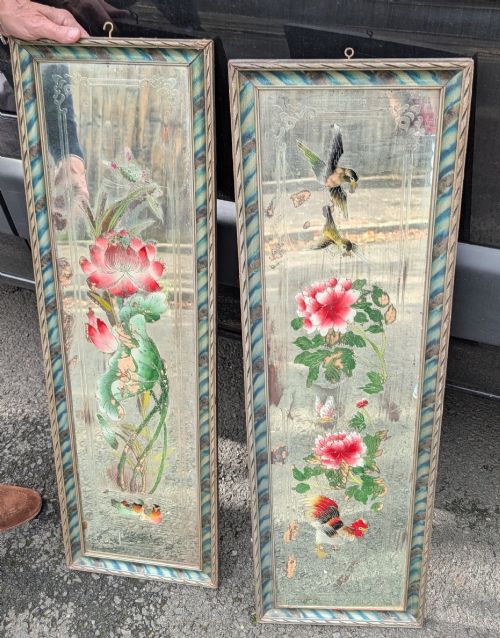
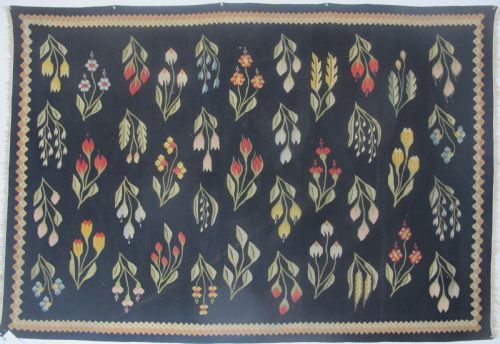
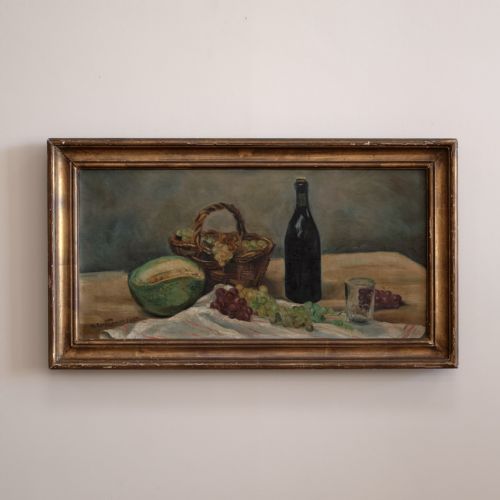
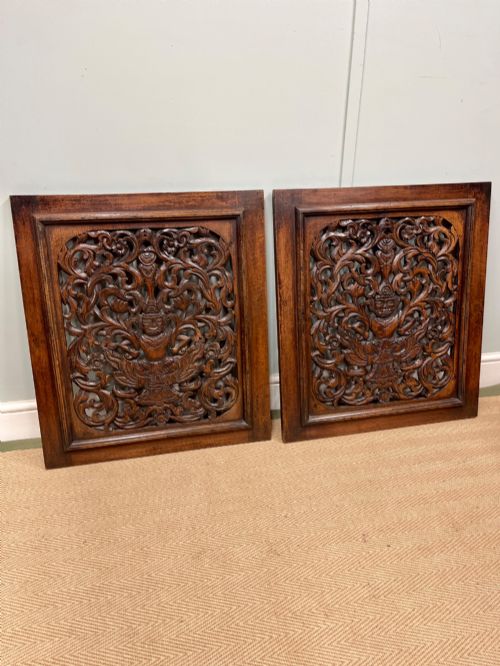
Textiles form a major category within these listings, featuring intricate silk embroidery, crewelwork, and felt rugs originating from regions such as Uzbekistan, India, and Romania. Alongside soft furnishings, the selection includes rigid items like carved Burmese panels, religious paintings on canvas, and reverse paintings on glass.
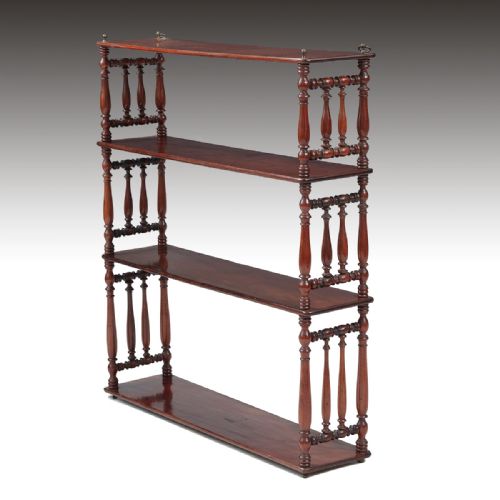
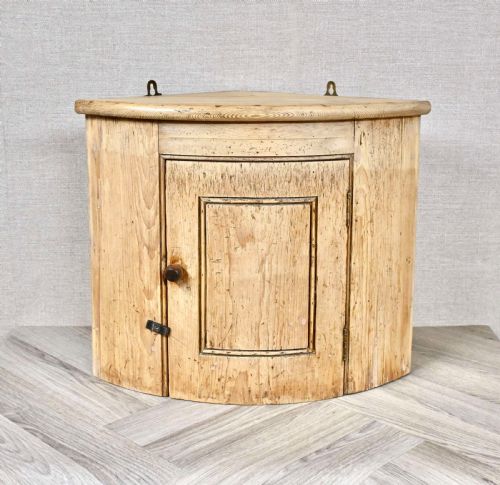
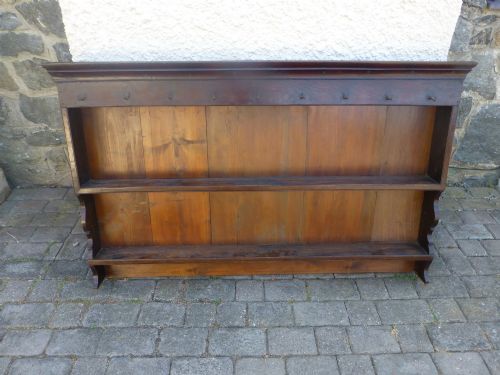
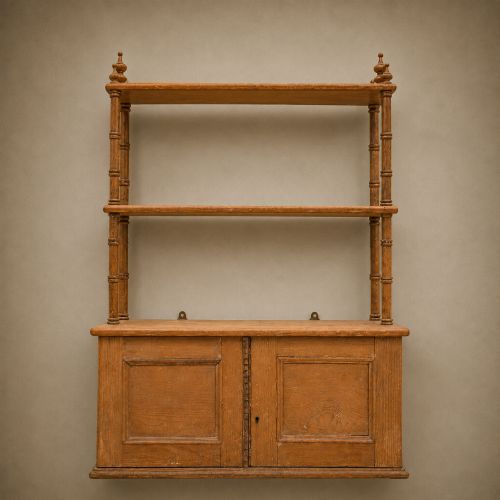
The practical application of these items bridges decorative and functional domestic needs, incorporating hanging shelves, corner cupboards, and barometers alongside purely aesthetic works. Dating spans from the eighteenth century through the Victorian era and into the early twentieth century, reflecting varied global craftsmanship.
Materials and construction methods
Textile hangings utilise natural fibres including wool, silk, and cotton, often worked with dense embroidery stitches, crewelwork, or traditional loom weaving as seen in regional tapestries and Suzanis. Tribal pieces frequently incorporate felt and specialised vegetable dyes, resulting in durable fabrics designed for nomadic or domestic display.
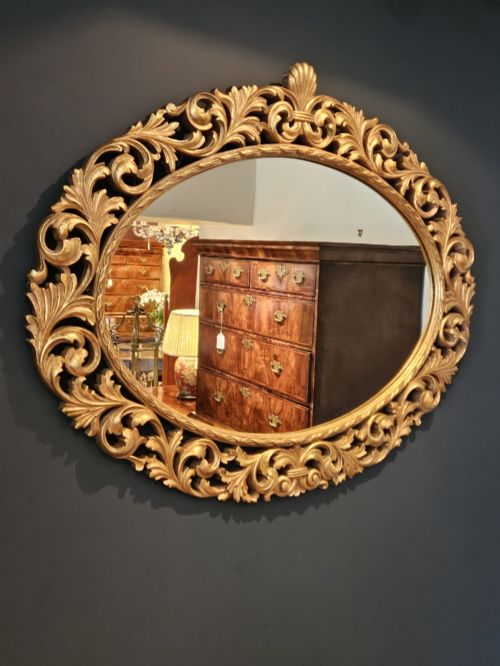
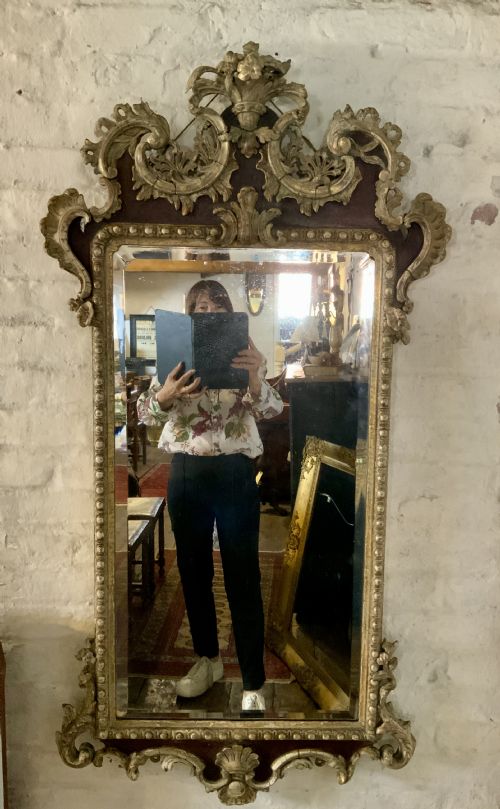
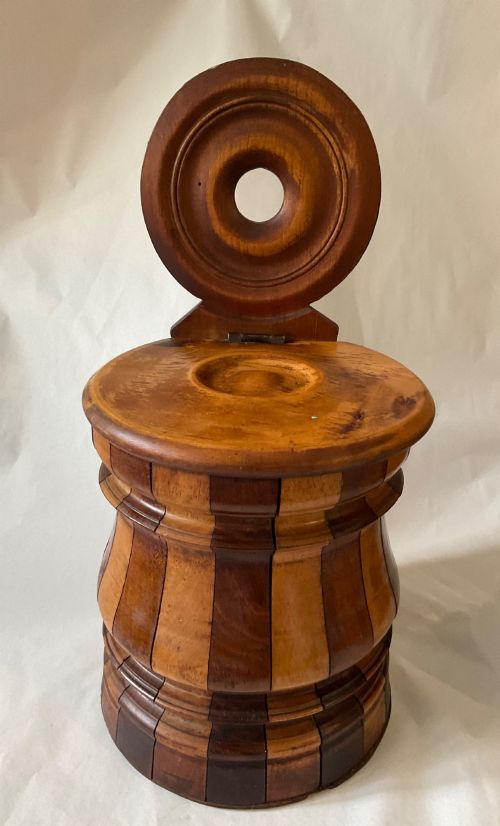
Wooden items employ timber species such as oak, mahogany, walnut, and pine, shaped through carving, turning, and joinery to create wall shelves, plate racks, and mirrors. Giltwood and parcel gilt finishes appear on mirrors and decorative frames, applying thin layers of gold leaf over prepared wooden substrates.
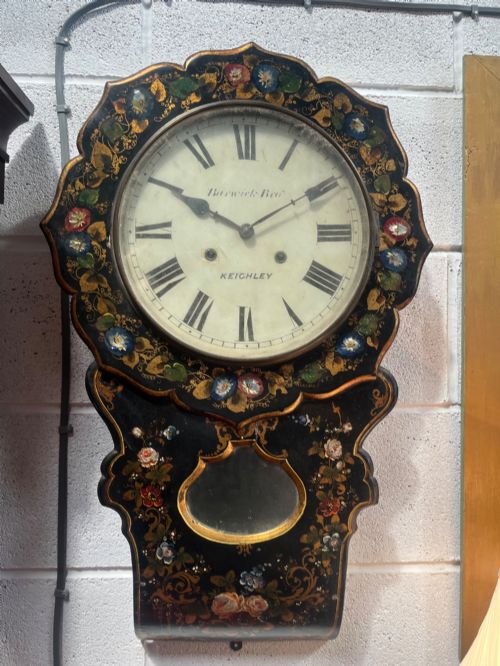
Glass and metal components integrate into mirrors, barometers, and trade signs, combining hand-painted decoration with reverse glass painting techniques and copper shaping. Each medium requires specific handling of the underlying material, whether stretching canvas for oil paintings or mounting fragile silk embroidery onto supportive backing fabrics.
Materials represented across the selection include glass, wool, brass, cotton, wood, silk, oak, and giltwood.
Distinctions in craftsmanship and condition
The refinement of execution separates standard domestic items from superior examples, particularly in the precision of hand-carved timber mouldings, the complexity of embroidery stitches, and the clarity of painted details on glass and canvas. Finer textile panels display densely packed needlework and balanced compositions, while coarser pieces show simpler or more repetitive patterns.
Material selection dictates longevity and visual depth, with high-grade silk, old-growth oak, and well-preserved giltwood retaining their character better than utilitarian pine or degraded base metals. The integrity of the original surface, whether unblemished wood grain or patinated gilding, influences the overall architectural presence of rigid wall hangings.
Age-related wear and historical repairs alter the balance of an object, where sympathetic conservation preserves historical context while heavy alteration diminishes authenticity. The coherence of regional design motifs, such as traditional Turkmen tribal symbols or classical Chinese scroll layouts, determines the scholarly and aesthetic standing of the piece.
The Traditional Wall Hanging Glossary
- Suzani
- An embroidered tribal textile originating from Central Asia, traditionally worked in silk or wool on a cotton ground. These decorative hangings often feature intricate floral and architectural motifs.
- Giltwood
- Wood that has been treated with a thin layer of gold leaf or powder. This finish appears frequently on nineteenth-century decorative mirror frames.
- Crewelwork
- A type of embroidery utilising wool yarn to execute flowing designs on a sturdy fabric foundation. It frequently appears on large textile panels intended for wall display.
- Barometer
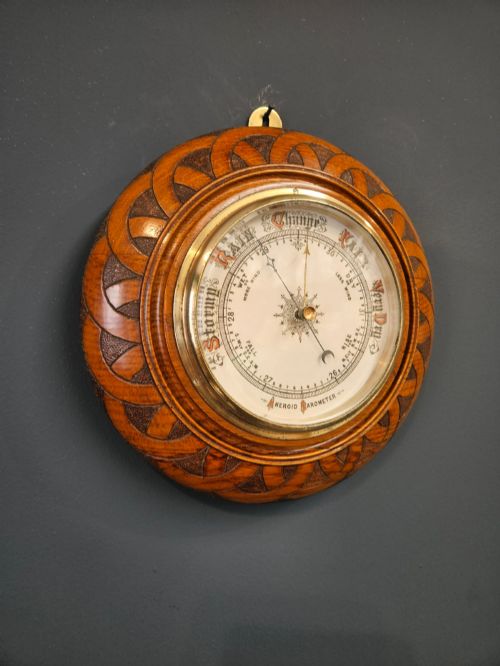
- An instrument used for measuring atmospheric pressure to forecast weather changes. Victorian and Edwardian examples often feature turned oak or mahogany wall-mounted cases.
- Panel
- A flat, distinct section of wood, textile, or painted material used in interior decoration. Burmese and Chinese panels often incorporate deep relief carving or pictorial scenes.
Traditional Wall Hanging: Frequently Asked Questions
How do I hang a heavy wooden mirror safely?
Heavy mirrors and wooden shelves require secure fixings anchored directly into wall studs or masonry using appropriate wall plugs and screws. The weight distribution relies on sturdy D-rings or integrated brackets attached securely to the frame.
Professional framing hardware and picture wire rated well above the object's actual weight ensure long-term stability on domestic walls.
How should I clean antique textile wall hangings?
Antique textiles require gentle handling to prevent damage to fragile fibres, aged silk, and historic embroidery threads. Regular light dusting with a soft brush helps remove surface particulate matter without abrasive friction.
Professional conservation cleaning is recommended for heavier contamination, as water or standard chemical agents can cause dye bleeding or structural degradation in historical fabrics.
How do I identify the period of an oak corner cupboard?
Georgian oak corner cupboards usually display traditional pegged joinery, fielded panel doors, and classic architectural mouldings consistent with eighteenth-century cabinet making. Later Victorian iterations often incorporate turned details, machine-sawn elements, and different interior shelving arrangements.
Examining the backboards, hinge types, and timber patination helps determine whether a cupboard dates to the Georgian period or later revivals.
Can antique barometers still function accurately?
Many antique barometers retain their internal mechanical linkages and can register atmospheric pressure changes when properly adjusted. The mercury or aneroid mechanism responds to environmental shifts, though older instruments may require professional calibration.
Even when mechanical functionality varies, these pieces serve as decorative wall instruments reflecting historical scientific craftsmanship.