


Woven Tapestry Hanging
A woven tapestry hanging brings historic depth and rich texture to an interior through centuries-old textile artistry.
Woven Tapestry Hanging
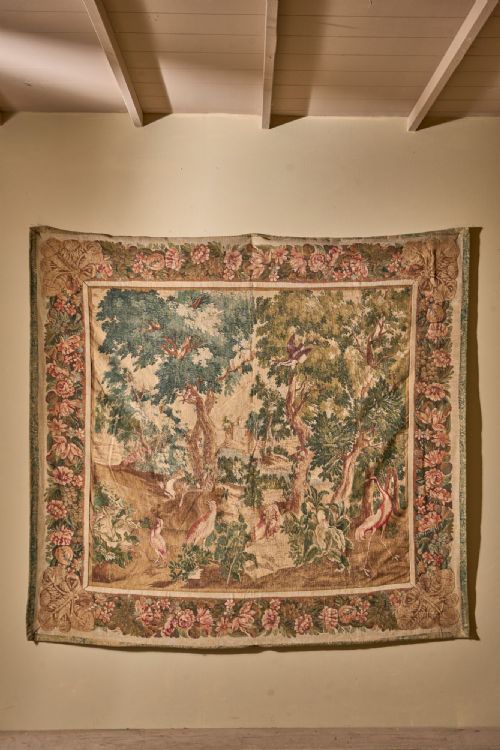
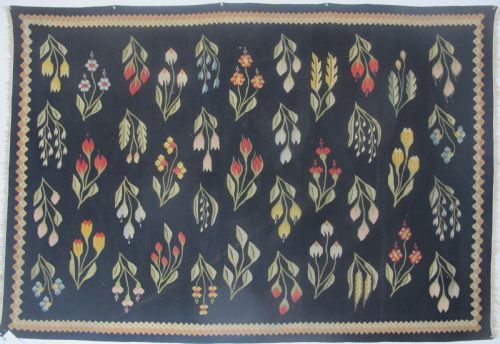
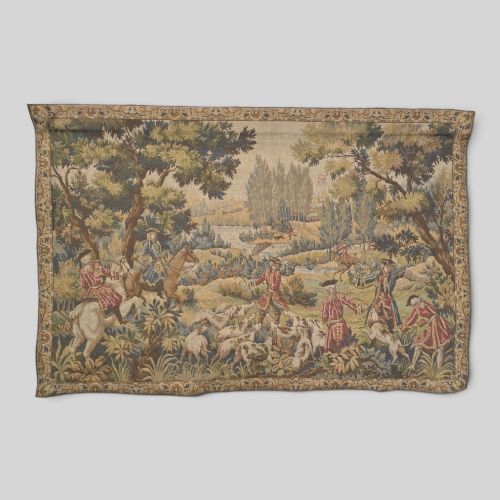
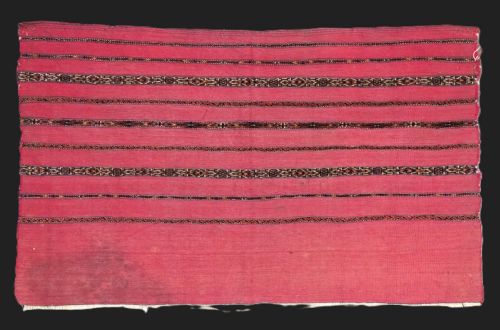
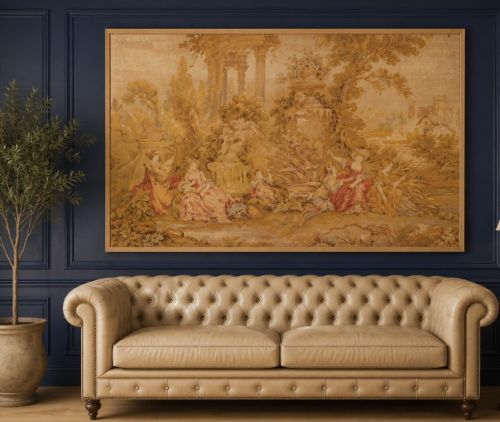
When you search for a woven tapestry hanging, you encounter historic wall art created through interlaced warp and weft threads. The selection ranges from grand Flemish baroque landscapes to French pastoral scenes and intricate tribal panels.
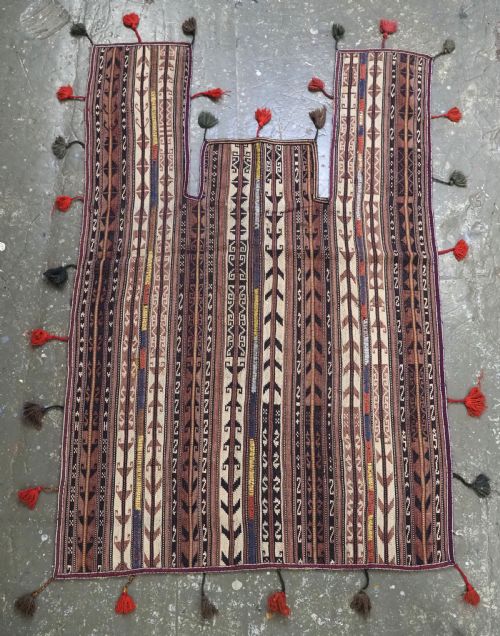
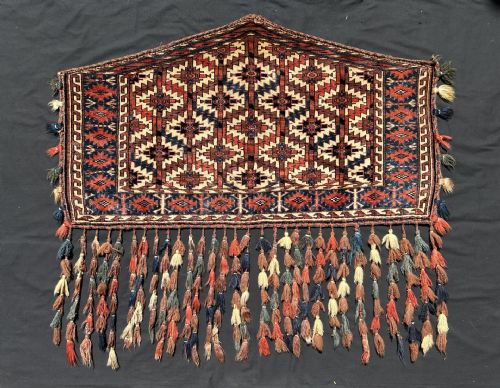
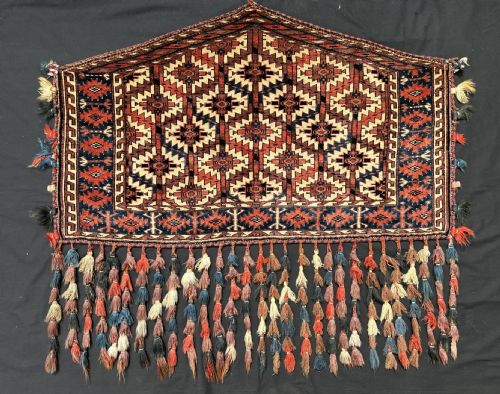
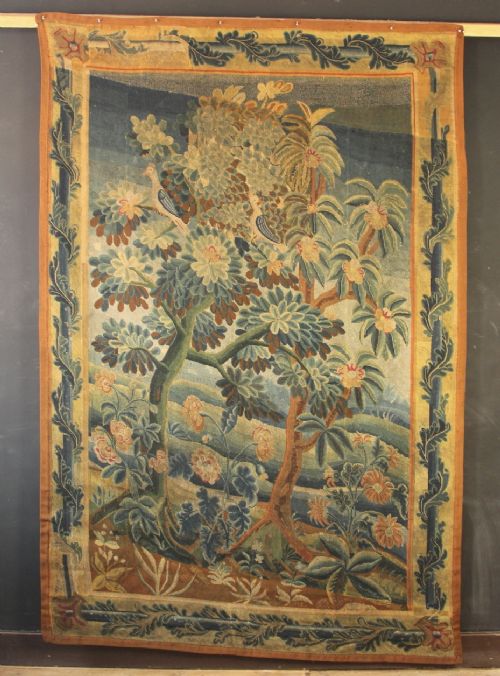
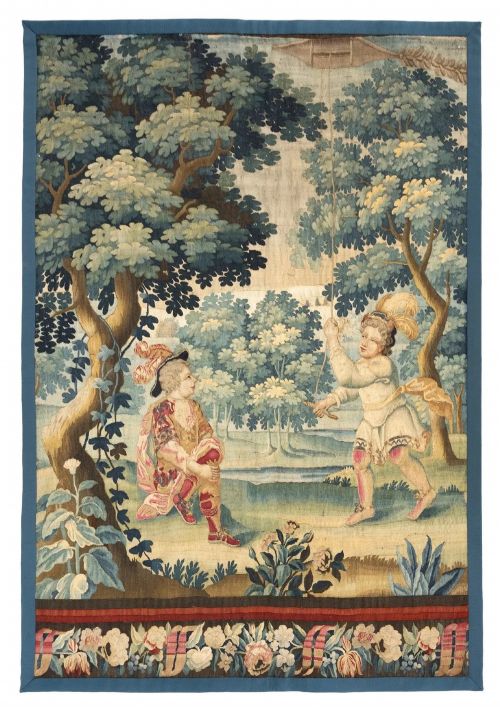
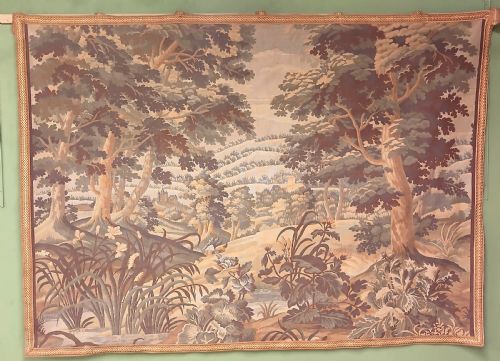
The pieces on this page most commonly include large 17th century verdure panels, Aubusson compositions, and regional Central Asian tribal weaving. Buyers often choose these textiles to anchor a large wall space with traditional craftsmanship.
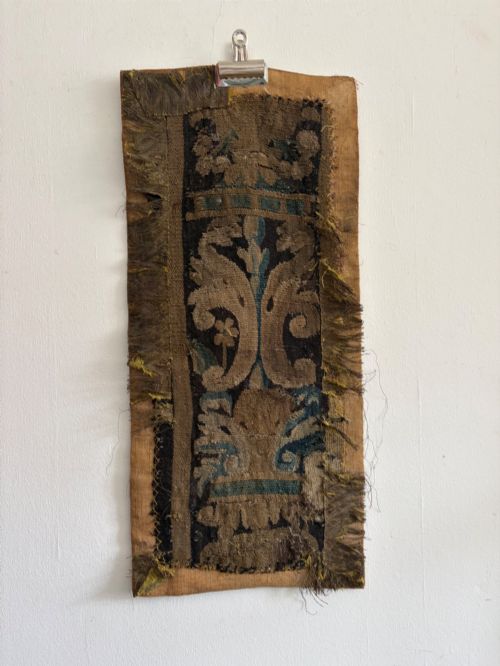
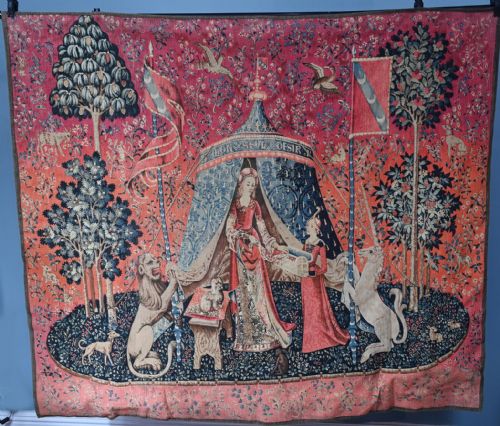
European workshops and nomadic weavers alike produced these hangings for functional insulation and decorative display. Surviving examples include full wall coverings, framed fragments, and ceremonial covers mounted for preservation.
Materials and construction
The makers of these textiles relied primarily on wool, silk, cotton, and linen fibres spun by hand. Natural dyes provided the deep greens, blues, and earth tones seen in traditional verdure landscapes.
Weavers utilised hand looms to interlock coloured weft threads over vertical warp foundations, building pictorial scenes stitch by stitch. Many historic panels combined wool for structural durability with finer silk highlights to catch the light.
Several antique panels still retain their original hanging loops, ready to resume duty after centuries of quiet travel.
Factors of quality
Quality in these textiles depends heavily on the density of the weave and the clarity of the pictorial design. Finer thread counts allowed weavers to render intricate botanical details, facial expressions, and architectural perspectives with greater precision.
The preservation of the original hand-dyed palette also separates standard pieces from exceptional examples. Surviving panels that retain their saturated natural tones without excessive restoration command stronger attention from collectors.
The Woven Tapestry Hanging Glossary
- Verdure
- A style of tapestry featuring lush foliage, trees, and gardens as the primary subject matter. These forest scenes often included hidden birds and small animals among the leaves.
- Aubusson
- A historic French town renowned for its carpet and wall hanging production. Workshops here typically produced pastoral and floral designs influenced by royal court tastes.
- Warp
- The stationary vertical threads stretched on a loom before weaving begins. The weft threads are passed over and under these structural foundation lines.
- Weft
- The horizontal threads woven through the warp to create the visible pattern and picture. Skilled weavers built up these threads in small sections to control colour transitions.
- Fragment
- A surviving portion of a larger historic textile that was cut down or separated over time. These pieces are frequently mounted on linen to stabilize the remaining fabric for display.
Woven Tapestry Hanging: Frequently Asked Questions
How do I hang a heavy antique tapestry?
Most large pieces require a concealed fabric sleeve sewn to the reverse edge to distribute the weight evenly across a wooden batten or metal rod. This method prevents the tension from tearing individual warp and weft threads over time.
Smaller or fragile textile panels are often mounted professionally within a wooden frame behind protective glass. Ensure the hanging method avoids direct contact with nails or pins piercing the historic fabric directly.
What is a verdure tapestry?
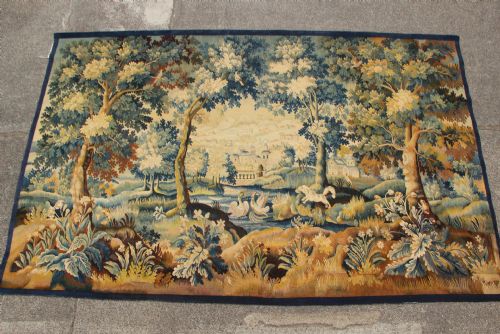
A verdure tapestry depicts a dense woodland landscape filled with stylized trees, ferns, and flowering plants. These compositions were immensely popular in European workshops during the seventeenth and eighteenth centuries for bringing natural scenery indoors.
Many verdure scenes incorporate distant chateaux, winding rivers, or hidden wildlife among the foliage. Their predominant green and earthy palettes make them versatile additions to traditional interiors.
How can I tell the age of a woven panel?
Dating a textile relies on examining the specific weave structure, the types of animal and plant fibres used, and the chemical composition of the dyes. Stylistic indicators such as border motifs, costume details, and perspective conventions also point toward particular centuries.
Comparison with documented examples from known production centres like Aubusson, Audenaarde, or Flemish looms helps narrow down the period of manufacture.