






Large Framed Textile
A large framed textile brings scale and texture to a room, offering centuries of woven and stitched artistry ready for the wall.
Large Framed Textile
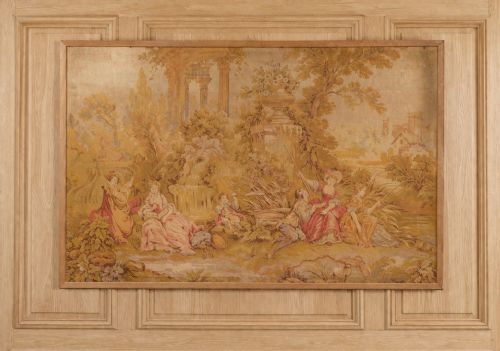
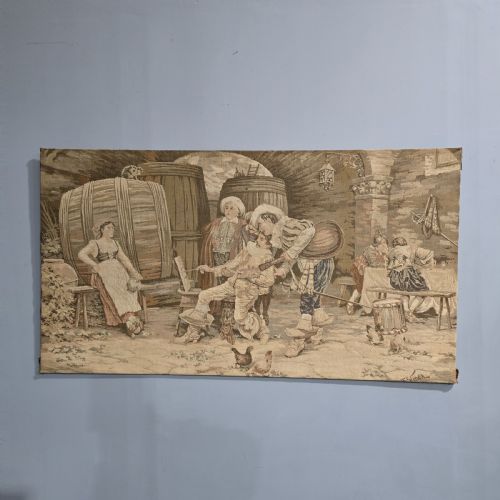
A large framed textile encompasses substantial wall art created from woven, stitched, and painted fabric, spanning centuries of craftsmanship. These works range from needlework samplers and silk patchworks to French tapestries and Balinese painted textiles.
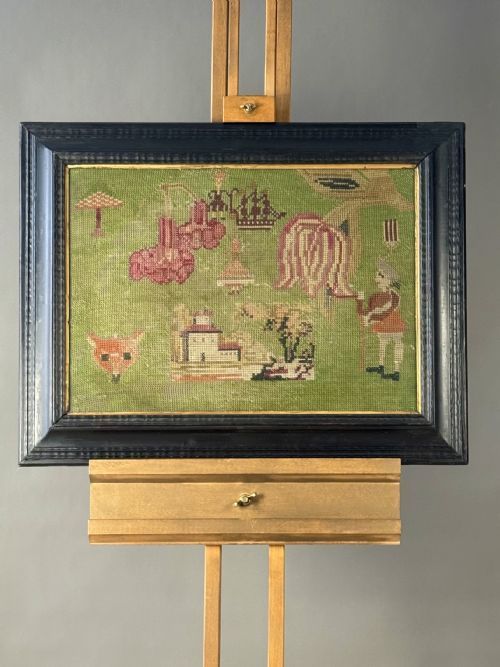
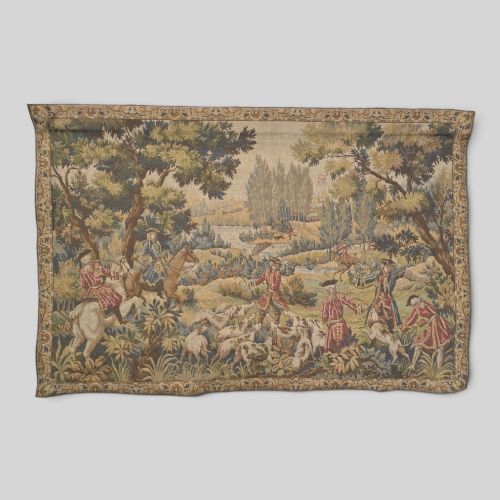
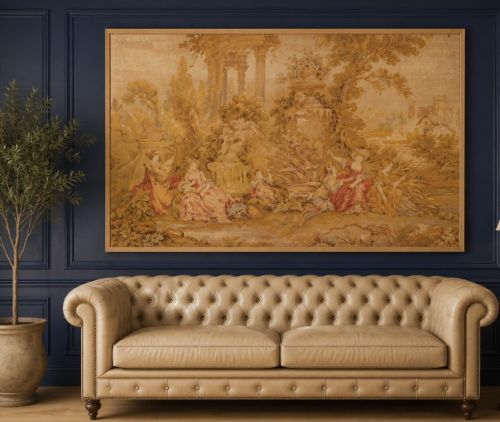
The versions most commonly met on this page include eighteenth-century French woven tapestry panels and Victorian needlework pictures. Walnut, wood, and gilt frames typically enclose these sizeable pieces behind glass.
How they were made
Maker execution relies on natural textile fibres including wool, silk, cotton, and linen, worked through needlework, painting, and weaving. Silk patchwork and intricate needlework samplers demonstrate traditional hand-stitching techniques.
Woven examples utilise complex looms to produce pictorial panels, whilst paintings on textile employ direct pigment application on silk or canvas. Timber frames in walnut or gilt surround the finished works, often protected beneath glass.
Listings feature periods spanning the eighteenth, nineteenth, and twentieth centuries, alongside Victorian and Edwardian examples.
What varies in quality
Quality rests upon the fineness of the fibre work and the complexity of the pictorial composition. Dense, skilled needlework and intricate hand-woven tapestries distinguish superior examples from simpler productions.
The integrity of the mounting and framing contributes significantly to the overall merit of the piece. Well-preserved textiles retain their original vitality, whilst substantial period frames enhance the presence of the artwork.
The Large Framed Textile Glossary
- Sampler
- A piece of needlework produced as a demonstration or test of skill, often featuring alphabets, numbers, and motifs. These works frequently record the name and age of the maker.
- Tapestry
- A form of textile art traditionally woven on a loom, depicting pictorial scenes or decorative patterns. Historic examples often utilise wool and silk yarns to build rich imagery.
- Needlework
- The craft of decorative stitching and needlepoint applied to a textile ground. It forms the basis of many historic wall pictures and samplers.
- Kamasan
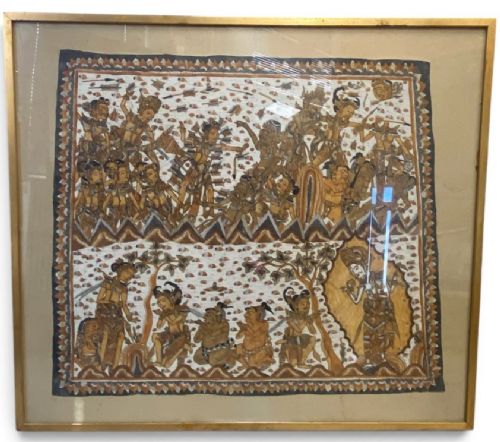
- A traditional style of painting originating from Bali, frequently executed on textile grounds. These works characteristically depict narrative scenes featuring deities and warriors.
- Patchwork
- Needlework in which small pieces of cloth are sewn together to form a larger design. Silk versions often create elaborate geometric or pictorial surfaces.
Large Framed Textile: Frequently Asked Questions
How do I hang a heavy textile?
Substantial pieces require secure fixings into wall studs or appropriate masonry anchors to support the weight of the timber frame and glass.
Position the artwork at eye level to best appreciate the detail within the woven or stitched surface.
Where should I place these pieces?
These works suit principal living spaces or hallways where their scale creates a focal point. Avoid direct sunlight to protect delicate natural fibres from fading.
Generous wall space allows the framed textile to command the room without visual crowding.
How do I clean textile art?
Glazed pieces remain protected behind glass from dust and atmospheric grime. Gently dust the timber or gilt frame with a dry cloth.
Unglazed surfaces require professional conservation advice to prevent damage to fragile historic fibres.
What periods do these pieces span?
The selection encompasses eighteenth-century French tapestries and needlework samplers alongside nineteenth-century works and twentieth-century Balinese paintings.
Victorian and Edwardian examples sit alongside earlier Georgian and baroque stylistic influences.